
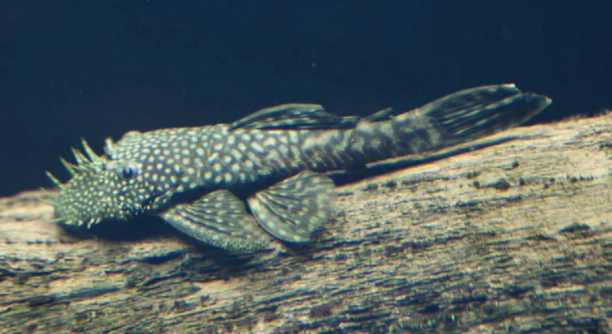
Sometimes, it can be puzzling when your pleco refuses to use its hiding spot. You might wonder why it’s avoiding its safe space, especially when the hiding spot is meant to provide security and comfort for your fish.
The reason your pleco may not be using its hiding spot could be due to stress, water quality issues, or simply preference. Plecos are known for being territorial and may prefer different hiding spots depending on the environment or their health status.
Understanding the factors at play can help you address any concerns and ensure your pleco feels more comfortable in its tank.
Why Your Pleco Might Avoid Its Hiding Spot
Your pleco’s reluctance to use its hiding spot could be tied to a few factors that affect its behavior. One major reason could be water quality. If the water isn’t clean or balanced, it may cause your pleco to feel stressed. Plecos are sensitive to changes in water parameters, including pH, temperature, and ammonia levels. When the water isn’t ideal, they might avoid their usual spots to find a safer area or swim more freely.
Another potential reason could be the location or type of the hiding spot itself. Plecos, especially as they grow, prefer hiding spots that are large enough for them to maneuver comfortably. If the hiding spot is too small or not suited to their size, they may not feel comfortable using it.
Lastly, your pleco could be feeling stressed due to other factors like tank mates or changes in its environment. These stressors can cause them to avoid their hiding spots and seek comfort elsewhere.
Tank Stressors and Pleco Behavior
Stress plays a huge role in whether or not your pleco uses its hiding spot. Changes in the tank’s environment, such as moving decorations or adding new fish, can upset your pleco’s sense of security.
Plecos are naturally shy and nocturnal. If there are other more dominant fish in the tank, your pleco might feel threatened and avoid its hiding place altogether. This avoidance is often a sign that your pleco is looking for a more peaceful area in the tank or outside of it.
Checking Your Pleco’s Hiding Spot
Examine the hiding spot you’ve provided for your pleco. It should be large enough to accommodate its size and shaped in a way that allows the fish to feel secure. Plecos like to feel safe in tight spaces but also need room to move around. If your pleco isn’t using its spot, it might simply not feel safe there.
Consider switching out the hiding spot with something more spacious or adding more hiding spots to provide options. The environment matters greatly to plecos, and a simple change in décor could encourage your pleco to feel more at ease and use its hiding space again.
Water Quality and Its Impact on Your Pleco
Water quality is essential for your pleco’s overall health and well-being. If the water parameters are off, it can cause stress and make your pleco less likely to use its hiding spot. Ammonia, nitrites, and high levels of waste can lead to discomfort.
Plecos are particularly sensitive to poor water conditions. Even slight changes in pH or temperature can make them feel unsafe. When water quality is compromised, your pleco may avoid areas that once provided comfort. Regular water changes and testing your tank’s levels will help keep your pleco happy and healthy.
Be sure to monitor and adjust your filtration system if necessary. A well-maintained filter is crucial in keeping water quality in check, and it can reduce the stress that may prevent your pleco from using its hiding spot.
Size and Placement of the Hiding Spot
Your pleco needs a hiding spot that suits its size and comfort. If the spot is too small or difficult to access, your pleco may simply choose not to use it. Make sure the hiding spot is spacious enough to accommodate your pleco comfortably.
The placement of the hiding spot also matters. If the spot is in a high-traffic area or near aggressive tank mates, your pleco might feel exposed and avoid it. Try placing it in a quieter corner or near plants to provide some privacy and a sense of security.
Consider adding multiple hiding spots to your tank, especially if you have more than one pleco. This ensures they each have a safe space to retreat when they need it. Variety can be key in making sure your pleco feels comfortable in its environment.
Stress from Tank Mates
If there are aggressive or territorial fish in the tank, your pleco might avoid its hiding spot. Stress from tank mates can lead to avoidance behavior. This can be particularly noticeable if the pleco feels threatened or harassed.
Consider separating more aggressive fish or adding more hiding spots. This provides your pleco with better options to find safety, reducing stress. Plecos are peaceful by nature and thrive in calm environments, so maintaining a harmonious tank will encourage them to use their hiding spot again.
Physical Health Issues
If your pleco is not using its hiding spot, it could also be a sign of health issues. A sick pleco may become more reclusive and stay hidden, which could make it avoid its usual retreat. Check for signs of illness.
Make sure your pleco’s skin looks healthy and that it’s eating well. Any irregularities, like faded colors, wounds, or abnormal swimming patterns, could indicate a problem that needs immediate attention. Regularly checking on your pleco’s behavior will help catch issues early and provide solutions to encourage better behavior.
Tank Maintenance and Environmental Changes
Changes in the tank environment can also cause your pleco to avoid its hiding spot. If you’ve recently moved decorations or changed the layout, your pleco may feel disoriented or insecure in its new surroundings.
Consistent maintenance, such as cleaning the tank, replacing plants, and adjusting the décor in small steps, can help maintain comfort for your pleco. Keep changes minimal to avoid overwhelming your pleco, allowing it to adjust slowly.
FAQ
Why is my pleco constantly swimming around and not using its hiding spot?
Your pleco might be exploring its environment because it’s either feeling secure or trying to find a more comfortable place. Some plecos prefer to swim around more actively, especially during the day. It could also be looking for food or simply enjoying its tank. However, if the behavior is constant, it could indicate a need for more hiding spots or water quality issues. Check that the water parameters are stable and clean to reduce stress. Adding more decorations or rearranging existing ones can encourage your pleco to settle into a spot.
How can I tell if my pleco is stressed?
Stressed plecos often show changes in behavior. If your pleco is avoiding its hiding spot, it could be a sign of stress. Other signs include erratic swimming, rubbing against tank surfaces, or staying at the water’s surface. Pay attention to any changes in eating habits or if your pleco seems more reclusive than usual. Additionally, physical signs like faded colors or clamped fins could be indicators of stress or illness. Ensuring the tank environment is calm and stable can help reduce stress levels.
Is it normal for my pleco to stop using its hiding spot for days?
Yes, it is normal for your pleco to occasionally avoid its hiding spot for short periods. Plecos are nocturnal and may come out more at night. During the day, they might not always use their hiding spot, especially if they feel secure in the tank. If this behavior lasts for several days or seems out of the ordinary, consider checking the water quality or tank conditions. Stress, changes in the tank, or other environmental factors could be causing this change in behavior.
How can I improve my pleco’s hiding spot?
To improve your pleco’s hiding spot, ensure it’s large enough for your pleco to feel comfortable. Plecos prefer hiding places that they can fully fit into and maneuver around. Natural-looking caves, driftwood, or larger hollow structures can work well. The hiding spot should also be placed in a quiet area of the tank, away from the direct path of more active fish. Adding plants or rocks around the spot can help create a secure and peaceful space for your pleco to retreat to whenever it feels the need.
Should I have more than one hiding spot for my pleco?
Yes, having more than one hiding spot in your tank is a good idea, especially if you have multiple plecos or other fish species. This gives your pleco more options to find a safe place when needed. It can also reduce territorial behavior and stress, as plecos can sometimes become more territorial, particularly if the tank is crowded. Offering multiple hiding spots in different areas of the tank ensures your pleco can retreat to a safe space whenever it feels necessary.
Can I move the hiding spot if my pleco isn’t using it?
Yes, you can move the hiding spot if you notice that your pleco isn’t using it. It might feel uncomfortable in its current location, or the layout might not suit its needs. By moving the hiding spot to a quieter or more secure area, your pleco might feel more at ease. Make sure the new location is peaceful and free from disturbances. However, avoid making frequent changes, as this can stress out your pleco even more. Small adjustments over time are best.
How do I know if my pleco’s hiding spot is the right size?
A good hiding spot for your pleco should be large enough for it to fully fit and turn around comfortably. The pleco should feel secure inside, without being cramped. If the hiding spot seems too tight or doesn’t offer enough space to move, your pleco may avoid it. Also, consider the pleco’s growth; as it gets larger, the hiding spot should be adjusted to accommodate its size. It’s important to choose a spot that provides shelter without feeling overly confined.
What do I do if my pleco isn’t eating?
If your pleco isn’t eating, it could be due to stress, water quality issues, or illness. Start by testing the water parameters to ensure everything is within the proper range. If the water is clean and balanced, observe your pleco for any other signs of illness, such as lethargy or abnormal swimming. Try offering different types of food, such as algae wafers or vegetables, to encourage feeding. If the problem persists, consider consulting a veterinarian specializing in aquatic animals.
Can I use decorations near the pleco’s hiding spot to encourage it to use it?
Yes, adding decorations like plants, rocks, or driftwood near your pleco’s hiding spot can make the area more inviting and comfortable. These additions can create a more natural, secure environment that mimics the pleco’s natural habitat. Be careful not to overcrowd the tank, though, as too many decorations can make it difficult for your pleco to move around freely. Ensure the decorations are safe, with no sharp edges that could harm your pleco.
How do I prevent other fish from disturbing my pleco’s hiding spot?
To prevent other fish from disturbing your pleco’s hiding spot, consider placing it in a quieter area of the tank, away from more active or aggressive fish. Creating natural barriers with plants or rocks can also help protect the spot and give your pleco some privacy. In some cases, separating more aggressive tank mates may be necessary if they’re constantly bothering your pleco. A well-balanced tank with plenty of space for all its inhabitants will ensure that each fish has room to retreat when needed.
What kind of water temperature do plecos prefer?
Plecos typically prefer water temperatures between 74°F and 80°F (23°C to 27°C). If the water temperature is too high or too low, it can cause stress and lead to your pleco avoiding its hiding spot. Regularly check the temperature in the tank to make sure it stays within the recommended range. A stable, comfortable temperature will help your pleco feel secure and reduce the likelihood of it avoiding its hiding spot.
Can water changes encourage my pleco to use its hiding spot again?
Yes, regular water changes can help encourage your pleco to use its hiding spot again. If the water quality is poor, your pleco might feel stressed and avoid its hiding spot. Regularly changing 10-15% of the water every week helps maintain a healthy environment, ensuring that toxins like ammonia and nitrates are removed. Clean water can reduce stress, promote health, and encourage your pleco to feel safe in its hiding spot once again.
What are the signs of a healthy pleco?
A healthy pleco will have vibrant colors, active swimming behavior, and will regularly eat. It should be alert and move around the tank, exploring and feeding. A healthy pleco will also hide when it feels the need for security but will not hide all the time. If you notice any signs of illness, such as faded colors, abnormal behavior, or a lack of appetite, it’s important to check the water quality and consult a vet if necessary.
Final Thoughts
Understanding why your pleco isn’t using its hiding spot can help ensure its comfort and health in the tank. Several factors can influence this behavior, from stress due to water quality issues to simple preferences for more open spaces. It’s important to regularly check your tank’s conditions, including water temperature, cleanliness, and overall setup. In many cases, small changes in the environment can make a big difference in encouraging your pleco to feel safe and secure. Whether it’s adjusting the location of the hiding spot or improving water conditions, a few modifications could help your pleco find its way back to its favorite resting place.
Plecos are nocturnal creatures, so it’s also important to remember that they might not always use their hiding spot during the day. Some plecos prefer to explore and swim around during daylight hours, while others might retreat to their hiding place at night when they feel more secure. This is natural behavior for plecos, and they should be given the freedom to move about the tank as they wish. Over time, you may notice a pattern in their behavior, allowing you to adjust the tank setup to better meet their needs. Don’t be alarmed if your pleco isn’t using its hiding spot constantly; it might just be exploring, or it may prefer a different type of space.
Ultimately, ensuring a stress-free and secure environment for your pleco is the key to fostering its well-being. If your pleco consistently avoids its hiding spot, it’s worth checking for signs of illness, tank issues, or aggressive tankmates. Monitoring the health of your fish, along with the tank conditions, is crucial for preventing long-term stress. A healthy pleco will show regular eating habits, active movement, and will spend time in its hiding spot when needed. By paying attention to these details, you can create an environment where your pleco feels comfortable, happy, and secure.

Hello,
If you enjoy the content that we create, please consider saying a "Thank You!" by leaving a tip.
Every little bit helps us continue crafting quality advice that supports the health, happiness, and well-being of pets around the world, for pets of all shapes, sizes, and species.
We really appreciate the kindness and support that you show us!