
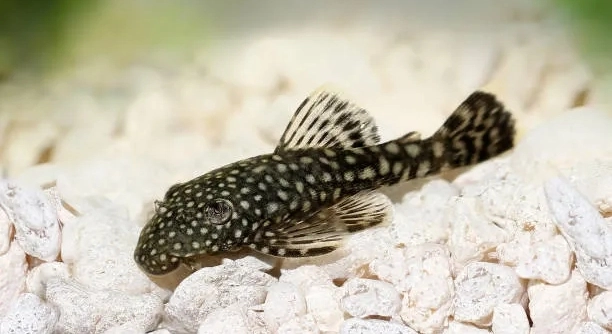
Plecostomus fish, commonly known as “plecos,” are often kept as aquarium companions. They are known for their algae-eating habits and peaceful nature. Many aquarists wonder if they can live harmoniously with goldfish in the same tank.
Plecostomus and goldfish can typically live together in a shared aquarium. However, it’s essential to consider factors like tank size, water temperature, and each fish’s temperament. Ensuring the tank meets both species’ needs will help maintain a healthy environment.
Understanding how to maintain harmony between these two species is key. By keeping a few essential tips in mind, you can ensure a peaceful coexistence for your pleco and goldfish.
Can Plecostomus and Goldfish Live Together?
When keeping plecostomus and goldfish together, it’s essential to make sure they can both thrive in the same tank. Plecos are peaceful bottom-dwellers, usually spending most of their time on the aquarium floor. Goldfish, on the other hand, are active swimmers and enjoy exploring the middle to upper levels of the tank. This difference in behavior can be helpful, as it allows each species to occupy different areas without competing for space.
To ensure both species thrive together, their tank needs should be met. The water temperature is a significant factor, as goldfish prefer cooler water, while plecos generally require warmer conditions. Keeping the temperature balanced can be a bit tricky, but it’s possible to find a compromise. Also, ensure there’s plenty of hiding spots for the plecos, as they enjoy having a space to retreat to. The tank should also be large enough to accommodate both species, as they both need space to grow and swim comfortably.
Managing water quality is another important consideration. Both plecostomus and goldfish produce a fair amount of waste, so a good filtration system is vital. A high-quality filter will keep the water clean and free from excess debris. Additionally, frequent water changes are essential to maintain a healthy tank environment. Goldfish are particularly sensitive to poor water quality, so it’s crucial to monitor ammonia and nitrate levels regularly.
Feeding Plecostomus and Goldfish Together
Feeding both plecos and goldfish in the same tank may seem simple, but it requires some attention. Goldfish are omnivores, and they generally accept flakes, pellets, and even occasional vegetables. Plecos, however, are mostly herbivores and benefit from algae wafers and fresh vegetables like zucchini or cucumber.
You can feed both types of fish by offering a mix of foods. The goldfish will eat the floating food, while the plecos can feed on algae wafers and vegetables placed on the bottom. This feeding routine helps minimize competition.
Tank Size Requirements
Plecos and goldfish both need adequate space to thrive. A small tank won’t provide enough room for both species to live comfortably. For goldfish, a minimum of 30 gallons is recommended, while plecos generally need at least 40 gallons due to their potential size.
The extra space ensures that both species can spread out, with the pleco occupying the bottom and the goldfish swimming freely in the middle or upper parts of the tank. Overcrowding can lead to stress and territorial issues, so a larger tank helps prevent these problems. Providing ample space promotes healthier fish and a more stable environment.
Water Quality and Maintenance
Both plecostomus and goldfish produce a significant amount of waste, which can quickly pollute the water. Proper filtration is essential to maintain clean water and prevent harmful toxins from building up. A high-quality filter will help manage the excess waste, ensuring the water stays clear and safe.
Frequent water changes are crucial to keeping the environment healthy. Goldfish are particularly sensitive to poor water quality, so it’s important to perform regular water tests for ammonia, nitrate, and nitrite levels. A good water maintenance routine is vital to preventing illness and maintaining the fish’s overall well-being.
Temperature Considerations
Goldfish prefer cooler water, typically around 65-75°F, while plecos thrive in warmer water, around 75-80°F. This temperature difference makes it tricky to maintain a balance. It’s important to find a middle ground that suits both species.
Using a reliable heater and thermometer will help maintain a consistent temperature. A stable environment reduces stress on both the pleco and goldfish. However, make sure not to let the water become too warm for goldfish, as they are sensitive to high temperatures. Regular monitoring is key to ensuring both species stay healthy.
Aggression and Behavior
Goldfish are generally peaceful, but they can be curious and occasionally nudge or harass other tank mates. Plecos, on the other hand, are typically docile. While it’s unlikely they’ll actively harm a goldfish, they can become stressed if the goldfish are overly aggressive.
Adding plenty of hiding spots for the pleco can provide refuge. Caves, plants, and decorations allow the pleco to retreat when feeling threatened. This helps reduce stress and provides the pleco with a safe environment, which is essential for both fish to coexist peacefully.
Feeding Time
At feeding time, goldfish tend to be more competitive, often eating quickly. Plecos may need a bit more time to access their food, as they feed mostly at the bottom of the tank.
To ensure both species get enough food, consider placing food at different levels. Goldfish can get their flakes or pellets near the surface, while plecos can access algae wafers or vegetables placed on the bottom. This setup reduces competition and ensures both fish are well-fed.
FAQ
Can a plecostomus live in cold water with goldfish?
Plecostomus prefer warmer water, generally between 75-80°F, while goldfish thrive in cooler water, around 65-75°F. This difference in temperature needs can make it difficult to house both in the same tank. However, it’s possible to find a middle ground, around 70°F, that can work for both species. Monitoring the temperature closely is crucial, as fluctuations can stress both the pleco and the goldfish. If you can maintain a stable, moderate temperature, they can live together, but ensuring proper heating and water conditions is key.
Do plecos and goldfish require the same diet?
Goldfish and plecos have different dietary needs. Goldfish are omnivores, eating a combination of flakes, pellets, and occasional fresh vegetables. Plecos, on the other hand, are primarily herbivores and benefit from algae wafers and fresh vegetables like zucchini, cucumber, and spinach. While they can share the same tank, it’s important to feed them separately, as goldfish will likely gobble up food quickly, leaving the pleco without a chance to eat. Offering the right food for both species ensures they get the nutrients they need without competition.
How big of a tank do plecos and goldfish need?
Both plecos and goldfish require a significant amount of space to grow comfortably. A minimum of 30 gallons is recommended for goldfish, and plecos generally need at least 40 gallons due to their large size and bottom-dwelling nature. If you’re keeping multiple goldfish or a larger pleco species, consider upgrading to a bigger tank, such as a 55-gallon or larger, to ensure both species have enough room to swim and thrive. A larger tank also helps maintain water quality and provides space for the pleco to hide, which is essential for its well-being.
What kind of filtration system is best for plecos and goldfish?
A strong filtration system is necessary when keeping plecos and goldfish together. Both species produce a lot of waste, and a high-quality filter helps keep the water clean and safe. A canister filter or a powerful hang-on-back filter is ideal, as they provide strong water flow and efficient filtration. Ensure the filter is sized appropriately for your tank’s volume to handle the waste load. Regular maintenance, such as cleaning the filter and changing the media, will also help maintain water quality, preventing harmful toxins from building up.
Can plecos and goldfish coexist peacefully?
In most cases, plecos and goldfish can coexist peacefully. Plecos are generally shy and non-aggressive, preferring to stay at the bottom of the tank. Goldfish are usually peaceful but can sometimes be curious or territorial. Providing enough space, hiding spots for the pleco, and plenty of food for both species can reduce the likelihood of aggression. Some plecos might also get a bit territorial, especially larger species, so be sure to monitor their behavior. If there are signs of aggression, such as chasing or nipping, consider adjusting the tank setup or separating the fish.
What should I do if my pleco is stressed by the goldfish?
If your pleco shows signs of stress, such as hiding more frequently or not eating, it’s important to assess the tank environment. Ensure there are plenty of hiding spots, such as caves, plants, or decorations, where the pleco can retreat when feeling threatened. Goldfish are active and may unintentionally harass the pleco, especially during feeding time. Providing a more peaceful and calm environment, reducing tank light intensity, and ensuring the pleco has space to itself can help alleviate stress. If the stress persists, consider moving the pleco to a separate tank.
How often should I feed plecos and goldfish?
Both plecos and goldfish should be fed once or twice a day, depending on their age and size. Goldfish typically eat flakes or pellets, while plecos prefer algae wafers or fresh vegetables. Feeding at different times or in separate areas can prevent competition. Plecos can also be fed additional food like cucumbers, zucchini, or algae-based food. It’s important not to overfeed, as excess food can pollute the water. Keep an eye on food consumption to ensure both species are getting enough without overfeeding, which can lead to water quality issues.
Do plecos eat algae?
Yes, plecos are known for their algae-eating habits, which is why they’re often used in aquariums to help control algae growth. However, relying solely on algae might not be enough for their diet. It’s essential to provide additional food, such as algae wafers, vegetables, or specially formulated pellets. While plecos will graze on algae, they need a varied diet to stay healthy. Over time, if algae is scarce in the tank, the pleco may need supplemental feeding to prevent malnutrition.
How can I prevent my pleco from growing too large for the tank?
To prevent your pleco from growing too large, consider choosing a smaller species. Some plecos, like the bristlenose pleco, stay smaller, typically reaching 4-6 inches. Larger species, such as the common pleco, can grow up to 24 inches, which can quickly become too much for a small tank. Research the species you’re purchasing and ensure your tank can accommodate the full adult size. If you’re already dealing with an oversized pleco, you may need to upgrade to a larger tank or reconsider the tank mates to ensure the environment remains suitable for both the pleco and goldfish.
What should I do if my goldfish is bullying my pleco?
If your goldfish is bullying your pleco, there are a few steps you can take to resolve the issue. First, check the tank size and make sure there’s enough space for both fish to have their own territory. Goldfish can sometimes be curious or overly active, which can cause stress for the pleco. Adding more hiding spots, such as plants, caves, or decorations, will give the pleco a place to retreat. If bullying continues, consider separating the goldfish from the pleco to ensure both fish can live in a stress-free environment.
Final Thoughts
When considering whether a plecostomus can live with goldfish, there are several factors to keep in mind. Both species can coexist, but their different needs make it essential to monitor tank conditions carefully. Goldfish prefer cooler water temperatures, while plecos thrive in warmer conditions. Finding a middle ground temperature that suits both is crucial. Temperature fluctuations can cause stress, so a reliable heater and thermometer will help maintain consistency. Keeping an eye on these factors will ensure both species remain healthy and comfortable in the same environment.
Another important consideration is tank size. Plecos, especially larger species, require a lot of space to swim and graze. Goldfish are also active swimmers and need ample room to move. A larger tank, like a 55-gallon or more, is recommended when keeping both fish together. A tank that’s too small can lead to overcrowding, which increases stress and can lead to health problems for both species. Providing plenty of hiding spots for the pleco is essential, as they are naturally shy fish and need spaces to retreat when feeling stressed. This setup helps both species coexist peacefully without overwhelming each other.
Finally, feeding habits should be considered to avoid competition. Goldfish are typically quick eaters, often gobbling up flakes and pellets rapidly. Plecos, on the other hand, feed on algae and vegetables. To ensure both fish get the proper nutrition, it’s best to feed them at different times or in separate areas of the tank. This reduces competition and ensures that the pleco gets enough food, especially if algae isn’t abundant in the tank. By paying attention to the unique needs of both species, you can create an environment where a pleco and goldfish can live together harmoniously.

Hello,
If you enjoy the content that we create, please consider saying a "Thank You!" by leaving a tip.
Every little bit helps us continue crafting quality advice that supports the health, happiness, and well-being of pets around the world, for pets of all shapes, sizes, and species.
We really appreciate the kindness and support that you show us!