
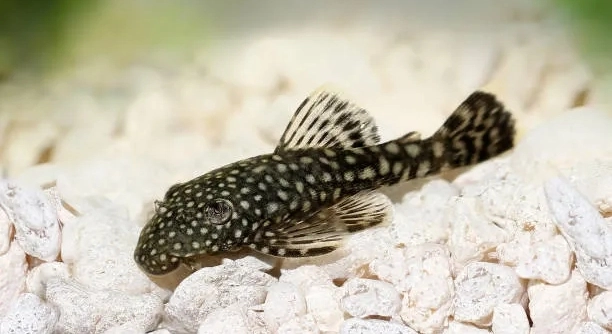
Plecos are fascinating fish, but if you notice yours always hanging out in the same spot, it may be due to a few common reasons. Their behavior is often linked to environmental factors and instincts.
Plecos may remain in the same spot for various reasons, including comfort, territorial behavior, or environmental factors such as water temperature, light, and the availability of food. A consistent spot can provide a sense of security and stability.
Understanding why your pleco stays in the same spot will help ensure its well-being and comfort in your aquarium. Keep reading to learn more.
Common Environmental Factors Affecting Your Pleco
One reason your pleco might stay in the same spot is due to environmental factors like water temperature, lighting, or tank placement. Plecos prefer stable environments, so if there’s a specific area that offers optimal conditions, they’ll naturally gravitate towards it. Factors like strong water flow or excessive light can make your pleco retreat to a spot where it feels secure. If your tank is placed near a window or in a room with fluctuating temperatures, your pleco might also be responding to these changes by staying put in a specific area.
Environmental consistency is key for plecos, as they thrive in stable conditions. Check the water parameters, such as temperature, pH, and hardness, and adjust them if necessary. If the lighting is too bright, consider providing shaded areas with driftwood or plants, where your pleco can feel safe.
By adjusting your tank setup, you can encourage your pleco to explore more areas of the tank. A consistent and calm environment is essential for their health and happiness.
The Impact of Tankmates
Tankmates can significantly impact your pleco’s behavior. If other fish are too aggressive or territorial, your pleco may feel the need to stay in one spot for safety. They’re naturally peaceful and might avoid areas where more dominant fish dwell. Adding compatible tankmates, such as peaceful species, can encourage more activity from your pleco. However, overcrowding can stress your pleco, causing it to retreat and stay in its favorite corner.
This behavior is a defense mechanism. By ensuring your pleco’s tankmates are not overly aggressive and providing plenty of hiding spaces, you can help your pleco feel more comfortable. This will allow it to move around freely without stress.
Pleco’s Natural Instincts
Plecos are naturally nocturnal and may stay in one spot during the day to rest. This behavior is common among nocturnal fish, as they conserve energy for nighttime activity. Your pleco may find a comfortable, hidden corner in the tank to rest during the day and be more active after dark.
If your pleco consistently stays in the same spot, it could simply be following its natural instinct. It might prefer a quiet and secure area during the daylight hours, especially if there’s a strong light source. As long as it becomes more active at night, this behavior is typically nothing to worry about.
Creating more hiding spots or low-light areas can encourage your pleco to explore more, but don’t be alarmed if it still prefers staying in one spot during the day. This natural instinct ensures that your pleco feels safe.
Tank Size and Space Constraints
If your tank is too small or lacks hiding spots, your pleco may choose to remain in the same area. While plecos are typically peaceful, they need space to move around and explore. A cramped environment can stress your pleco, causing it to stay in a single spot.
Plecos are often known for growing large, depending on the species. When they don’t have enough space to swim, they might feel trapped and retreat to a particular area of the tank. Overcrowding can worsen the issue. Providing plenty of open space and hiding areas will give your pleco the room it needs.
Consider upgrading your tank size or arranging more plants, driftwood, and caves for hiding. A larger tank will provide more room for exploration, keeping your pleco healthier and more active throughout the day.
Water Quality and Conditions
Plecos are sensitive to water quality. Poor water conditions can stress them, leading to behavior like staying in the same spot. Make sure the water is clean and properly filtered. Regular water changes and testing for ammonia, nitrate, and pH levels will help your pleco feel more comfortable.
Even small fluctuations in water temperature or improper filtration can cause your pleco to become lethargic and find a safe spot to remain. Keeping the tank’s water quality in check is essential for your pleco’s well-being. Healthy water encourages more activity and exploration, allowing your pleco to feel secure.
Feeding Habits and Food Availability
Plecos may stick to one spot if food is consistently available there. Many plecos are herbivores, feeding on algae, plant matter, and other food that can accumulate in a specific part of the tank. If they are getting food regularly in one spot, they’ll stay there.
This feeding habit is often a sign that your pleco feels secure in that location. However, overfeeding or concentrating food in one area can encourage this behavior. To avoid this, vary the location where you place food, ensuring your pleco explores different parts of the tank.
Stress and Illness
Stress or illness can cause your pleco to remain in one area. Signs of stress include hiding more often or sitting in the same spot for long periods. This could be due to sudden changes in the tank environment, aggressive tankmates, or even illness. If you notice this behavior consistently, it’s worth checking for any underlying health issues or tank conditions that might be affecting your pleco.
FAQ
Why does my pleco stay in one spot all the time?
There are several reasons your pleco might stay in one spot. It could be due to environmental factors like poor water quality, excessive light, or a lack of hiding spots. Plecos prefer stable, secure environments, and if they find a spot that provides both, they may settle there. Additionally, if your pleco is stressed or unwell, it might retreat to a specific area to feel safe. If you’ve noticed this behavior regularly, check the water parameters and ensure your pleco has enough space to move around.
Is it normal for my pleco to stay in one corner?
Yes, it’s normal for plecos to pick a spot in the tank and stay there, especially during the day. Plecos are nocturnal creatures, and they tend to be more active at night. During the day, they may retreat to a quiet corner to rest, particularly if the area provides shelter or a comfortable temperature. However, if your pleco stays in the same spot all the time, regardless of the time of day, it could indicate an issue with the tank conditions or health problems.
How can I encourage my pleco to move around more?
To encourage your pleco to move around more, make sure it has plenty of hiding spots and space to explore. Adding driftwood, caves, and plants can create a stimulating environment. If the lighting is too bright, consider adding more shaded areas or reducing the lighting. Regular water changes and maintaining good water quality will also help keep your pleco active. If your pleco feels secure, it is more likely to explore the entire tank.
Can stress cause my pleco to stay in one spot?
Yes, stress can cause your pleco to stay in one spot. Stressful conditions such as poor water quality, overcrowding, aggressive tankmates, or sudden changes in the environment can cause your pleco to retreat and stay in one area. It’s important to monitor the tank environment and ensure your pleco feels safe and secure. If you think stress is the issue, try to identify and remove the stressor, such as improving water quality or separating aggressive fish.
How do I know if my pleco is sick?
Sick plecos may display behaviors like staying in one spot for long periods, reduced appetite, or difficulty swimming. If your pleco is staying in a single spot and you notice other signs, such as white spots, discolored patches, or a bloated body, it could be ill. Monitor your pleco closely for any unusual changes in behavior or appearance. If you suspect your pleco is sick, it’s a good idea to consult with a veterinarian or aquarium expert to diagnose and treat the problem.
Can my pleco’s size affect its behavior?
Yes, the size of your pleco can influence its behavior. As plecos grow, they require more space to move around. A cramped tank can make them feel stressed and cause them to stick to one area. Additionally, larger plecos may become more territorial and claim a spot as their own. Ensuring your pleco has enough space to swim and explore is essential for its well-being. If your pleco is growing, it might be time to consider upgrading to a larger tank.
Should I worry if my pleco stays in the same spot all day?
If your pleco stays in the same spot all day, it’s not necessarily something to worry about, especially if it’s during the daytime. Plecos are nocturnal and rest during the day. However, if it continues this behavior for an extended period, it could be a sign of poor water conditions, stress, or illness. Keep an eye on your pleco’s activity and behavior. If it’s not moving around at night or showing signs of being active, it may need a change in its environment.
How often should I clean my pleco’s tank?
Regular tank maintenance is crucial for your pleco’s health. You should clean the tank at least once a week, removing debris and vacuuming the substrate. Plecos are messy eaters, so ensuring the tank stays clean will help prevent poor water quality, which can stress your fish. It’s also essential to change 20-30% of the water every week to maintain proper water parameters. The cleaner the tank, the healthier and more active your pleco will be.
Do plecos like a lot of hiding spots?
Yes, plecos love having hiding spots in their tank. Providing caves, driftwood, and plants will give your pleco a sense of security. Plecos are naturally shy fish, and having a safe place to retreat to can reduce stress. However, ensure there are enough open areas for your pleco to explore. Too many hiding spots in a small tank can limit the space available for swimming. A balance of hiding spots and open swimming space is ideal.
Can temperature changes make my pleco stay in one spot?
Temperature fluctuations can make your pleco stay in one spot, as they prefer stable water conditions. If the water is too hot or too cold, your pleco may become lethargic and seek out a spot where it feels more comfortable. It’s important to keep the water temperature in the ideal range for your pleco’s species. Regularly check the temperature and adjust the heater if necessary to maintain a stable environment for your pleco.
How do I know if my pleco is happy?
A happy pleco will be active, especially at night, and will explore different areas of the tank. It will also eat regularly and show interest in its surroundings. If your pleco is staying in one spot but is still eating, swimming at night, and appears healthy, it’s likely just resting. However, if it’s hiding constantly, showing signs of illness, or not eating, it may be stressed or unwell. Keeping track of its behavior and providing a stable environment is key to ensuring your pleco’s happiness.
Final Thoughts
Understanding your pleco’s behavior is key to ensuring it thrives in its tank. If your pleco stays in the same spot, it could be for several reasons, including environmental stress, feeding habits, or simply its natural instincts. Many plecos are nocturnal, meaning they rest during the day and become more active at night. If your pleco’s behavior seems normal otherwise, there’s no need to be concerned. However, consistent behavior, like staying in one spot for long periods during the day and night, may require you to check its environment more closely.
A clean tank with proper water conditions is vital for your pleco’s health. Poor water quality is one of the most common reasons for fish becoming lethargic or staying in one place. Testing the water for ammonia, nitrites, and pH levels regularly will help you monitor conditions and avoid issues that can affect your pleco’s behavior. Additionally, ensuring the temperature is stable and suitable for your pleco will help keep it comfortable. If you’ve ruled out environmental factors and your pleco still stays in one spot, checking for stress or illness is the next step.
Plecos are resilient and adaptable creatures. However, they do require attention to their surroundings, especially regarding space, hiding spots, and food sources. If you provide a balanced and clean tank with sufficient hiding places, your pleco will likely feel secure and explore more. When something feels off, whether it’s poor water quality, an overcrowded tank, or a stressed-out pleco, acting quickly can prevent long-term issues. By staying attentive to your pleco’s behavior and making necessary adjustments, you can ensure your fish remains healthy, happy, and active.

Hello,
If you enjoy the content that we create, please consider saying a "Thank You!" by leaving a tip.
Every little bit helps us continue crafting quality advice that supports the health, happiness, and well-being of pets around the world, for pets of all shapes, sizes, and species.
We really appreciate the kindness and support that you show us!