
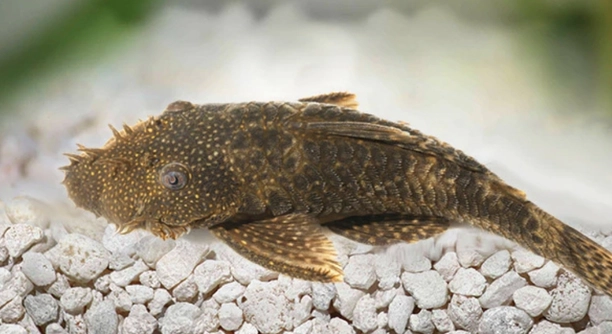
Is your pleco hiding more than usual, refusing food, or acting strangely in its tank today? You’re not alone in noticing the shift. Many aquarium keepers experience odd behavior from their plecos from time to time.
The most common reasons your pleco may be acting weird include changes in water quality, sudden temperature shifts, inadequate diet, lack of hiding spots, or territorial stress. These factors can cause noticeable changes in behavior, often within hours.
Understanding the causes behind these changes will help you create a safer, more stable environment for your pleco moving forward.
Sudden Changes in Water Quality
When plecos start acting differently, poor water quality is often the first thing to check. Even a small spike in ammonia or nitrite can cause stress. These fish rely on clean, stable water to stay healthy and active. A broken filter, missed water changes, or uneaten food can all lead to imbalance. Test your water for ammonia, nitrite, nitrate, and pH regularly. If something is off, do a partial water change and clean the tank if needed. Also, check for chlorine or chloramine if you’ve recently added tap water. These chemicals can cause immediate problems. Be consistent with your cleaning routine and avoid overfeeding. Plecos are sensitive to their surroundings, and changes in their environment are reflected quickly in their behavior. Always keep a test kit on hand and make it a habit to use it every week, especially if you notice anything unusual.
Water issues don’t always look obvious, but they often explain strange behavior.
If you address the water quickly, your pleco can return to normal within a day or two. Keeping the tank stable is key to helping them feel secure. Make sure the filtration is working and that the water stays clear and healthy. Clean water makes everything easier.
Temperature Swings and Tank Stress
Plecos can react strongly to even small shifts in temperature. These fish prefer consistency, and rapid changes may lead to hiding, erratic movement, or refusal to eat. This often happens during water changes or seasonal transitions when room temperature affects tank stability.
If your tank temperature fluctuates more than 2–3 degrees quickly, it can cause noticeable stress. Make sure your heater is working and appropriate for the size of your tank. Place a thermometer at the opposite end of the tank to catch uneven heating. If you’re doing a water change, try to match the new water’s temperature as closely as possible to the existing tank water. Even cold drafts in the room can lead to minor drops in water temperature, which can be enough to trigger a reaction in sensitive fish like plecos. Keep your tank away from windows or vents, and always check temperature before and after water changes. Stability in temperature helps keep behavior predictable and peaceful.
Poor Diet or Lack of Food Variety
A repetitive or unbalanced diet can make plecos sluggish or anxious. Many people rely too heavily on algae wafers, forgetting that plecos need variety. Without proper nutrition, their behavior can shift, and they may even begin to chew on plants or decor out of frustration.
Feeding plecos the same thing every day doesn’t meet their full nutritional needs. While algae wafers are great, they also need fresh vegetables like zucchini, cucumber, or spinach. Some species even benefit from occasional protein sources like shrimp pellets or blanched peas. A varied diet supports digestion, boosts their immune system, and helps maintain regular activity. If your pleco seems disinterested or is hiding more than usual, try offering new foods in the evening when they’re more active. Monitor what they eat and remove uneaten food to keep the tank clean. Food variety can make a noticeable difference in how they act.
If your pleco is showing odd behaviors like glass-surfing, staying motionless, or constantly hiding, nutrition may be playing a bigger role than expected. Inconsistent feeding schedules and poor food quality can cause stress. Focus on offering foods appropriate to their species and size. Feed at the same time each day and in small, manageable portions.
Lack of Hiding Spots or Tank Decor
Plecos rely on their environment to feel secure, especially during the day. Without enough hiding places like caves or driftwood, they may become anxious, which leads to odd behavior. A bare tank can make them feel constantly exposed, especially with other fish around.
In nature, plecos spend much of their time wedged into shaded crevices or resting under logs. This need doesn’t go away in captivity. When tanks lack adequate decor, plecos can become restless or hide behind equipment. Adding driftwood, rocks, and PVC tubes can give them safe places to retreat during the day. These spots help reduce stress and support natural behaviors like grazing on surfaces. If your pleco is constantly darting around or not visible for long periods, consider how exposed their environment feels. Rearranging decor to break up lines of sight can also ease tension, especially in community tanks. A more secure space leads to a calmer, healthier fish.
Territorial Behavior or Aggression
Some plecos become territorial as they mature, especially in smaller tanks or when space is limited. If you’ve recently added new fish or décor, this may trigger defensive behavior. Chasing, hiding, or latching onto tankmates are common signs of territorial stress.
This can happen even with normally peaceful plecos. When space is tight or hiding spots are scarce, plecos may become aggressive at night. Keeping only one pleco per tank, or ensuring enough space and decor, can help reduce conflict and keep everyone calm.
Overactive Filtration or Strong Currents
Plecos prefer calm areas with slow-moving water. If your filter creates a strong current, it may cause your pleco to cling tightly to surfaces, avoid open spaces, or appear restless. Rearranging the flow or adding barriers can help reduce this issue and provide relief.
Lights Are Too Bright
Strong lighting can stress plecos, who are most active in low light or at night. If the tank is overly bright, they may stay hidden for hours or avoid movement altogether. Adding floating plants or dimming the lights often helps.
FAQ
Why is my pleco swimming upside down?
If your pleco is swimming upside down, it may have an issue with its swim bladder. This organ helps them control buoyancy, and if it’s compromised, your pleco might struggle to stay upright. Swim bladder issues can arise from poor diet, water quality, or even injury. Try feeding your pleco a more balanced diet with high-quality food. If the behavior persists, check the water quality and make sure it’s stable. Sometimes, a water change can help improve the situation. If the problem continues, consult a vet who specializes in fish.
Why does my pleco keep hiding?
Plecos often hide when they’re feeling stressed or unsafe. This can be triggered by a number of factors, including sudden changes in water temperature, water quality, or even tank mates. They also tend to hide more during the daytime, as they’re nocturnal creatures. To help your pleco feel more secure, add hiding spots like caves, driftwood, or plants to the tank. Check the water parameters and make sure the tank is stable. If your pleco hides but is otherwise eating and active at night, this may simply be their natural behavior.
What causes plecos to stop eating?
If your pleco suddenly stops eating, it’s often a sign of stress. Check the water quality, as poor water conditions can impact their appetite. Additionally, changes in temperature, lighting, or food offerings might also cause them to lose interest in eating. Make sure your pleco has access to a varied diet, including algae wafers, fresh vegetables, and occasional protein. If the water is out of balance, do a water change to bring it back to normal. If your pleco’s appetite doesn’t return after addressing these factors, it may be a good idea to visit a vet.
How can I reduce my pleco’s stress?
To reduce stress, make sure your pleco’s environment is stable and comfortable. Keep the water clean with regular changes and test the water parameters regularly to ensure everything is in balance. Avoid sudden temperature shifts and provide plenty of hiding spots in the tank. If there are aggressive tank mates, consider separating them to prevent stress. Additionally, ensure the lighting isn’t too bright, as plecos tend to prefer dimmer environments. Reducing stress is key to keeping your pleco happy and healthy.
Why is my pleco rubbing against the tank walls?
When plecos rub against the tank walls, it could be a sign of skin irritation or an attempt to remove algae buildup. It might also indicate stress or a parasitic infection. First, check the water quality to ensure there are no harmful substances. If the problem persists, examine the pleco for any visible signs of injury or parasites. Adding aquarium salt or raising the water temperature slightly can sometimes help, but if you suspect an infection, it’s best to seek advice from a veterinarian specializing in fish.
Can plecos live with other fish?
Yes, plecos can usually live with other fish, but it depends on the species and tank size. Some plecos can be territorial, so make sure your tank has enough hiding places and space for everyone. Plecos tend to get along well with peaceful community fish, but avoid keeping them with aggressive or fin-nipping species. Ensure that there’s enough food for everyone, as plecos can be quite competitive when it comes to feeding. A well-balanced community tank, with enough space and hiding spots, is key to keeping plecos happy with their tank mates.
How do I know if my pleco is healthy?
A healthy pleco will be active, have a good appetite, and swim upright. Their skin should be smooth and free from visible lesions, parasites, or swelling. They should have a balanced, well-rounded shape without any signs of bloating or unusual behavior. Regularly monitor your pleco’s eating habits and behavior, as these can indicate their overall health. If they start hiding excessively, lose interest in food, or swim in an erratic manner, it could be a sign that something is wrong, and you should check water quality or consult a fish vet.
Do plecos need a specific type of substrate?
Plecos don’t require a specific type of substrate, but the right one can make a difference in their behavior. They enjoy substrates that allow them to graze on algae, so gravel or smooth sand is preferable. Avoid sharp or rough gravel that could injure their delicate skin. If you want to make your pleco’s environment more natural, add smooth rocks or driftwood to replicate their natural habitat. Plecos are bottom dwellers, so a substrate that provides space for foraging is beneficial.
How often should I feed my pleco?
Plecos should be fed once or twice a day. As nocturnal creatures, they may be more active during the evening, so feeding them in the late afternoon or evening is ideal. Make sure to offer a variety of food, including algae wafers, fresh vegetables like zucchini or cucumber, and occasionally protein-rich foods. Don’t overfeed, as excess food can quickly degrade water quality. Remove any uneaten food after a few hours to keep the tank clean. By feeding regularly and offering a balanced diet, you can help your pleco thrive.
Why does my pleco have white spots on its skin?
White spots on your pleco’s skin may indicate a parasitic infection called Ich, or “white spot disease.” This common disease causes small, white cysts to form on the skin, gills, and fins. If you notice these spots, isolate the affected fish and raise the water temperature to speed up the parasite’s life cycle. Treatment with a specialized fish medication is necessary to eradicate the infection. If the issue persists, it’s crucial to consult with a veterinarian to ensure proper treatment.
What kind of water do plecos prefer?
Plecos thrive in freshwater with slightly alkaline conditions. The pH should be between 6.5 and 7.5, though some species can tolerate slightly more acidic or alkaline water. It’s essential to keep the water temperature stable between 72°F and 78°F (22°C to 26°C). Ensure the water is clean, free of ammonia, nitrites, and nitrates, as these toxins can harm your pleco’s health. Regular water changes and consistent monitoring of water parameters will help maintain a healthy environment for your pleco.
Final Thoughts
Understanding your pleco’s behavior is key to ensuring its health and happiness in your aquarium. While it may seem confusing when your pleco acts differently, there are often simple explanations like stress, water quality, or diet. By closely monitoring your pleco’s environment and making small adjustments, you can help it feel more comfortable. It’s important to keep the water clean, stable, and free from toxins, as plecos are sensitive to poor water conditions. Additionally, providing enough space and hiding spots will give your pleco the chance to thrive in a safe, stress-free environment.
Observing your pleco’s behavior regularly will help you spot any signs of discomfort or illness early on. If your pleco is acting differently than usual, take the time to check for common issues like swim bladder problems, water imbalances, or injury. Sometimes, a simple water change or diet adjustment can make a big difference. However, if the problem persists, don’t hesitate to seek advice from a fish veterinarian. Keeping your pleco in good health requires attention and care, but the reward is seeing it live a long, active life in your aquarium.
Plecos can be low-maintenance fish, but they still need proper care to thrive. By creating a balanced, peaceful environment and paying attention to their specific needs, you’ll enjoy the presence of a healthy, happy pleco. With the right conditions, your pleco will continue to serve as a great addition to your tank, helping to keep things clean and lively. Remember, every pleco is unique, so patience and observation will guide you to the best care practices for your specific fish.

Hello,
If you enjoy the content that we create, please consider saying a "Thank You!" by leaving a tip.
Every little bit helps us continue crafting quality advice that supports the health, happiness, and well-being of pets around the world, for pets of all shapes, sizes, and species.
We really appreciate the kindness and support that you show us!