
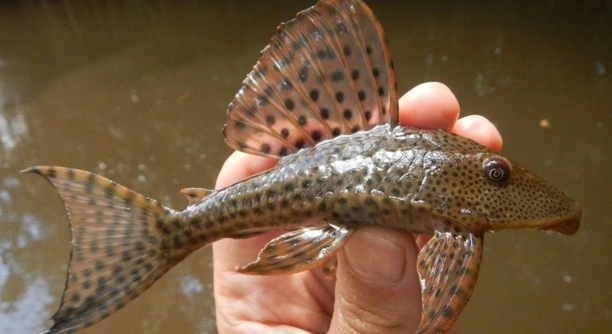
If you own a pleco, you might have noticed some changes in behavior that seem a bit off. While plecos are typically peaceful, they can sometimes show aggression toward other tank mates. Understanding these signs can help you address the problem early.
Plecos can become aggressive due to various reasons such as territorial behavior, stress, or limited space in the aquarium. If left unaddressed, this aggression can harm other fish and cause disharmony in your tank. Identifying the signs early is key.
Recognizing the signs of aggression is the first step. It’s important to know what to look for so you can take action to maintain a peaceful environment for all your fish.
Aggressive Behavior Due to Territory
Plecos can be highly territorial, especially when they feel that their space is being invaded. In aquariums, they may defend certain areas like rocks, caves, or plants, becoming more aggressive toward other fish. This is more common in smaller tanks where there isn’t enough space for everyone. When a pleco feels threatened or crowded, it may display aggressive behaviors like chasing or even biting other tank mates. The aggression can also escalate if there are too many plecos or other bottom-dwelling fish sharing the same environment.
When a pleco becomes territorial, it often focuses on defending its “home” from perceived intruders. This behavior can be managed by rearranging the tank to disrupt the pleco’s territory and make it less defensive.
In cases where territorial aggression is frequent, it’s important to evaluate the tank’s layout. Adding more hiding spots and spreading out decorations can reduce conflict. Offering plenty of shelter for each fish helps reduce the chances of your pleco feeling threatened by others in the tank. A larger aquarium can also make a big difference in reducing territorial behavior.
Stress-Induced Aggression
Stress can be another major reason for aggressive pleco behavior. When plecos experience stress, they may become irritable and lash out at other fish. Common stressors include poor water quality, sudden temperature changes, overcrowding, or lack of food.
Ensuring that the water parameters are stable and within the pleco’s ideal range can help alleviate stress. Regular water changes, proper filtration, and maintaining a consistent temperature will improve your pleco’s health and behavior.
If stress continues to affect your pleco, try observing the tank’s overall condition and remove any stress-inducing elements. Adding more plants, improving tank filtration, and even switching to a quieter aquarium environment can help calm your pleco and prevent aggression from worsening.
Limited Space in the Aquarium
Plecos need space to move around and feel comfortable. When the tank is too small or overcrowded, they can become stressed, leading to aggression. In a cramped space, they may fight over territory and resources, making the tank an uncomfortable environment for everyone.
If your pleco is acting aggressively, consider whether the tank size is suitable for the fish. A pleco can grow quite large, so it’s important to provide enough room for them to swim freely. A larger aquarium will help reduce conflicts and allow the fish to find their own space.
Overcrowding can make plecos more territorial, which results in increased aggression. When adding new fish to the tank, it’s essential to ensure there’s enough space for everyone. If the aquarium is too small, consider upgrading to a larger tank to create a more peaceful and healthier environment.
Competition for Food
Aggression can also arise when plecos compete for food, especially if the tank is home to other bottom-feeding species. Plecos can become territorial over food sources, particularly when there’s not enough to go around. This can result in plecos chasing or pushing away other fish.
To reduce food competition, make sure there’s enough food for all the fish. Offering a variety of sinking pellets, algae wafers, or vegetables can ensure your pleco’s nutritional needs are met without having to fight for a share. It’s also important to feed the pleco in different areas of the tank, so other fish don’t feel threatened.
If food competition persists, consider introducing a feeding routine. Feed the pleco and other fish separately to ensure each one gets enough nutrition without stress. When everyone is well-fed and not competing for resources, the aggression levels should decrease significantly.
Lack of Hiding Spots
Plecos like to have hiding spots where they can rest and feel safe. Without these areas, they can become stressed and more aggressive. Providing caves, rocks, or plants can reduce stress and prevent your pleco from acting out.
If you haven’t already, consider adding more decorations to create hiding spots. This will give your pleco a place to retreat when feeling threatened or overwhelmed. It can also provide the opportunity for other fish to avoid unnecessary encounters.
Incompatible Tank Mates
Certain tank mates can trigger aggression in plecos. Fish that are too active, territorial, or even too large can provoke your pleco into becoming defensive or aggressive. Choosing compatible tank mates is essential.
When selecting tank mates for your pleco, choose peaceful fish that won’t compete for the same space or resources. Avoid other bottom feeders or aggressive fish that might start territorial disputes. This ensures a more harmonious environment.
Poor Water Quality
Dirty water can stress out your pleco and lead to aggressive behavior. High levels of ammonia, nitrites, or low oxygen can make your pleco uncomfortable. Regular water changes and proper filtration are necessary to keep things balanced.
Keeping your tank clean and maintaining proper water quality is essential to your pleco’s well-being. Regular monitoring of water parameters and routine maintenance will ensure a healthy environment that reduces stress and aggression.
FAQ
Why is my pleco being aggressive?
Aggression in plecos is often caused by territorial behavior, stress, lack of space, competition for food, or incompatible tank mates. When plecos feel their environment is crowded or when they are stressed, they may become more defensive or territorial. Additionally, stress from poor water quality or overcrowding can make plecos act out aggressively. It’s important to address these issues by adjusting the tank setup and monitoring water parameters to reduce aggression.
How can I stop my pleco from attacking other fish?
To stop your pleco from attacking other fish, you should first evaluate the tank setup. Ensure there is enough space for all the fish and that the tank has plenty of hiding spots. If food competition is an issue, feed the pleco separately or add more food in different areas of the tank. You can also reduce aggression by choosing tank mates that are compatible with your pleco, avoiding other bottom-feeding species or overly territorial fish.
Do plecos get along with other fish?
Plecos are generally peaceful fish but can sometimes become aggressive depending on the environment. They typically get along well with other peaceful fish, especially species that stay in different areas of the tank. However, plecos may clash with other bottom-dwelling fish or aggressive species that compete for the same space or food.
Can plecos be kept in a tank with multiple plecos?
Multiple plecos in the same tank can lead to territorial conflicts. While some plecos may tolerate the presence of others, others may become aggressive when competing for space or food. To reduce aggression, ensure the tank is large enough to accommodate multiple plecos and provide enough hiding spots to allow them to establish separate territories. In some cases, it’s best to keep a single pleco per tank.
How do I reduce stress in my pleco?
To reduce stress in your pleco, maintain stable water parameters, avoid overcrowding, and provide plenty of hiding spots. Stress can also arise from poor water quality, so regular water changes and proper filtration are essential. A peaceful and spacious environment, free from aggressive tank mates, will also help your pleco feel safe and reduce stress.
How do I know if my pleco is stressed?
Stressed plecos often exhibit unusual behaviors like hiding more than usual, refusing to eat, or swimming erratically. You may also notice color changes, such as a dull appearance, or an increase in aggressive behavior. If your pleco is stressed, check the water quality, tank size, and potential conflicts with other fish.
What size tank does a pleco need?
The size of the tank required for a pleco depends on the species. However, in general, plecos need a minimum of 75 gallons for larger species, and smaller plecos may do well in a 30-gallon tank. Providing plenty of space for swimming, hiding, and establishing territories will help reduce aggression and stress in your pleco.
Can plecos live with other bottom feeders?
While plecos are bottom-dwellers, they may not always get along with other bottom-feeding species. Competition for food and space can cause aggression, especially if there are too many fish in the tank. It’s best to keep plecos with other peaceful species that don’t occupy the same bottom areas or food sources. Make sure to choose tank mates wisely to avoid territorial disputes.
How often should I feed my pleco?
Plecos should be fed once or twice a day, depending on their size and species. They are primarily herbivores, so feed them algae wafers, vegetables, and occasional sinking pellets. If there are multiple fish in the tank, ensure there is enough food to go around to avoid competition. Overfeeding should be avoided as it can pollute the tank.
Do plecos need algae to thrive?
Plecos are known for their algae-eating habits, but they cannot live on algae alone. While algae is an important part of their diet, they also require a varied diet that includes vegetables, sinking pellets, and occasional protein-based foods. Without a balanced diet, plecos may suffer from malnutrition, leading to poor health and potential aggression.
Why is my pleco chasing other fish?
Chasing can be a sign of territorial behavior, especially if the pleco feels that its space is being invaded. It could also be a sign of aggression due to stress or competition for resources like food or hiding spots. If you notice frequent chasing, consider adjusting the tank setup, increasing hiding spots, and evaluating water quality.
Is my pleco stressed or sick?
Stress and illness can share similar symptoms, such as hiding, lethargy, and changes in appearance. To determine whether your pleco is stressed or sick, check the water quality and tank conditions. If the tank environment is stable and your pleco’s behavior doesn’t improve, it may be time to consult a veterinarian or check for signs of disease like discoloration or lesions.
Can I add more fish to my pleco’s tank?
Adding more fish to your pleco’s tank is fine as long as you have the space and proper setup to accommodate the new additions. However, make sure the new fish are compatible with your pleco. Avoid adding aggressive or bottom-dwelling species that could lead to territorial disputes. Introduce the new fish slowly and observe their interactions.
What can I do if my pleco won’t stop being aggressive?
If your pleco’s aggression doesn’t stop, first assess the tank environment. Are there enough hiding spots? Is there enough space for each fish? Ensure the water quality is ideal and that the pleco is not stressed by overcrowding. If aggression persists, you may need to consider removing the aggressive pleco or rearranging the tank to break its territorial habits.
Final Thoughts
Understanding the reasons behind your pleco’s aggressive behavior is crucial for creating a peaceful tank environment. Whether it’s due to territoriality, stress, or poor water quality, knowing what triggers the aggression allows you to address the issue effectively. A healthy pleco is typically calm and peaceful, but when faced with unfavorable conditions, it may become defensive or territorial. By observing their behavior and making necessary adjustments to the tank, you can reduce conflicts and ensure a better living environment for your fish.
Maintaining proper tank conditions is key to preventing aggression. Ensure the water quality is optimal, with regular water changes and good filtration. Keep the tank temperature stable, and provide plenty of hiding spots to give your pleco a sense of security. Additionally, avoid overcrowding the tank, as this can lead to stress and territorial disputes. By giving your pleco space to swim and adequate shelter, you can help minimize aggression and promote a healthier, more harmonious environment for all your fish.
Finally, consider the other fish in the tank. If your pleco is consistently aggressive toward tank mates, it might be due to incompatible species or competition for food and space. Choosing the right tank mates is an important step in preventing conflicts. Peaceful species that don’t crowd the pleco or compete for the same food sources will reduce aggression. With the right setup, your pleco can thrive in a stress-free tank, allowing both it and its companions to live in harmony.

Hello,
If you enjoy the content that we create, please consider saying a "Thank You!" by leaving a tip.
Every little bit helps us continue crafting quality advice that supports the health, happiness, and well-being of pets around the world, for pets of all shapes, sizes, and species.
We really appreciate the kindness and support that you show us!