
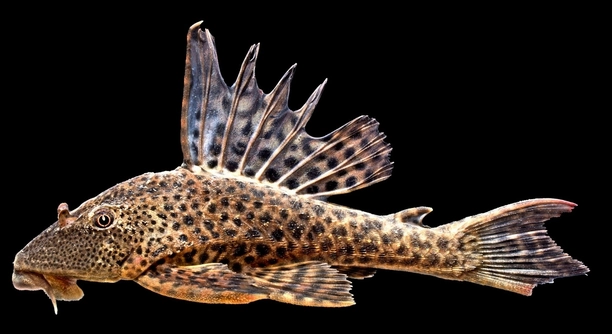
Plecos are unique and interesting fish that thrive in specific conditions. Their habitat plays a significant role in their health and well-being. Understanding what plecos love in their environment can help ensure they remain happy and healthy.
The ideal pleco habitat includes clean water, plenty of hiding spots, proper lighting, and a varied diet. A well-maintained tank with suitable substrates and appropriate water temperature is essential for their growth and comfort.
Providing these elements will help you create the best possible environment for your pleco. Their preferences can make all the difference in their quality of life.
Clean Water and Proper Filtration
Plecos thrive in clean water with stable parameters. It’s crucial to maintain consistent water quality by using a reliable filtration system. A good filter removes excess waste and debris, keeping the tank clean and the water oxygenated. Plecos also appreciate slightly warm water, typically around 75-80°F (24-27°C). Regular water changes and testing for pH levels, ammonia, nitrite, and nitrate will prevent harmful buildups and keep plecos healthy. Poor water quality can lead to stress, weakened immune systems, and illness. Without proper filtration and water care, plecos may struggle to adapt.
Keeping the water clean isn’t just about maintaining clarity but also ensuring a balanced ecosystem. A filter and frequent water changes go hand-in-hand to achieve this.
When setting up a pleco tank, invest in a quality filtration system. It’s an essential step to creating a thriving environment, allowing plecos to stay healthy and active. This is one of the most crucial factors in their well-being.
Hiding Spots and Suitable Decorations
Plecos are shy creatures that need secure hiding spots in their environment. Adding caves, driftwood, or rocks gives them safe spaces to rest and feel secure. These elements also help replicate their natural habitat, where they would hide among submerged logs and crevices. It’s important to provide areas of darkness where plecos can retreat to if they feel stressed or threatened.
Incorporating these hiding spots also encourages natural behavior. Plecos will feel more at ease exploring and swimming in their tank.
Proper Substrate for Plecos
The substrate plays a key role in pleco health. They prefer smooth gravel or fine sand that won’t hurt their delicate barbels. Sharp or rough substrates can cause injury over time. Choose a substrate that is easy to clean and doesn’t trap debris.
A clean substrate helps maintain water quality by preventing waste buildup. It also allows plecos to root around and search for food, which is part of their natural behavior. If you have a heavily planted tank, be cautious of substrates that might disturb the roots of your plants.
The type of substrate also affects the tank’s aesthetics. Smooth gravel or sand not only provides safety for plecos but also enhances the overall appearance of your tank. The right substrate ensures both functionality and a visually appealing setup.
Ideal Tank Size and Space
Plecos need plenty of space to thrive. A small tank can stress them out and limit their movement. For a single pleco, a 75-gallon tank is recommended. The larger the tank, the better.
Adequate space helps plecos establish territories, which is important for their well-being. Crowded tanks can lead to territorial disputes, so it’s best to provide ample space for your pleco to explore and find their own spots. Larger tanks also help maintain stable water conditions.
A spacious tank also supports healthier water conditions by dispersing waste and making it easier to maintain proper filtration. It’s essential for both the pleco and the other inhabitants in the tank to have enough room to thrive.
Proper Lighting for Plecos
Plecos prefer subdued lighting in their environment. Bright lights can stress them, as they are naturally nocturnal. A low to moderate light level mimics their natural habitat, where they hide during the day and become more active at night.
It’s important to choose aquarium lights that don’t overwhelm your pleco. A dim light will allow them to feel secure, creating a more comfortable environment. You can also use lights on timers to simulate day and night cycles, which helps maintain their natural behavior.
Suitable Diet for Plecos
Plecos are omnivores, eating a combination of algae, plant matter, and protein sources. A balanced diet ensures they stay healthy and active. Provide a mix of algae wafers, vegetables like zucchini and cucumber, and occasional protein-rich foods such as brine shrimp or bloodworms.
The right diet supports their digestive health and overall well-being. Plecos benefit from a varied diet that mimics their natural eating habits. Supplementing their meals with fresh vegetables can prevent them from becoming too reliant on processed foods, ensuring they get all the nutrients they need for optimal health.
Tank Mates for Plecos
Plecos generally do well with peaceful tank mates. Avoid aggressive fish, as they can stress plecos, especially in confined spaces. Species such as tetras, guppies, and rasboras make ideal companions. These fish won’t compete for space or food and will allow plecos to thrive in a stress-free environment.
FAQ
How often should I clean my pleco’s tank?
It’s important to clean your pleco’s tank regularly to maintain good water quality. Perform partial water changes every 1-2 weeks, removing about 25-30% of the water each time. The substrate should be vacuumed during water changes to remove debris. Make sure to clean the filter every month to avoid clogging, but don’t over-clean as some beneficial bacteria in the filter help maintain a balanced ecosystem. Regular cleaning ensures your pleco stays healthy and the water remains safe for all tank inhabitants.
What is the best temperature for a pleco tank?
Plecos prefer slightly warmer water, with a temperature range of 75-80°F (24-27°C). Keeping the water temperature stable is essential for their health. Use a reliable aquarium heater to maintain the temperature within this range. Sudden temperature fluctuations can stress plecos and lead to illness. It’s also important to monitor the temperature regularly with a thermometer to ensure it stays consistent.
Can plecos live with other fish?
Plecos are peaceful and generally get along with other fish. They do best in tanks with non-aggressive tank mates. Small, peaceful fish like tetras, guppies, and rasboras work well with plecos. Avoid keeping them with aggressive fish, as plecos are slow-moving and may become stressed. Some species of plecos, especially the larger ones, may be territorial, so providing enough space is key. Ensure your tank has plenty of hiding spots to help your pleco feel secure.
What type of food should I feed my pleco?
Plecos are omnivores, so their diet should consist of both plant matter and protein. You can feed them algae wafers, blanched vegetables like zucchini, cucumber, and spinach, as well as occasional protein-rich foods like brine shrimp or bloodworms. Some plecos, especially the smaller species, also graze on algae naturally. Ensure their diet is varied to prevent nutritional deficiencies. You should also remove any uneaten food to prevent it from fouling the water.
How long do plecos live?
Plecos have a long lifespan, typically living between 10 to 15 years, depending on the species and the quality of their care. Some species can live even longer in the right conditions. Proper water maintenance, a balanced diet, and a suitable tank environment all contribute to extending their life. The more you care for their habitat, the longer your pleco will thrive. Keep in mind that some species of plecos, like the common pleco, can grow quite large, so providing ample space is important for their long-term health.
Why is my pleco not eating?
If your pleco isn’t eating, it could be due to several factors. Water quality is the most common issue, so check your tank’s parameters (pH, ammonia, nitrate levels) to ensure they’re within the appropriate range. Stress from tank mates or a change in environment can also affect their appetite. If the tank is too bright or noisy, plecos may feel insecure and refuse food. It’s also important to make sure you’re offering the right type of food. Sometimes plecos won’t eat if the food isn’t suitable, or they simply aren’t interested in what’s being offered.
Do plecos need a filter?
Yes, plecos need a filter to maintain water quality. They produce waste that can quickly pollute the water if not properly filtered. A good filter helps remove excess debris and ensures the water remains oxygenated. Plecos prefer well-oxygenated water, which is why a filter is essential for their health. Make sure to choose a filter appropriate for the size of your tank. Regular maintenance of the filter will ensure it operates efficiently.
Can plecos be kept in small tanks?
While plecos are small when they’re young, they grow large, and most species require a spacious tank. A single pleco should ideally be kept in a 75-gallon tank, as they need room to swim and explore. Smaller tanks can lead to stress, stunted growth, and poor water quality. If you want to keep a pleco in a smaller tank, consider a smaller species like the Bristlenose Pleco, which only grows to about 4-5 inches. However, even these species need sufficient space to be healthy.
What kind of decorations are safe for plecos?
When choosing decorations for your pleco’s tank, it’s important to ensure they’re safe and won’t harm the fish. Smooth rocks, driftwood, and caves are excellent choices. Plecos love to hide and rest under driftwood, and it also serves as a natural food source since they may scrape off the algae. Avoid sharp-edged decorations that can injure their barbels. Also, be careful with any ornaments that could potentially leach harmful chemicals into the water.
Why is my pleco turning white?
A pleco turning white could be a sign of several health problems. It may be due to a fungal infection, parasites, or stress. If the white patches are fluffy or cotton-like, this could indicate a fungal infection. If the fish is pale all over, it might be due to poor water quality or a lack of nutrition. It’s crucial to examine water parameters and adjust accordingly. If the condition persists, consider consulting a vet experienced in fish care.
Final Thoughts
Caring for plecos requires attention to detail, but with the right setup, these fascinating fish can thrive in your aquarium for many years. They are relatively low-maintenance compared to other aquarium species, but they do require specific conditions to stay healthy. Understanding their natural habitat and providing an environment that mimics it is crucial for their well-being. Proper water quality, the right tank size, and a balanced diet will all contribute to a happy and healthy pleco.
Plecos are not only valuable for their beauty but also for their role in maintaining your aquarium’s cleanliness. They help control algae growth, keeping the tank looking neat. However, their size and diet requirements should be considered before introducing them into your aquarium. Choosing the right species is just as important as setting up the tank. Smaller pleco species are great for smaller aquariums, but the larger ones require much more space to roam and explore.
By offering your pleco a comfortable and secure environment, you are ensuring they can live out their full potential. Regular water changes, a proper diet, and a suitable tank size will prevent common issues like stress and poor water quality. Whether you are a first-time aquarist or an experienced hobbyist, understanding plecos’ needs and behavior will help you provide a suitable home for these peaceful fish. Keeping these key factors in mind will guarantee that your pleco remains a healthy, happy part of your aquatic community.

Hello,
If you enjoy the content that we create, please consider saying a "Thank You!" by leaving a tip.
Every little bit helps us continue crafting quality advice that supports the health, happiness, and well-being of pets around the world, for pets of all shapes, sizes, and species.
We really appreciate the kindness and support that you show us!