
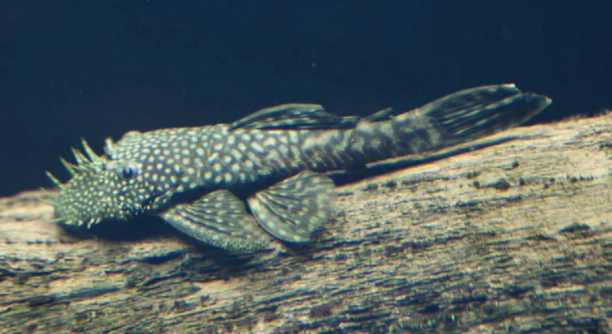
Do you find your pleco constantly suctioning itself to the heater in your tank? Many fish owners notice this behavior and wonder what could be causing it. Understanding the reasons behind this can help ensure your pleco’s well-being.
The most common reason for a pleco to suck on the heater is to seek warmth. Plecos are cold-blooded fish, and they are naturally drawn to heat sources when they feel cold. This behavior may also be related to stress or a lack of sufficient hiding spots.
Exploring the root causes behind this behavior will help you create a comfortable environment for your pleco. Understanding how to make simple adjustments can improve your fish’s health and happiness.
Why Do Plecos Seek Warmth?
Plecos are naturally drawn to heat sources, and the aquarium heater is often the easiest way for them to regulate their body temperature. Being cold-blooded, they need external warmth to stay active. If your pleco is sucking on the heater, it’s probably just trying to stay warm. This behavior is especially common in tanks with water temperatures that may be lower than what the pleco prefers. They are instinctively searching for a spot where they can feel more comfortable.
Sometimes, if the heater is the only heat source in the tank, the pleco may spend extended periods near it. Though it’s completely normal, it’s important to make sure the water temperature stays within the ideal range for the species. If the tank is too cold or too warm, it can cause health issues. Keep an eye on the water conditions to ensure your pleco’s needs are met.
Keeping your pleco warm and comfortable will help it thrive. If you notice your pleco constantly near the heater, it’s worth checking the temperature settings. Adjusting your heater or adding a few more hiding spots can help provide balance.
Other Potential Causes of Stress
Stress can play a major role in unusual behaviors in plecos.
Inadequate space or lack of hiding places might encourage your pleco to seek out the heater as a refuge. When plecos feel unsafe or crowded, they often look for warmth and comfort near the heater. Other environmental factors, such as poor water quality, can also trigger this response. If your pleco is constantly near the heater, it could indicate a more serious issue in the tank. It’s essential to ensure that all aspects of your pleco’s environment are well-maintained, such as filtration and cleanliness, to prevent stress from affecting your fish.
The Importance of Heater Placement
The placement of the heater in your tank can impact your pleco’s behavior. If the heater is too close to the pleco’s usual hiding spots, it may end up gravitating toward it for warmth. Ideally, heaters should be positioned away from areas where your pleco rests. This way, they can move between warmer and cooler spots as needed.
When placing the heater, make sure to avoid corners or areas where water circulation is poor. Stagnant water near the heater can create hot spots that are unhealthy for your fish. This can lead to the pleco staying near the heater constantly, unable to find a balance in water temperature. A good placement allows for better water circulation and even heat distribution, making it easier for your pleco to choose where to swim.
It’s also wise to check if the heater is functioning properly. A malfunctioning heater may create extreme temperature variations, making your pleco seek the heater for stability. Regular checks will ensure your heater isn’t working too hard or causing unsafe temperature changes in the tank.
Adding Hiding Spots and Tank Features
If your pleco is spending too much time by the heater, consider adding more hiding spots in the tank. Plecos naturally seek shelter during the day, especially in the wild where they live among rocks and plants. By providing caves, driftwood, or plants, you give your pleco safer spots to rest and hide away from the heat source.
Adding more structure to the tank also encourages your pleco to explore other parts of the tank, which could help it feel more secure. It can also balance the temperature preferences of the pleco, allowing it to regulate its warmth without depending on the heater. Creating a more natural environment with enough places to hide ensures your pleco is not stressed and can live in a more balanced ecosystem.
A variety of tank features will not only help your pleco find comfort but can also contribute to the health of your tank by improving filtration and water flow.
The Right Water Temperature
Maintaining the proper water temperature is essential for your pleco’s health. Plecos thrive in a range of 72°F to 82°F (22°C to 28°C). If the temperature is outside this range, your pleco may seek warmth near the heater. It’s important to monitor the temperature regularly.
A reliable aquarium thermometer can help you keep track of the water temperature. If it’s consistently low, your pleco may be looking for ways to stay warm. Consider adjusting the heater settings or investing in a more powerful heater if necessary. Water temperature stability is key to your pleco’s comfort.
Water Quality and Cleanliness
Water quality directly impacts your pleco’s behavior. Poor water conditions can cause stress, prompting your pleco to spend time near the heater. Ammonia, nitrites, and nitrates should be monitored regularly to ensure healthy tank conditions. Regular water changes will also help maintain a stable environment for your pleco.
A well-maintained tank with good filtration will encourage your pleco to roam around and avoid staying near the heater. Dirty water may not only cause stress but also lead to health issues, making your pleco’s behavior more erratic. Keeping the water clean is essential for its overall well-being.
Stress Management for Plecos
Plecos are sensitive to stress, which can lead them to seek warmth or comfort near heaters. Creating a peaceful tank environment with minimal disturbances will help reduce this stress. Avoid sudden changes in the water or introducing aggressive tank mates.
FAQ
Why is my pleco constantly sucking on the heater?
Plecos are cold-blooded fish and need external warmth to regulate their body temperature. If your pleco is frequently found near the heater, it’s most likely trying to stay warm. This behavior is typical when the water temperature is too low, and your pleco is seeking out a more comfortable, warmer spot. Keep an eye on the water temperature to ensure it stays within the range your pleco needs to stay healthy.
Can a pleco get too close to the heater?
Yes, a pleco can stay too close to the heater if it feels that the tank is too cold. Prolonged exposure to a heater can be harmful if the temperature fluctuates drastically or if the pleco is unable to move away to cooler areas. Ensure that the heater is placed in a part of the tank with good circulation and not in a corner where the pleco can get trapped or overheated.
Is the heater damaging my pleco?
A heater itself should not harm your pleco if it’s functioning correctly and properly set at the right temperature. However, if the heater malfunctions or the temperature is set too high, it could cause harm. Constant exposure to excessively high temperatures can stress your pleco and may even lead to burns or other health problems. Regularly check the heater’s settings and the water temperature to prevent this.
Can poor water quality cause my pleco to stay near the heater?
Yes, poor water quality can contribute to stress in your pleco, and this stress can cause it to seek out the heater for comfort. High levels of ammonia, nitrites, or low oxygen can make your pleco feel unsafe, prompting it to stay close to a heat source. Regular water changes and proper filtration are essential for keeping your pleco healthy and comfortable.
How do I know if my pleco is stressed?
Signs of stress in a pleco include unusual behaviors like staying near the heater, swimming erratically, or hiding more than usual. If your pleco is not eating, or its fins are clamped, these could also be signs of stress. A stressed pleco may also have a duller color compared to a healthy, comfortable one. Look for changes in behavior and address any potential stressors in the tank.
What temperature should I set my aquarium heater to for a pleco?
The ideal temperature range for most plecos is between 72°F and 82°F (22°C to 28°C). Within this range, your pleco will be more active and healthy. It’s important not to let the temperature go too high or low, as extremes can lead to stress and health problems. Keep the temperature stable by checking it regularly with a thermometer.
Should I move the heater if my pleco is always near it?
It may be a good idea to move the heater if your pleco is consistently near it. If the heater is located in a spot where water circulation is poor, it could create hot spots that your pleco may constantly seek. By placing the heater where the water flows better, you allow for more even temperature distribution, giving your pleco the option to find cooler areas if it needs them.
Are plecos nocturnal, and could that be why they stay near the heater at night?
Yes, plecos are nocturnal creatures, meaning they are more active at night. During the day, they often rest in caves or hidden spots. At night, they may venture out to explore the tank or search for food. If they are near the heater, it might be because they are drawn to the warmth, especially if the water is cooler during the night.
Can my pleco get along with other fish if it stays near the heater?
Plecos generally do well with other peaceful fish. However, if your pleco spends too much time near the heater due to stress or discomfort, it could be a sign that it feels threatened or crowded. Make sure your tank has enough space and hiding spots to allow all fish to coexist peacefully. Aggressive or territorial tank mates could also cause your pleco to hide near the heater more often.
How can I prevent my pleco from staying too close to the heater?
Start by adjusting the tank environment. Add more hiding spots, caves, or plants that will give your pleco the ability to move around and find comfort away from the heater. Ensure that the heater is not positioned in a corner or in an area with poor water circulation. Monitor the water temperature regularly to ensure it’s within the ideal range for your pleco. If stress is the issue, reduce tank disturbances and provide a calm environment.
Can a pleco live in cooler water without using the heater?
Plecos are tropical fish and need warmer water to thrive. While they may survive in slightly cooler water for a short period, it can stress them and lead to health problems over time. Using a heater is essential for providing a consistent temperature that suits their needs. If you cannot maintain the correct temperature, it may be difficult to keep your pleco healthy and comfortable in your tank.
Final Thoughts
If you notice your pleco constantly suctioning itself to the heater, it’s usually trying to find warmth. Since plecos are cold-blooded, they rely on external heat sources to maintain their body temperature. If the water temperature is too low or unstable, your pleco may spend more time near the heater. This behavior is natural but can signal that your tank may need some adjustments to make sure your pleco feels comfortable and safe. Regularly checking the water temperature and ensuring your heater is functioning correctly is a simple way to prevent this issue.
Adding hiding spots and improving water quality can also help reduce stress and prevent your pleco from relying too much on the heater. Plecos enjoy having a place to hide and feel secure. Providing caves, driftwood, and plants not only creates a more natural environment for your fish but also gives them a chance to explore different parts of the tank. A well-maintained tank with proper filtration and clean water can reduce stress, making it less likely for your pleco to seek warmth from the heater.
Overall, while it’s normal for a pleco to be near the heater in some cases, it’s important to make sure that the heater is not the only place it feels comfortable. Maintaining a stable temperature, offering hiding spots, and improving water quality are key factors in ensuring your pleco remains happy and healthy. By making a few simple adjustments, you can help your pleco thrive without relying too heavily on the heater.

Hello,
If you enjoy the content that we create, please consider saying a "Thank You!" by leaving a tip.
Every little bit helps us continue crafting quality advice that supports the health, happiness, and well-being of pets around the world, for pets of all shapes, sizes, and species.
We really appreciate the kindness and support that you show us!