
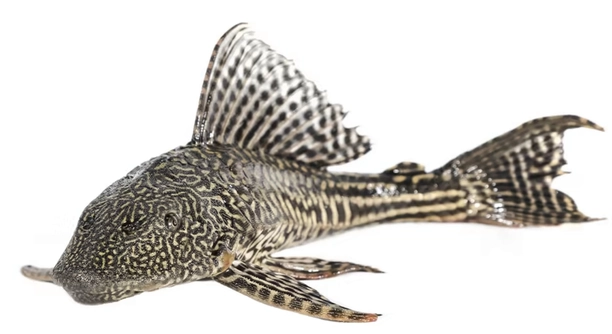
Plecostomus are popular aquarium fish known for their algae-eating abilities, but choosing between a male or female can be tricky. This decision often comes down to personal preference and what you’re hoping to achieve in your tank.
The main difference between male and female plecostomus lies in size and shape. Males tend to be smaller and slimmer, while females are generally larger and more robust, especially during breeding season.
Understanding the differences in their behavior, care needs, and size will help you make an informed decision on which plecostomus is right for you.
Differences in Size and Shape
Male plecostomus are typically smaller and more slender than their female counterparts. During breeding season, this difference becomes more noticeable. Males develop specialized structures like larger pectoral fins, which help them grip onto surfaces while seeking mates. Females, on the other hand, grow larger and rounder, especially when carrying eggs. This size difference is important for breeding purposes but does not affect their ability to clean your tank. Whether you choose a male or female, both will perform similar tasks in terms of algae cleaning, but understanding the size variance is useful for tank planning.
Males are more active swimmers and more likely to explore different areas of the tank. Females, while also active, spend more time in hiding spots, particularly when they are carrying eggs.
In terms of care, there are no significant differences in feeding or general maintenance between males and females. The behavior of both genders is similar, with both being peaceful and non-aggressive toward other fish. Males may be a little more territorial, especially during mating seasons, but this is generally not a problem unless you have multiple plecostomus in one tank. If you’re setting up a breeding tank, it’s important to have both genders, but for regular tank cleaning, one plecostomus—either male or female—will suffice.
Behavior and Care
Male plecostomus tend to be more active and curious.
In contrast, female plecostomus are often more passive, especially when breeding. Both males and females are known for their algae-eating habits, which makes them valuable additions to most tanks. Males can occasionally display territorial behavior when vying for a mate, though this is usually harmless and can be managed with tank space. It’s important to ensure your tank has enough hiding spots for females, especially when they are carrying eggs.
Tank Size and Space Requirements
Both male and female plecostomus need plenty of space to swim and explore. A minimum of 30 gallons is recommended for one plecostomus, but larger tanks are ideal, especially if you want to add other fish. The more space you provide, the less likely they are to feel territorial.
Males may become more active and explore more areas of the tank, so providing hiding spots and flat surfaces for them to attach to is essential. Females, due to their larger size, might require more space for comfort, especially during breeding season. Having plenty of space ensures both genders can thrive without stress.
Plecostomus are generally low-maintenance when it comes to space, but overcrowding can lead to territorial disputes, especially during mating. It’s important to consider the size of your tank before introducing multiple plecostomus. Ensuring enough space will also help maintain good water quality, which is crucial for their health and well-being.
Diet and Feeding
Male and female plecostomus have similar dietary needs.
They are primarily herbivores, consuming algae, plant matter, and sinking wafers. Males and females are both capable of eating algae off rocks and glass surfaces in the tank. However, their diet may need to be supplemented with specialized food like vegetable tablets to meet their nutritional requirements.
When feeding plecostomus, it’s important to keep in mind that their size can affect how much food they need. Larger females may eat more than smaller males, so you may need to adjust the quantity accordingly. They also tend to graze throughout the day, so provide food that can sink to the bottom of the tank. Proper nutrition helps ensure they stay healthy and active, regardless of gender.
Breeding Behavior
Breeding behavior differs slightly between males and females.
Males will often seek out females and create a space for them to lay eggs. They may chase females or display their fins during mating. Females are more passive during this process, usually only engaging when ready to lay eggs.
Males tend to take on a more active role in protecting the eggs once they are laid. After fertilization, males guard the eggs, ensuring that no other fish disturb them. Females typically leave once the eggs are laid and do not stay to guard them. This behavior ensures that the eggs are safe until they hatch.
Lifespan
Plecostomus typically live for 10 to 15 years.
Both males and females can live long, healthy lives if provided with proper care, such as regular water changes and a balanced diet. Although their lifespans are similar, their health can be impacted by tank conditions, including water quality and tank mates. Proper care can extend their lives.
FAQ
What is the difference between male and female plecostomus?
Males tend to be smaller and slimmer than females, with the male’s pectoral fins being larger. Females are generally rounder and bigger, especially when they are carrying eggs. These differences are most noticeable during breeding seasons. While both genders serve the same purpose in tank maintenance, their size and behavior differ slightly.
Are male plecostomus more aggressive than females?
Males can show territorial behavior, especially during breeding seasons. They may chase or display their fins to impress females. However, they aren’t typically aggressive unless competing for mates. Females are generally more passive and spend more time hiding, particularly when carrying eggs.
Do male and female plecostomus have different care needs?
The care needs for both male and female plecostomus are almost identical. Both require clean, well-maintained water, and a diet that includes algae and sinking food. The only notable difference is that females may need a bit more space due to their larger size, especially during breeding.
Can you keep multiple plecostomus in the same tank?
It’s possible to keep multiple plecostomus in the same tank, but you need to ensure that there is enough space. Males may become territorial, especially if they are competing for mates. You should provide plenty of hiding spots and flat surfaces for each plecostomus to avoid conflicts.
How do you tell if a plecostomus is male or female?
To determine if a plecostomus is male or female, look for physical differences. Males are usually smaller, with more pronounced fins. They may also have a slimmer body. Females tend to be larger and rounder, especially when carrying eggs. These characteristics are more noticeable during breeding seasons.
Do plecostomus breed easily in captivity?
Breeding plecostomus in captivity can be a challenge. While they are capable of breeding, it requires specific conditions, such as a breeding cave or flat surface, and stable water conditions. Females lay eggs, and males guard them until they hatch. However, if breeding is not your goal, one plecostomus will suffice for tank cleaning.
How often should I feed my plecostomus?
Plecostomus are bottom feeders and graze throughout the day. To ensure they stay healthy, provide food once or twice a day, including algae wafers or vegetable-based tablets. They also enjoy grazing on natural algae in the tank. Overfeeding can cause water quality issues, so be mindful of the amount of food you offer.
What is the lifespan of a plecostomus?
Plecostomus can live anywhere from 10 to 15 years, provided they are cared for properly. Regular water changes, good tank mates, and a balanced diet are essential for maintaining their health. A well-kept environment will allow them to reach their full lifespan.
Do plecostomus need a specific water temperature?
Plecostomus thrive in water temperatures between 74°F and 80°F (23°C to 27°C). It’s important to keep the water stable and avoid large temperature fluctuations. Sudden changes in temperature can stress your plecostomus and lead to health problems.
Can plecostomus live with other fish?
Plecostomus are peaceful fish and typically get along with other species. They are bottom feeders and usually leave other fish alone. However, they might compete for space with other bottom dwellers. Make sure to choose tank mates that are not overly aggressive or territorial.
Do plecostomus need hiding spots in the tank?
Yes, plecostomus need hiding spots to feel secure, especially females during breeding. Providing caves or other structures where they can hide will help them feel safe and reduce stress. Even though they are peaceful, having a private space can keep them from becoming territorial.
How do I keep my plecostomus healthy?
To keep your plecostomus healthy, maintain good water quality by performing regular water changes. Offer a varied diet of algae wafers, sinking pellets, and fresh vegetables. Make sure your tank is appropriately sized for the number of plecostomus and avoid overcrowding. Regular monitoring of their behavior and health is also key to preventing any issues.
Can plecostomus survive in freshwater or saltwater?
Plecostomus are freshwater fish and should only be kept in freshwater tanks. They are not equipped to handle saltwater environments. Keeping them in saltwater can cause stress and even death, so always ensure the tank is properly set up with freshwater conditions.
Are plecostomus difficult to care for?
Plecostomus are relatively easy to care for, as long as you provide them with a proper environment. Regular water changes, a balanced diet, and enough space are the key to keeping them happy and healthy. They do not require complicated care routines, but neglecting their basic needs can lead to problems.
Final Thoughts
Choosing between a male or female plecostomus largely comes down to personal preference and the specific needs of your aquarium. While both genders share similar care requirements, the size difference between males and females can play a role in how they fit into your tank. Males tend to be smaller and more active, while females are typically larger and may need more space, especially when carrying eggs. If you’re looking to add just one plecostomus for algae control, either gender will work well. However, if you’re considering breeding, it’s essential to have both males and females to ensure successful reproduction.
Understanding the behavior of plecostomus, regardless of gender, is key to maintaining a healthy tank environment. They are peaceful and generally get along with most other fish. However, males can become more territorial during breeding, so providing plenty of hiding spots and space is crucial to avoid conflicts. Females, on the other hand, may become more passive, especially when carrying eggs. Their larger size might make them less active, but they are still efficient at cleaning algae. Regardless of gender, plecostomus will continue to provide excellent tank cleaning services, contributing to a cleaner and healthier environment for your other fish.
Ultimately, the choice between a male or female plecostomus should be based on your tank’s size, the space you can provide, and whether you plan to breed. Both genders make wonderful additions to any freshwater aquarium and are easy to care for. With the right tank setup, feeding routine, and water quality management, plecostomus—whether male or female—can live for many years, enhancing your aquarium’s ecosystem. Pay attention to their needs and ensure they have enough space to thrive, and you’ll enjoy their algae-eating abilities for a long time.

Hello,
If you enjoy the content that we create, please consider saying a "Thank You!" by leaving a tip.
Every little bit helps us continue crafting quality advice that supports the health, happiness, and well-being of pets around the world, for pets of all shapes, sizes, and species.
We really appreciate the kindness and support that you show us!