
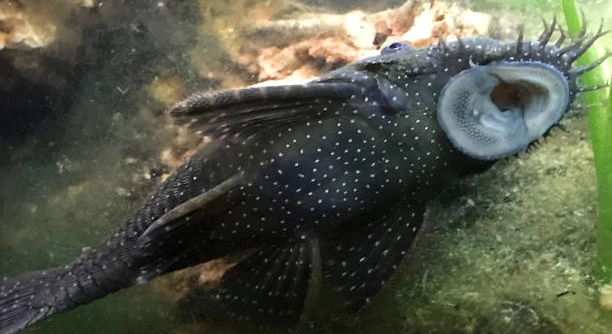
Do you ever find yourself wondering what baby plecos should eat to stay healthy and grow strong in their aquarium home?
Baby plecos eat a mix of algae, vegetables, protein-rich foods, and specialized pellets. These items support their growth and help mimic the natural diet they would follow in the wild.
Feeding them the right foods from the start ensures they develop properly and stay active as they grow in your care.
Algae – A Natural Staple
Algae is often the first food baby plecos start nibbling on. In the wild, they graze on algae-covered rocks and surfaces. In your tank, algae naturally grows on decorations, glass, and substrate, giving baby plecos something to feed on throughout the day. It’s soft, easy to digest, and full of nutrients that support their early development. You don’t need to add algae separately if it’s already growing in your aquarium. However, if your tank is too clean or new, consider using algae wafers as a supplement. These wafers can break down into smaller pieces that baby plecos can easily nibble on. Just make sure not to overfeed, as uneaten food can lower water quality. Algae plays a key role in establishing a stable feeding routine and should be considered one of their most natural and essential food sources, especially in the early weeks of their life.
Algae helps baby plecos develop stronger digestive systems and provides energy for their constant movement and growth.
If you notice your tank doesn’t have enough algae, try adding algae wafers a few times a week. These wafers mimic natural growth and are easy for young plecos to eat. Look for varieties made with spirulina or freshwater algae blends.
Blanched Vegetables – Gentle and Nutritious
Soft vegetables are easy for baby plecos to eat and provide key nutrients.
Blanched vegetables are one of the best ways to offer fresh, plant-based nutrition. Zucchini, cucumber, spinach, green beans, and peas are all safe options. To prepare, slice them into thin pieces and boil for a couple of minutes until soft. Once cooled, you can place them directly in the tank. Baby plecos will nibble on the soft edges, slowly eating their way through the vegetables. This helps prevent digestive problems and supports healthy growth. It’s also a great way to introduce variety to their diet early on. Make sure to remove any uneaten vegetable parts after a few hours to avoid fouling the water. Offering vegetables two to three times a week is enough. Overfeeding can lead to mess and water issues. It’s best to rotate different vegetables so your plecos receive a good range of nutrients without getting bored of the same food every time.
Protein-Rich Foods – Small Bites for Growth
Baby plecos need protein to grow, especially during their early weeks. They won’t eat large chunks, so it’s important to choose soft or tiny options that break apart easily in water.
Crushed shrimp pellets, daphnia, and baby brine shrimp are all good choices. These offer a protein boost and mimic the natural meaty bits plecos might find in the wild. Feed small amounts, just enough for them to finish in a few hours. Uneaten protein can quickly spoil the water. Start with protein foods two to three times a week and watch how the baby plecos react. If they show interest and finish it all, you’re likely giving the right amount. It’s also helpful to alternate between plant-based and protein foods throughout the week. This gives their bodies time to process everything properly and keeps them from becoming too dependent on a single food type.
Some baby plecos will take time to adjust to protein-rich foods. Keep portions small and break food into tiny pieces if needed. Observe their behavior during feeding—if they ignore or swim away from it, try again later. Some foods may take a few tries before they warm up to them. Over time, they’ll learn to nibble consistently.
Sinking Pellets – Easy to Reach
Sinking pellets are ideal because baby plecos feed near the bottom of the tank. Choose small, soft pellets that break apart easily. This makes it easier for them to eat and digest.
Feed once a day in small amounts. Make sure the pellets don’t sit too long in the tank or they can affect water quality.
Driftwood – More Than Decoration
Driftwood isn’t just for looks—it also plays a role in a baby pleco’s diet. Certain species, like the Bristlenose pleco, naturally rasp on wood. The soft fibers help with digestion and mimic their natural feeding habits. Use safe, aquarium-approved driftwood and rinse it before adding it to the tank. Over time, the wood will soften, and baby plecos will graze on it as they please. This is a passive food source that supports gut health without requiring extra work from you. You can leave it in the tank long-term and it won’t harm water quality when properly maintained.
Algae Wafers – A Reliable Backup
Algae wafers work well when natural algae isn’t enough. They’re made to sink and soften quickly, making them easy for baby plecos to eat. Choose wafers with natural ingredients like spirulina for added nutrition.
FAQ
How often should baby plecos be fed?
Baby plecos should be fed once or twice a day, depending on their size and activity level. Smaller plecos may benefit from two small meals daily, while slightly older ones can do well with one. Try not to overfeed, as leftover food can lower water quality and stress the fish. Observe how much they eat within a few hours and remove any leftovers. Keeping a steady feeding routine helps them grow consistently and stay healthy. It’s okay to skip a day once in a while to let their digestive system reset, especially if you’ve fed them heavier foods.
Can baby plecos eat the same foods as adult plecos?
They can eat many of the same foods, but the size and texture need adjusting. Baby plecos need softer and smaller pieces to handle with their developing mouths. For example, while an adult pleco might chew on a thick slice of zucchini, a baby will need a thinner, blanched piece that’s easy to nibble on. Protein foods and algae wafers should be crushed or softened for easier feeding. Over time, as they grow, you can begin offering the same portions and textures that adult plecos eat, but always monitor to make sure they’re not struggling.
What should I do if my baby pleco isn’t eating?
If your baby pleco isn’t eating, start by checking water conditions. Poor water quality often leads to stress, which lowers appetite. Test for ammonia, nitrite, and nitrate levels, and do a partial water change if needed. Make sure the food is appropriate—small, soft, and placed near where they rest. Sometimes, baby plecos eat at night, so it may seem like they’re not eating when they actually are. You can try turning off the light and placing a small amount of food before bed. If they still don’t eat after a few days, it may be due to stress, overcrowding, or illness, and it’s best to isolate them for observation.
Do baby plecos need supplements or added nutrients?
They usually get what they need from a balanced diet of algae, vegetables, protein foods, and sinking pellets. However, you can use high-quality fish foods that contain added vitamins or spirulina for a small boost. Most healthy baby plecos don’t need extra supplements unless they’re recovering from illness or not eating a varied diet. It’s better to focus on rotating their foods weekly to give them a natural mix of nutrients. Keep their environment clean, warm, and calm so their bodies can use nutrients properly.
How long does it take for baby plecos to grow?
Growth depends on species, diet, and tank conditions. On average, most baby plecos grow steadily over the first 6 months and reach a few inches in length by then. Good water quality, proper temperature, and a balanced diet help them grow faster. If conditions are ideal, you’ll notice consistent growth each month. Feeding a variety of foods speeds up development and keeps their coloration rich. Don’t be alarmed if some grow faster than others—it’s common, especially in mixed tanks. Consistency in care is more important than fast results.
Is it okay to keep baby plecos with other fish?
Yes, but choose peaceful tank mates. Baby plecos are shy and can be stressed by aggressive fish or those that compete for food. Keep them with other bottom-dwellers or calm community fish that won’t outcompete them. Make sure there’s enough hiding space and that food reaches the bottom. Spread food around different spots in the tank to avoid crowding. If you notice your baby plecos hiding too much or not eating, it could be due to stress from other fish. In that case, consider moving them to a quieter tank or giving them more cover.
Can I raise baby plecos without live plants?
Yes, you can raise baby plecos in tanks without live plants. However, live plants can help stabilize water parameters and provide natural grazing areas. They also help reduce nitrate levels, which supports healthy growth. If you choose not to include plants, make sure the tank has stable conditions, hiding spots, and surfaces where algae can grow. Some aquarists use artificial plants or simple decorations instead. As long as the baby plecos have access to the right foods and a safe space, they’ll grow just fine without live plants.
Final Thoughts
Feeding baby plecos doesn’t have to be complicated. The key is offering a balanced mix of algae, soft vegetables, protein, and sinking pellets. Each food type helps them grow strong, stay active, and develop a healthy digestive system. It’s important to pay attention to what they eat and how much they finish. Uneaten food can affect water quality, which might slow down their growth or make them sick. Try feeding small portions and adjusting based on how they respond. Their needs can change as they grow, so staying flexible with your feeding schedule and food types will help you keep up.
Providing the right environment also plays a big role. Clean water, stable temperature, hiding spaces, and calm tank mates all support healthy eating habits. Driftwood and soft surfaces allow them to rasp naturally, while algae in the tank gives them a steady food source between meals. Live plants can also make the tank more stable and offer more spots to explore. It’s not just about feeding—it’s about creating a space where baby plecos feel safe, active, and comfortable enough to eat and grow. If your tank is well-maintained and quiet, baby plecos will likely stay healthy and adapt quickly to their feeding routine.
Watching your baby plecos grow over time can be rewarding. You’ll start to notice their color deepen and their size increase, especially when their diet and environment stay consistent. Every pleco has a slightly different personality—some may prefer certain foods or feeding times. Learning these little habits can help you give better care. You don’t need a complicated setup or expensive supplies to raise them properly. Just keep their meals simple, their space clean, and be patient. A thoughtful, steady approach to feeding and care can go a long way in raising healthy, active plecos that thrive in your tank.

Hello,
If you enjoy the content that we create, please consider saying a "Thank You!" by leaving a tip.
Every little bit helps us continue crafting quality advice that supports the health, happiness, and well-being of pets around the world, for pets of all shapes, sizes, and species.
We really appreciate the kindness and support that you show us!