
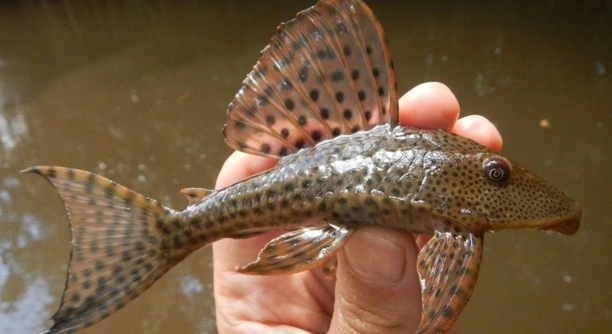
Having a Pleco in your aquarium can be a rewarding experience, but it’s important to ensure their environment is well-suited to their needs. These fascinating fish thrive in specific conditions, and understanding how to meet them is key.
To make your tank more Pleco-friendly, you must focus on providing the right environment, water quality, food, and tankmates. Simple changes like adding hiding spots, maintaining proper filtration, and offering a variety of foods can improve your Pleco’s health and happiness.
With a few simple adjustments, you can enhance the well-being of your Pleco and create a comfortable environment. These changes will help your tank become a better place for your Pleco to thrive.
1. Ensure Proper Tank Size
The size of your tank plays a huge role in making it Pleco-friendly. Plecos are often larger fish, and they need ample space to swim and explore. A tank that is too small can lead to stress, health issues, and a shorter lifespan. For a single Pleco, a minimum of 30 gallons is recommended, but larger tanks are always better. More space allows for better water circulation and reduces the build-up of waste, both important for your Pleco’s health. Keep in mind that Plecos can grow up to 24 inches, so make sure your tank is spacious enough to accommodate their size.
Larger tanks also help with maintaining water parameters more easily. It is easier to keep the water quality stable when the space is bigger, and your Pleco will benefit from this. Consider upgrading to a larger tank as your Pleco grows, especially if you started with a smaller one.
Providing a tank that allows your Pleco to grow comfortably reduces stress and encourages natural behavior. You will also notice that your Pleco becomes more active and happy, and overall, the tank will be healthier. This small investment goes a long way in keeping your Pleco thriving.
2. Maintain Clean Water
Water quality is crucial for Plecos. They need clean, well-filtered water to stay healthy. The first step in ensuring this is having a good filtration system. A quality filter helps remove excess waste and maintain stable water parameters, such as pH, ammonia, and nitrate levels. Regular water changes are also important, as they keep the water fresh and remove harmful toxins. Test the water regularly to ensure it falls within the recommended ranges for Plecos.
Plecos are known to produce a lot of waste, and this waste can quickly deteriorate water quality. By ensuring your filter is up to the task and doing routine maintenance, you can avoid common issues like algae overgrowth and poor oxygen levels. Also, Plecos tend to be sensitive to temperature changes, so a heater might be necessary to keep the water temperature consistent.
Taking care of your water quality might seem like a lot of work, but it’s the most important thing for your Pleco’s well-being. A little extra effort in keeping the tank clean will ensure a longer, healthier life for your fish. Regular water testing and proper filtration go hand-in-hand in achieving a balanced tank.
3. Offer Suitable Hiding Spots
Plecos are nocturnal and enjoy having hiding spots in their tank to feel secure. Offering caves, plants, or even driftwood allows your Pleco to retreat when they need rest. These hiding spots are essential to reducing stress, especially for Plecos in tanks with other more active fish. Plecos feel safest when they can rest out of sight from other tankmates.
The right hiding spots can also mimic the Pleco’s natural environment. In the wild, they seek out crevices in rocks and logs. Providing similar hiding places gives your Pleco a sense of comfort and encourages natural behavior. It’s also a good idea to add multiple hiding spots to avoid territorial disputes with other fish.
By offering plenty of hiding places, you provide your Pleco with a space where it can feel safe and secure. This is vital for its mental and physical health. The more opportunities your Pleco has to hide, the more likely it is to thrive and feel comfortable in its environment.
4. Provide a Balanced Diet
A Pleco’s diet is just as important as the tank setup. While Plecos are known for eating algae, they need a more varied diet to stay healthy. A combination of algae wafers, fresh vegetables like zucchini and cucumber, and occasional protein sources like brine shrimp will keep your Pleco well-fed. The right diet ensures that they get all the essential nutrients, which helps with growth and overall health.
Many Plecos will also benefit from wood in their tank, as some species eat it to aid digestion. Driftwood provides the necessary fibers, and it can be an added source of food, depending on the type of Pleco. Always ensure you are feeding your Pleco the right mix of foods to avoid malnutrition.
By offering a variety of foods, you ensure that your Pleco stays active and healthy. Avoid relying solely on algae to feed your fish. A diverse diet will support a long and healthy life for your Pleco, keeping it happy and well-nourished. A balanced approach to feeding can also prevent behavior problems related to poor nutrition.
5. Choose Compatible Tankmates
Choosing the right tankmates for your Pleco is key to creating a peaceful and healthy environment. Plecos are generally peaceful, but they can become territorial if overcrowded or if tankmates are overly aggressive. When selecting companions, make sure they are similarly calm and non-aggressive. Smaller fish or fish that swim in different areas of the tank often make good choices.
You should also avoid tankmates that might harass or nip at the Pleco, as this will cause stress and could lead to health problems. Fish that swim at the surface are ideal companions, as they won’t compete for space near the bottom where your Pleco spends most of its time. Adding a variety of tankmates that respect the Pleco’s space ensures a harmonious environment for everyone.
Compatibility plays a large role in maintaining a stress-free aquarium. When choosing tankmates, consider the activity level and behavior of each species. A calm, balanced tank benefits both the Pleco and its tankmates, ensuring a peaceful, thriving aquarium.
6. Keep the Tank Well-Planted
Plecos appreciate plants in their tank, not just for decoration but also for shelter and grazing. Plants help mimic their natural environment, offering hiding spots and contributing to water quality by absorbing excess nutrients. By adding live plants, you not only provide your Pleco with a more enriching habitat but also help maintain healthy water conditions. Some species of Plecos will even nibble on plants, which can contribute to their diet.
When selecting plants, be sure to choose species that are hardy and can survive the tank’s conditions. Hardy plants like Java fern or Anubias work well in a Pleco tank as they don’t require constant care and are more resistant to nibbling. Plants also help improve oxygen levels and remove excess nutrients from the water.
A planted tank creates a more natural, comfortable environment for your Pleco. Adding plants adds beauty to the tank, enhances filtration, and gives your Pleco a chance to explore. A tank with healthy plants provides both aesthetic value and functional benefits for your Pleco’s habitat.
7. Monitor Tank Conditions Regularly
Regular monitoring of your tank conditions ensures that everything stays in balance. It’s important to keep track of water temperature, pH levels, and ammonia/nitrite/nitrate levels. These parameters can fluctuate, and monitoring helps you catch any problems early before they affect your Pleco. Invest in a reliable water testing kit and perform tests at least once a week.
Plecos can be sensitive to changes in water quality, so maintaining consistent conditions is essential. This includes keeping an eye on the temperature, as sudden changes can cause stress. Similarly, make sure your filter is running efficiently to handle the waste produced by your Pleco.
By staying on top of tank conditions, you ensure your Pleco has a stable and healthy environment. It may take some time and effort, but regular monitoring will lead to a thriving aquarium where your Pleco can flourish.
8. Maintain Proper Lighting
Lighting plays a significant role in your Pleco’s environment. Plecos prefer low to moderate light, as they are naturally nocturnal. Too much light can stress them out and lead to health problems, so it’s essential to avoid harsh, bright lighting. Invest in a good aquarium light with adjustable settings to control the brightness.
Having proper lighting also helps create a more natural day-night cycle, which can help regulate your Pleco’s behavior. A timer for your tank lights will mimic natural sunlight patterns, allowing your Pleco to rest during the day and be more active at night. This routine helps them feel secure.
Additionally, some species of Plecos may prefer dimly lit environments with a few shaded areas to retreat to. Proper lighting helps balance the needs of your Pleco while also enhancing the visual appeal of your aquarium. By adjusting the light to suit their preferences, you promote a healthier and less stressful habitat.
9. Prevent Algae Overgrowth
Algae growth is a common issue in aquariums with Plecos, and while they help control it, overgrowth can still occur. Too much algae can create an imbalance in water quality and potentially harm your Pleco’s health. It’s important to regularly clean your tank and manage the algae growth.
Plecos love to munch on algae, but they cannot completely control large amounts. To help prevent excessive algae growth, reduce the amount of light the tank receives. You can also reduce the nutrients that encourage algae, such as overfeeding or leaving uneaten food in the tank.
If algae starts to get out of control, using an algae scraper or a specific cleaning tool can be helpful. Make sure to clean the tank carefully without stressing the Pleco. Maintaining balance by controlling both lighting and nutrients will help keep algae at manageable levels and ensure the environment remains healthy. A clean tank is beneficial for your Pleco and any other fish you may have.
10. Keep the Tank Temperature Stable
Maintaining a consistent temperature is crucial for your Pleco’s well-being. They thrive in stable water conditions, typically between 74-80°F. Sudden temperature shifts can cause stress and even illness. Use a reliable heater and thermometer to monitor the tank’s temperature.
Avoid placing the tank near windows or heaters, as these areas can cause fluctuating temperatures. A consistent environment allows your Pleco to stay healthy and active, promoting better digestion and overall comfort. Regular checks on the temperature will help prevent any sudden changes that could negatively impact your fish’s health.
11. Avoid Overcrowding
Overcrowding is a common mistake when keeping Plecos. When there are too many fish in the tank, it leads to poor water quality and can increase stress for all the fish. Keep the tank at an appropriate stocking level to ensure a healthy environment for your Pleco.
It’s important to provide your Pleco with space to swim and find food without competing with other fish. This reduces stress and improves the overall well-being of your Pleco. If you notice aggressive behavior or overcrowding, consider upgrading the tank or removing excess fish.
12. Regularly Check for Signs of Illness
Plecos are generally hardy, but they can still get sick. Watch for signs like loss of appetite, discoloration, or abnormal swimming behavior. Early detection can prevent the spread of illness to other fish and improve your Pleco’s chances of recovery.
If you notice any symptoms of illness, isolate the sick Pleco in a separate tank for treatment. Keep an eye on the water parameters as changes can lead to illness. Regular monitoring of both the fish and the environment can prevent potential health issues.
FAQ
How often should I clean my Pleco tank?
Cleaning your Pleco tank depends on several factors, including tank size, filtration, and the number of fish. In general, you should do partial water changes every 1-2 weeks. For tanks with multiple fish or a smaller setup, you might need to clean more frequently. Always remove any uneaten food to prevent waste buildup. In addition to water changes, regularly clean the substrate and decorations to prevent algae and waste accumulation.
Do Plecos need a special type of substrate?
While Plecos do not require a specific type of substrate, they do appreciate fine gravel or sand. These types of substrates are easier on their sensitive barbels. Avoid sharp or coarse substrates, as they can irritate their skin and barbels, which they use to search for food. The substrate should also be deep enough to allow for the Pleco to forage and root around.
Can I keep more than one Pleco in the same tank?
Yes, you can keep more than one Pleco in the same tank, but it depends on the species. Some Plecos can be territorial, especially if the tank is too small. It’s important to have plenty of hiding spots and a large enough tank to avoid territorial behavior. In general, it’s recommended to keep only one Pleco per tank unless you have a very large aquarium and have researched the species’ specific needs and behaviors.
What do Plecos eat besides algae?
Although Plecos are known for eating algae, they need more than just that to stay healthy. Offer them a variety of foods, such as algae wafers, zucchini, cucumber, and spinach. Occasionally, you can feed them protein-rich foods like brine shrimp or bloodworms. Providing a balanced diet ensures your Pleco gets the nutrients needed for growth and overall well-being.
How can I prevent my Pleco from becoming too stressed?
Stress can negatively affect your Pleco’s health, so creating a calm and stable environment is key. Make sure your tank has plenty of hiding spots for your Pleco to retreat to when it needs rest. Keep the water clean, and avoid overcrowding the tank. Additionally, make sure to choose peaceful tankmates that won’t harass your Pleco. A consistent day-night cycle and stable temperature also help reduce stress.
What temperature should the water be for my Pleco?
Plecos prefer warm water, with a temperature range between 74-80°F (23-27°C). Consistent water temperature is crucial for their health. Fluctuations in temperature can stress your Pleco and lead to illness. Use an aquarium heater with a thermometer to ensure the water stays within the ideal range. Make adjustments carefully, as rapid temperature changes can be harmful.
Why is my Pleco not eating?
If your Pleco isn’t eating, it could be due to various reasons. First, check the water quality, as poor water conditions can affect your Pleco’s appetite. Ensure the temperature, pH, and ammonia levels are stable. Stress from overcrowding, tankmates, or insufficient hiding spots can also cause loss of appetite. Lastly, try offering different types of food to see if your Pleco has a preference.
Can I keep a Pleco with other fish?
Yes, Plecos can generally live with other fish, but it’s important to choose tankmates carefully. Plecos are peaceful bottom-dwellers and often do well with other fish that swim at different levels of the tank. Avoid overly aggressive fish or those that might nip at the Pleco’s fins. Fish like tetras, guppies, and peaceful cichlids are good choices. Ensure your Pleco has enough space and hiding spots.
How can I tell if my Pleco is sick?
Signs of a sick Pleco include abnormal swimming behavior, loss of appetite, discoloration, or unusual spots on the skin. They may also display rapid gill movement, lethargy, or float near the surface. If you notice any of these symptoms, check the water quality immediately and isolate the fish if needed. If the problem persists, consult a vet with experience in fish care.
What kind of filtration system is best for a Pleco tank?
Plecos produce a lot of waste, so a strong filtration system is essential to maintain clean water. A canister filter is a popular choice because it offers powerful filtration and is relatively easy to maintain. Be sure to choose a filter that is appropriate for the size of your tank and can handle the bio-load of your Pleco and other fish. A good filter will keep the water clear and reduce the risk of harmful toxins.
Do Plecos need driftwood in their tank?
Yes, many species of Plecos require driftwood in their tank. Driftwood helps provide them with the fibers they need for digestion. It also creates hiding spots, mimicking the Pleco’s natural habitat. As the Pleco nibbles on the driftwood, it contributes to a healthier digestive system. Be sure to select driftwood that’s safe for aquarium use and avoid wood that hasn’t been properly prepared for use in water.
How long do Plecos live?
With proper care, Plecos can live for a long time, typically 10-15 years. Some species can live even longer in ideal conditions. To ensure your Pleco’s longevity, maintain clean water, provide a balanced diet, and ensure it has enough space and hiding spots. Regular monitoring of its health and the tank environment can help prevent issues that could shorten its lifespan.
Can Plecos live with plants in their tank?
Yes, Plecos can live with plants in their tank. In fact, they benefit from having live plants around for hiding and grazing. Some species of Plecos may nibble on certain types of plants, but this is generally harmless. Choose hardy plants like Java fern or Anubias, which are less likely to be eaten. Plants also help with water quality, making the tank environment healthier for your Pleco.
Why is my Pleco swimming upside down?
If your Pleco is swimming upside down, this could be a sign of a health issue, such as a swim bladder disorder or internal parasites. It may also indicate poor water quality or stress. Check the water parameters to ensure they are within the proper range. If the condition persists, consult with a vet to rule out any medical concerns.
Final Thoughts
Taking care of a Pleco can be a rewarding experience, but it requires attention to detail. These fish are relatively low-maintenance when their basic needs are met, but their health and well-being depend on the environment you provide. From tank size to water quality, every aspect of their habitat plays a role in keeping them happy and healthy. Plecos thrive in clean, spacious tanks with plenty of hiding spots and a well-balanced diet. By giving them the proper care, you’ll not only help them live longer but also ensure they feel secure and comfortable in their tank.
Regular maintenance is key to maintaining a healthy aquarium for your Pleco. Keeping the water clean through regular water changes, monitoring water temperature, and ensuring good filtration will help your fish avoid common health issues. In addition, don’t forget to check on your Pleco’s tankmates, as a peaceful environment with compatible fish will reduce stress. Even though Plecos are hardy and can adapt to a variety of conditions, their overall health and happiness depend on the consistency of their care. This includes watching for signs of illness, offering a variety of foods, and ensuring the tank stays free of harmful algae buildup.
Overall, ensuring your Pleco’s needs are met isn’t overly complicated. It’s about consistency and attention to the small details that make a big difference in their lives. If you keep their water clean, offer a proper diet, provide plenty of hiding spots, and monitor their environment regularly, your Pleco will have everything it needs to thrive. With a little effort and patience, you can create a healthy and peaceful tank that benefits not just your Pleco but all the other inhabitants of the aquarium as well.

Hello,
If you enjoy the content that we create, please consider saying a "Thank You!" by leaving a tip.
Every little bit helps us continue crafting quality advice that supports the health, happiness, and well-being of pets around the world, for pets of all shapes, sizes, and species.
We really appreciate the kindness and support that you show us!