
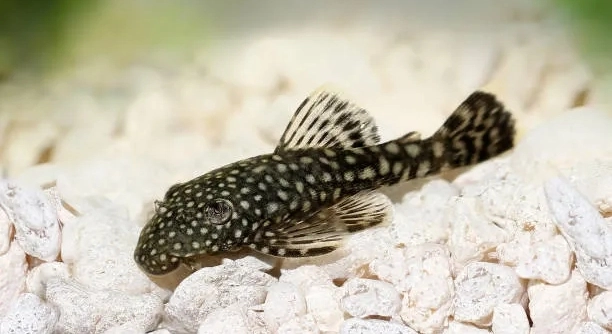
Do your plecos seem to clean up your fish tank a little too well? You may have noticed them grazing on various things, including bits of waste. This leads to a common, albeit gross, question among aquarium enthusiasts.
Plecos, specifically certain species like the common pleco, are known to consume detritus in aquariums. This includes fish poop, algae, and decaying matter. While this behavior can help clean the tank, it is not a primary food source for these fish.
Understanding the behavior of plecos is essential for keeping a healthy tank environment. Their cleaning habits, while beneficial, should not replace proper maintenance practices.
Do Plecos Really Eat Fish Poop?
Plecos are often admired for their ability to help clean tanks, and it’s common to see them grazing on surfaces. However, the question remains: do plecos actually eat fish poop? The answer is more complex than a simple yes or no. While it’s true that plecos may nibble on fish waste in the tank, they are not primarily waste-eaters. Plecos are scavengers by nature, meaning they will eat a variety of organic matter, including algae, decaying plant material, and leftover fish food. Fish poop, being organic waste, can sometimes attract their attention, especially in tanks where other food sources are limited. However, their diet should primarily consist of algae, vegetables, and specially formulated pleco food. Relying on plecos to clean up waste may give you a false sense of security when it comes to maintaining a clean tank. Regular tank maintenance is still essential for overall water quality and the health of your aquarium.
Plecos eating fish poop can be seen as a form of cleaning, but it should not be their primary diet. They are opportunistic feeders and will consume whatever is available.
If you want to keep your plecos healthy and your tank clean, it’s best to provide a balanced diet that includes algae wafers, vegetables, and occasional protein-rich foods. By doing this, you’ll support their natural feeding habits and ensure they don’t rely on waste as a primary food source. Over time, this will also reduce the likelihood of waste buildup in your aquarium, helping to maintain proper water quality. Keep in mind that plecos should not be seen as a replacement for regular cleaning. They can help, but they are not a solution to all of your tank maintenance needs.
Why It’s Important to Maintain Proper Tank Cleanliness
Even though plecos may assist in keeping your tank looking cleaner, their waste-eating tendencies don’t replace regular cleaning routines. Over time, waste and debris can accumulate in your tank, leading to poor water quality. This can cause health problems for both your plecos and any other fish in the tank. Maintaining a clean tank involves more than just relying on plecos to do the work for you.
Regular water changes and cleaning your aquarium’s surfaces will help maintain a healthy environment. Plecos may play a small role in reducing waste, but they can’t eliminate the need for proper filtration and periodic tank maintenance. Make sure to vacuum the substrate and remove any visible debris.
Having a filtration system in place is another crucial part of tank cleanliness. Filters help to reduce the buildup of harmful chemicals, excess nutrients, and waste materials that plecos may not reach. When combined with regular water changes, a good filtration system ensures that your aquarium remains a healthy environment for all its inhabitants. Keep in mind that water quality is key to the health of your plecos.
The Role of Algae in a Pleco’s Diet
Algae is one of the main components of a pleco’s diet. They naturally consume algae in the wild, and in your tank, they will actively seek it out. Having a healthy supply of algae helps keep them well-fed.
Providing algae wafers or even adding algae-covered surfaces to your tank can support their diet. Plecos are especially drawn to algae because it’s rich in nutrients that support their digestive health. While they may eat fish waste occasionally, algae should be their primary food source. Additionally, algae provides the necessary fiber for digestion.
Regular maintenance of your tank’s algae levels is also important. If your tank doesn’t produce enough algae naturally, you can supplement with algae wafers or tablets. However, be careful not to overload your tank with too much food, as uneaten food can pollute the water. A balance between algae and other food sources is key to a healthy tank and a well-fed pleco.
The Importance of Vegetables in Their Diet
Plecos need more than just algae. Vegetables like zucchini, cucumber, and spinach should be a part of their diet. These foods provide essential vitamins and minerals.
Vegetables are also important for plecos because they offer variety and additional nutrients. Plecos benefit from the fiber found in vegetables, which helps with digestion. It’s essential to prepare vegetables in a way that’s easy for your pleco to consume, such as blanching them before offering them to your fish. Avoid using vegetables with any added seasoning or oils, as these can harm your pleco.
Offering vegetables will also prevent your pleco from becoming overly reliant on algae or fish waste. It’s important to rotate the types of vegetables you provide so that your pleco gets a range of nutrients. This diet variety ensures that your fish remains healthy and continues to thrive in your aquarium.
Overfeeding Plecos
Overfeeding plecos can lead to poor water quality. They may eat whatever is available, but this can cause excess waste and uneaten food to build up, which harms the tank environment.
Feeding plecos too much can also result in health issues like obesity. It’s important to feed them the right portions, so they don’t overeat. A feeding schedule can help you control how much food they consume. The key is providing enough food to keep them healthy without letting any go to waste.
Plecos are opportunistic feeders, meaning they will continue to eat as long as food is available. This can quickly lead to an unhealthy tank, so always be mindful of portion sizes. Regular water changes and tank monitoring are crucial to maintain balance.
How Often Should You Feed Plecos?
Plecos should be fed once a day, though some aquarists choose to feed them every other day. Their diet can include algae, vegetables, and protein-rich foods in moderation.
Setting a feeding schedule ensures plecos receive enough nutrition without overfeeding. This also prevents them from relying on waste or algae alone. By sticking to a consistent routine, you can avoid polluting your tank and maintain the proper balance for all aquarium inhabitants.
Regular feeding schedules promote a more controlled environment, helping maintain water quality. With the right diet and proper feeding routine, your plecos will thrive in their habitat.
Fish Poop and Water Quality
Fish poop can affect water quality in your tank, even if plecos consume it. Decomposing waste can raise ammonia levels, which can harm your fish.
While plecos help reduce waste, they don’t fully eliminate its impact. Regular water changes and proper filtration are essential for maintaining safe water conditions. Be sure to monitor ammonia, nitrite, and nitrate levels regularly to ensure the health of all tank inhabitants.
Remember that fish waste will always contribute to tank pollution. Plecos may help, but they should not be relied upon solely for cleaning duties. Regular maintenance remains key.
FAQ
Do plecos eat other fish?
Plecos are generally peaceful and are not known to eat other fish. They primarily feed on algae, detritus, and plant matter. However, in rare cases, some pleco species may display territorial behavior, especially if they feel crowded or stressed. This might result in occasional aggression towards other fish, but they do not actively hunt or eat them. Plecos are more likely to nibble on fish waste or leftover food in the tank.
Can plecos survive on just fish poop?
While plecos may consume fish poop, it is not a suitable or healthy long-term food source. Fish poop lacks the essential nutrients plecos need to thrive. A pleco’s diet should include algae, vegetables, and sometimes protein-rich foods. Fish poop can only serve as an occasional snack for them but should not be relied upon as their primary source of nutrition.
What happens if I feed my pleco too much?
Overfeeding your pleco can lead to a number of issues. The most immediate concern is the effect on water quality. Uneaten food will decompose, causing an increase in ammonia levels, which can harm both your pleco and any other fish in the tank. Overfeeding can also lead to obesity in plecos, causing health problems. To avoid these issues, stick to a feeding schedule and provide only as much food as your pleco can consume within a few hours.
Are plecos good for cleaning fish tanks?
While plecos do help with cleaning by consuming algae and leftover food, they should not be relied upon as the primary cleaning solution. They will not be able to clean the tank thoroughly or keep water quality at optimal levels. Regular tank maintenance, including water changes and substrate cleaning, is necessary to maintain a healthy environment. Plecos can assist with cleaning but are not a substitute for proper aquarium care.
How can I tell if my pleco is hungry?
A hungry pleco may start grazing on surfaces in the tank, including decorations, rocks, or the tank walls, looking for algae. If they are not eating enough algae or food, they might appear more active or seek out other food sources. It’s important to offer a varied diet that includes algae wafers, vegetables, and occasional protein. If your pleco is not showing interest in food or seems overly active in seeking it out, you may need to adjust their diet.
How often should I feed my pleco?
Plecos should be fed once a day, but this can vary depending on their age and size. Younger plecos may require more frequent feedings, while adult plecos may be fine with one feeding every other day. It’s important to avoid overfeeding, so make sure to provide just enough food to last them for a few hours. Removing excess food from the tank after feeding helps prevent water contamination and maintains the health of the tank environment.
Do plecos need protein in their diet?
Plecos are primarily herbivores, but they do benefit from a small amount of protein in their diet. This can come from occasional protein-rich foods like bloodworms or shrimp. However, most of their nutrition should come from algae and vegetables. Too much protein can lead to digestive problems or obesity. Offering a balance of plant-based foods with occasional protein will ensure your pleco remains healthy and well-fed.
Why is my pleco not eating?
There are several reasons why a pleco might not eat. Stress, water quality issues, or improper tank conditions can all cause a pleco to stop feeding. If your pleco is not eating, check the water parameters, such as temperature, pH, ammonia, and nitrate levels. Ensure your pleco has access to appropriate foods, including algae, vegetables, and algae wafers. If the problem persists, it might be worth checking for signs of illness and seeking advice from a veterinarian.
Do plecos clean the substrate?
While plecos do help clean the surfaces of the tank, they are not particularly effective at cleaning the substrate. They will nibble on algae and detritus found on tank surfaces, but they will not actively clean the gravel or sand at the bottom of the tank. To keep the substrate clean, regular maintenance, such as vacuuming the gravel, is required. Plecos may help with the cleaning process, but they should not be seen as a substitute for regular substrate care.
Can plecos live with other fish?
Most plecos are peaceful and can live with a variety of other fish, but it’s important to choose compatible tank mates. Plecos are generally bottom dwellers, so they won’t usually interfere with other fish that occupy higher levels in the tank. However, some pleco species, especially larger ones, may become territorial. It’s essential to monitor behavior and ensure that all tank mates have enough space to coexist peacefully.
What is the lifespan of a pleco?
The lifespan of a pleco can vary depending on the species. On average, most plecos live between 10 to 15 years in captivity if provided with proper care. Larger species, such as the common pleco, can live even longer. Maintaining proper water quality, providing a balanced diet, and keeping them in a well-maintained tank can help ensure that your pleco lives a long and healthy life.
Why is my pleco staying on the bottom of the tank?
Plecos are bottom dwellers by nature, so it’s perfectly normal for them to spend most of their time near the substrate. However, if a pleco is staying at the bottom and not eating, it could be a sign of stress, illness, or poor water conditions. Check water parameters and ensure the tank environment is suitable for your pleco. If the behavior continues, it may be worth investigating further to rule out any health problems.
Do plecos need a tank with a filter?
Yes, plecos require a tank with a filter. While plecos help with cleaning by consuming algae and detritus, they do not filter the water. A filtration system is necessary to maintain water quality by removing harmful substances like ammonia and nitrates. A good filter is crucial for the overall health of the tank and its inhabitants, including plecos. Make sure your filter is properly sized for the tank and cleaned regularly to ensure optimal performance.
Can plecos live in a small tank?
Plecos can live in a small tank, but they will eventually outgrow it, especially larger species. While smaller plecos can thrive in a tank as small as 20 gallons, larger species, like the common pleco, can grow to over 12 inches and will need significantly more space. It’s important to research the specific species of pleco you have to ensure that their tank is appropriately sized. Providing enough space allows your pleco to live a healthier, longer life.
Are plecos good for beginners?
Plecos can be a good choice for beginners, especially smaller species that are easier to care for. They are hardy fish that can tolerate a range of water conditions. However, they still require proper tank maintenance, a balanced diet, and a suitable environment to thrive. It’s essential for beginners to understand their care requirements, including water quality management, to keep their plecos healthy and happy.
Final Thoughts
Plecos are fascinating creatures that can make a great addition to any aquarium. While they may occasionally be seen eating fish poop, this should not be the basis of their diet. Instead, they should be fed a variety of foods such as algae, vegetables, and occasional protein. By providing a balanced diet and maintaining a clean tank, you can ensure that your pleco remains healthy and thrives in your aquarium. Understanding their needs and behaviors will help you create an environment where they can live comfortably and for many years.
Though plecos are helpful in controlling algae growth, they should not be relied upon as the sole cleaning solution for your tank. They will help with algae and detritus but do not actively clean the substrate or manage water quality. Regular maintenance, such as water changes, filter cleaning, and vacuuming the gravel, is essential to keeping your tank in top shape. This ensures that both your pleco and other fish have a healthy environment to live in.
In conclusion, plecos are low-maintenance fish that can fit well into a variety of aquarium setups. However, their diet, tank mates, and overall care should not be overlooked. By staying informed about their needs and ensuring proper care, you can enjoy the presence of your pleco for many years. With the right attention, they will contribute to a peaceful, well-maintained tank while adding charm and character to your aquarium.

Hello,
If you enjoy the content that we create, please consider saying a "Thank You!" by leaving a tip.
Every little bit helps us continue crafting quality advice that supports the health, happiness, and well-being of pets around the world, for pets of all shapes, sizes, and species.
We really appreciate the kindness and support that you show us!