
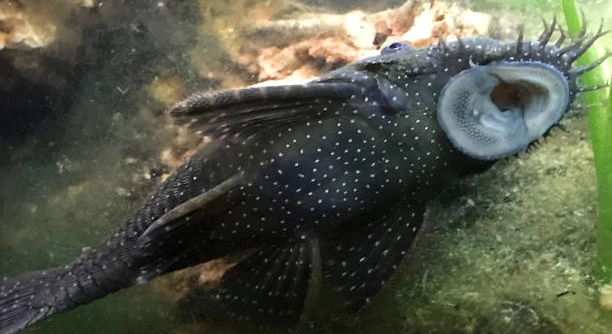
When considering adding a Plecostomus to your aquarium, it’s essential to understand their specific needs and characteristics. These fish, while beneficial to many tanks, require proper care and attention to thrive.
The Plecostomus, often referred to as a “pleco,” is a bottom-dwelling fish that requires ample space, clean water, and a varied diet. While they are excellent algae eaters, they also need specific tank conditions and regular maintenance to prevent common health issues.
Understanding these aspects will help you provide the best environment for your Plecostomus, ensuring its well-being in your aquarium.
Tank Size and Space Requirements
Plecostomus fish can grow quite large, with some species reaching up to 24 inches in length. Due to their size, it’s crucial to provide them with ample space. A 75-gallon tank is often considered the minimum size for these fish. Having enough space will not only keep them healthy but also reduce stress, as they are territorial creatures that need room to move and explore. If you plan to keep more than one pleco, you should consider even larger tanks to accommodate their needs and prevent conflicts between individuals.
Proper tank size is essential in ensuring that your Plecostomus thrives. Smaller tanks can lead to overcrowding and poor water quality, both of which can cause stress and illness. Larger tanks help maintain better water conditions, especially when you have a filtration system that can handle the increased volume.
In addition to space, ensure that your tank has plenty of hiding spots. Plecostomus fish enjoy having places to retreat, such as caves or plant cover. This will make them feel more secure and less likely to stress from other tankmates.
Water Quality and Temperature
Maintaining good water quality is vital for your Plecostomus. They thrive in water with a slightly acidic to neutral pH level. Ensure that the water is regularly tested for ammonia, nitrites, and nitrates, as high levels of these can cause illness. Clean, well-filtered water is key to their health, and regular water changes should be part of your routine.
Plecostomus fish prefer stable water temperatures between 74°F and 80°F. Sudden temperature changes can shock their system, leading to health problems. Ensure your aquarium heater is reliable and able to maintain a consistent temperature. In addition, the water should be well-oxygenated, as plecos are sensitive to low oxygen levels. Proper aeration is necessary to help them breathe easily and stay active.
Ensuring the right water conditions can prevent common problems like skin issues, poor feeding habits, and even death. Regular maintenance of the tank is essential to maintaining a healthy environment for your fish.
Diet and Feeding
Plecostomus are primarily herbivores, so their diet should focus on algae and plant-based food. However, they also require some protein to stay healthy. A good mix of algae wafers, vegetables, and occasional protein will keep them well-nourished. Vegetables like zucchini, cucumber, and spinach are excellent additions to their diet.
Feeding your pleco two to three times a week is generally sufficient, although you can adjust this based on their size and activity level. While they do graze on algae in the tank, providing supplemental food ensures they get all the necessary nutrients. Be mindful not to overfeed, as uneaten food can lead to water quality issues.
Rotating food types will help prevent deficiencies. It’s also helpful to place the food in different areas of the tank to encourage the pleco to move around. This promotes healthy behavior and keeps your fish active.
Tank Mates
Plecostomus fish are peaceful and generally do well with most community fish. However, their size and territorial nature can lead to issues with other bottom-dwellers. Avoid keeping them with aggressive fish or other large plecos.
A good rule of thumb is to pair them with fish that occupy different levels of the tank. Smaller, peaceful fish like tetras, guppies, and rasboras make good tankmates. If your pleco feels threatened or overcrowded, it may retreat to hiding spots, which can affect its health and growth. It’s important to consider not only tank size but also the behavior of the other fish in the tank.
Be sure to provide plenty of hiding places for your pleco. Caves, driftwood, and plants will give them space to retreat when necessary. This helps to reduce any stress that may arise from interactions with other fish. Proper planning of your aquarium layout can create a more harmonious environment for all inhabitants.
Common Health Issues
Plecostomus fish can experience a few common health issues, such as skin lesions, bloating, and poor eating habits. These problems are often linked to poor water quality, improper diet, or stress. Regular water changes and a balanced diet can help prevent most health problems.
To keep your pleco healthy, ensure that the water temperature and pH remain stable. Any fluctuations can stress the fish, weakening its immune system. Make sure the tank is properly filtered to prevent the buildup of harmful toxins. Keep an eye on your pleco’s behavior, such as reduced activity or lack of appetite, which may indicate a problem.
Proper water care and a nutritious diet are essential in preventing these health issues. Regularly monitoring the tank and addressing any issues early will go a long way in ensuring the well-being of your pleco.
Lifespan
The average lifespan of a Plecostomus is around 10 to 15 years, though it can vary based on their living conditions. With proper care, they can live a long, healthy life in a well-maintained tank.
To ensure a long life for your pleco, avoid overcrowding the tank, keep the water clean, and provide a balanced diet. Plecos that are stressed due to poor water quality or inadequate space will not live as long. Monitor their health regularly, as early intervention can prevent many common issues.
Maintenance Needs
Maintaining a clean tank is crucial for a healthy Plecostomus. Regular water changes, filter cleaning, and debris removal will ensure your pleco has a clean environment. The more frequent you clean the tank, the healthier your pleco will be.
Having a reliable filter system is key for managing the tank’s waste. Over time, plecos can produce a lot of waste, which can affect water quality. Ensure the filter is sized properly for your tank and clean it regularly to maintain water clarity and oxygen levels.
FAQ
How big do Plecostomus fish get?
Plecostomus fish can grow quite large, with some species reaching up to 24 inches in length. The most common type, the common pleco (Hypostomus plecostomus), typically grows around 12 to 18 inches. The size of your pleco will depend on its species, diet, and the size of the tank.
To accommodate their size, it’s important to have a spacious tank, usually at least 75 gallons. A larger tank will allow your pleco to grow comfortably and reduce the chances of overcrowding. Keeping them in too small of a space can result in stunted growth and stress, both of which can lead to health problems.
Can Plecostomus live with other fish?
Yes, Plecostomus fish are generally peaceful and can live with many other types of fish, particularly community species. They do well with tetras, guppies, and other small, peaceful fish that don’t compete for space at the bottom of the tank.
However, it’s important to avoid housing them with aggressive fish or other large bottom-dwellers, as the pleco’s territorial nature can lead to stress or injury. Providing plenty of hiding spots and maintaining a good tank layout will help reduce any conflicts with other fish.
What do Plecostomus eat?
Plecostomus are primarily herbivores, but they also require some protein in their diet. They feed on algae and organic material in their natural environment, but in your tank, you’ll need to supplement their diet with algae wafers, vegetables, and occasional protein sources like shrimp or bloodworms.
Common vegetables like zucchini, cucumber, and spinach can be added to their diet. It’s best to blanch the vegetables to soften them and make them easier for your pleco to consume. Feeding them two to three times a week, in addition to natural algae growth, will ensure they stay healthy.
How often should I feed my Plecostomus?
Feeding your Plecostomus two to three times a week is usually sufficient. They graze on algae and other plant material in the tank, but they will benefit from supplemental feedings. Overfeeding can lead to water quality problems, so it’s important not to offer too much food at once.
It’s best to offer food at night when the pleco is most active, as they are nocturnal feeders. Monitor how much they eat to ensure they aren’t overfed, which can lead to excess waste and poor water conditions. Rotating the types of food will also keep them well-nourished and engaged.
How long do Plecostomus live?
Plecostomus fish can live between 10 and 15 years if provided with the right care. Their lifespan depends on factors like water quality, tank size, and diet. Ensuring they have a stress-free environment and a balanced diet will increase their chances of living a long and healthy life.
Regular tank maintenance, proper filtration, and monitoring of water conditions are essential in promoting longevity. Keeping your pleco in a spacious, clean tank with appropriate tankmates will help it thrive and potentially live to the upper end of its lifespan.
Do Plecostomus need a filter?
Yes, Plecostomus fish require a good filtration system. These fish produce a significant amount of waste, and a filter is essential for keeping the water clean and maintaining good water quality. A filter helps to remove debris, toxins, and excess nutrients that could otherwise lead to poor water conditions and health issues.
Choose a filter rated for your tank size, and make sure it has enough capacity to handle the pleco’s waste. Clean the filter regularly to keep it functioning properly, as a clogged filter can lead to a buildup of harmful substances in the water.
Can Plecostomus live in cold water?
Plecostomus fish are tropical and require a stable water temperature between 74°F and 80°F. They cannot survive in cold water, as temperatures below 70°F can cause stress and weaken their immune systems. In cooler climates, an aquarium heater is necessary to maintain the appropriate temperature.
Cold water can lead to sluggish behavior, loss of appetite, and even death if not addressed. Make sure the water temperature is consistent and avoid placing the tank in areas where the temperature fluctuates, such as near windows or doors.
Do Plecostomus fish need hiding spots?
Yes, Plecostomus fish enjoy having hiding spots in their tank. These fish are nocturnal and like to retreat to sheltered areas during the day to rest. Providing caves, driftwood, or thick plant cover can help your pleco feel secure and reduce stress.
Without places to hide, your pleco may become more stressed, which can affect its health and behavior. Hiding spots are especially important in tanks with other fish, as it gives the pleco space to avoid any potential conflicts with tankmates.
Are Plecostomus good algae eaters?
Yes, Plecostomus are excellent algae eaters. They are often referred to as “algae eaters” because of their natural ability to graze on algae that grows on tank surfaces, decorations, and plants. However, they cannot entirely rely on algae alone for nutrition.
While they will help keep your tank clean, it’s still necessary to provide supplemental food, such as algae wafers and vegetables, to ensure they get the nutrients they need. They are more effective at managing algae growth in larger tanks where natural algae growth is abundant.
Do Plecostomus need a lot of oxygen?
Plecostomus fish do require oxygen-rich water. They thrive in tanks with good water circulation and aeration. Since they are bottom dwellers, it’s important to have a filter that also oxygenates the water to ensure the pleco can breathe easily.
Using an air pump or air stone can also help to increase oxygen levels, especially in tanks with low water movement. Proper aeration helps prevent respiratory issues and ensures your pleco stays healthy.
Final Thoughts
Plecostomus fish can make great additions to your aquarium if you provide the right care. They are relatively low-maintenance, but they do require a spacious tank, proper water quality, and a balanced diet to thrive. Keeping their environment clean and monitoring their health regularly can help prevent most common issues. While they are known for their algae-eating abilities, they still need supplemental feeding to stay healthy. Offering a variety of foods will ensure they get the proper nutrients for a long, healthy life.
The size of a Plecostomus should be considered before adding one to your tank. They can grow quite large, and some species can reach up to 24 inches in length. This means they need enough space to swim freely and comfortably. Overcrowding your tank can lead to stress and stunted growth. When choosing tankmates, make sure to select peaceful fish that won’t compete with your pleco for space or food. Providing hiding spots and a good filtration system will also help maintain a healthy environment for all the fish in the tank.
With a little attention to their needs, Plecostomus fish can live for many years, bringing beauty and balance to your aquarium. They are peaceful, hardy, and relatively easy to care for, making them ideal for both beginner and experienced aquarium owners. By understanding their requirements and taking the time to set up the right conditions, you can ensure your Plecostomus thrives and stays healthy throughout its life.

Hello,
If you enjoy the content that we create, please consider saying a "Thank You!" by leaving a tip.
Every little bit helps us continue crafting quality advice that supports the health, happiness, and well-being of pets around the world, for pets of all shapes, sizes, and species.
We really appreciate the kindness and support that you show us!