
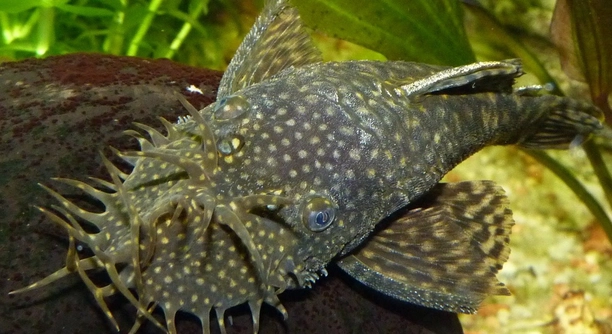
Proper maintenance of your pleco tank is essential for ensuring a healthy and thriving aquatic environment. Plecos are unique creatures that require specific care, and their tank should be managed with attention to detail for optimal conditions.
To maintain a healthy pleco tank, regular water changes, proper filtration, and maintaining stable water parameters are critical. It’s important to monitor temperature, pH levels, and water hardness while ensuring an appropriate substrate and sufficient hiding places for the pleco’s well-being.
By following these best practices, you will ensure a long and healthy life for your pleco, providing the best environment for its growth and happiness.
Keep the Tank Clean
Maintaining a clean tank is one of the most important aspects of pleco care. Plecos are bottom dwellers, often scavenging for food, which means they can produce a lot of waste. A dirty tank can lead to poor water quality, which can harm your pleco’s health. Regular water changes, ideally 25-30% every two weeks, help maintain good water quality. Cleaning the tank decorations and substrate is also crucial, as leftover food or waste can cause harmful buildup. Consider using a siphon to remove waste from the bottom of the tank, ensuring water stays fresh.
A clean tank ensures your pleco has a healthier living environment. This is essential for their growth and overall well-being.
Besides water changes, cleaning the filter every month is also recommended. Filters can trap debris that might not be visible, which can affect the water flow and quality. Make sure the filtration system is working properly, as good water circulation is necessary to keep toxins from building up.
Provide Proper Tank Size
Having the right tank size is essential for your pleco’s health. Plecos are not small fish; some species can grow up to 24 inches long, requiring plenty of space to thrive. A 75-gallon tank is generally considered the minimum size for adult plecos. While a small tank may be fine for juvenile plecos, you’ll need to upgrade as they grow. A spacious tank allows for better water quality, more swimming room, and places to hide, which plecos love. It also helps to avoid overcrowding with other fish, which can cause stress.
A larger tank offers plecos the freedom they need to explore their environment. Stress-free fish are healthier and more active.
In a bigger tank, you’ll also have more flexibility to add plants, driftwood, and rocks, all of which are crucial for plecos. These elements mimic the pleco’s natural habitat, allowing them to feel secure. Plus, plecos love to graze on algae, which will naturally form on surfaces in a well-maintained tank.
Maintain Proper Water Temperature
Maintaining the correct water temperature is vital for your pleco’s health. Plecos thrive in temperatures between 74°F and 80°F. Too high or too low can stress them out and affect their immune system. A reliable heater will help keep the water stable, especially in colder environments.
A consistent water temperature ensures your pleco’s metabolism runs smoothly. Use a thermometer to monitor the water regularly, adjusting the heater if needed. Avoid temperature fluctuations, as sudden changes can be harmful. Keeping the water temperature steady helps maintain a stress-free environment for your pleco.
In addition to using a thermometer, you can also install a heater with a built-in thermostat. This provides extra control and ensures the temperature stays within the ideal range. If your pleco seems lethargic or is showing signs of stress, check the water temperature immediately. Sometimes a small change can make a big difference in their overall well-being.
Ensure Proper Filtration
A good filtration system is essential for keeping your pleco tank clean and healthy. Plecos produce a lot of waste, so a strong filter helps remove toxins and excess nutrients from the water. Choose a filter with a flow rate that suits your tank size and pleco type.
When selecting a filter, it’s important to consider the pleco’s preference for slower water flow. Some pleco species, like the common pleco, prefer areas of calm water, while others might thrive in slightly stronger currents. Make sure the filter doesn’t create excessive water movement, which could stress your pleco.
Check the filter regularly to ensure it’s functioning properly. A clogged or damaged filter can significantly affect water quality. Clean the filter according to the manufacturer’s instructions to keep it running efficiently. This will help maintain optimal conditions in your tank, reducing the risk of bacterial growth and harmful algae buildup.
Provide Hiding Spots
Plecos are shy creatures that need places to hide. Adding caves, driftwood, or large rocks to your tank creates safe spaces for them. This helps reduce stress and allows them to feel secure, especially during the day when they may want to rest.
The hiding spots should be large enough to allow the pleco to move freely. Make sure these spaces are positioned around the tank so the pleco can choose from several options. Plecos enjoy having multiple places to hide, mimicking their natural environment. This also helps prevent territorial behavior if you have other fish.
Providing plenty of hiding spots ensures your pleco stays comfortable and healthy. It also promotes natural behaviors, like foraging and exploring, which are important for their mental stimulation.
Monitor Water pH Levels
Maintaining the proper pH level is essential for a pleco’s health. The ideal pH range is between 6.5 and 7.5, depending on the species. Test the water regularly to ensure the pH remains stable and within the safe range for your pleco.
If the pH is off, it can lead to stress and even illness. You can adjust pH levels by using specific water conditioners or adding natural elements like driftwood. Regularly testing your tank water is key to making necessary adjustments before problems arise.
Feed a Balanced Diet
Feeding your pleco the right foods is vital for its health. Plecos are primarily herbivores, but some species will also eat small amounts of protein. Offer a variety of foods, such as algae wafers, vegetables, and occasional protein sources like shrimp.
Vegetables like zucchini, cucumber, and spinach are perfect additions to their diet. Make sure to remove uneaten food to avoid polluting the tank. A balanced diet helps ensure that your pleco grows properly and maintains a strong immune system.
FAQ
How often should I change the water in my pleco tank?
Water changes are crucial for maintaining a healthy environment for your pleco. You should change about 25-30% of the water every two weeks. This helps remove waste, excess nutrients, and toxins that can build up. If you have more plecos or other fish in the tank, consider increasing the frequency or volume of water changes. Regularly cleaning the substrate and decorations will also help reduce waste buildup.
What is the best filter for a pleco tank?
The best filter for a pleco tank should provide adequate filtration without creating too much water flow. Plecos prefer areas of calm water, so you need a filter that can handle the tank’s waste without disturbing the pleco too much. Canister filters and sponge filters are good options, as they offer strong filtration while maintaining a gentle current. Be sure to choose a filter with a flow rate that matches your tank size, as an overly strong current can stress your pleco.
Can I keep multiple plecos in the same tank?
Yes, you can keep multiple plecos in the same tank, but it’s essential to provide enough space and hiding spots for each one. Plecos can be territorial, especially if they don’t have places to hide or a large enough tank. A tank that’s too small can lead to stress and aggression between plecos. Ensure your tank is large enough—typically 75 gallons or more for multiple adult plecos. Offering plenty of caves and hiding places will help reduce territorial behavior.
Do plecos need to be fed algae?
Plecos are known for their algae-eating habits, but they still need a balanced diet. While algae can make up a significant portion of their diet, you should supplement their meals with vegetables like zucchini, cucumber, or spinach. Algae wafers and sinking pellets designed for herbivores are also good food sources. Some plecos might also enjoy small amounts of protein, like shrimp or fish flakes, but this should not be the main component of their diet. Keeping a balanced diet is key for their health.
How do I know if my pleco is stressed?
Stressed plecos may display a few signs, such as lethargy, loss of appetite, or hiding more than usual. If your pleco is constantly hiding, it could be a sign that it feels unsafe or uncomfortable in its environment. Other stress indicators include abnormal swimming behavior or refusal to eat. Check the water parameters, including temperature, pH, and ammonia levels, as poor water quality is a common stressor. Also, ensure there are enough hiding spots in the tank for them to retreat to.
Can plecos live in a tank without a heater?
Plecos are tropical fish and require a stable water temperature between 74°F and 80°F. If you live in a region with consistently warm temperatures, you might be able to get away with not using a heater, but a heater is generally recommended to maintain a stable environment. Temperature fluctuations can stress plecos and make them more susceptible to illness. A good-quality aquarium heater will help keep the temperature in the appropriate range, especially in colder climates or during the winter months.
How big do plecos get?
Plecos can grow quite large, depending on the species. The common pleco (Hypostomus plecostomus) can reach lengths of up to 24 inches or more. Smaller species, such as the Bristlenose pleco, typically grow to about 4-5 inches in length. It’s important to know the size of the pleco species you have to ensure your tank is large enough to accommodate its full growth. Smaller plecos may still require a 30-gallon tank, while larger plecos need a 75-gallon or bigger tank for their comfort.
Can plecos live with other fish?
Yes, plecos can live with other fish, but care should be taken when selecting tankmates. Plecos are generally peaceful but may become territorial if they don’t have enough space. It’s best to avoid keeping them with aggressive or overly active fish that might disturb their habitat. Peaceful community fish, such as tetras, guppies, or corydoras catfish, usually make good tankmates. Always consider the size and temperament of other fish to ensure a peaceful environment for your pleco.
What should I do if my pleco is not eating?
If your pleco isn’t eating, first check the water quality to ensure it’s not due to poor water conditions. If the water parameters are within the appropriate range, try offering a variety of foods. Some plecos are picky eaters and may prefer certain vegetables, such as cucumber or zucchini, over algae wafers. You can also try sinking pellets or small amounts of protein like shrimp. If your pleco continues to refuse food for several days, consider consulting an aquarium expert or veterinarian, as there could be an underlying health issue.
Why is my pleco sucking on the glass?
Plecos often suck on glass because they are looking for algae or other food sources. While this behavior is normal, it’s important to provide enough food in the tank to ensure they’re not relying solely on algae growth. If your pleco is spending too much time on the glass, it could mean that it’s hungry or bored. You can offer more vegetables or specialized pleco food to keep it satisfied. In some cases, this behavior might indicate that the tank doesn’t have enough algae for the pleco to graze on.
How do I know if my pleco is healthy?
A healthy pleco is active, swims around occasionally, and has clear eyes and healthy skin. Look for a shiny body and smooth fins, without signs of sores or discoloration. If your pleco is eating regularly, has a normal swimming pattern, and is actively foraging for food, it’s likely in good health. Avoid letting any signs of illness go unnoticed, as plecos can be prone to conditions like skin parasites or fungal infections if water quality isn’t maintained.
Final Thoughts
Maintaining a pleco tank doesn’t require a lot of complicated steps, but it does need attention and consistency. Regular water changes, proper filtration, and a well-balanced diet are all key to ensuring your pleco remains healthy and happy. When setting up your tank, make sure there are enough hiding spots to give your pleco a sense of security. Plecos, by nature, are shy and prefer to have space to retreat to when needed. By providing them with a calm and clean environment, you help reduce stress and promote their overall well-being.
The tank size is another important factor. While plecos can start small, they grow quickly and can outgrow smaller tanks. It’s essential to consider the full adult size of your pleco when planning the size of your tank. A tank that is too small can lead to overcrowding, which stresses the fish and leads to poor health. Larger tanks also offer more space for plecos to explore, which can help keep them active and engaged. Plecos are not high-maintenance fish, but they do require more space as they grow.
Lastly, keeping a healthy and thriving pleco tank is about understanding the specific needs of your fish and regularly monitoring the water conditions. Water temperature, pH levels, and ammonia levels should all be tested frequently to avoid any sudden changes that could harm your pleco. Additionally, be mindful of tankmates and ensure that the other fish are compatible with plecos. Plecos can live peacefully with many types of community fish, but it’s important to avoid overly aggressive or overly active species that may stress your pleco. By keeping these factors in mind, you’ll be able to create a stable, healthy environment for your pleco to thrive.

Hello,
If you enjoy the content that we create, please consider saying a "Thank You!" by leaving a tip.
Every little bit helps us continue crafting quality advice that supports the health, happiness, and well-being of pets around the world, for pets of all shapes, sizes, and species.
We really appreciate the kindness and support that you show us!