
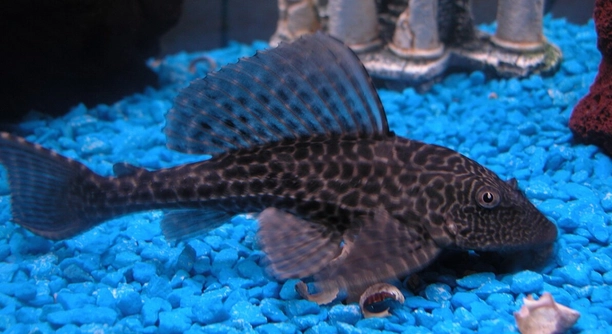
A pleco lying on its side can be concerning for aquarium owners. These fish are typically active and healthy, so when they act differently, it’s important to pay attention. Several factors could contribute to this behavior.
There are several potential causes for your pleco lying on its side, including stress, poor water quality, illness, or injury. Stress from tankmates or a sudden change in the environment can lead to this behavior, along with physical issues such as swim bladder disease.
Understanding these factors is key to improving your pleco’s well-being. We’ll cover ways to identify the cause and how to address it, so your fish can return to normal activity.
Stress and Tankmates: How They Affect Your Pleco
Stress is a leading factor when it comes to plecos lying on their side. If there are aggressive tankmates or too many fish in the aquarium, it can cause stress and discomfort for your pleco. Fish that are constantly chased or crowded can start to act lethargic or hide, sometimes leading to lying on their side. Additionally, a pleco may be stressed by sudden changes in the water parameters, like temperature or pH shifts. These changes can make the fish feel unsafe, affecting its normal behavior.
Sometimes, stress is hard to notice unless you observe closely. You may not always see the stress directly but notice other signs, like a lack of appetite or hiding more than usual. It’s essential to ensure your tank is not overstocked and that all tankmates are compatible. A peaceful environment will go a long way in keeping your pleco healthy and active. Reducing stress can help your pleco return to its usual self.
Poor Water Quality
Water quality plays a significant role in your pleco’s health. If the water is contaminated or lacks essential nutrients, your pleco may show signs of distress, such as lying on its side. Dirty water, high ammonia levels, or poor filtration can all make your fish uncomfortable. Regular testing of water parameters, like pH, ammonia, and nitrate levels, is crucial to keep your pleco healthy.
If water quality isn’t maintained, your pleco’s stress levels can increase, making them vulnerable to diseases. Make sure to clean the tank regularly and perform water changes to keep it fresh. Also, ensure the filter is working correctly and replace it as needed to maintain optimal water quality. Healthy water means healthy fish.
Illness and Disease
Plecos, like any fish, can be affected by illness or disease. If your pleco is lying on its side, it could be due to an infection, parasite, or internal issue such as swim bladder disease. Symptoms of illness may not always be visible right away, but a change in behavior, like resting on its side, often signals something is wrong. Keeping an eye out for other signs like loss of appetite or discoloration can help.
Swim bladder disease is a common condition that causes fish to float sideways or struggle to maintain balance. This condition may be caused by poor diet, water quality, or physical injury. Treatment can vary based on the cause. If your pleco is showing signs of illness, consider isolating it in a quarantine tank to reduce the risk to other fish.
Injury or Physical Trauma
Injuries or physical trauma can cause a pleco to lie on its side, especially if it has collided with sharp objects or suffered a fall. Plecos are known for their strong suckers, but if they fall off decorations or bump into tank fixtures too harshly, they might hurt themselves. Injury can lead to swelling, bruising, or a change in swimming ability. This can cause them to rest in unusual positions while they recover.
If you notice a visible injury, like bruising or cuts, ensure the environment is calm and safe for healing. Remove any sharp objects from the tank and provide the pleco with a stress-free environment. In some cases, salt baths or antibiotic treatments may help speed up recovery.
Tank Setup and Space
The layout of your tank can impact your pleco’s behavior. If the tank is too small or lacks hiding spots, your pleco may feel trapped and stressed. Plecos are active bottom dwellers and need plenty of space to move around. Overcrowded tanks can cause additional stress.
Make sure your pleco has enough space to swim and explore freely. Adding plants, rocks, and caves can help provide areas for hiding. These elements not only mimic natural habitats but also give your pleco a sense of security, which helps reduce stress and encourages normal behavior.
Temperature and Water Conditions
Incorrect temperature and water conditions can affect a pleco’s health. These fish prefer temperatures between 72°F and 82°F (22°C to 28°C). If the water is too cold or too hot, your pleco might become sluggish or lie on its side. Regularly check the temperature and adjust heaters as needed.
Maintaining stable water conditions, including temperature, is crucial. Rapid temperature fluctuations or improper heating can weaken your pleco’s immune system, making it more susceptible to illness or injury. Use a reliable thermometer to ensure the tank’s environment stays consistent and within the ideal range for your fish.
FAQ
Why is my pleco swimming upside down?
If your pleco is swimming upside down, it could be a sign of swim bladder disease. This condition affects a fish’s ability to maintain buoyancy, causing them to flip or float uncontrollably. Swim bladder disease can be caused by various factors, such as poor water quality, overfeeding, or physical injury. To help your pleco, first check the water quality, including ammonia, nitrate, and pH levels. If the water is clean and stable, consider adjusting the diet or isolating your pleco to a separate tank for observation.
How can I tell if my pleco is stressed?
Signs of stress in plecos include lethargy, loss of appetite, hiding more than usual, or abnormal swimming behavior, such as lying on their side. Stress can be caused by a variety of factors, including overcrowding, aggressive tankmates, poor water quality, or sudden changes in the environment. If you notice any of these signs, evaluate the tank conditions and make necessary adjustments to reduce stress. Adding more hiding spaces or removing aggressive fish may help your pleco feel more secure.
What should I do if my pleco has an injury?
If you suspect your pleco has been injured, remove it from the main tank and place it in a quarantine tank. Injuries can occur if the pleco collides with decorations or sharp objects. In the quarantine tank, make sure the water quality is ideal and that the pleco is not exposed to any stressors. If there are visible wounds, a salt bath may help the healing process. Observe the pleco closely for any signs of infection, such as swelling or redness.
Can plecos recover from swim bladder disease?
Yes, plecos can recover from swim bladder disease, but recovery depends on the cause of the condition. If the disease is caused by overfeeding, fasting the pleco for a few days may help. In more severe cases, you may need to consult a veterinarian for advice or medication. Ensuring stable water conditions and a proper diet will also aid in recovery. Keep an eye on the pleco and adjust the tank environment to minimize stress and help it regain normal swimming behavior.
How can I prevent swim bladder disease in my pleco?
To prevent swim bladder disease, ensure your pleco’s diet is balanced and appropriate. Overfeeding can lead to digestive issues, which may result in swim bladder problems. Feed your pleco small amounts of food, and make sure it’s well-suited to its diet needs. Additionally, keep the tank clean and maintain optimal water quality to reduce the risk of disease. Regularly check for any signs of illness and address potential problems quickly to prevent complications.
Why is my pleco not eating?
If your pleco is not eating, it could be due to stress, illness, or poor water conditions. A change in water parameters, such as pH, temperature, or ammonia levels, can cause a pleco to lose its appetite. Check the water quality and ensure the tank is free of stressors like aggressive tankmates or overcrowding. If the environment is stable, and the pleco continues to refuse food, it could be a sign of an underlying health issue, such as a parasitic infection or internal disease.
Can plecos get along with other fish?
Plecos are generally peaceful fish, but their compatibility with other tankmates depends on the species. They are bottom dwellers, which means they don’t usually compete with other fish for space, but they may become stressed if housed with aggressive fish. It’s important to select tankmates that are calm and non-territorial. Avoid keeping plecos with overly aggressive fish, as this can cause stress and health problems. Additionally, plecos may become territorial if they don’t have enough hiding spots, so be sure to provide adequate space and shelter.
How often should I clean my pleco’s tank?
A pleco’s tank should be cleaned regularly to maintain healthy water conditions. You should perform partial water changes every 1 to 2 weeks, depending on the size of the tank and the number of fish. Additionally, clean the substrate and remove debris that may accumulate in the tank. Plecos are known for their algae-eating habits, but they still need a clean environment to thrive. Regular water testing and maintenance will prevent issues like high ammonia or nitrate levels, which can lead to stress or illness.
What temperature should my pleco’s tank be?
Plecos are tropical fish and prefer water temperatures between 72°F and 82°F (22°C to 28°C). Maintaining a stable temperature within this range is crucial to your pleco’s health. Temperatures that are too high or too low can cause stress, making your pleco more susceptible to illness. Use a reliable aquarium heater to regulate the temperature, and monitor it with a thermometer to ensure the tank remains within the optimal range. Rapid temperature fluctuations should be avoided, as they can weaken your pleco’s immune system.
Can plecos live with shrimp?
Plecos and shrimp can coexist in the same tank under the right conditions. However, plecos may unintentionally harm small shrimp by grazing on them or disturbing their habitat. It’s important to choose larger shrimp species that can handle the pleco’s presence. Additionally, provide plenty of hiding spots for the shrimp to avoid stress. Make sure the pleco is well-fed to reduce the likelihood of it preying on shrimp. If you notice any signs of aggression, it may be best to separate them to prevent harm.
Final Thoughts
Seeing your pleco lying on its side can be concerning, but it’s important to understand the potential causes behind this behavior. Whether it’s a sign of illness, injury, or environmental stress, identifying the root of the issue is the first step toward helping your pleco recover. Observing your pleco closely, checking water quality, and ensuring the tank is set up properly can often prevent or solve the problem. Remember, a well-maintained tank with stable water conditions and a healthy diet can go a long way in keeping your pleco happy and active.
If your pleco is showing signs of illness, such as lethargy or loss of appetite, consider isolating it in a quarantine tank. This helps reduce stress and prevents the spread of possible diseases to other fish. Common health issues like swim bladder disease can often be managed by adjusting the pleco’s diet or water conditions. If symptoms persist or worsen, consulting a veterinarian with experience in fish care is a good next step. With prompt attention and the right care, most plecos can recover and return to their usual behavior.
It’s also important to keep in mind that plecos are sensitive to their environment. Factors like overcrowding, poor water quality, or incompatible tankmates can lead to stress, causing unusual behaviors like resting on their side. Regular maintenance of the tank, including water changes and keeping decorations safe, will reduce the likelihood of these issues. A healthy pleco relies on the proper care and attention from its owner. Keeping an eye on its behavior and environment will help ensure it lives a long, healthy life in your aquarium.

Hello,
If you enjoy the content that we create, please consider saying a "Thank You!" by leaving a tip.
Every little bit helps us continue crafting quality advice that supports the health, happiness, and well-being of pets around the world, for pets of all shapes, sizes, and species.
We really appreciate the kindness and support that you show us!