
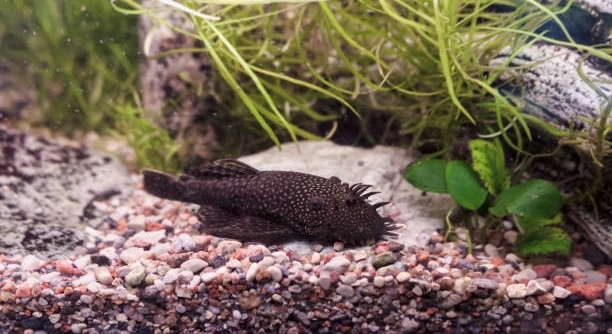
Are your plecos and cichlids sharing the same tank, but you’re unsure if this combination is safe and healthy long-term?
Plecos can live with cichlids, but only under specific conditions. Factors such as tank size, temperament, hiding spots, and water requirements must align for both species to thrive together without stress or harm.
From feeding habits to tank layout, these seven facts can help you create a peaceful and balanced aquarium environment for both fish.
1. Choose Compatible Cichlid Species
Not all cichlids make good tankmates for plecos. Some are too aggressive and territorial, especially during breeding. African cichlids, particularly those from Lake Malawi, often don’t get along with plecos due to their assertive nature and different water preferences. However, some South American cichlids like angelfish, severums, and keyholes tend to be more peaceful. These species generally tolerate plecos better, especially in larger tanks with plenty of hiding spaces. Matching fish with similar environmental needs and mild temperaments is key to preventing stress or injury. If your cichlids tend to chase or nip, plecos may spend too much time hiding, affecting their health. Watching how your fish interact during the first few days is helpful. If one species seems constantly stressed or injured, it’s best to rehome or reconfigure your setup. Avoid pairing plecos with highly aggressive cichlids to reduce conflict and create a stable, peaceful environment for both.
Choose South American cichlids over African ones for better tank compatibility with plecos.
Proper fish selection is the foundation of a peaceful community tank. Start with species that tolerate others well and avoid known aggressors. Compatibility can make the difference between a thriving tank and one filled with tension and injuries.
2. Provide Enough Hiding Spots
Plecos are naturally shy and nocturnal, so they need places to hide during the day.
Driftwood, caves, rocks, and dense plants can offer the cover they need. Without enough hiding spots, plecos may become stressed and stop eating, which weakens their immune system. Territorial cichlids may also chase or nip at them if they’re always in view. Adding décor not only provides shelter but also breaks up sight lines, helping reduce aggression between fish. Even peaceful cichlids can become territorial in an open tank. Spread out the hiding areas throughout the tank to give plecos options and space to retreat. Choose smooth decorations that won’t scrape your pleco’s body. Avoid overcrowding with too many decorations, though—leave open swimming space to maintain good water flow and allow your cichlids room to move around freely. A well-balanced layout benefits both species and promotes natural behaviors. With the right setup, plecos will feel safer and show more activity during nighttime hours.
3. Watch for Aggression and Territory Issues
Cichlids are known for defending their territory, especially during feeding or breeding. If your pleco starts hiding more than usual or shows signs of damage, aggression may be the cause. Keep a close eye on body language and tank dynamics.
Plecos usually stay near the bottom of the tank and keep to themselves, but some cichlids may see them as intruders, especially in smaller tanks. If space is limited, fights can break out over specific spots like caves or corners. Rearranging décor or adding more barriers can help reset territories and reduce aggression. Avoid keeping more cichlids than the tank can support. Overcrowding increases stress and can trigger dominance behavior. Introducing fish at the same time, rather than adding one later, also helps prevent bullying. If aggression continues even after changes, separating the species may be the best solution for long-term health and peace.
Plecos rarely start conflicts but can suffer when cichlids become too territorial. Their large fins and slow movement make them easy targets. If your pleco has missing fins or starts skipping meals, you may need to adjust the tank layout or rehome certain fish. Regular observation will help you catch signs early.
4. Maintain Proper Tank Size and Setup
A tank that’s too small can increase stress and trigger aggression between fish. Aim for at least 55 gallons if you’re keeping plecos and cichlids together.
Both fish need space to claim areas and avoid each other when necessary. Plecos grow large and produce a lot of waste, which requires strong filtration. Cichlids also thrive in clean, well-oxygenated water. Use a filter that handles at least twice the tank’s volume per hour. Make sure the tank has a tight-fitting lid since both species can be active and may jump. A long tank is better than a tall one—it gives more surface area and swimming room. Use fine gravel or sand as a substrate to protect plecos from injury. Add caves, wood, and rock structures on both ends of the tank to break up space and offer shelter. A thoughtfully arranged, spacious tank can prevent most common issues.
5. Feed Them Separately If Needed
Cichlids are aggressive feeders and often eat quickly. Plecos are slower and usually feed at night. If food disappears too fast, your pleco might not get enough. Place sinking wafers near hiding spots to help.
You can also feed plecos after lights go off. This gives them time to eat without competition.
6. Match Water Conditions Carefully
Plecos and most South American cichlids prefer similar water conditions—pH between 6.5 and 7.5 and temperatures around 74–80°F. However, avoid mixing them with African cichlids, who need harder, more alkaline water. Consistent water changes and a strong filter will help maintain the balance. Test your water weekly to catch shifts early. Don’t add salt unless required by illness, since plecos don’t tolerate it well. Use a heater with a reliable thermostat to avoid sudden changes in temperature. Stable, appropriate water conditions reduce stress and support the health of both species, helping them coexist peacefully over time.
7. Monitor Growth and Long-Term Compatibility
As plecos grow larger, they may outgrow certain setups. Be prepared to upgrade the tank or rehome one species.
FAQ
Can plecos live with all types of cichlids?
No, plecos cannot live with all cichlids. While some cichlids, particularly those from South America, can coexist peacefully with plecos, many African cichlids are too aggressive. They often require different water conditions and can become territorial, which can lead to stress or harm for the pleco. It’s important to select species that are known to have compatible temperaments.
Do plecos eat plants in a tank with cichlids?
Most plecos are herbivores and will graze on plants. However, they tend to eat softer plants rather than more robust varieties. If you have plants in the tank, choose ones that are more durable to withstand both plecos and cichlids. Some plecos, like the common pleco, can be destructive to delicate plants. If you want plants in the tank, it’s best to choose varieties that are not easily eaten and provide plenty of other food for the pleco.
How do I prevent plecos from eating my cichlid’s food?
Feeding plecos and cichlids separately can help avoid competition for food. Since plecos are slower feeders, you can give them sinking pellets or wafers, which they can consume at their own pace without interference from cichlids. It’s also beneficial to feed cichlids during the day and plecos during the night, when they are more active. This ensures both species get their fair share of food without conflict.
Will cichlids bully plecos?
Some cichlids may bully plecos, especially in smaller tanks or when the cichlids are breeding. Cichlids are territorial fish, and if they feel threatened or crowded, they may chase or nip at plecos. To reduce bullying, make sure there are plenty of hiding spots and that the tank is large enough for both species. Choosing peaceful cichlid species can also help minimize this issue.
What is the best size tank for plecos and cichlids?
A minimum of a 55-gallon tank is recommended for keeping plecos and cichlids together. Plecos can grow quite large, and cichlids also need space to claim their territories. A larger tank provides enough room for both species to thrive and reduces the chances of aggression. Additionally, a larger tank helps maintain water quality and oxygen levels.
How do I know if my pleco is stressed?
Stress in plecos can show up in several ways. Common signs include hiding more than usual, a lack of appetite, or physical damage like torn fins. If your pleco is constantly hiding and avoiding food, it could be a sign that it is stressed due to tankmates or water conditions. Observe for signs of injury or unusual behavior, and adjust the tank setup if needed.
Can plecos live with other bottom-dwelling fish?
Plecos can live with other bottom-dwelling fish as long as the species are peaceful and don’t compete for space or food. It’s important to ensure that there is enough room at the bottom of the tank for all species to coexist without overcrowding. Keep an eye on any signs of aggression, especially with territorial species like cichlids.
Do plecos need specific water conditions?
Plecos generally prefer water with a pH of 6.5 to 7.5 and temperatures between 74°F and 80°F. They also prefer well-oxygenated water, so using a high-quality filter and aerator is important. If you’re keeping plecos with cichlids, make sure their water requirements align, as some cichlids may prefer slightly more alkaline conditions. Regular water changes and testing will help keep conditions stable.
How can I provide proper filtration for plecos and cichlids?
Plecos produce a lot of waste, so strong filtration is essential. A filter that can handle at least twice the tank’s water volume per hour will help maintain clean water. Choose a filter that offers both mechanical and biological filtration to keep the water clear and remove harmful toxins. Make sure the filter is not too strong for the pleco or cichlid, as it could create strong currents that may stress the fish.
Can plecos be kept in tanks with high flow rates?
Plecos can tolerate moderate water flow, but strong currents may stress them out. They prefer calm, slow-moving water where they can rest and graze. If your tank has a high flow rate, make sure there are areas where the plecos can find shelter and avoid the current. You can also position the filter outlets so that the flow does not directly hit the plecos.
Final Thoughts
When deciding whether plecos can live with cichlids, it’s essential to consider the needs of both species. Plecos and cichlids can coexist in the same tank, but it depends on the type of cichlids you keep and the setup of your aquarium. While some cichlids are peaceful and can live harmoniously with plecos, others are more aggressive and territorial, making it difficult for them to share a space. It’s important to choose cichlids that are known for their calmer nature and to ensure the tank is large enough for both species to have their own space.
Proper tank maintenance is also crucial when housing plecos and cichlids together. Both species produce waste, which can affect water quality quickly. Regular water changes, strong filtration, and consistent water testing will help maintain a healthy environment. Keep an eye on the temperature, pH, and oxygen levels, as these can influence the well-being of both fish. A clean and stable tank environment will reduce stress and aggression, making it easier for your plecos and cichlids to coexist peacefully.
Ultimately, it all comes down to observation and careful planning. Pay attention to any signs of aggression or stress and be prepared to make adjustments if needed. Adding plenty of hiding spots and arranging the tank with enough space for both fish will help minimize conflict. If you notice that the species are not getting along, it may be necessary to separate them to prevent harm. With the right care and setup, plecos and cichlids can live together in a thriving, peaceful tank.

Hello,
If you enjoy the content that we create, please consider saying a "Thank You!" by leaving a tip.
Every little bit helps us continue crafting quality advice that supports the health, happiness, and well-being of pets around the world, for pets of all shapes, sizes, and species.
We really appreciate the kindness and support that you show us!