
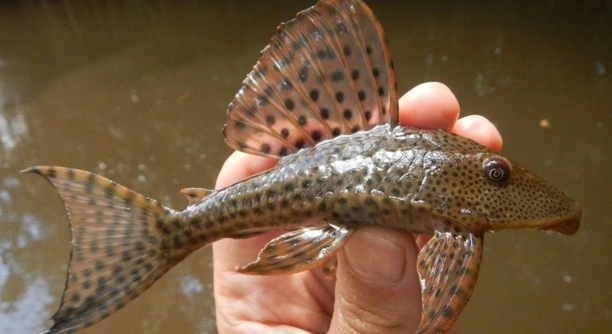
Plecos are popular aquarium fish known for their algae-eating habits and calm nature. Many people enjoy having them as pets in their tanks. However, when it comes to their care, understanding their environment is key to ensuring their health.
Plecos do require a filter to maintain a clean and healthy environment. The filter helps remove waste, control toxins, and provide proper water circulation, all of which are essential for the well-being of your pleco.
Maintaining a filter is crucial for your pleco’s long-term health. It helps mimic their natural habitat, where clean and well-circulated water is essential.
Why Do Plecos Need a Filter?
Plecos are bottom-dwelling fish, often seen grazing on algae and keeping tanks clean. However, they can produce quite a bit of waste, which can quickly pollute the water. Without a proper filter, this waste can accumulate, leading to poor water quality that can harm your pleco and other tank inhabitants. Filters help prevent this by removing excess debris, toxins, and harmful bacteria. This is crucial not only for the pleco but for the overall tank ecosystem.
A filter works by pulling in water, trapping waste particles, and pushing the clean water back into the tank. This process keeps the water flowing and oxygenated, benefiting your pleco. Without it, the water would become stagnant, causing stress for your fish.
Filters also help to regulate water parameters, like ammonia and nitrite levels, which can be toxic to fish. These toxins build up quickly in unfiltered tanks, leading to health problems. For plecos, who are sensitive to water changes, keeping a consistent environment is essential for their well-being.
What Happens Without a Filter?
A tank without a filter quickly becomes an unhealthy environment for any fish. Plecos are no exception. Without filtration, the water becomes polluted, risking the pleco’s health and longevity.
The absence of a filter makes it difficult to maintain clean water. This leads to higher ammonia and nitrate levels, which stress the pleco and can cause skin issues or even death. Healthy water is necessary for their immune system, which helps prevent illness. Plecos rely on the filter to keep harmful substances in check, allowing them to thrive.
In addition to keeping water clean, filters provide water movement, mimicking natural streams and rivers, where plecos are found. Proper water circulation promotes healthy behavior and encourages natural foraging habits. Without this, plecos can become sluggish, and the tank environment can quickly deteriorate. Regular water changes without a filter may not be enough to maintain the right conditions. A filter plays a critical role in keeping the ecosystem balanced and helping your pleco live a happy, healthy life.
Types of Filters for Your Pleco Tank
There are several types of filters available for pleco tanks. The most common ones include sponge filters, hang-on-back (HOB) filters, and canister filters. Each type offers different benefits depending on your tank setup and the needs of your pleco.
Sponge filters are great for smaller tanks and are ideal for gentle filtration. They provide both mechanical and biological filtration without creating strong currents. Plecos prefer calm water, so sponge filters are perfect for them. They’re also safe for baby fish and shrimp, making them a good choice if you have a community tank.
Hang-on-back filters are more suitable for medium to large tanks. They are easy to install and maintain, providing both mechanical and chemical filtration. These filters can help remove toxins and debris effectively. However, they can create a bit more water movement than plecos prefer. If you go with an HOB filter, you may need to adjust the flow rate to suit your pleco’s comfort.
Canister filters are powerful and highly effective in larger tanks. They offer excellent mechanical, chemical, and biological filtration. While they’re typically used for larger setups, they can also be a good option for keeping the water pristine in a pleco tank. However, they tend to create stronger currents, so it’s essential to position them carefully to avoid stressing your pleco.
How to Choose the Right Filter
Choosing the right filter depends on your tank size and pleco species. For smaller tanks or if you have a baby pleco, a sponge filter will do just fine. For larger tanks with more waste, a canister filter might be necessary to maintain clean water.
The first thing to consider is tank size. Small tanks (less than 30 gallons) don’t need overly powerful filters. Sponge filters or small HOB filters will suffice. For tanks 50 gallons and larger, you may need a more robust system like a canister filter. Be sure to check the filter’s flow rate to avoid too much current, as plecos are not strong swimmers and prefer slow-moving water.
Also, think about ease of maintenance. Sponge filters are easy to clean, while canister filters may require more frequent maintenance. It’s also essential to consider noise levels. Canister filters can be louder than sponge or HOB filters, so if you’re sensitive to noise, that’s another factor to keep in mind.
Filter Maintenance for Pleco Tanks
Maintaining your filter is essential for keeping your pleco’s tank clean. Regular maintenance ensures the filter runs efficiently and the water stays healthy. How often you clean depends on the type of filter you use, the tank size, and the fish load.
For sponge filters, cleaning is usually simple. Rinse the sponge in aquarium water to avoid killing beneficial bacteria. This should be done every two to four weeks, or whenever you notice the flow slowing down. HOB filters should be cleaned every month. This involves cleaning the filter media and ensuring the impeller is free from debris. Canister filters require more attention and should be cleaned every three months. Disassemble the parts and rinse the filter media in aquarium water to prevent bacteria loss.
A filter that is not properly maintained can cause water quality issues. Dirty filters work inefficiently, leading to poor circulation and increased waste buildup. This can stress your pleco and cause health problems. Regular cleaning helps your filter work as it should, maintaining a stable and clean environment for your fish.
Filter Placement
The placement of your filter is just as important as the filter type. For plecos, it’s crucial to ensure the filter doesn’t create a strong current. Position the filter in a way that avoids pushing water directly onto your pleco.
Filters should be placed at one end of the tank. This creates a gentle water flow that moves throughout the tank. Avoid placing filters near areas where your pleco likes to hide or rest. You want to prevent them from being swept around too much.
Signs Your Pleco Needs a New Filter
Your pleco may start showing signs of stress if the filter is not working properly. If the water becomes cloudy or there’s an increase in algae growth, it may be time to clean or replace the filter. These are signs that the filtration system isn’t functioning as it should.
Check the filter’s performance regularly. If you notice a drop in water flow, unusual noises, or the filter fails to remove debris, it might need an upgrade. A new filter will help restore water quality and create a better environment for your pleco.
FAQ
Do plecos need a filter if the tank is planted?
Even in a planted tank, plecos still need a filter. While plants help absorb some toxins and provide oxygen, they can’t do all the work. A filter ensures waste, uneaten food, and toxins are removed from the water, maintaining a healthy environment for both your pleco and plants. Without proper filtration, your tank may develop unhealthy water conditions, affecting your pleco’s health and causing algae growth that could harm the plants.
Can plecos live without a filter in a small tank?
In very small tanks, like nano tanks under 10 gallons, it’s still important to have a filter. While small tanks might seem easier to maintain, they can actually become toxic faster due to the buildup of waste. A filter helps keep the water clean and stable. If you’re not able to use a filter, you’d need to do frequent water changes, but a filter is always the better option for plecos, even in small tanks.
What is the best filter for a pleco tank?
The best filter for your pleco tank depends on its size and your pleco’s behavior. For smaller tanks, a sponge filter is great as it provides gentle water movement. For larger tanks, a canister filter is effective because it offers powerful filtration. Hang-on-back filters are also a good choice for medium-sized tanks, but make sure the water flow isn’t too strong for your pleco. It’s important to select a filter that provides efficient filtration without disturbing the pleco’s natural habitat.
How often should I clean the filter in a pleco tank?
Cleaning your filter depends on the type you have and the size of your tank. Sponge filters should be cleaned every 2-4 weeks, while hang-on-back filters need cleaning about once a month. Canister filters need to be cleaned every 3 months. If you notice the flow rate slowing down or the water becoming cloudy, it’s a good idea to check your filter sooner. Always rinse the filter media in aquarium water to avoid killing beneficial bacteria.
Can plecos live in tanks without filters if I do frequent water changes?
While frequent water changes can help remove waste and toxins, they’re not a substitute for a filter. Without a filter, you’ll have to do water changes much more often, and there’s always the risk of toxins building up in between changes. A filter is more efficient and provides constant circulation, which helps maintain a stable and healthy environment. Even with regular water changes, it’s still best to have a filter running continuously.
What happens if a pleco tank has too much current?
Plecos are bottom-dwelling fish that prefer slow-moving water. If the current in your tank is too strong, it can stress your pleco, affecting its health. You may notice your pleco hiding more often or struggling to swim. It can also cause them to burn more energy than they should. If your filter creates too much flow, try adjusting the output or redirecting the water with plants or decorations to create a calmer area in the tank.
Do plecos produce a lot of waste?
Yes, plecos produce a fair amount of waste, especially as they grow larger. They are constantly eating algae, but they also need supplemental feeding, which leads to more waste. A filter helps manage this by trapping debris and breaking down harmful substances like ammonia and nitrites. If you have more than one pleco or additional fish, the waste can build up quickly. That’s why a good filter is essential for keeping the water clean.
Can plecos live in tanks with no aeration?
While plecos don’t need aeration in the form of bubbles, they do require water movement. This helps oxygenate the water and keeps it from becoming stagnant. A filter provides both filtration and water movement, which helps oxygenate the tank. If you don’t have a filter, you might need an aeration pump or air stone to ensure the water has enough oxygen, especially if you’re keeping multiple fish.
What if my pleco is not eating algae in my tank?
If your pleco is not eating algae, there could be several reasons. It may not be hungry, or there might not be enough algae in the tank. Plecos also need a varied diet, including sinking pellets, vegetables like zucchini, and occasional protein-rich foods like shrimp. If you’re not seeing your pleco eat algae, try supplementing with these foods. Also, check the water quality. Poor water conditions can affect a pleco’s appetite.
Can a pleco filter out water on its own?
No, plecos cannot filter water on their own. While they help clean algae off surfaces, they don’t do the necessary filtration work needed for the entire tank. A filter is essential for keeping the water clean and safe for your pleco. It’s important to understand that a pleco’s algae-eating habits don’t replace the need for a proper filtration system.
Should I use a filter with a pleco if I have other fish?
Yes, even if you only have one pleco in the tank, using a filter is still necessary, especially if you have other fish. Different fish species contribute to waste in the tank, and a filter will help manage that waste, ensuring the water remains safe and clean. In a tank with multiple species, the filter becomes even more critical in maintaining the water quality.
Can plecos live in tanks with too much filtration?
While plecos need filtration, too much filtration can harm them. Strong currents can cause stress, especially for plecos that are adapted to slower-moving water. Make sure the filter’s flow rate is appropriate for your pleco’s needs. You can adjust the filter flow or use a filter with adjustable settings to ensure the current is gentle enough for your fish.
Final Thoughts
Having a filter in your pleco tank is essential for their well-being. Plecos, while hardy fish, need clean water to thrive, and a filter helps maintain that. They produce waste, and without a filter, that waste can quickly build up and make the water unhealthy. A filter removes debris, toxins, and excess food, ensuring that your pleco has a safe and comfortable environment. Even if you have a planted tank or do frequent water changes, a filter still plays a crucial role in keeping the water clean. Filters provide constant water movement, which is beneficial not only for plecos but for other tank inhabitants too.
The type of filter you choose depends on your tank size, pleco species, and your personal preferences. Smaller tanks are better suited for sponge filters, while larger setups can benefit from hang-on-back or canister filters. Each filter has its pros and cons, but the key is selecting one that suits your tank and pleco’s needs. For example, plecos prefer slow-moving water, so a filter that creates a strong current may not be ideal. Ensuring that the water flow is gentle and appropriate for your pleco is just as important as choosing a filter that can handle waste removal.
Regular filter maintenance is just as important as choosing the right filter. Clean your filter according to its type and the needs of your tank. Neglecting to maintain the filter can lead to decreased performance and dirty water. In some cases, it might be necessary to replace the filter if it becomes too worn out. Remember, a filter isn’t a “set it and forget it” piece of equipment—it requires attention to ensure your pleco continues to thrive. By taking these simple steps, you can help your pleco live a healthy, happy life in a clean, filtered tank.

Hello,
If you enjoy the content that we create, please consider saying a "Thank You!" by leaving a tip.
Every little bit helps us continue crafting quality advice that supports the health, happiness, and well-being of pets around the world, for pets of all shapes, sizes, and species.
We really appreciate the kindness and support that you show us!