
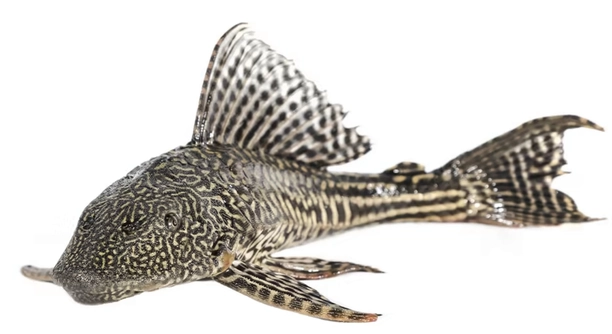
Is your plecostomus suddenly more active around the gravel, stirring things up in its tank like never before? This behavior might seem odd at first, especially if it’s a new habit for your fish.
Plecostomus often dig in gravel as part of their natural behavior related to foraging, nesting, or territory marking. This digging is usually harmless and reflects instincts they would display in the wild to seek food or create shelter.
Understanding these habits can help you create a more comfortable environment and ensure your pleco stays happy and healthy in your aquarium.
Why Plecos Dig: Natural Instincts at Work
Plecostomus are bottom-dwelling fish with strong instincts to dig and forage. In the wild, they sift through sediment and gravel looking for food like algae, detritus, and plant matter. This behavior continues in home aquariums. When your pleco digs, it’s often just doing what feels natural. It may also be clearing a space to rest or creating a comfortable hiding spot. Some plecos even dig more when they’re stressed, looking for security. Gravel lets them feel more at home, offering texture and resistance similar to riverbeds. It’s a behavior rooted in their biology and not usually something to worry about.
Digging is a normal action for plecos. It allows them to feel secure and interact with their environment in a healthy way.
If your pleco’s digging seems excessive, make sure the tank has enough food, hiding spots, and space. These things help reduce stress and support healthy behavior patterns overall.
When Digging Could Mean a Problem
Watch for digging combined with erratic swimming, weight loss, or hiding all the time. These could be signs of stress or health problems.
Sometimes digging isn’t just about comfort. If the water quality is poor, your pleco might dig to escape discomfort. Ammonia spikes, low oxygen levels, or sudden temperature changes can all trigger this. Breeding behavior is another possibility—males may dig to attract females or protect eggs. Also, if your pleco is growing, it might be adjusting its space to fit its new size. Keep an eye on the tank layout and other fish too. Territorial issues can make a pleco dig more to establish its own area. Test your water regularly, provide a varied diet, and ensure the tank is large enough. A clean and stable tank can go a long way in keeping your pleco calm and its digging in check.
Gravel Choice Matters More Than You Think
Not all gravel is ideal for plecos. Sharp or large gravel pieces can cause injury or discomfort during digging. Fine, smooth gravel or soft sand works better and feels more natural under their bodies.
Choosing the right substrate makes a difference in how your pleco behaves. When gravel is too coarse, it can limit their movement or even scratch their undersides. This can lead to stress or infections over time. Soft sand or small, rounded gravel is safer and allows your pleco to dig freely. It also makes it easier to spot food particles and waste, helping with tank cleanliness. Substrate should be deep enough for them to move but not so deep that it traps waste or lowers water quality. Good substrate supports their instincts and comfort while keeping things easy for you to maintain.
Besides digging safety, substrate can affect your pleco’s feeding. Food often sinks into gravel, and fine material makes it easier for them to sift through and find it. Larger chunks may hide food, causing it to rot and foul the water. This can lead to unnecessary stress or health issues. A soft, clean substrate makes both foraging and tank upkeep much simpler over time.
Creating a Comfortable Space for Your Pleco
A peaceful, well-structured tank reduces stress and digging driven by discomfort. Hiding spots, low lighting, and minimal noise can help keep plecos calm and content.
Tank layout plays a big role in their behavior. Plecos enjoy shaded areas, driftwood, and caves. These features mimic their natural habitat and give them places to rest or hide when needed. Without them, plecos may dig more often, trying to create their own safe zone. If you keep more than one pleco or have other bottom-dwelling fish, make sure there’s enough space to avoid territorial stress. Keep lighting dim, since they are mostly active at night and may hide more during the day if it’s too bright. Also, avoid frequent rearranging of the tank, which can confuse them and increase their need to adjust their surroundings. A stable environment with the right features makes all the difference in keeping your pleco happy and relaxed.
Signs the Behavior Is Nothing to Worry About
If your pleco is eating well, has clear eyes, and remains active at night, the digging is likely normal. Consistent patterns without signs of distress usually mean it’s just comfortable and expressing natural instincts.
You might also notice your pleco digging in the same area repeatedly. This can be linked to territory marking or comfort. As long as the tank conditions are good and there are no physical signs of illness, the behavior is generally harmless and expected.
What to Do If It Becomes Excessive
If the digging gets constant and your pleco seems stressed or is disturbing the tank setup too often, check water parameters first. Look at ammonia, nitrite, nitrate levels, and temperature. A spike in any of these can lead to discomfort. Also, observe interactions with other fish—bullying or crowding can trigger compulsive digging. You can try adjusting the layout by adding more hiding spaces or improving filtration to reduce stress. Feed at consistent times and ensure it’s getting enough of the right food. Making small changes one at a time helps pinpoint what’s off. Plecos often respond quickly once things are corrected.
Final Thoughts on Pleco Digging
Plecostomus digging is often natural, but noticing small changes early helps prevent bigger issues later on.
FAQ
Is it normal for plecos to dig every day?
Yes, daily digging is normal for many plecos, especially if they are active and healthy. This behavior is a mix of searching for food, exploring their space, and establishing territory. Some plecos may dig more depending on their personality or the tank setup. As long as the fish is eating, swimming normally, and not showing signs of stress, there’s no need to worry about daily digging.
Can plecos hurt themselves while digging?
Yes, if the substrate is too sharp or rough, plecos can scratch their bellies or fins. Over time, this can cause infections or stress. Using smooth, fine gravel or soft sand helps avoid these problems. Also, watch for any decorations with sharp edges that could be exposed by digging. Keeping the tank clean helps wounds heal faster if minor scrapes happen.
Do plecos dig more at night?
Yes, plecos are more active at night and do most of their exploring, eating, and digging when the lights are off. If your pleco seems calm during the day but you notice disturbed gravel in the morning, it’s likely digging overnight. This is a natural part of their nocturnal behavior and not a sign of trouble.
Can pleco digging ruin my aquascape?
Yes, plecos can disrupt carefully arranged decorations, plants, or substrate lines. They might dig under rocks or move gravel around rooted plants. If you want to keep your aquascape intact, choose hardier plants with strong roots and secure decorations well. Placing barriers or using heavier substrate in certain areas can also help reduce disruptions.
Is digging a sign of breeding behavior?
It can be. Male plecos sometimes dig small pits or clear spaces when they are ready to breed or hoping to attract a female. They may choose a specific spot, like under a piece of driftwood, and return to it often. If you have a pair in the tank and notice one guarding the area, breeding behavior could be starting.
How can I tell if the digging is from stress?
Stress-related digging is often paired with other behaviors—like hiding more than usual, refusing food, or darting around the tank. The pleco may also seem restless or dig frantically instead of calmly. Checking water quality, food intake, and tankmates can help determine if stress is the cause. A calm, healthy pleco usually digs slowly and sticks to a few favorite spots.
Can other fish cause plecos to dig more?
Yes, tankmates can influence pleco behavior. Aggressive or overly active fish might push plecos to hide or dig out new safe spaces. If the tank feels crowded or there’s competition for hiding spots, plecos may start digging more often. Providing enough room and decor can reduce tension and help your pleco feel secure.
Will adding more hiding places reduce digging?
It can help. When plecos feel secure with enough shelters, they may dig less often or only in certain areas. Caves, driftwood, and plants give them comfort and reduce the need to create new spaces themselves. A well-designed layout often leads to more relaxed and balanced behavior.
Should I worry if my pleco starts digging suddenly?
Sudden changes in behavior always deserve a closer look. If your pleco never dug before and suddenly starts doing it a lot, check for changes in water quality, food routine, lighting, or tankmates. While it could be a harmless habit, ruling out stress or health problems is important for long-term care.
Does gravel color or type affect their digging?
Plecos don’t mind color, but they do respond to texture and depth. Smooth, soft substrates feel better for digging and reduce the risk of injury. Lighter-colored gravel can make waste and food more visible, which might influence their digging areas. Choose materials that support both comfort and cleanliness.
Final Thoughts
Plecostomus digging is a behavior that often surprises new fish keepers, but it is usually nothing to worry about. Most of the time, it’s a natural action linked to the fish’s instincts. In the wild, plecos dig to search for food, create hiding spots, and claim territory. These habits continue in home aquariums, especially if the environment gives them space and freedom to move. If your pleco is eating well, swimming normally, and showing no signs of illness, digging is a positive sign that it feels comfortable in the tank. It means the fish is active and interacting with its surroundings in a healthy way.
However, it’s still important to pay attention to how often and how intensely your pleco is digging. If the digging becomes constant or seems aggressive, it might be a sign of stress. Things like poor water quality, a lack of hiding places, bright lights, or unfriendly tankmates can all make your pleco feel unsafe. In those cases, it may dig more to try and find shelter or relief. Always check water parameters, feeding schedules, and the tank layout if you notice a sudden change in behavior. Even though digging is normal, it’s also a way your pleco communicates. If something’s wrong, digging might be one of the first signs.
Setting up the right environment is the best way to support your pleco. Use soft, smooth substrate to avoid injury and make it easier for your pleco to sift through the gravel. Add caves, driftwood, or plants to give them places to hide and relax. Avoid sudden changes in the tank layout, and keep lighting low to match their natural rhythm. If you care for your pleco’s basic needs and watch for signs of stress, you’ll likely find that digging is just one of its regular habits. With the right setup and a bit of patience, your pleco can stay healthy and active for years, and its digging will feel like a normal part of your aquarium routine.

Hello,
If you enjoy the content that we create, please consider saying a "Thank You!" by leaving a tip.
Every little bit helps us continue crafting quality advice that supports the health, happiness, and well-being of pets around the world, for pets of all shapes, sizes, and species.
We really appreciate the kindness and support that you show us!