
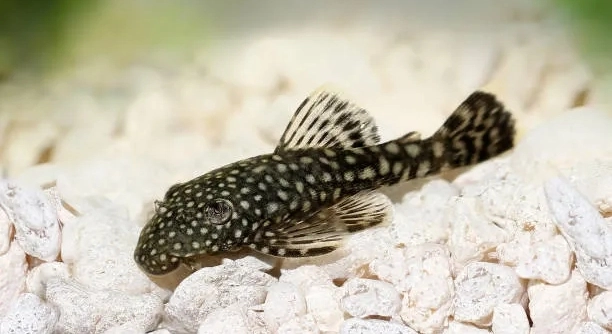
Many pleco owners struggle with waste management in their tanks. Excess waste can affect water quality and fish health, leading to increased maintenance efforts. Implementing a few simple strategies can help reduce this problem.
Efficient waste reduction in pleco tanks requires regular water changes, optimized feeding routines, and maintaining proper filtration systems. Additionally, reducing uneaten food and removing debris promptly can significantly improve water clarity and overall tank conditions.
Reducing waste in your pleco tank will help maintain a healthy environment and ensure the long-term wellbeing of your fish.
Regular Water Changes
One of the easiest ways to reduce waste in pleco tanks is by performing regular water changes. This helps remove excess waste, uneaten food, and harmful toxins that accumulate in the water. Changing about 25% to 30% of the water every week or biweekly will keep the tank cleaner and healthier for your plecos. Keeping the water clean is crucial to their overall health, as high levels of ammonia and nitrates can lead to stress or disease. Regular water changes also improve the efficiency of the filtration system and promote healthier tank conditions.
A clean tank reduces the risk of health issues in plecos. As waste accumulates, it can cause oxygen levels to drop and increase harmful bacteria. Fresh water helps maintain stable conditions and prevents these problems.
Maintaining clean water is key for pleco health. The water should be tested for ammonia, nitrites, and nitrates regularly to ensure levels are safe. If these levels rise, consider adjusting the filtration system or increasing the frequency of water changes.
Optimize Feeding Habits
Feeding your plecos the right amount of food can reduce waste significantly. Overfeeding is one of the main causes of excess waste, as uneaten food can quickly decompose and pollute the water. Stick to feeding them small portions that they can consume in a few minutes.
Feeding plecos once or twice a day is usually sufficient. Watch how much they eat and adjust accordingly. Leftover food can cause excess waste and disrupt the water’s balance. You may also consider feeding them at night when they are most active, ensuring that they consume the food right away.
Plecos are bottom feeders, and they might ignore floating food. Offering sinking pellets or algae wafers ensures that the food reaches the bottom where they can easily access it. Monitoring their food intake helps maintain a clean and balanced tank.
Proper Filtration System
A strong filtration system is essential for reducing waste in pleco tanks. A high-quality filter helps remove debris and excess food from the water. Ensure that the filter is rated for the tank’s size, as underpowered filters will be ineffective at maintaining water quality.
Regular maintenance of the filter is important. Clean the filter media and replace it when necessary to ensure it works efficiently. A clogged filter will not remove waste properly, leading to poor water conditions.
Check the flow rate of the filter as well. If the current is too strong, it might disturb your pleco and make it harder for them to settle. Adjusting the filter flow can create a balanced environment.
Remove Debris Promptly
Removing debris right away prevents it from decomposing and causing water quality issues. Use a siphon to clean up waste and leftover food regularly. This simple step goes a long way in reducing the buildup of waste and toxins.
Use a Substrate That Supports Cleanliness
The substrate in your pleco tank plays a role in waste reduction. Gravel or sand allows debris to settle on the surface, where it can be easily cleaned. Avoid using substrates that trap food and waste beneath them, as this can create hidden pollution that will affect water quality.
FAQ
How often should I change the water in my pleco tank?
Water changes should be done every week or two, with 25% to 30% of the water replaced. The frequency may vary depending on the tank size and the number of plecos. Smaller tanks tend to need more frequent water changes due to waste accumulation. Regular water changes help remove toxins, uneaten food, and waste, keeping the water fresh and the plecos healthy.
Can plecos live in tanks with poor filtration?
Plecos can survive in tanks with poor filtration, but it’s not ideal for their health. A strong filtration system helps maintain water quality by removing waste and preventing the buildup of harmful toxins like ammonia and nitrites. Without proper filtration, plecos may be more prone to stress, disease, and poor water conditions, which can significantly shorten their lifespan.
What kind of food should I feed my plecos to minimize waste?
To minimize waste, feed your plecos small portions of food they can consume within 5 minutes. Avoid overfeeding, as uneaten food leads to waste and dirty water. Plecos are bottom feeders, so sinking pellets, algae wafers, or fresh vegetables like zucchini and cucumber are ideal choices. These foods are easier for them to eat without leaving too much leftover debris in the tank.
How can I clean my pleco tank without causing stress?
Use a gentle approach when cleaning the tank to avoid stressing your pleco. Siphon debris carefully from the substrate and change water slowly. Avoid disturbing the pleco too much, as it may become stressed. Clean the filter regularly and replace the media as needed to ensure water remains clean. Make sure the water temperature and pH are stable during and after cleaning.
Is it okay to use a gravel vacuum in a pleco tank?
Yes, using a gravel vacuum in a pleco tank is an effective way to remove debris and waste from the substrate. Plecos tend to be bottom-dwellers, and their food can easily get trapped in the gravel. A vacuum helps clean up uneaten food and waste without disturbing the pleco too much. However, be gentle to avoid stressing the fish.
What is the best substrate for a pleco tank?
The best substrate for a pleco tank is one that is easy to clean and does not trap food and waste. Fine gravel or sand are ideal options, as they allow debris to sit on the surface where it can be easily removed. Avoid using substrates with sharp edges, as these can harm your pleco’s delicate skin.
Can plecos help reduce waste in the tank?
Plecos are natural algae eaters, which can help reduce some organic waste in the tank. They will graze on algae, uneaten food, and other organic matter, which can reduce the amount of waste in the tank. However, they are not a substitute for regular tank maintenance, water changes, and proper filtration. You will still need to clean the tank regularly.
Should I remove uneaten food from the tank?
Yes, removing uneaten food from the tank is important to prevent waste buildup and water contamination. Uneaten food can quickly decay and release toxins into the water, which harms your pleco and other tank inhabitants. Use a siphon or net to remove leftover food after feeding, ensuring it doesn’t sit in the tank for long periods.
How can I improve the efficiency of my filter?
To improve the efficiency of your filter, make sure it is appropriately sized for your tank and pleco population. Clean the filter regularly to prevent it from becoming clogged. If your filter has multiple stages, ensure that each one is functioning correctly. Consider upgrading to a more powerful filter if the current one is insufficient to handle the waste load in the tank.
Are plecos sensitive to water changes?
Plecos can be sensitive to sudden changes in water conditions, especially when it comes to temperature and pH levels. When changing the water, make sure it is at the same temperature as the tank water to avoid shocking the pleco. Gradually adjust the water parameters over time to avoid stress. Regular, smaller water changes are less likely to cause issues than large, infrequent ones.
How can I reduce algae buildup in my pleco tank?
To reduce algae buildup, maintain a balanced tank environment. Control light exposure, as excessive lighting encourages algae growth. Keep up with regular water changes and remove any visible algae by hand or with an algae scraper. Plecos can help with algae control, but they cannot eliminate the need for proper tank maintenance.
Do plecos need a specific water temperature?
Yes, plecos thrive in warm water temperatures between 74°F and 80°F (23°C to 27°C). Water that is too cold or too hot can stress them and weaken their immune system. Make sure to use a reliable aquarium heater to maintain the proper temperature range, and monitor it regularly to keep conditions stable.
How often should I clean the filter media?
Clean the filter media once a month or whenever it appears clogged. Over-cleaning the filter can remove beneficial bacteria that help maintain a healthy tank. Rinse the media with tank water rather than tap water to preserve these bacteria. Check the filter regularly for signs of damage and replace any worn-out parts to ensure optimal filtration.
Can plecos live with other fish?
Plecos are generally peaceful and can live with many other fish species, as long as the tank is large enough. They may get along well with community fish like tetras, guppies, and corydoras. However, avoid keeping them with aggressive fish that might harm them. Make sure there is enough space and hiding spots in the tank for all species to coexist comfortably.
Final Thoughts
Maintaining a clean and healthy pleco tank requires careful attention to feeding, water quality, and regular tank maintenance. While plecos are hardy fish, they still need a well-maintained environment to thrive. Small changes, like adjusting feeding habits, using the right substrate, and ensuring proper filtration, can make a big difference in reducing waste and keeping your tank clean. It’s essential to find a balance between keeping your plecos healthy and maintaining the overall tank ecosystem. A few simple practices can go a long way in promoting both their well-being and the quality of the water they live in.
In addition to proper care, monitoring your pleco’s behavior and tank conditions regularly will help you spot any issues before they become significant problems. If you notice a decline in water quality or the pleco’s health, act quickly to identify the cause and take corrective measures. Be mindful of water temperature, pH, and ammonia levels, as these factors can directly impact the pleco’s health. Regular water changes, proper filtration, and the use of a good substrate will ensure that the environment remains stable and clean. By staying on top of these factors, you can avoid common problems that affect plecos and other tank inhabitants.
Ultimately, creating an environment that minimizes waste and keeps the water clean not only benefits your plecos but also helps to ensure the health of the entire tank. While plecos are effective at eating algae and cleaning up some of the food debris, they are not a substitute for good tank management practices. Regular maintenance, the right feeding habits, and the correct tank setup will go a long way in maintaining a beautiful, healthy tank for both your plecos and any other fish you choose to keep. With the right approach, you can enjoy a low-maintenance, waste-free aquarium that supports the well-being of its inhabitants.

Hello,
If you enjoy the content that we create, please consider saying a "Thank You!" by leaving a tip.
Every little bit helps us continue crafting quality advice that supports the health, happiness, and well-being of pets around the world, for pets of all shapes, sizes, and species.
We really appreciate the kindness and support that you show us!