
When it comes to aquarium fish, Plecos are known for their interesting appearance and helpful nature. They can also make a stunning addition to your tank. Here are seven cool-looking Pleco species to consider.
The seven Pleco species highlighted in this article are unique in both appearance and behavior. They are popular choices for aquarium enthusiasts due to their striking features, such as vibrant colors, distinctive patterns, and fascinating growth.
Each species offers something different, making it easy to choose the one that best fits your aquarium setup.
1. Bristlenose Pleco
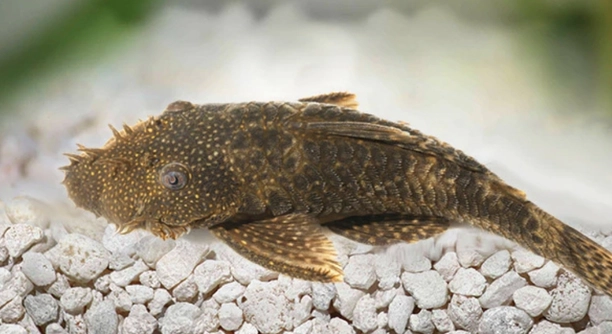
The Bristlenose Pleco is one of the most popular Pleco species for home aquariums. Known for its unique appearance, this fish has small, bristly protrusions on its face, which give it a distinct look. These plecos are small in size, making them perfect for smaller tanks. Bristlenoses are also hardy and easy to care for, thriving in a variety of environments. They help keep your tank clean by consuming algae, and their peaceful nature makes them a good fit for community tanks. A Bristlenose Pleco’s brown and gray color patterns blend in well with many tank setups.
Although they are relatively low-maintenance, Bristlenose Plecos do need regular water changes to stay healthy. Their diet consists mostly of algae, but they also enjoy occasional plant matter or vegetables. Make sure to provide plenty of hiding spots, as these fish prefer areas where they can feel secure.
In addition to their algae-eating skills, Bristlenose Plecos help keep the water quality in your tank high by consuming excess organic matter. This makes them a beneficial addition to almost any aquarium setup.
2. Leopard Frog Pleco
The Leopard Frog Pleco is named for its unique pattern of spots resembling those of a leopard. This species stands out because of its bold color contrast. They are perfect for aquariums with darker substrates, as their light-colored spots pop against the backdrop. Unlike other Plecos, Leopard Frog Plecos are a bit more active, often seen darting around their environment. They are also efficient algae eaters but will sometimes nibble on wood or plant material. This species thrives in tanks with plenty of hiding spots and areas to graze on.
Leopard Frog Plecos require a balanced diet that includes both algae and supplementary foods such as sinking pellets or vegetables. Make sure they have enough space to explore, as they enjoy swimming and moving around.
As a slightly larger Pleco species, Leopard Frog Plecos need a tank that is at least 30 gallons in size. They are not as easy to spot as smaller Plecos but definitely bring a unique touch to any tank with their striking appearance.
3. Snowball Pleco
The Snowball Pleco is known for its striking white spots that resemble snowflakes. These fish are small but have a distinct presence, especially in darker tanks. They thrive in well-maintained aquariums with stable water conditions. Snowball Plecos are shy and prefer to hide, making them best suited for tanks with plenty of caves and crevices.
Their diet mainly consists of algae, but they also enjoy sinking pellets, wafers, and some plant matter. Snowball Plecos are slow growers, so they won’t outgrow most home aquariums quickly. They can coexist with other peaceful fish but may become more active at night.
One important consideration for the Snowball Pleco is the need for a clean environment. These fish are sensitive to poor water quality, so regular water changes are essential. Maintaining the right water parameters will help them thrive, especially when housed with other peaceful species in a community tank.
4. Gold Nugget Pleco
The Gold Nugget Pleco is one of the most visually stunning Plecos. With its bright yellow spots on a black body, it’s impossible not to notice. This species prefers slower-moving waters and thrives in aquariums with excellent filtration. They tend to be nocturnal, spending most of the day hiding and becoming more active during the evening.
Their diet is mainly composed of algae, supplemented with vegetables and occasional protein-rich foods like worms. Gold Nugget Plecos can be territorial, so providing enough space and hiding spots will help reduce any potential aggression. They are also best kept in aquariums with other non-aggressive species.
Gold Nugget Plecos require clean, well-oxygenated water with slightly acidic to neutral pH levels. While they are more challenging to care for than other Pleco species, their unique appearance makes them well worth the effort. Their stunning color contrast can add an exotic touch to any tank.
5. Queen Arabesque Pleco
The Queen Arabesque Pleco is a striking fish with a beautiful pattern of white lines against a dark background. This species is smaller, typically reaching around 3-4 inches, making it ideal for smaller tanks. They enjoy hiding and are often seen among rocks or driftwood.
These Plecos are peaceful and prefer low light conditions, which help bring out their unique patterns. They thrive in well-planted aquariums and do well with other non-aggressive species. Queen Arabesque Plecos are best suited for tanks with stable water parameters and plenty of hiding spots.
Queen Arabesque Plecos are relatively easy to care for, but they require a diet that includes algae, sinking pellets, and occasional vegetables. Regular water changes are important to keep them healthy. They are an excellent choice for those looking for a beautiful, low-maintenance Pleco.
6. Goldline Pleco
The Goldline Pleco is another stunning species, characterized by its golden stripes on a dark body. These Plecos stand out in aquariums due to their contrast in color, making them a favorite among aquarium owners. They can grow up to 7 inches, so a larger tank is recommended.
Goldline Plecos are quite peaceful and are great for community tanks, though they can be territorial with their kind. They enjoy a diet of algae and sinking pellets but will also eat wood and plant matter. Providing them with driftwood will help meet their natural dietary needs.
Their care requirements are similar to other Plecos, with a need for clean water and stable conditions. Goldline Plecos are relatively low-maintenance, making them an ideal choice for those new to keeping Plecos.
7. Zebra Pleco
The Zebra Pleco is known for its black and white stripes, which resemble a zebra pattern. This fish is smaller, typically growing to around 4 inches. It is one of the more expensive Plecos, but its striking appearance justifies the price. It is mostly nocturnal and prefers cooler water temperatures.
Zebra Plecos require a well-maintained aquarium with plenty of hiding spots. They are best kept in tanks with peaceful species that won’t disturb them. These fish are also sensitive to water quality, so regular water changes and good filtration are essential for their health.
FAQ
What is the best Pleco species for beginners?
For beginners, the Bristlenose Pleco is one of the easiest species to care for. It is hardy, small, and adaptable to a variety of tank conditions. It also requires minimal attention compared to other species. They thrive in community tanks, are efficient algae eaters, and do not grow too large, making them a good fit for smaller tanks. They are also peaceful, which reduces the risk of conflicts with other fish in the aquarium.
Do Plecos require a special diet?
Plecos primarily feed on algae, but they also need other foods to maintain a balanced diet. They enjoy sinking pellets, wafers, and vegetables such as zucchini and cucumber. It’s important to provide them with a variety of food sources to ensure they receive all necessary nutrients. In addition, some Plecos, such as the Gold Nugget Pleco, may occasionally eat wood. Make sure to supplement their diet with these items to keep them healthy.
How big do Plecos get?
The size of a Pleco depends on the species. For example, the Bristlenose Pleco usually grows to about 4-5 inches, while larger species like the Goldline Pleco can reach up to 7 inches. The Zebra Pleco, on the other hand, stays smaller, typically growing to around 4 inches. It is important to choose a Pleco species based on the size of your aquarium. Larger species will need more space and larger tanks to thrive.
Can Plecos live with other fish?
Yes, Plecos are generally peaceful fish and can live with many other species. They work well in community tanks, especially with other non-aggressive fish. However, some Plecos, such as the Gold Nugget Pleco, can be territorial, especially with their own kind. It is best to provide plenty of hiding spots and space to avoid conflicts. Species like the Bristlenose Pleco are more social and get along with a wide variety of fish.
How do I set up a tank for a Pleco?
Setting up a tank for a Pleco involves ensuring there are plenty of hiding spots, such as caves or driftwood. Plecos prefer tanks with a mix of open areas for grazing on algae and dark corners for security. A substrate of fine gravel or sand is ideal. You’ll also need an efficient filtration system to maintain water quality, as Plecos produce a lot of waste. It is crucial to maintain stable water conditions, including pH, hardness, and temperature, based on the species you choose.
Do Plecos need a heater?
Most Pleco species prefer warm water, so a heater is often necessary, especially for species like the Gold Nugget Pleco or the Zebra Pleco. The water temperature should generally be kept between 75°F and 80°F (24°C to 27°C) for most Plecos. However, there are species like the Zebra Pleco that prefer slightly cooler conditions, around 70°F (21°C). Always check the specific requirements of the species you own to ensure they stay comfortable and healthy.
How often should I feed my Pleco?
Plecos should be fed once or twice a day, depending on the species and their individual needs. It’s important to feed them only what they can consume within a few hours to avoid overfeeding, which can lead to water quality issues. For species that primarily eat algae, such as the Bristlenose Pleco, you may not need to feed them every day if their tank has enough algae. However, supplementing with vegetables or pellets ensures they are getting the right nutrients.
Can Plecos eat too much?
Yes, Plecos can overeat if they are given too much food, especially when feeding commercial food items like pellets or wafers. Overfeeding can lead to poor water quality and obesity in the fish, which can negatively impact their health. It is important to monitor their food intake and adjust accordingly. Plecos generally prefer to graze, so offering small portions spread throughout the day will allow them to eat at their own pace without overconsumption.
What kind of water do Plecos need?
Most Plecos prefer clean, slightly acidic to neutral water. The ideal pH range for most Pleco species is between 6.5 and 7.5. They also thrive in soft to moderately hard water. Regular water changes are important to maintain the proper water quality, as Plecos are sensitive to changes in their environment. It is also essential to maintain stable water temperature and oxygen levels. If you’re unsure about the specific needs of your Pleco species, always check their care requirements to ensure their environment stays within the right parameters.
Are Plecos nocturnal?
Many Plecos, such as the Zebra Pleco and Snowball Pleco, are nocturnal. They tend to be most active during the night, foraging and grazing on algae. During the day, they often hide in caves or among rocks to rest. If you’re hoping to see your Pleco active during the day, consider selecting a more diurnal species or providing sufficient hiding spots so they can feel secure while still giving you glimpses of their behavior.
How do I maintain water quality for my Pleco?
Maintaining water quality is essential for Plecos. This involves regular water changes, ideally 25-30% every week, depending on the size of the tank. A good filtration system is a must, as it helps to remove waste and maintain clear water. You should also monitor the water parameters, including pH, hardness, and temperature, to ensure they stay within the optimal range for your Pleco species. Keeping the tank clean by removing uneaten food and debris will also help prevent water quality issues.
Can Plecos live in freshwater?
Yes, all Plecos are freshwater fish. They are found naturally in rivers and streams across South America. These fish thrive in freshwater tanks with the proper water parameters, including clean, slightly acidic to neutral water. It is essential to avoid placing Plecos in brackish or saltwater environments as they are not suited for such conditions. A well-maintained freshwater setup will ensure your Pleco remains healthy and thrives.
Final Thoughts
Plecos are a great addition to any aquarium due to their unique appearance and ability to help keep the tank clean. From the peaceful Bristlenose Pleco to the striking Zebra Pleco, there are many species to choose from, each with their own care requirements. Whether you’re a beginner or an experienced aquarist, there’s likely a Pleco species that suits your needs and aquarium setup. Their calm nature and effective algae-eating habits make them ideal for community tanks, where they can peacefully coexist with other species. However, it’s important to research the specific needs of each species before making a choice, as some may require more space, specific water conditions, or a particular diet to thrive.
When choosing a Pleco, consider the size of your tank, the other fish you have, and the amount of maintenance you’re willing to commit to. Smaller species, like the Bristlenose Pleco, can do well in smaller tanks and are easier to care for. Larger species, such as the Goldline or Queen Arabesque Plecos, may require larger aquariums and more attention to water quality. Regardless of the species, providing a stable environment with appropriate hiding spots, good filtration, and a varied diet will help ensure your Pleco remains healthy and happy. Regular water changes and monitoring of water parameters are essential to keep the environment optimal for your fish.
In the end, Plecos are a fascinating group of fish that offer both beauty and practicality to an aquarium. Their variety in size, appearance, and behavior allows aquarium owners to find the right fit for their setup. By understanding their needs and providing them with proper care, Plecos can live long, healthy lives in your aquarium, creating a peaceful and attractive addition to your aquatic world. With the right tank conditions, your Pleco can thrive, helping to keep your aquarium cleaner while also adding a touch of elegance with its unique pattern and colors.

Hello,
If you enjoy the content that we create, please consider saying a "Thank You!" by leaving a tip.
Every little bit helps us continue crafting quality advice that supports the health, happiness, and well-being of pets around the world, for pets of all shapes, sizes, and species.
We really appreciate the kindness and support that you show us!