
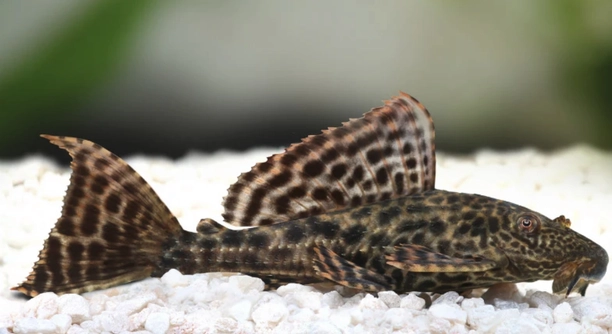
Plecostomus are popular aquarium fish, known for their algae-eating habits. If you’re interested in breeding these fascinating creatures, there are a few key factors to consider. Creating the right environment is essential for their successful reproduction.
To encourage Plecostomus breeding, it is crucial to provide a stable and well-maintained tank with optimal water conditions, appropriate hiding spots, and a varied diet. Breeding usually occurs when these fish feel secure and have the right environmental cues.
By understanding their needs and behaviors, you can create the perfect setup for breeding. Ensuring they have the proper conditions will increase your chances of success in raising a new generation of these wonderful fish.
Tank Setup and Environment
When setting up a tank for Plecostomus breeding, it is important to focus on creating a comfortable and safe environment. A well-maintained aquarium with stable water parameters is essential. Make sure the tank has plenty of hiding places, such as caves, driftwood, or plants. Plecostomus are shy creatures and prefer areas where they can retreat and feel secure.
In terms of water conditions, keep the temperature between 75°F and 80°F (24°C to 27°C), and maintain a pH level between 6.5 and 7.5. It’s important to regularly monitor the water quality and perform routine water changes to keep the environment clean. A filter that provides gentle water movement is ideal, as these fish do not thrive in strong currents.
The aquarium should be spacious, allowing the Plecostomus to move around freely. The tank should also be free from aggressive fish that may stress them out. A peaceful, quiet environment encourages breeding, as it helps the fish feel secure enough to reproduce.
Proper Diet and Nutrition
Feeding your Plecostomus a balanced and varied diet is essential for breeding. Include vegetables, algae wafers, and protein-rich foods like bloodworms or brine shrimp. A diverse diet supports their overall health and encourages successful reproduction.
A healthy, well-fed Plecostomus is more likely to breed. Their natural diet in the wild consists of algae, detritus, and small invertebrates. By offering similar food sources in the tank, you are mimicking their natural habitat and helping them thrive. The right nutrition helps improve their chances of breeding.
Try to provide fresh vegetables like zucchini, cucumber, and spinach, alongside high-quality algae wafers. It’s essential to offer the food at different times to ensure the fish receive a complete and nutritious diet. Additionally, avoid overfeeding as this can lead to poor water quality and health issues. A healthy, well-fed Plecostomus is far more likely to breed.
Temperature and Lighting Adjustments
Adjusting the lighting and temperature in the tank can trigger the breeding process. Plecostomus are more likely to spawn when they feel that seasonal changes are occurring in their environment. A small increase in temperature and slight modifications in light exposure can encourage breeding.
Increasing the temperature by a few degrees, especially if it’s slightly cooler in your tank, mimics the warmer conditions of their natural breeding season. Along with that, reducing light exposure to simulate the changes that happen in nature can be effective. They respond to these cues, signaling their bodies to prepare for reproduction.
To properly adjust the lighting, consider using a timer that mimics natural day and night cycles. Keep the light exposure between 10 to 12 hours each day to maintain a healthy environment for your Plecostomus. These adjustments signal to the fish that it’s the right time to breed.
Choosing Compatible Tank Mates
Selecting the right tank mates is crucial for encouraging Plecostomus breeding. Avoid aggressive fish that might intimidate or harm them. Peaceful species help maintain a stress-free environment. When choosing companions, look for fish with similar care requirements.
Plecostomus are peaceful, bottom-dwelling fish that are best kept with other non-aggressive species. Larger, slower-moving fish are ideal as they won’t compete for food or space. Species like tetras, Corydoras, and small livebearers usually work well with them. It’s important to avoid species that could challenge their territory or intimidate them.
Also, ensure that the other fish do not interfere with their food. Plecostomus require a steady supply of algae or vegetables, and too much competition for food could cause stress. A calm, friendly tank environment encourages breeding behavior and prevents unnecessary aggression.
Monitoring Water Quality
Water quality is essential for breeding success. Regularly check parameters such as ammonia, nitrite, nitrate, and pH. Consistent water quality promotes good health, which is necessary for breeding.
Ammonia and nitrite levels must be at zero to prevent harm. Nitrates should stay below 20 ppm, and the pH level should remain stable. Use a reliable water test kit to check the water parameters regularly, and perform water changes every week. This keeps the water clean and ensures the environment stays safe.
It’s also important to ensure proper oxygenation in the tank. Installing an air stone or gentle filter helps maintain optimal oxygen levels. Healthy, clean water will create the right conditions for your Plecostomus to breed, encouraging natural spawning behavior.
Spawning Behavior
During the breeding season, male Plecostomus will exhibit specific behaviors to attract a mate. They often prepare a nesting site and will guard it. Once a female approaches, the male will lead her to the nest and initiate spawning.
The male will chase the female around, nipping at her to encourage her to enter the chosen hiding spot. This process can be observed when males are particularly active and show interest in defending a specific area. It’s essential to provide plenty of cave-like structures to give the male a place to lead the female.
Egg and Fry Care
After spawning, the male typically guards the fertilized eggs until they hatch. The eggs are usually laid in a safe, enclosed space, where they remain protected from potential threats. Male Plecostomus provide care by fanning the eggs to ensure they receive adequate oxygen.
Once hatched, the fry will initially feed on their yolk sacs before beginning to explore their environment. During this time, it’s important to keep the water clean and maintain stable conditions to ensure the fry’s survival. Be prepared to provide extra food for the growing fry once they start foraging.
The Right Tank Size
Providing enough space for breeding is vital. A tank size of at least 30 gallons is recommended for a pair of Plecostomus to feel comfortable and secure.
A larger tank will allow them to establish territories and reduce stress. Ensuring that they have ample room helps encourage natural behaviors, like spawning, and allows the fish to thrive. A cramped environment can hinder their reproductive instincts and overall well-being.
FAQ
How long does it take for Plecostomus to breed?
Plecostomus typically require several months to reach maturity, usually around 1-2 years of age. However, once they are mature, breeding can occur relatively quickly, provided they are in the right conditions. The actual spawning process, from initial courtship to egg-laying, can take anywhere from a few days to a couple of weeks, depending on the fish’s comfort and the setup you’ve provided.
What is the best tank setup for Plecostomus breeding?
The best tank setup for breeding Plecostomus should have plenty of hiding spots, such as caves or driftwood. These provide a safe environment for both the female and the fertilized eggs. Ensure the water temperature is between 75°F and 80°F and that the pH remains stable, typically between 6.5 and 7.5. A gentle filter is ideal as strong currents can stress the fish and interfere with the breeding process. Additionally, maintaining clean, stable water conditions is critical for breeding success.
Do I need to separate the males and females for breeding?
No, it is not necessary to separate the males and females for breeding. In fact, allowing the male and female to interact in a shared tank with sufficient space can encourage natural mating behavior. However, providing plenty of hiding spots is important, as the male may chase the female or guard certain areas. If there are aggressive or overly dominant males, separating them temporarily might be beneficial. But overall, having both sexes in the same tank in a peaceful environment should encourage breeding.
What do I do if the eggs are not hatching?
If the eggs are not hatching, it could be due to several factors, including water quality, temperature, or the male not properly fanning the eggs. First, check the water parameters and make sure the temperature is consistent within the 75°F to 80°F range. Also, verify that ammonia, nitrites, and nitrates are at safe levels. If the conditions are ideal, but the eggs still do not hatch, it could be that they were not fertilized properly, or the male might not have guarded them well enough.
How can I tell if my Plecostomus are ready to breed?
Male Plecostomus will often become more active and territorial when they are ready to breed. They will typically find a secluded area to prepare a nest and may display chasing or guarding behavior. The female, on the other hand, will start showing interest in these nesting areas when she is ready to mate. Both fish will seem to exhibit a heightened level of activity. You may also notice a slight change in the size of the female’s abdomen, as she carries eggs.
How often will my Plecostomus breed?
Plecostomus don’t breed frequently, but with the right conditions, they can spawn multiple times a year. Typically, you may see spawning once or twice a year, although it could be more or less depending on the tank setup and water conditions. In the wild, their breeding is often triggered by seasonal changes, which you can mimic in the aquarium. The fish may breed every 3-6 months, but each spawning event requires stable conditions and plenty of time for recovery.
What should I feed my Plecostomus during the breeding process?
During breeding, it’s important to provide a varied and nutritious diet to both the male and female Plecostomus. Offer algae wafers, zucchini, spinach, and other vegetables to mimic their natural diet. Protein sources like brine shrimp and bloodworms can be added to ensure they get all the necessary nutrients. A balanced diet is crucial for their health and will also help support egg development. Be sure to avoid overfeeding, as this can lead to poor water quality and unhealthy breeding conditions.
How can I care for Plecostomus fry?
Once the Plecostomus fry hatch, they will initially rely on their yolk sacs for nutrition. Once they begin to swim and forage for food, you can start providing them with finely crushed algae wafers or specially formulated fry food. It’s important to maintain excellent water quality during this stage, as fry are very sensitive to changes in their environment. Keep the water clean with regular changes and be mindful of the temperature to keep it within the 75°F to 80°F range.
Do Plecostomus need special lighting to breed?
While Plecostomus do not require special lighting to breed, simulating a natural day-night cycle can help trigger breeding. A lighting period of around 10-12 hours per day is ideal. Overexposure to light can stress the fish, so providing a period of darkness is important. You can use a timer to control the light schedule, which helps mimic seasonal changes that Plecostomus would experience in the wild. This subtle change can encourage them to breed.
What do I do if the male is not guarding the eggs?
If the male is not guarding the eggs, it could be because he feels insecure or stressed by the environment. Ensure that the water quality is ideal, and that the tank is peaceful with minimal disturbances. If possible, you can try introducing a secondary male, although this can sometimes lead to competition. Sometimes, adding more hiding places or reducing tank traffic can encourage the male to take more responsibility for guarding the eggs. If the eggs are left unguarded for too long, they may not hatch.
Can Plecostomus breed in a community tank?
Plecostomus can breed in a community tank, but there are a few things to consider. The tank should not be overcrowded, and the other fish must be non-aggressive. It’s best to keep Plecostomus with other peaceful species to avoid stress. Additionally, ensure that the tank has plenty of hiding spots and caves for the Plecostomus to feel secure enough to breed. You should also monitor the water quality closely, as community tanks can sometimes experience higher levels of waste, which could negatively impact breeding.
Final Thoughts
Breeding Plecostomus can be a rewarding experience, but it does require careful attention to their environment and needs. Creating the right conditions is crucial, from maintaining the proper water temperature and pH to providing enough hiding spots. The more comfortable and secure your Plecostomus feel, the more likely they are to breed successfully. It’s not just about setting up the tank; it’s about understanding the needs of the fish and being patient with the process. This means offering a varied diet, monitoring the water quality, and being prepared for the care the fry will need once they hatch.
One of the most important aspects of breeding Plecostomus is ensuring they feel safe in their environment. Stress is a major factor that can discourage breeding, so a peaceful tank with compatible fish is necessary. Providing caves, driftwood, and plants for hiding spaces will allow your Plecostomus to establish territories and feel secure enough to mate. The right tank mates are also essential; avoid aggressive fish that could make the Plecostomus feel threatened. A calm, stress-free environment helps set the stage for breeding success, and being patient during this process is key.
Finally, be prepared for the work involved in raising the fry once they hatch. Plecostomus fry are delicate and require special care, including proper water conditions and a balanced diet. Keeping a close eye on the tank’s cleanliness and ensuring the fry have enough to eat are important tasks. By continuing to monitor the tank’s water parameters and making adjustments when needed, you can help the young Plecostomus grow into healthy adults. Overall, with a little preparation and consistent care, breeding Plecostomus can be an enjoyable and successful endeavor.

Hello,
If you enjoy the content that we create, please consider saying a "Thank You!" by leaving a tip.
Every little bit helps us continue crafting quality advice that supports the health, happiness, and well-being of pets around the world, for pets of all shapes, sizes, and species.
We really appreciate the kindness and support that you show us!