
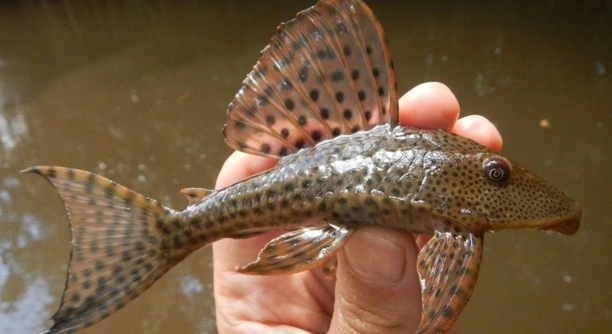
A 10-gallon tank is a common choice for many beginner aquarium enthusiasts. One of the most popular freshwater fish to consider is the plecostomus. But, can it thrive in such a small tank? Let’s explore this topic.
The plecostomus, also known as a pleco, typically requires a tank of at least 20 gallons to accommodate its size and natural behavior. While they are small when young, they grow large and need more space as they mature.
Many factors influence whether a pleco will do well in a 10-gallon tank, including its growth rate, tank mates, and water conditions. There are alternatives to consider if you’re limited by space.
Why a 10-Gallon Tank Might Not Be Ideal for a Plecostomus
A 10-gallon tank is often the starting point for many aquarium owners, but it’s not the best environment for a plecostomus. While these fish are small in the early stages of life, they quickly outgrow their space. Plecos can reach sizes of 12 to 24 inches, depending on the species. A small tank doesn’t give them enough room to move or swim freely, which can lead to stress. Stress in fish is often the root cause of poor health and a shortened lifespan.
Additionally, plecos are known to produce a lot of waste. With limited filtration and water volume, this waste can quickly accumulate, leading to water quality problems. Poor water quality can harm both the pleco and any tank mates. Maintaining a stable and healthy tank environment is key, and that’s harder to achieve in such a small space.
A 10-gallon tank lacks the space necessary for the pleco to grow properly. It also creates additional maintenance challenges that make keeping the fish healthy more difficult.
Alternatives for Keeping a Plecostomus
If you are set on having a pleco in your tank, consider upgrading to a larger setup.
The most suitable option for a plecostomus is a 20-gallon tank or larger. This allows the pleco ample space to swim and grow without being confined. A larger tank can also help maintain stable water conditions, making it easier to manage waste. In addition, a bigger tank can accommodate additional fish and plants, improving the overall aesthetic of the aquarium. If space is a concern, smaller species of plecos, like the bristlenose pleco, can do well in smaller tanks but still require a minimum of 20 gallons. For smaller aquariums, consider other fish that are more suitable for a 10-gallon tank.
The Importance of Proper Filtration in Small Tanks
In a 10-gallon tank, maintaining clean water can be tough. Filtration becomes even more crucial when housing a plecostomus. These fish produce a lot of waste, and without efficient filtration, the water can quickly become polluted. Poor water quality harms both the pleco and any other inhabitants.
To properly filter a small tank, you need a filter that can handle the load. A good filter ensures that the water stays clean, which keeps the pleco healthy. However, it’s important to avoid overloading the tank with too many fish. Adding too many can overwhelm the filtration system, making it harder to maintain water quality. For a 10-gallon tank, make sure the filter you choose is rated for at least double the tank’s volume. This extra capacity helps ensure the filter works efficiently even with waste build-up.
Consider performing regular water changes in addition to using a good filter. A 10-gallon tank requires frequent attention to keep the environment stable. If water quality fluctuates too much, it can stress your pleco and lead to health issues. Regular water testing can help you keep an eye on important parameters like ammonia, nitrite, and nitrate levels.
Plecostomus Care in Small Tanks
Keeping a pleco in a 10-gallon tank requires regular maintenance and careful monitoring.
Along with filtration, you’ll need to monitor the water’s temperature and pH levels to keep the pleco comfortable. Plecos generally prefer temperatures between 72°F and 82°F. Fluctuating temperatures can weaken their immune systems and make them more prone to disease. The pH level should stay between 6.5 and 7.5 for most plecos. If either of these factors is out of range, your pleco’s health could suffer.
Although the pleco is known for its algae-eating habits, it still needs a balanced diet to stay healthy. Offer sinking pellets, vegetables, and occasional protein to supplement its diet. When housed in a smaller tank, plecos may have limited access to algae, so it’s important to feed them properly to prevent malnutrition. Keep an eye on your pleco’s behavior—if it starts becoming sluggish or lethargic, it might be a sign of stress or illness.
Tankmates for Plecostomus in a 10-Gallon Tank
Choosing the right tankmates for a plecostomus in a 10-gallon tank can be tricky. Plecos are peaceful but grow large, which can create space issues with other fish. Avoid adding overly aggressive or large fish that might stress the pleco.
The best tankmates for a plecostomus are small, peaceful fish that won’t compete for space. Guppies, tetras, and small catfish are good options. However, be careful not to overcrowd the tank. Overcrowding can reduce water quality and cause stress for all fish. Monitor behavior closely to ensure everyone gets along.
Growth Rate of a Plecostomus
Plecostomus are fast growers, especially in a tank that’s larger than 10 gallons. They can grow up to 24 inches long, and they need plenty of space to accommodate their size.
A pleco’s growth rate depends on its diet, water conditions, and tank size. In a small tank like a 10-gallon, growth may slow down, but it can still outgrow its space quickly. You may find that within a year or two, the pleco is far too large for the tank.
Water Quality and Plecostomus Health
Water quality is essential for the health of a plecostomus in a small tank. Frequent water changes and testing are required to keep harmful toxins at bay.
Ammonia, nitrites, and nitrates can build up quickly in a 10-gallon tank. Inadequate filtration can lead to dangerous spikes in these toxins. A pleco, like all fish, thrives in stable water conditions. Test your water regularly, and keep a strict cleaning schedule to prevent issues.
FAQ
Can a plecostomus live in a 10-gallon tank?
A plecostomus can technically survive in a 10-gallon tank for a short period, but it’s not ideal. Plecos grow quickly and can become too large for the space. In a small tank, their growth may be stunted, but the fish will still face stress and poor health over time. A 20-gallon tank is the minimum recommended for a pleco to thrive, but larger tanks are even better. If you must keep a pleco in a 10-gallon tank, ensure frequent water changes and regular maintenance to manage waste and water quality.
What size plecostomus can live in a 10-gallon tank?
In a 10-gallon tank, only the smallest species of plecostomus, such as the bristlenose pleco, should be considered. These plecos grow up to about 4-6 inches, which makes them more suited for smaller tanks. However, even bristlenose plecos need at least 10-15 gallons of space to be comfortable long-term. Larger plecos like the common pleco, which can grow up to 24 inches, will outgrow a 10-gallon tank very quickly.
How fast do plecostomus grow?
Plecostomus grow quite fast, especially in a well-maintained tank with proper care. They can grow up to 1 inch per month during their early years. As they mature, their growth rate may slow down, but they will continue to grow steadily. A pleco that starts in a 10-gallon tank will soon need a larger space to accommodate its growth. If you’re unable to upgrade the tank, it’s better to opt for a smaller species, like the bristlenose pleco, to prevent overcrowding.
What do I feed a plecostomus in a 10-gallon tank?
While plecos are known for eating algae, they need more than just that to stay healthy. In a 10-gallon tank, the algae might not be enough to sustain them. Provide sinking pellets designed for bottom feeders, fresh vegetables like zucchini or cucumber, and occasionally some protein-rich food, such as bloodworms or brine shrimp. A varied diet will ensure that your pleco gets all the nutrients it needs. Avoid overfeeding, as excess food can degrade water quality quickly, especially in a small tank.
How do I maintain good water quality in a 10-gallon tank with a pleco?
Maintaining good water quality in a 10-gallon tank is critical when keeping a pleco. The fish produces a lot of waste, which can lead to the build-up of harmful toxins like ammonia and nitrites. Make sure to perform regular water changes (about 25-30% every week) to keep water clean. Invest in a strong filtration system rated for a tank larger than 10 gallons to help remove debris and waste. Test the water regularly for ammonia, nitrites, and nitrates to ensure levels stay within safe ranges.
Do plecostomus need special water conditions?
Plecostomus are generally hardy fish, but they do best in water with specific conditions. They prefer a temperature range of 72°F to 82°F, with a pH level between 6.5 and 7.5. Ensure that the water is soft to moderately hard. Sudden fluctuations in temperature or pH can stress the fish and make them more susceptible to illness. It’s important to monitor water conditions regularly to keep the pleco comfortable and healthy. If you’re unsure, using a thermometer and pH test kits can help you maintain proper conditions.
Can plecostomus live with other fish in a 10-gallon tank?
Plecostomus are peaceful fish and can generally live with other calm species. However, in a 10-gallon tank, the space is very limited, and adding multiple fish could lead to overcrowding. Small, peaceful fish like guppies, tetras, and small catfish are good tankmates for a pleco. Avoid aggressive species, as they may stress or harm the pleco. Also, keep in mind that plecos can become territorial as they grow, so make sure there is enough space for all fish to coexist peacefully.
How often should I clean my 10-gallon tank with a plecostomus?
Regular cleaning is essential to maintain water quality in a 10-gallon tank, especially with a plecostomus. At least once a week, do a 25-30% water change to remove waste and prevent toxin build-up. Clean the substrate using a gravel vacuum to remove debris. Additionally, check the filter and clean it every month to keep it functioning properly. While plecos help keep the tank clean by eating algae, they produce a lot of waste, so manual cleaning is crucial to keep the tank healthy.
What type of filter is best for a 10-gallon tank with a plecostomus?
For a 10-gallon tank with a plecostomus, you’ll need a filter that is strong enough to handle the waste the pleco produces. Look for a filter that is rated for a tank slightly larger than your 10-gallon. This will ensure it can handle the increased waste and keep the water clean. A hang-on-back (HOB) filter or a sponge filter would work well for small tanks. Just make sure the filter provides adequate filtration while avoiding strong currents that may stress your pleco.
Can plecostomus live in brackish water?
Most plecostomus species, like the common pleco and bristlenose pleco, prefer freshwater. They do not thrive in brackish water conditions. However, some types of plecos, such as the Sailfin pleco, have been known to tolerate slightly brackish conditions, but this is rare. It’s important to research the specific species of pleco you own to understand its water preferences. If you plan to keep brackish water, it’s best to choose species that are specifically suited for those conditions.
Final Thoughts
When it comes to keeping a plecostomus in a 10-gallon tank, it’s important to consider the long-term needs of the fish. While it might seem like a good idea for a small tank, plecos can quickly outgrow the space, leading to stress and poor health. The size of the tank plays a big role in a pleco’s overall well-being. A 10-gallon tank is simply too small for most plecos, especially as they grow, so it’s recommended to upgrade to a larger tank as soon as possible. This helps ensure that your pleco has enough space to swim, grow, and maintain good health.
If you’re limited by tank space, there are smaller species of plecos, like the bristlenose pleco, that can fit better in smaller tanks. These plecos still need room to grow and thrive, but they are more manageable in a 10-gallon environment. However, even with smaller species, it’s essential to provide them with proper filtration, regular water changes, and a balanced diet. Without these, a pleco may not live as long or be as healthy. If your goal is to keep a plecostomus long-term, it’s always best to plan for a larger tank, as this gives the fish the best possible chance at a happy, healthy life.
In conclusion, while a plecostomus can survive in a 10-gallon tank temporarily, it’s not ideal. To properly care for your pleco and ensure it thrives, a 20-gallon tank or larger is more appropriate. Keeping a plecostomus in a small tank presents challenges such as maintaining water quality and space limitations, which can affect the overall health of the fish. If you’re just starting with aquariums, it’s essential to research the specific needs of any species you wish to keep. This way, you can provide a suitable environment for your pleco and any other fish in your tank.

Hello,
If you enjoy the content that we create, please consider saying a "Thank You!" by leaving a tip.
Every little bit helps us continue crafting quality advice that supports the health, happiness, and well-being of pets around the world, for pets of all shapes, sizes, and species.
We really appreciate the kindness and support that you show us!