
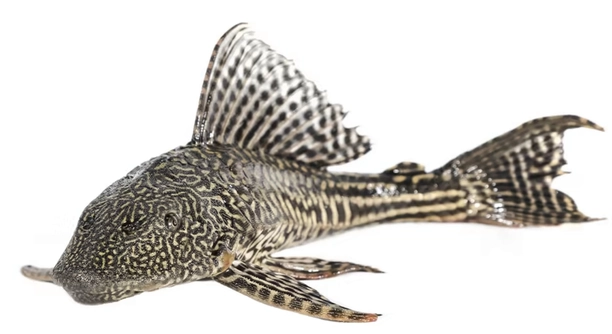
Many fish owners are puzzled when their plecostomus hides frequently. This behavior is common, but it can leave you wondering if something is wrong with your fish. Understanding the reasons behind this can help you address the issue.
The primary reason for a plecostomus to hide is stress, which can be caused by various factors such as water quality, tank mates, or the environment. A plecostomus may seek shelter when it feels unsafe or uncomfortable.
Understanding why your plecostomus hides can help you create a better environment for it. This article explores common causes and offers solutions to ensure your fish thrives in its habitat.
Common Causes of Hiding in Plecostomus
Plecostomus fish are known to be reclusive at times. When they hide, it’s usually because something in their environment is making them uncomfortable. Poor water quality, inappropriate tank temperature, or even incompatible tank mates can make your pleco feel unsafe. The hiding behavior is often a way for them to retreat and feel secure again.
One of the most common reasons a plecostomus hides is poor water quality. If ammonia or nitrate levels are too high, or if the pH is off, your pleco might retreat into a corner or behind rocks. They are sensitive to water conditions, and if they feel the water isn’t safe, they seek shelter.
Another reason for hiding can be tank mates. Plecos tend to be peaceful, but some fish may be more aggressive or territorial, which can make your pleco feel stressed. A stressed pleco will hide more often, trying to avoid confrontation.
Stress from Environmental Factors
The environment plays a big role in your plecostomus’s well-being. When a tank is too bright or noisy, or if there’s a lack of hiding places, your pleco may hide to escape these stressors. They prefer dimly lit areas where they can rest undisturbed.
Ensuring your pleco has adequate hiding spots, like caves or plants, is key to reducing stress. A tank with low to moderate lighting, plenty of hiding places, and calm water flow will provide a more comfortable setting for your fish. They are nocturnal by nature and feel more secure in dimmer environments.
In addition to water conditions and tank mates, plecos are sensitive to changes in their surroundings. For example, rearranging decorations or adding new fish can stress them out, causing them to hide. Even small changes in the tank can cause them to feel uncertain, leading to more hiding behavior.
Tank Maintenance and Health
Maintaining proper tank conditions is vital for the health of your plecostomus. Regular water changes, filtering, and monitoring water parameters can go a long way in reducing hiding behavior. When water conditions are optimal, your pleco is less likely to retreat into hiding.
In addition to water quality, make sure your pleco’s diet is balanced. A malnourished pleco might hide more often, feeling weaker and less active. Providing algae wafers, vegetables, and occasional protein-rich foods will ensure your pleco stays healthy and active. Regular maintenance and monitoring the tank will also keep the stress levels low for your pleco.
How to Encourage a More Active Plecostomus
If you notice your pleco hiding often, making small changes to its environment can help encourage more activity. Adding more hiding spots, improving water conditions, and ensuring compatible tank mates can all play a part in reducing stress. By creating a more comfortable space, your pleco will feel safe and secure.
Water Quality and Its Impact on Plecostomus Behavior
Water quality is one of the most significant factors affecting your plecostomus. Ammonia, nitrate, and nitrite levels should be kept as low as possible to avoid stress. High levels of these chemicals make the tank feel unsafe for your pleco, leading to hiding.
Regular water changes are essential to maintaining proper water quality. A good filtration system can help keep the water clean and clear, but it’s important to test water parameters regularly. Keep an eye on pH, hardness, and temperature, as plecos are sensitive to any drastic changes. Stable water conditions contribute to a happier, more active pleco.
Plecostomus thrive in water with a temperature between 74-80°F. If the water is too warm or too cold, they may hide more often to avoid stress. Consistency in temperature is also key—sudden shifts in tank conditions can cause them to feel uneasy.
Tank Setup and Hiding Spaces
Plecostomus fish love to have places to hide, especially during the day when they rest. Adding caves, plants, or driftwood to your tank can help your pleco feel secure. These hiding spots are necessary for them to retreat to when they feel stressed or overwhelmed.
A well-decorated tank will make your pleco feel more comfortable and less likely to hide. If your pleco doesn’t have a place to hide, it may become stressed and seek out corners or the back of the tank. This can lead to less interaction with other fish and reduce its overall activity.
Hiding is a natural behavior for plecos, so don’t worry if you see them retreating frequently. Providing them with dark, sheltered areas will give them a sense of security. A properly set-up tank with plenty of hiding spots can help reduce the frequency of hiding and increase the time spent swimming around.
Temperature Fluctuations
Plecostomus are sensitive to temperature changes. If the water is too cold or too warm, they may hide to protect themselves. This behavior helps them avoid stress until they feel more comfortable. Consistency in temperature is key for their well-being.
A steady temperature between 74-80°F is ideal for your pleco. Any fluctuations outside this range can cause discomfort. Installing a reliable heater and thermometer will help maintain a stable environment. If you notice frequent hiding, check the temperature to ensure it’s within the proper range.
Tank Mates and Their Impact
The behavior of tank mates can directly affect your plecostomus. Aggressive or territorial fish may intimidate your pleco, causing it to hide more often. Plecos generally prefer calm and peaceful companions in the tank.
It’s important to choose compatible tank mates that won’t stress or bully your pleco. Avoid keeping them with overly aggressive species like large cichlids or fin-nippers. Smaller, peaceful fish like tetras or rasboras are good options. A well-matched community will reduce the chances of hiding and help your pleco feel more at ease.
Diet and Feeding Schedule
Feeding habits also influence your plecostomus’s behavior. A pleco that isn’t properly fed may hide more often out of frustration or hunger. A balanced diet is essential to keep your fish healthy and active.
Make sure to provide algae wafers, vegetables like zucchini or spinach, and occasional protein-based foods. A varied diet ensures that your pleco gets the nutrients it needs. If your pleco isn’t eating, it may be hiding because it doesn’t feel comfortable or the food isn’t appealing.
FAQ
Why does my plecostomus hide during the day?
Plecostomus fish are nocturnal creatures. They are naturally more active at night and tend to rest during the day. Hiding in dark corners or behind decorations is part of their behavior to avoid being exposed to light. If your pleco hides frequently during the day, it’s likely just following its natural rhythm. However, it’s important to make sure that the hiding spots are comfortable and safe for your pleco.
Can water quality make my plecostomus hide?
Yes, poor water quality can cause your plecostomus to hide. High levels of ammonia, nitrites, or nitrates can stress your pleco, making it seek refuge. Always monitor your water parameters and keep ammonia and nitrites at zero, while keeping nitrates below 20 ppm. Regular water changes and a good filtration system can prevent these issues, helping your pleco feel secure enough to be active.
How do temperature changes affect my plecostomus?
Temperature fluctuations can be very stressful for plecos. They prefer water temperatures between 74-80°F. If the temperature is too cold or too hot, your pleco might retreat to hiding spots to avoid discomfort. Consistency in water temperature is crucial. Installing a good heater and thermometer can help you maintain a stable environment for your fish.
Should I worry if my plecostomus hides all the time?
It’s normal for plecostomus to hide occasionally, especially since they are naturally shy. However, if they are hiding most of the time, it could be a sign of stress. This stress may come from poor water conditions, incompatible tank mates, or a lack of hiding spots. It’s important to assess the tank environment and address any issues that may be causing your pleco to hide excessively.
Are plecos social fish?
Plecostomus are not particularly social fish. They tend to be solitary and peaceful, preferring to keep to themselves. They can cohabitate with other peaceful fish but often avoid direct interaction. Some plecos may even become territorial, especially when they are older or in smaller tanks. It’s always good to ensure they have enough space and hiding places to feel secure.
Can I add more fish to the tank with my plecostomus?
Yes, you can add other fish to the tank, but you should be cautious about the types of fish you choose. Plecos are peaceful creatures and work well with other calm, non-aggressive fish. Avoid adding aggressive or territorial species, like cichlids, that might stress your pleco. Also, make sure the tank is large enough to provide enough space for all the fish to coexist peacefully.
Does my plecostomus need a lot of food?
Plecostomus fish are bottom feeders and primarily eat algae, so they do not require excessive amounts of food. However, they benefit from a varied diet. Providing algae wafers, fresh vegetables like zucchini, and occasional protein-rich foods like shrimp can help keep your pleco healthy. Overfeeding, however, can lead to poor water quality and health issues, so it’s important to feed them the right amount.
Can plecos live with other plecostomus?
Yes, plecos can live with other plecos, but they may be territorial, especially if the tank is too small. It’s best to keep one pleco per tank, or if you want more, ensure the tank is large enough to accommodate them. Plecos need plenty of hiding spaces and areas to establish their territories.
Why does my plecostomus keep sucking on the glass?
Your pleco may be sucking on the glass because it’s searching for algae or debris to eat. Plecos are natural algae eaters, and they may seek out areas where algae grows. It’s a good sign that they are trying to find food. However, if there isn’t enough algae in the tank, you can supplement their diet with algae wafers or fresh vegetables.
How often should I clean my plecostomus’s tank?
Regular tank maintenance is important for your plecostomus’s health. You should perform water changes of 25-30% every two weeks, depending on tank size and water quality. Additionally, check and clean the filter regularly, and remove any debris from the substrate. Keeping the tank clean will help ensure a healthy environment for your pleco and reduce hiding behavior caused by poor water conditions.
How can I tell if my plecostomus is stressed?
Signs of stress in a plecostomus include frequent hiding, reduced activity, loss of appetite, and changes in behavior. They may also appear lethargic or have clamped fins. If you notice any of these signs, check the water quality, tank temperature, and tank mates. Stress can often be relieved by improving the tank conditions.
What can I do if my plecostomus isn’t eating?
If your pleco isn’t eating, it may be due to water quality issues, stress, or an inadequate diet. Check the water parameters and ensure the temperature and pH levels are stable. Offer a variety of foods, such as algae wafers, vegetables, and occasional protein. If the problem persists, consult an expert to check for any underlying health issues.
How long can a plecostomus go without food?
Plecos can go without food for several days if necessary, as they are bottom feeders and will graze on algae in the tank. However, it’s not ideal to let them go too long without proper nutrition. Regular feeding is important for their health, and a well-balanced diet helps them stay active and thrive in your tank.
Final Thoughts
Plecostomus fish are fascinating creatures that can make great additions to your aquarium. However, their tendency to hide can sometimes be confusing for owners. While hiding is a normal behavior, it’s important to understand the reasons behind it. Whether it’s due to water quality, temperature issues, or even tank mate compatibility, understanding what causes your pleco to retreat is the first step in addressing the problem. Creating a comfortable environment for your pleco with proper hiding spots, clean water, and suitable tank mates can help reduce the hiding and encourage more active behavior.
Stress is one of the most common reasons for plecostomus to hide. Poor water conditions, such as high ammonia levels or unstable pH, can cause your pleco to seek shelter. By regularly testing the water and ensuring it’s within the ideal range, you can reduce this stress. Temperature fluctuations also play a major role in your pleco’s behavior. Keeping the water temperature stable between 74-80°F will help your pleco feel more comfortable and less likely to hide. A well-maintained tank with good filtration and regular water changes will keep your pleco happy and healthy.
Lastly, understanding your plecostomus’s natural behavior is key. These fish are nocturnal and tend to be more active during the night. It’s not unusual for them to hide during the day. However, if your pleco is hiding more often than usual, it’s worth checking the tank environment. Ensure there are plenty of hiding spots, compatible tank mates, and a balanced diet. With the right conditions, your pleco will feel secure and become a more active and visible member of your aquarium.

Hello,
If you enjoy the content that we create, please consider saying a "Thank You!" by leaving a tip.
Every little bit helps us continue crafting quality advice that supports the health, happiness, and well-being of pets around the world, for pets of all shapes, sizes, and species.
We really appreciate the kindness and support that you show us!