
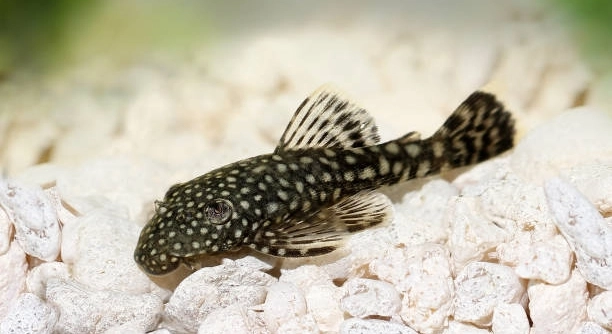
Plecostomus, often known as “plecos,” are fascinating fish with unique behaviors. These creatures are popular in freshwater aquariums due to their algae-eating habits. Understanding their behavior can enhance their care and your aquarium experience.
Plecostomus behavior includes hiding during the day, particularly in caves or crevices. They are nocturnal feeders, often becoming more active at night. Known for their algae consumption, plecos also contribute to keeping aquarium environments cleaner and healthier.
Learning more about their habits can improve the care of your pleco, ensuring they thrive in your aquarium. Keep reading to discover some cool facts about these interesting creatures.
Plecostomus Feeding Habits
Plecostomus are known for their unique feeding patterns. They are primarily herbivores and thrive on algae, which makes them a valuable addition to many aquariums. These fish often graze on surfaces such as rocks, decorations, and plants, helping to keep the tank clean. Plecos are also known to consume leftover food, which can reduce waste in the aquarium. It’s important to provide them with a balanced diet to complement their algae intake. Many owners supplement their plecos’ diet with vegetables like zucchini and cucumber. They also enjoy sinking pellets designed for bottom feeders.
While plecos are known for their algae-eating habits, they can become more active at night. Their nocturnal nature means they are often less visible during the day. This behavior is natural, and they feel more comfortable in low-light conditions, where they can explore and forage for food.
You’ll often find plecos in darker areas of the tank. This can be under decorations, plants, or near the substrate. Providing hiding spots for your pleco can reduce stress and make them feel safe. Their ability to stay hidden also allows them to avoid potential threats from other tank mates. Ensuring your pleco has access to plenty of dark, secluded spots will keep them comfortable and less likely to become stressed or anxious.
Plecostomus Activity Levels
Plecos are not overly active during the day, especially when kept in a well-lit aquarium. They prefer to hide during daylight hours, which often makes them less noticeable. At night, however, their activity level increases significantly. Their nocturnal nature means they become more active after the lights go out.
Their behavior changes as they search for food during the night. This is a time when they will explore the tank more thoroughly. It’s also when they are most likely to be seen cleaning the tank surfaces, feeding on algae or leftover food. It’s important to note that while they may appear to rest during the day, they are still essential for maintaining the tank’s balance and cleanliness.
In an aquarium, plecos typically stay near the bottom. They might not swim much in the open, but they are excellent at cleaning the substrate and decorations. This makes them an ideal choice for keeping algae in check. However, providing them with enough space to explore at night is crucial. If they’re in a tank with limited hiding spaces, they may become more stressed and less likely to thrive.
Plecostomus Breeding Behavior
Breeding plecos in an aquarium requires specific conditions. Plecostomus are cave breeders, meaning they prefer to lay their eggs in dark, secluded areas. Male plecos typically guard the eggs, fanning them with their fins to provide oxygen. The female lays her eggs, usually in a well-protected cave or crevice, and then leaves the male to tend to them.
Creating the right environment for breeding can be challenging. It’s important to maintain stable water parameters, such as a consistent temperature and pH, to encourage breeding behavior. Plecos also require a healthy diet to stimulate breeding. Once the eggs hatch, the male continues to protect the fry until they are old enough to fend for themselves.
If you’re trying to breed plecos, you might notice that not all attempts will be successful. It’s essential to ensure that the tank conditions are ideal, and providing plenty of hiding spaces can also help. Over time, as you experiment with different setups, you may find the best way to encourage breeding and ensure the survival of the fry.
Plecostomus Territorial Behavior
Plecos can be territorial, especially when they feel threatened or when breeding. They are known to claim certain areas of the tank, particularly caves or hiding spots, as their own. This territoriality can sometimes lead to conflict with other fish, particularly those that prefer similar spaces.
Male plecos are more likely to exhibit territorial behavior, especially when competing for a mate or guarding eggs. It’s essential to provide enough hiding spots in the tank to allow each fish to have its own space. If there are not enough secluded areas, plecos may become stressed or aggressive toward tank mates. This stress can result in health issues or even injury from fights.
To minimize territorial disputes, it’s a good idea to ensure that your tank has a variety of hiding places, such as caves, plants, and decorations. By doing so, you can reduce stress and prevent your plecos from feeling the need to defend their territory. Keeping the tank well-maintained with clear water also encourages a more peaceful environment for all inhabitants.
Plecostomus Lifespan
Plecos are relatively long-lived, with some reaching up to 10-15 years in captivity. Their lifespan depends on the quality of care they receive. A well-maintained tank, proper diet, and stable water conditions can help maximize their life expectancy. Regular water changes and proper filtration are crucial.
Plecos can live a long and healthy life, but they require more than just good water. Diet plays a significant role, as plecos need more than algae to thrive. Supplementing their diet with vegetables, sinking pellets, and occasional protein will keep them in top health and ensure a long lifespan.
Plecostomus Tank Mates
Plecos are generally peaceful, but they can have territorial tendencies, especially with other bottom dwellers. To prevent aggression, it’s important to choose compatible tank mates. Fish that occupy different levels of the aquarium or species that do not compete for the same hiding spots are ideal.
Good companions for plecos include tetras, guppies, and other peaceful fish that prefer swimming higher in the tank. Avoid keeping them with overly aggressive fish, as this could cause stress. When setting up a community tank, ensure there are plenty of hiding spots for all the fish to feel secure.
Plecostomus Water Preferences
Plecos are hardy fish but prefer specific water conditions to thrive. They like slightly warmer temperatures, ideally between 74-80°F. A stable pH level between 6.5 and 7.5 is also important. Monitoring water hardness and maintaining good filtration ensures a healthy environment for plecos.
FAQ
How big do Plecostomus get?
Plecostomus can grow quite large, depending on the species. The common pleco (Hypostomus plecostomus) can reach up to 24 inches in length, while smaller species like the bristlenose pleco stay around 4 to 5 inches. It’s important to consider their adult size before choosing a tank for them. A large tank is necessary for their long-term health, as they need plenty of space to swim and forage.
Do Plecostomus eat plants?
Yes, plecos are herbivores and will graze on plants in the aquarium. However, they typically prefer algae and detritus. If they are not getting enough algae, they may start nibbling on plants. To prevent damage to plants, it’s a good idea to provide enough algae for them to graze on, or supplement their diet with vegetables like zucchini and cucumber.
Can Plecostomus live with other fish?
Plecos can live peacefully with most other fish, but they can become territorial, especially if other bottom dwellers are present. They are generally non-aggressive but may compete for hiding spots. Providing plenty of caves, plants, and decorations will help create a peaceful environment for all tank inhabitants. Avoid keeping plecos with aggressive or overly territorial fish to minimize conflicts.
How often should I feed my Plecostomus?
Plecos should be fed once or twice a day, depending on their size and activity level. Since they are bottom feeders, they usually get most of their nutrition from algae and detritus. However, supplementing their diet with fresh vegetables like zucchini, cucumber, and spinach will help keep them healthy. It’s also important to feed them sinking pellets or wafers designed for bottom feeders to ensure they get enough nutrients.
Why is my Plecostomus hiding all the time?
Plecos are nocturnal and often hide during the day. This behavior is normal, as they feel more secure in low-light conditions. However, if your pleco is hiding more than usual, it could be a sign of stress or poor water conditions. Make sure the water parameters are stable and that there are plenty of hiding spots in the tank. If the behavior continues, check for any signs of illness or discomfort.
How do I encourage my Plecostomus to breed?
Breeding plecos in an aquarium requires creating the right environment. Provide plenty of hiding spots, such as caves, where the fish can feel secure. Water temperature and conditions must be ideal—maintaining a stable pH of 6.5-7.5 and a temperature between 74-80°F is key. Male plecos are typically the ones to guard the eggs once the female lays them, so ensuring that the breeding site is secluded and safe will encourage successful breeding. A balanced diet, including high-quality sinking pellets, can also help stimulate breeding behavior.
Do Plecostomus need a filter?
Yes, plecos need a filter to maintain water quality in the aquarium. They produce a significant amount of waste, which can affect water quality. A good filter helps to keep the water clean and oxygenated, which is crucial for plecos’ health. Additionally, plecos are sensitive to high levels of ammonia and nitrites, so regular water changes and a functional filtration system are essential for their well-being.
How long can a Plecostomus live in a tank?
Plecos can live for many years in a well-maintained tank. With proper care, they can live anywhere from 10 to 15 years, and some may even live longer. The key to a long life for your pleco is maintaining stable water conditions, a proper diet, and a clean tank. Regular water changes, adequate filtration, and providing enough space for them to thrive are important factors in keeping your pleco healthy for years.
What is the best tank size for a Plecostomus?
The minimum tank size for a pleco is generally 75 gallons, though larger tanks are preferable for larger species. Plecos need plenty of space to swim and explore, and a small tank can lead to stunted growth or stress. A larger tank also allows for better water quality, as it can handle more waste from the pleco. Make sure the tank is well-planted with hiding spots to keep your pleco comfortable.
Do Plecostomus need special lighting?
Plecos do not require special lighting, but they do prefer dimmer, low-light conditions. They are nocturnal and feel more secure when the tank is not brightly lit during the day. If you have a planted tank, it’s a good idea to provide a regular light cycle for your plants, but ensure the pleco has places to hide from the light. Using subdued lighting will help mimic their natural environment and encourage more natural behavior.
Why is my Plecostomus turning brown?
Plecos are usually a brownish color with spots or markings, which helps them blend into their environment. However, if your pleco is turning an unusual shade of brown or becoming darker than usual, it could be due to stress, illness, or poor water quality. Changes in color can also be a sign that your pleco is not getting enough food or nutrients. Make sure the water parameters are stable, and ensure your pleco has access to a balanced diet of algae, vegetables, and sinking pellets.
Final Thoughts
Plecostomus are fascinating and relatively low-maintenance fish, making them a popular choice for many aquarium enthusiasts. They are excellent at helping maintain a clean tank by eating algae and detritus. However, they do require attention to their care, especially in terms of water quality and diet. As they grow, plecos need a spacious tank to thrive and stay healthy. Understanding their needs and providing the right environment will ensure they live a long, happy life in your aquarium.
Caring for a pleco involves more than just keeping the tank clean. They need regular water changes, appropriate food, and compatible tank mates to flourish. A well-balanced diet is essential for their growth, including a variety of fresh vegetables and sinking pellets. While plecos are not particularly demanding in terms of lighting, they do prefer lower light conditions and plenty of hiding spots. This makes setting up their tank with plants and caves a good idea to mimic their natural habitat.
Overall, plecos can be a rewarding addition to any aquarium if their needs are met. By paying attention to their size, water preferences, and diet, you can ensure they live a long and healthy life. While they might be low-maintenance in many ways, their size and the space they need for proper development should not be underestimated. With the right care and environment, a pleco can be a thriving, peaceful companion in your aquarium for many years.

Hello,
If you enjoy the content that we create, please consider saying a "Thank You!" by leaving a tip.
Every little bit helps us continue crafting quality advice that supports the health, happiness, and well-being of pets around the world, for pets of all shapes, sizes, and species.
We really appreciate the kindness and support that you show us!