
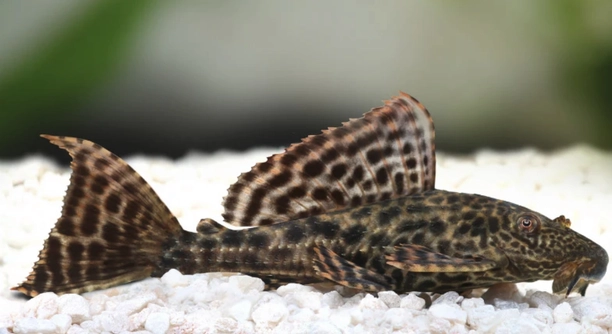
Your plecostomus is a fascinating aquarium companion, but it’s important to monitor its space needs. As these fish grow, they may outgrow their tank. Understanding when they need more room can help ensure their well-being.
The most common sign your plecostomus requires a larger tank is rapid growth, which often leads to increased activity levels and changes in behavior. Providing adequate space helps prevent stress, health issues, and ensures they thrive in their environment.
Providing a suitable home for your plecostomus can significantly impact their long-term health. Understanding their needs will help you create the ideal habitat for them to flourish. Keep reading to learn how to identify these signs and take action.
Rapid Growth
Plecostomus are known for their fast growth, especially in their first few years. When they reach their full size, they can easily exceed 12 inches long. A small tank will become crowded, and the fish may struggle to swim freely. If you notice your pleco becoming more active and exhibiting signs of stress, it’s likely because it no longer fits comfortably in its current tank. They require plenty of space to move around, and cramped conditions can result in reduced health and vitality.
While a small tank might suffice for younger plecos, once they reach maturity, it’s crucial to reassess their environment. Growth rates can vary, but most plecos grow quickly and steadily, requiring regular tank size upgrades. A larger tank will accommodate your pleco’s need for space, ensuring they stay healthy. This means more than just a few extra inches in length. The pleco needs enough room to move around freely, and without this, their quality of life decreases rapidly.
Providing a spacious tank doesn’t just support their physical growth; it also promotes healthier behaviors and allows them to thrive. A larger environment helps reduce aggression and territorial disputes, and prevents the fish from becoming stunted. Proper tank sizing is one of the best ways to support your plecostomus’ long-term well-being.
Increased Activity
Increased activity is another sign your pleco needs a larger space. As they grow, their energy levels increase.
Plecos are bottom-dwelling fish that require significant space to swim, search for food, and explore their tank. A tank that’s too small can lead to constant stress, making them more agitated. When a plecostomus doesn’t have enough space, it may display erratic swimming behavior, constantly looking for room to move. This increased restlessness and high activity levels can also lead to problems like damaged fins or aggression, especially if the tank’s other inhabitants are also stressed.
Allowing your pleco to live in a larger tank gives them the freedom they need to swim comfortably and access all areas. Without the proper space, not only does the pleco’s growth suffer, but their overall health deteriorates. Fish that swim with more space are better able to reach their full potential. Giving them room to grow and move will help keep their behavior in check and reduce stress.
Aggression Towards Tank Mates
When a plecostomus feels cramped, it may become territorial. In a small tank, the fish can start acting aggressively, chasing other tank mates away. This behavior increases as the pleco matures and outgrows its space. A stressed pleco may even injure smaller fish or other inhabitants.
Aggression in plecos often arises when they feel confined or threatened by the lack of space. They may become more territorial, marking their area by chasing away tank mates or pushing them aside. It’s important to note that the pleco’s nature is not inherently aggressive; it’s a response to insufficient space.
In larger tanks, plecos have room to claim a more suitable territory without the need to defend it constantly. This reduces their stress levels and minimizes aggressive behaviors. Maintaining a peaceful tank is easier when all fish are given enough space to coexist without competition for space or food.
Increased Waste Production
As plecostomus grow, so does their waste production. A larger fish produces more waste, which can pollute a small tank quickly. Over time, the accumulation of waste can result in poor water quality, harming the pleco and any other aquatic life.
The amount of waste a plecostomus generates increases as its size grows. Without proper filtration and a larger tank to accommodate the waste, the water quality will drop rapidly. This leads to a build-up of toxins, which can harm your fish and make the tank environment unhealthy.
A bigger tank with proper filtration helps distribute the waste more evenly, reducing its concentration. More space allows for better water circulation, making it easier to manage the biological load. Proper filtration combined with a larger tank helps maintain cleaner water, benefiting all the inhabitants and promoting the overall health of your pleco.
Limited Swimming Space
A plecostomus that has limited space can become stressed from constant confinement. They are active swimmers and need room to stretch out. A small tank prevents them from swimming freely, which can lead to unhealthy behaviors like lethargy and decreased appetite.
When confined to a small tank, the pleco’s natural behavior is restricted. It will be unable to explore or engage in activities that mimic its natural environment. Over time, this lack of stimulation can reduce its overall well-being and lead to health problems.
Larger tanks allow plecos to swim more freely and naturally. They can explore different areas of the tank, helping reduce stress and promoting healthy activity levels. More swimming space also reduces the risk of your pleco becoming bored, ensuring a happier fish.
Stress from Lack of Hiding Spaces
A pleco’s stress can also be caused by a lack of hiding spots in a small tank. These fish are shy and need secure places to retreat when feeling threatened. Without proper hiding spots, they may become anxious and less active.
Without hiding spaces, your plecostomus will feel exposed. This constant stress leads to lower immunity, increased vulnerability to disease, and behavioral issues. The pleco will be less active and may not eat as much. This stress can ultimately harm its overall health.
Providing hiding spots, such as caves or decorations, can give the pleco a sense of security. In a larger tank, there’s more room to create a more natural environment, with ample hiding spaces to keep your pleco calm and stress-free.
FAQ
How do I know if my plecostomus is outgrowing its tank?
One of the clearest signs that your plecostomus is outgrowing its tank is when it starts to show signs of stress or increased activity. If your pleco is swimming aimlessly or rubbing against tank surfaces, it may be looking for more room. Another indicator is when your pleco appears to be crammed in a corner, struggling to move freely. If you observe these behaviors, it might be time to consider a larger tank to provide your pleco with the space it needs.
Can I keep my pleco in a smaller tank if it’s still growing?
While younger plecos can live in smaller tanks, it’s important to upgrade to a larger tank as they grow. A smaller tank may suffice temporarily, but as your pleco reaches maturity, it will need more space to thrive. Keeping a pleco in a cramped tank for too long can lead to stress, aggression, and stunted growth. A tank of at least 75 gallons is recommended for an adult pleco.
What size tank is best for an adult plecostomus?
For an adult plecostomus, a tank of at least 75 gallons is ideal. Plecos can grow up to 12 inches or more, so they need a spacious environment to swim comfortably. If you plan to keep more than one pleco, consider a tank of 100 gallons or larger. Providing this space helps promote healthy growth and behavior, and it also gives your pleco room to interact with other tank mates.
Can a pleco live with other fish in a small tank?
While plecos can live with other fish in a small tank, it’s not always the best option. A small tank can cause your pleco to become stressed and aggressive, especially if there isn’t enough space for everyone. In a larger tank, however, plecos generally get along well with other fish. Just ensure that you choose compatible tank mates and avoid overcrowding to reduce stress levels.
How often should I clean a pleco’s tank if it’s too small?
In a small tank, waste buildup happens quickly due to the confined space. You’ll need to clean the tank more frequently—at least once a week. This includes changing 25-30% of the water, cleaning the substrate, and removing excess algae. Regular maintenance will help prevent poor water quality, which can harm your pleco’s health. Keep in mind that larger tanks require less frequent cleaning, as the waste is spread out over a larger area.
Can a plecostomus live in a 20-gallon tank?
A 20-gallon tank is suitable for a baby pleco, but it will quickly outgrow it as it matures. Plecos can grow rapidly and will soon need more space to swim. While they may live in a 20-gallon tank for a short period, it’s not a long-term solution. Once your pleco reaches 4-5 inches, consider upgrading to a larger tank, ideally 75 gallons or more.
What are the signs of a stressed plecostomus?
Signs of a stressed plecostomus include erratic swimming, hiding more often than usual, rubbing against tank surfaces, and a loss of appetite. Stressed plecos may also become more aggressive toward other tank mates. If you notice these signs, it’s likely that your pleco is experiencing stress due to inadequate space, poor water quality, or a lack of hiding spots. Addressing the root cause, such as upgrading the tank size or improving water conditions, can help alleviate stress.
How do I provide enough space for a growing plecostomus?
To provide enough space for a growing plecostomus, ensure that the tank is large enough to accommodate their adult size. As they grow, consider adding more hiding spots, plants, and rocks to keep the pleco engaged and comfortable. A 75-gallon tank is a good starting point for most plecos, but larger tanks may be necessary for multiple plecos or faster-growing varieties. Regular tank upgrades as your pleco grows will ensure it has the room it needs to thrive.
Can I keep a pleco with other bottom-dwelling fish?
Yes, plecos can be kept with other bottom-dwelling fish, but only in a tank large enough to accommodate everyone. Plecos are generally peaceful, but they can become territorial, especially in small tanks. In a larger tank, they can coexist with other bottom dwellers such as catfish and loaches, as long as there are enough hiding spaces and territories for each fish. Avoid overcrowding to ensure that all fish have enough space to thrive.
Why is my pleco swimming near the surface more often?
If your pleco is swimming near the surface more often than usual, it may indicate that the tank is too small or the water quality is poor. Plecos are bottom-dwelling fish, and they prefer to stay near the substrate. Swimming at the surface could be a sign of stress or discomfort, possibly due to inadequate space or poor water conditions. Consider upgrading to a larger tank or improving filtration to improve your pleco’s living conditions.
Final Thoughts
A plecostomus needs enough space to thrive. As these fish grow, their need for a larger environment becomes more important. Keeping a pleco in a tank that is too small can lead to stress, poor health, and even aggression. The size of the tank plays a significant role in the overall well-being of the fish. If you notice signs of stress or restricted movement in your pleco, it’s time to consider upgrading to a larger tank. This allows the pleco to live more comfortably, swim freely, and avoid the negative effects of confinement.
Maintaining a healthy tank for your pleco requires regular maintenance. In a small tank, waste can build up quickly, affecting water quality. Poor water conditions can cause illness and stress in your pleco. Upgrading to a larger tank helps distribute waste more evenly and reduces the frequency of cleaning. A larger tank also gives you more room for filtration systems and other equipment, which ensures the water remains clean and safe for your fish. Keeping your pleco in an appropriately sized tank allows it to live a healthier and more active life.
Ultimately, a well-maintained, spacious tank ensures that your pleco can live to its full potential. It reduces stress, allows for better growth, and ensures its health over time. By providing enough room for your pleco, you can enjoy a more peaceful aquarium, where all the fish can coexist. Make sure to keep an eye on the size of your pleco and adjust its living space as needed. Taking these steps ensures a happier pleco and a thriving aquatic environment.

Hello,
If you enjoy the content that we create, please consider saying a "Thank You!" by leaving a tip.
Every little bit helps us continue crafting quality advice that supports the health, happiness, and well-being of pets around the world, for pets of all shapes, sizes, and species.
We really appreciate the kindness and support that you show us!