
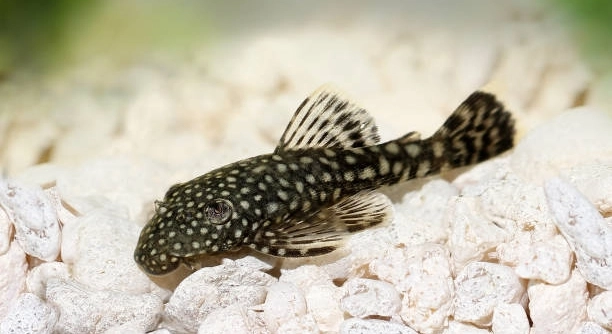
Are you looking to add a pleco to your tank but prefer one that won’t outgrow your aquarium setup too quickly? These peaceful, algae-eating fish can be a great addition if size is a concern.
Several pleco species stay under 6 inches when fully grown, making them ideal for smaller tanks. Popular choices include the Bristlenose, Clown, and Rubber Lip plecos. Each has specific care requirements, including water conditions, diet, and tank size.
Learning about their care will help you maintain a clean, balanced environment while enjoying the unique beauty of these compact species.
Bristlenose Pleco
The Bristlenose Pleco is one of the most popular small plecos available. It grows to about 4 to 5 inches and adapts well to community tanks. This species is peaceful, easy to care for, and prefers tanks with plenty of hiding spots and driftwood. Bristlenose Plecos do well in water temperatures between 73°F and 81°F, with a pH range of 6.5 to 7.5. They help manage algae and are most active in the evening. Males are easy to spot due to the bristles on their faces. A tank size of at least 20 gallons is ideal.
They enjoy a mix of vegetables like zucchini and algae wafers, along with occasional protein-rich treats like bloodworms or shrimp.
Keep their water clean and oxygenated, and avoid overfeeding. This species is great for beginners due to its hardiness and manageable size. They don’t require much beyond consistent care and a stable tank environment.
Clown Pleco
Clown Plecos stay small, typically reaching just 3.5 inches. Their colorful striped appearance makes them a charming addition to smaller aquariums.
These plecos prefer warm water between 73°F and 82°F, with a slightly acidic to neutral pH. They are shy and like to hide during the day, so caves and driftwood are essential in their habitat. While they do eat algae, their primary diet includes wood fibers and plant matter. Be sure to include driftwood in the tank, as it is necessary for their digestion. Supplement their meals with sinking algae wafers and blanched vegetables like cucumber or zucchini. A 20-gallon tank works well for a single Clown Pleco. Regular water changes and stable parameters are key for their long-term health. Despite their size, they can be quite territorial with their own kind, so it’s best to keep only one per tank unless it is very spacious.
Rubber Lip Pleco
Rubber Lip Plecos grow to about 5 inches and are peaceful fish that do well in community tanks. They’re hardy, low-maintenance, and suitable for beginner aquarists with medium-sized aquariums and stable water parameters.
They prefer temperatures between 72°F and 80°F and need a pH level around 6.5 to 8.0. Rubber Lips are active algae grazers and spend most of their time near the bottom. A 30-gallon tank with driftwood, plants, and hiding spots provides the best environment. They aren’t aggressive but may be territorial with other bottom-dwelling species. Feed them algae wafers, blanched vegetables, and occasional protein sources. Regular tank maintenance and water changes will help them stay healthy. Avoid overcrowding the tank, as this species needs space to graze and settle comfortably.
They aren’t demanding but still benefit from a balanced diet and good water quality. Unlike some plecos, they won’t eat wood but enjoy algae and vegetable-based food. They can live over ten years with proper care. Avoid sudden changes in water temperature, as that may stress them. Rubber Lip Plecos are generally quiet and do not disturb tankmates. Their calm behavior and manageable size make them ideal for community setups where other peaceful species are present. Keep lighting low to moderate to help reduce stress.
Pitbull Pleco
Pitbull Plecos usually grow to about 2.5 inches, making them one of the smallest types available. They’re peaceful, active, and do best in small groups. A tank of 20 gallons or more is recommended.
They prefer water temperatures between 72°F and 79°F and slightly acidic to neutral pH levels. Pitbull Plecos enjoy sandy or smooth gravel substrate and require lots of cover like plants, driftwood, and caves. Although they help with algae control, they still need added nutrition. Offer them a mix of algae wafers, sinking pellets, blanched spinach, and occasional protein sources. These fish are more active during the day compared to many other plecos. Keep them in groups of three or more for comfort, as they’re social. Regular tank cleaning and stable parameters support their well-being. They are sensitive to poor water quality, so don’t skip maintenance. Their compact size and friendly nature make them perfect for peaceful community tanks.
Dwarf Snowball Pleco
The Dwarf Snowball Pleco reaches about 2.4 inches in length. It’s a quiet and shy species that thrives in well-structured tanks with hiding places. Keep water between 75°F and 82°F and maintain a pH range of 6.5 to 7.5.
They prefer dim lighting and soft substrates. While they will nibble on algae, they also need high-quality sinking pellets, vegetables, and occasional protein. This species can be sensitive to changes in water quality, so consistency is important for their health.
Queen Arabesque Pleco
The Queen Arabesque Pleco grows to around 3.5 inches and does best in tanks that mimic its natural habitat. It prefers clean, warm water between 77°F and 84°F and slightly acidic to neutral pH. Provide plenty of hiding spaces, including driftwood and caves, as they are naturally shy. Feed them a diet of algae wafers, vegetables like zucchini, and occasional protein like bloodworms. Avoid housing them with aggressive fish, as they’re peaceful and easily stressed. A 20-gallon tank is usually enough for one adult, but good filtration is essential. Regular water changes and low nitrates help keep them thriving long-term.
Zebra Pleco
Zebra Plecos grow up to 4 inches and have striking black-and-white stripes. They need warmer temperatures and very clean water. They are more carnivorous than most plecos and prefer protein-rich foods over plant matter.
FAQ
How often should I feed my small pleco?
Feed small plecos once or twice a day, depending on their size and activity level. Offer only what they can eat in a few hours. Uneaten food should be removed to avoid affecting water quality. Most small plecos do well with a combination of algae wafers, blanched vegetables, and occasional protein-rich treats like bloodworms or shrimp. Avoid overfeeding, especially in tanks with low algae growth. If your pleco is young or more active, it may need smaller portions more frequently. Monitor their eating habits to adjust feeding schedules based on behavior and appetite.
Do small plecos need wood in their tank?
Some species, like the Bristlenose Pleco, benefit from having driftwood, which aids in digestion. However, others, like the Rubber Lip Pleco, do not rely on wood and can thrive without it. Even if it’s not necessary for digestion, driftwood still offers shelter and comfort. It also helps soften the water slightly, which many plecos prefer. Just make sure any wood you use is aquarium-safe and properly cleaned before adding it to the tank.
Can small plecos be kept with shrimp or snails?
Most small plecos are peaceful and will not harm shrimp or snails. However, if food is scarce, they might nibble on slow-moving tank mates. If you’re keeping them with shrimp, choose a well-planted tank with plenty of hiding spots. Dwarf species like the Pitbull Pleco and Dwarf Snowball Pleco are generally safe with peaceful invertebrates. Monitor the tank closely in the beginning, especially during feeding times, to make sure everyone is getting enough food.
Do small plecos need a heater?
Yes, most small plecos are tropical fish and require warm water. A stable temperature between 72°F and 84°F is ideal, depending on the species. A reliable heater helps avoid sudden temperature drops, which can stress or sicken your pleco. Make sure to use a thermometer to monitor the water regularly. Some species like the Zebra Pleco prefer even warmer water, so always research the exact range for your pleco type.
How often should I clean the tank?
Do partial water changes every week, about 20–30% of the total volume. Remove uneaten food, vacuum the substrate, and clean filters monthly. Small plecos are sensitive to poor water quality, so maintaining stable parameters is essential. Algae might make the tank look clean, but high ammonia or nitrate levels can cause serious health problems. Consistent maintenance helps your plecos stay active, healthy, and stress-free.
Can two plecos live together in a small tank?
It depends on the tank size and pleco species. Some plecos are territorial, especially males. If your tank is under 30 gallons, it’s better to keep only one small pleco. In larger tanks with enough hiding spots and separate territories, two may coexist peacefully. Always observe their behavior, especially during the first few weeks. If you notice chasing or aggression, it’s best to separate them.
Do small plecos clean the tank?
Plecos help with algae but do not replace proper cleaning. They’ll graze on surfaces and help manage algae growth, but they also create waste. It’s important to continue regular water changes and substrate cleaning. Feeding your pleco properly also reduces the chance it will overgraze or starve in low-algae tanks.
How long do small plecos live?
Most small plecos live between 8 and 15 years with proper care. Their lifespan depends on water quality, diet, tank conditions, and overall stress levels. Giving them enough space, good food, and clean water helps them live longer. Some species like the Bristlenose Pleco and Zebra Pleco are especially long-lived when kept in stable environments.
Can plecos live in a planted tank?
Yes, small plecos can do well in planted tanks. They appreciate the extra cover and the microfauna plants provide. Just make sure the plants are secure, especially if your pleco likes to dig or graze near the base. Hardy plants like Java Fern, Anubias, and Amazon Swords usually do well with plecos. Avoid soft or delicate species, which may be uprooted or damaged during grazing.
Do plecos need light?
Plecos don’t need bright lighting and often prefer dim environments. Intense light can stress them, especially shy species like the Queen Arabesque or Zebra Pleco. Moderate to low lighting works best, and using floating plants can help diffuse direct light. Keep a regular light schedule to support the tank’s natural rhythm.
Final Thoughts
Keeping small plecos is a simple and rewarding experience when their needs are met. They do not need a lot of space, but clean water, proper food, and good hiding spots are important. With the right setup, these fish can live for many years. Whether you choose a Bristlenose, a Clown Pleco, or a Pitbull Pleco, each one brings something special to your tank. They help control algae, stay out of the way, and don’t require constant attention. That makes them a great choice for peaceful community aquariums or even a small species-only setup.
Smaller plecos often have a shy and calm personality, which means they won’t bother your other fish. Still, it is important to avoid putting them with aggressive tank mates or in overcrowded tanks. Even though they are small, they still need their own space. Adding wood, rocks, and plants helps them feel safe and comfortable. Some species also need driftwood in their diet, so that should not be overlooked. Take the time to learn about each pleco’s care needs before choosing the one that fits your setup best. Not every pleco species is right for every tank.
Caring for small plecos comes down to basic maintenance. Regular water changes, a stable temperature, and a balanced diet are all they really need. They are not hard to care for, but skipping these basics can cause health issues over time. Feeding should be done with care—don’t rely on algae alone. Offer them quality foods like algae wafers, fresh vegetables, and protein-rich treats a few times a week. With this level of care, your small pleco will stay active and healthy. Once their tank is set up properly, they are a quiet and peaceful part of your aquarium that you can enjoy for years to come.

Hello,
If you enjoy the content that we create, please consider saying a "Thank You!" by leaving a tip.
Every little bit helps us continue crafting quality advice that supports the health, happiness, and well-being of pets around the world, for pets of all shapes, sizes, and species.
We really appreciate the kindness and support that you show us!