
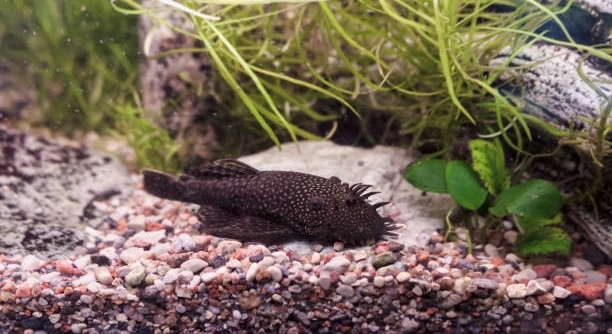
Are your plecos swimming around just fine even though there’s no heater in the tank? You’re not alone in wondering whether they truly need one to stay healthy and comfortable in cooler water.
Plecos can survive without a heater if the room temperature remains stable and warm, but they typically thrive in tropical temperatures between 74°F and 80°F. Consistent exposure to colder water can affect their health and slow down their activity.
Understanding the balance between your tank’s conditions and your pleco’s natural preferences can help you create a healthier, longer-lasting home for your fish.
What Temperatures Do Plecos Prefer?
Plecos are tropical fish, and they’re most comfortable in water that stays between 74°F and 80°F. These temperatures support their digestion, immune system, and overall energy. If the water dips too low, their metabolism slows, making them more vulnerable to illness. In colder water, plecos may appear less active, eat less, or stay hidden for longer periods. Over time, this can lead to stress and poor health. Some plecos, like bristlenose types, are a bit more adaptable, but they still do better with warm, steady temperatures. If your room stays warm year-round, you might get by without a heater, but that’s not always a reliable solution. A sudden cold snap can drop the tank’s temperature quickly. Investing in a heater gives you control and helps protect your pleco from unwanted temperature swings. Even if your fish seems fine now, stable conditions are what keep them healthy long-term.
Even a few degrees of temperature change can make a difference in your pleco’s comfort and health.
When water stays within the preferred range, plecos are more active, feed regularly, and display healthier coloration. A consistent temperature helps prevent stress-related issues and creates a more natural, comfortable environment for them to thrive in.
Can Plecos Handle Cooler Tanks?
Some plecos can tolerate slightly cooler conditions for short periods, but this isn’t ideal for their health or longevity.
Without a heater, your tank may fluctuate with the room’s temperature, especially during the night or in colder seasons. These changes are stressful for plecos and can weaken their immune system. Over time, constant stress from inconsistent temperatures can cause issues like fin rot, sluggishness, or loss of appetite. While species like rubber lip or bristlenose plecos might survive cooler water better than others, survival doesn’t mean they’re thriving. If the temperature dips below 70°F for extended periods, their health may decline. A heater doesn’t just raise the temperature; it keeps it steady, which matters just as much. It’s a small piece of equipment that makes a big difference in your fish’s daily life. When your pleco feels safe and warm, it will show through its behavior, growth, and overall condition. Stability is key, even if the room feels warm to you.
Signs Your Pleco Needs a Heater
If your pleco is staying hidden, barely moving, or not eating, the water might be too cold. Other signs include dull color, clamped fins, or slow reactions. These changes often point to temperature stress in the tank.
Cold water slows down your pleco’s metabolism, making it eat less and move slower. This can lead to poor growth and a weak immune system over time. You might notice your pleco resting more than usual or hiding constantly. Some even stop sticking to surfaces like glass or driftwood. While these behaviors might seem minor, they’re often early warnings. If your tank’s temperature drops below 72°F regularly, it’s time to consider a heater. A stable, warm environment supports better digestion and energy levels. Keeping an eye on small changes helps you catch problems before they become serious. Temperature-related stress is preventable with a consistent setup.
Another noticeable sign is pale or faded color. When plecos are stressed, they often lose their rich, dark tones. Instead, they may look washed out or patchy. You might also see fin clamping, which is when the fins are held close to the body. This is a common reaction to discomfort or poor conditions. While it’s not always due to temperature, it often is when paired with sluggish behavior. Plecos in cold water may also avoid eating altogether or graze very little. Over time, this affects their size, strength, and overall health. A simple thermometer helps you monitor your tank and react quickly. Don’t wait for major signs—small changes are worth addressing early.
Best Practices for Using a Heater in a Pleco Tank
Always match your heater size to your tank’s gallons. Place it near the filter for even heat. Use a thermometer to keep an eye on temperature changes. Check it daily to avoid unwanted dips or spikes.
When setting up your heater, aim for a consistent range of 74°F to 80°F. A submersible heater works best for most pleco tanks, and you should always install it horizontally or at an angle near the water flow. This helps distribute heat throughout the tank more evenly. After placing the heater, wait about 15-20 minutes before plugging it in, so it adjusts to the water temperature. Use a reliable thermometer on the opposite side of the tank to double-check that the heat is spreading properly. It’s also helpful to monitor the temperature at different times of day—rooms can cool down at night. Routine heater checks can prevent issues before they affect your pleco. Stability matters most.
What Happens If You Don’t Use a Heater?
Without a heater, water temperatures can drop suddenly, especially at night or during winter. These drops stress your pleco, weaken its immune system, and can lead to health problems like infections, sluggish behavior, and a reduced appetite over time.
Cooler tanks also slow your pleco’s digestion and growth. Even if it seems okay at first, the long-term effects of cold water can add up. You might notice your fish becoming less active, eating less, or developing a pale appearance that signals poor health.
Are There Any Pleco Species That Tolerate Cooler Water?
Some species, like rubber lip and hillstream plecos, can tolerate slightly cooler temperatures, usually down to 68°F. However, even these types still do better with warmth and stability. Most plecos are tropical and aren’t meant to be kept in unheated tanks. Cooler water increases the risk of illness and slows their metabolism, making them less active and more prone to long-term stress. While it’s possible for certain types to survive cooler environments for short periods, it’s not ideal. Using a heater helps ensure your pleco lives a longer, healthier life in a stable and supportive setting.
Choosing the Right Heater Size
Choose a heater that matches your tank size—typically 3 to 5 watts per gallon. For a 20-gallon tank, a 75-watt heater is usually enough to maintain a steady temperature.
FAQ
Can plecos survive in room temperature water?
Some plecos might survive in room temperature water for a short time, especially if the room stays warm. However, survival isn’t the same as thriving. Most homes experience temperature drops at night or during colder months. These changes can stress plecos and affect their overall health. Room temperature is often too unpredictable to maintain consistently safe water conditions. Even if the pleco shows no immediate signs of stress, long-term exposure to cooler temperatures may lead to poor growth, weak immunity, or infections. Using a heater ensures stable conditions, which is essential for your pleco’s long-term well-being.
What temperature is too cold for plecos?
Water below 72°F is generally too cold for most pleco species. At that point, their metabolism begins to slow down. Anything lower than 68°F can quickly cause health issues. You may notice the fish becoming sluggish, hiding more, or showing pale coloring. If temperatures drop further, especially for extended periods, they risk infections or organ failure. Even species that tolerate cooler ranges don’t do well in cold tanks for long. It’s always better to keep plecos in their ideal range of 74°F to 80°F to avoid unnecessary risks and health problems.
Do plecos need heaters year-round?
Yes, in most cases, they do. Even if your room stays warm during the summer, temperatures can still fluctuate between day and night. These small shifts can be stressful. A heater helps keep things steady, which is what plecos need most. During colder months, heaters become essential. Without one, the water could cool too much, even if your house feels comfortable to you. Plecos are tropical fish, and their systems are designed for warmth. Using a heater year-round keeps the tank consistent, supports healthy digestion, and helps prevent illness caused by temperature swings.
Can a heater overheat the tank?
It can, but it’s not common if you choose the right size and check it regularly. Cheap or faulty heaters are more likely to malfunction. That’s why using a reliable brand matters. You should also place a thermometer in the tank, opposite the heater, to monitor the temperature. Some people even use two smaller heaters instead of one large one to reduce the risk of overheating. Regular checks will keep you informed. If your tank ever feels too warm, unplug the heater temporarily and let it stabilize. Heaters help more than they hurt, as long as they’re managed well.
Is it okay to turn off the heater at night?
No, turning off the heater at night isn’t recommended. Nights are when room temperatures drop the most, which is when your tank will cool quickly. Sudden temperature shifts—especially cold ones—can shock your pleco and stress its body. This stress may not show right away but can lead to infections or other health problems over time. Keep your heater running at all hours to maintain a consistent environment. That stability is more important than just meeting a general temperature range. Plecos do best when the tank doesn’t fluctuate more than a couple of degrees throughout the day.
What should I do if my heater breaks?
Act quickly to keep the tank warm. First, move the tank to a warmer room if possible, away from windows or drafts. Wrap a blanket around the tank’s sides to keep heat in. You can float sealed plastic bags of warm water in the tank to raise the temperature slowly. Avoid sudden changes, as those can shock your fish. Try to get a new heater within 24 hours. Monitor the water with a thermometer to track any drops. Temporary fixes can help short term, but you’ll need a reliable heater in place again as soon as you can.
Can I use a heating pad or heat lamp instead?
Not for fish tanks. Heating pads and lamps are made for reptiles and land animals, not water. They don’t heat water evenly and can create hot spots or fail to raise the temperature at all. Worse, they could melt plastic or glass if placed too close. Aquarium heaters are made specifically for underwater use and provide controlled, even heat. It might be tempting to try something else in an emergency, but those options aren’t safe or effective for plecos. Stick to products designed for aquatic environments—they’re made to keep both your fish and your tank safe.
Final Thoughts
Keeping plecos in the right water temperature is one of the most important parts of caring for them. These fish may seem tough, but they still rely on a stable, warm environment to stay healthy. While some pleco species can handle slight temperature changes, most of them do not do well in cold water. A drop of just a few degrees can affect their energy, digestion, and overall health. Relying on room temperature water can lead to problems, especially in the cooler months when indoor temperatures drop. Using a heater removes the guesswork and helps you provide a more reliable setup.
Even if your home feels warm to you, water loses heat much faster than air. Plecos are cold-blooded animals, which means their body temperature depends on the water they live in. Without the warmth of a heater, their bodies slow down. This can lead to poor appetite, slower growth, or higher risk of illness. In the long run, the lack of consistent heat might make your pleco uncomfortable or even shorten its lifespan. Heaters are easy to find and not very expensive, especially when compared to the cost of treating a sick fish or replacing one that didn’t survive.
Taking the time to understand what plecos need shows that you care about their well-being. A heater is not just a piece of equipment—it’s part of what makes your aquarium safe and comfortable. If you choose a reliable heater and keep track of the temperature, your pleco will be much better off. Some aquarists try to skip the heater, but it usually ends up causing more stress and effort. Giving your pleco the right environment helps it live a longer, healthier life. In the end, it’s a small step that makes a big difference.

Hello,
If you enjoy the content that we create, please consider saying a "Thank You!" by leaving a tip.
Every little bit helps us continue crafting quality advice that supports the health, happiness, and well-being of pets around the world, for pets of all shapes, sizes, and species.
We really appreciate the kindness and support that you show us!