
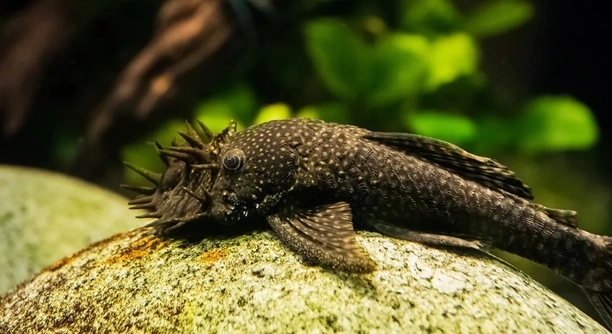
Plecos are popular freshwater fish loved for their unique appearance and helpful algae-eating habits. But did you know that certain factors can shorten their lifespan? Understanding these factors can help your pleco live a longer, healthier life.
Several elements can affect a pleco’s lifespan, including water quality, diet, tank size, and tank mates. Neglecting any of these factors can cause stress, illness, or even premature death, leading to a significantly reduced lifespan.
By learning about the key things that can harm your pleco, you can improve its care and ensure it thrives in your aquarium. Keep reading to find out how to help your fish live a full, happy life.
Poor Water Quality
The water quality in your aquarium is one of the most important factors in keeping your pleco healthy. If the water is polluted or has an incorrect pH level, your pleco can become stressed, which weakens its immune system. Poor water conditions can lead to disease, slow growth, and eventually a shorter lifespan. Regular water changes, monitoring nitrate and ammonia levels, and ensuring a stable temperature will make a big difference. Additionally, using a reliable filtration system helps keep the water clean and prevents harmful buildup.
Water quality should be checked regularly, and any changes should be addressed immediately to avoid long-term damage to your pleco’s health. Make sure the water parameters match the specific needs of your pleco species for the best outcome.
By maintaining optimal water quality, you can ensure your pleco remains healthy and resilient. Always test the water before adding any new fish or changing the environment. Doing so will help avoid sudden shocks that could harm your pleco.
Incorrect Diet
Your pleco’s diet plays a huge role in its overall health. Feeding it the wrong foods can result in nutritional deficiencies and even obesity. They need a balanced diet that includes algae, vegetables, and occasional protein. If their diet is not varied enough, they may suffer from digestive issues or weakened immune systems, which can shorten their lifespan.
To support your pleco’s health, provide a mix of high-quality algae wafers, fresh vegetables like zucchini, and protein-rich foods like brine shrimp or bloodworms. This will keep your pleco well-fed and provide it with the essential nutrients it needs.
Feeding your pleco the right foods ensures that it gets the proper nutrition to thrive. Avoid overfeeding, as this can lead to obesity and water pollution. A healthy diet is key to a long, happy life for your pleco.
Overcrowded Tank
When your pleco’s tank is overcrowded, it can lead to stress and competition for food and space. This makes it harder for the pleco to thrive. A cramped environment can lead to behavioral issues, illnesses, and ultimately a shortened lifespan.
Ensure your pleco has plenty of space to move around. They need room to explore, hide, and feed. Overcrowding also increases the chances of poor water quality, which can stress your pleco even further. Keeping the tank properly stocked with suitable tank mates will reduce the risk of aggression and competition.
A properly sized tank ensures your pleco can live comfortably. If you notice signs of stress or aggression, it’s important to reassess the number of fish in the tank. Plecos are peaceful but need their own space to stay healthy.
Poor Tank Mates
Not all fish are compatible with plecos. Aggressive or overly active tank mates can cause stress, leading to health issues. Plecos are generally peaceful creatures, but they need to be surrounded by calm and non-aggressive species.
Before introducing new fish, research which species are compatible with plecos. Fish that are territorial or overly assertive may harm your pleco or force it to hide, which can impact its health. It’s crucial to select tank mates that won’t stress out your pleco.
Inappropriate tank mates may also cause the pleco to avoid eating or become inactive. Always ensure that the other fish in the tank are peaceful, and check on your pleco regularly for signs of distress or injury.
Inconsistent Water Temperature
Temperature fluctuations can severely impact your pleco’s health. Plecos prefer stable water temperatures, typically between 75°F and 80°F. When the water is too hot or cold, it weakens the immune system and increases stress.
To keep your pleco comfortable, maintain a consistent temperature. Use a reliable heater and thermometer to avoid dangerous swings in water temperature. Inconsistent temperatures can lead to diseases or even death if left unaddressed.
Ensure that the heater you use is properly sized for your tank. Keeping the temperature stable is essential to prevent stress and ensure your pleco’s health.
Lack of Hiding Spots
Plecos need hiding spots to feel safe in the tank. If they don’t have places to hide, they can become stressed or territorial. A lack of hiding spaces can lead to behavioral issues like lethargy or aggression.
Provide caves, plants, or other decorations to create hiding spots. This will help your pleco feel secure and comfortable. Hiding spots also give the pleco a place to rest and avoid unwanted attention from other tank mates.
Plecos are nocturnal, so they rely on hiding spots to retreat during the day. A proper setup will help reduce stress and promote a healthier environment.
FAQ
What is the best water temperature for a pleco?
Plecos thrive in water temperatures between 75°F and 80°F. Keeping the water temperature stable is crucial to their health. If the temperature fluctuates too much, it can lead to stress, which weakens the immune system and makes the pleco more susceptible to diseases. A reliable aquarium heater and thermometer are essential to maintain a consistent temperature.
Can plecos live in cold water?
Plecos are tropical fish, so they cannot survive in cold water. They need warmer temperatures to remain healthy. Cold water can slow down their metabolism and cause stress. If the water is too cold for too long, it could lead to illness or even death. To prevent this, ensure your tank is heated to the appropriate range, especially during colder months.
How often should I change the water for my pleco?
Water changes should be done at least once a week to maintain water quality. However, this can depend on the size of the tank and the number of fish. For smaller tanks or heavily stocked aquariums, you may need to change the water more frequently. Regular water changes help prevent the buildup of harmful toxins like ammonia and nitrate, which can negatively affect your pleco’s health.
Do plecos need special filtration?
Yes, plecos require good filtration to keep the water clean and oxygenated. They produce a lot of waste, so a strong filter will help keep the tank in balance. A good filtration system ensures that toxins, excess food, and debris are removed from the water, preventing poor water quality. Be sure to choose a filter that matches the size of your tank and is strong enough for your pleco’s needs.
How long do plecos live?
Plecos can live for up to 10 to 15 years with proper care. However, their lifespan can be shortened by poor water quality, an inadequate diet, overcrowding, or other factors that cause stress. Keeping the water clean, providing a balanced diet, and offering plenty of space can help your pleco live a long, healthy life.
What do plecos eat?
Plecos are omnivores and require a balanced diet. Their main food source should be algae or algae wafers, but they also enjoy fresh vegetables like zucchini, cucumber, and spinach. They can also eat occasional protein, such as brine shrimp or bloodworms. Offering a variety of food types helps ensure they get all the nutrients they need.
Can plecos live with other fish?
Plecos can live with most peaceful community fish, but they should not be kept with aggressive species. They prefer a calm environment and may become stressed if there are aggressive tank mates. Additionally, avoid keeping plecos with fish that compete for the same food sources. It’s best to choose fish that are peaceful and won’t crowd or bother your pleco.
Do plecos need to be alone in the tank?
Plecos are generally peaceful but are territorial. While they can live with other fish, they may not get along with other plecos, especially in smaller tanks. If you plan to keep more than one pleco, make sure the tank is large enough to provide enough space for them to avoid aggression.
Can plecos live in a tank with a filter but no heater?
While a filter is essential for maintaining water quality, a heater is necessary to keep the temperature stable for your pleco. Without a heater, the water may become too cold, especially in colder climates, which can harm your pleco. It’s important to have both a heater and a filter for the health and comfort of your fish.
How do I know if my pleco is stressed?
A stressed pleco may exhibit signs like hiding more than usual, lethargy, loss of appetite, or abnormal swimming behavior. If your pleco is frequently hiding, it could be a sign of stress from poor water quality, incompatible tank mates, or inadequate tank conditions. Monitoring its behavior and the environment will help identify the cause of the stress.
What size tank do I need for a pleco?
Plecos need a relatively large tank due to their size and swimming habits. A 30-gallon tank is the minimum size for most species, but larger plecos may require tanks of 50 gallons or more. Providing enough space is essential for their health and well-being, as overcrowding can lead to stress and health problems.
Do plecos need light?
While plecos can survive without light, they do benefit from a natural day-night cycle. A proper lighting system will help mimic their natural environment and regulate their biological clock. However, avoid keeping the tank under constant bright light, as plecos are nocturnal and prefer dimmer, darker conditions during the day.
What should I do if my pleco is not eating?
If your pleco is not eating, check the water quality first, as poor conditions can cause loss of appetite. Also, make sure the food offered is suitable for your pleco’s diet. If the water is fine and the food is appropriate, stress or illness might be the cause. If the problem persists, consider consulting an aquarium specialist or veterinarian.
Can plecos live with goldfish?
While plecos can technically live with goldfish, they may not be the best tank mates. Goldfish are cold-water fish and may not thrive in the warmer temperatures that plecos need. Additionally, goldfish are messy eaters, which can lead to poor water quality, something plecos are sensitive to. It’s better to keep them in separate tanks with water conditions suited to their specific needs.
Final Thoughts
Caring for a pleco requires attention to several important factors. Water quality, temperature, diet, and tank mates all play a crucial role in maintaining your pleco’s health and ensuring it lives a long, happy life. It is important to regularly check water parameters, including pH, ammonia, and nitrate levels. Consistent water changes, along with proper filtration, help maintain a clean and safe environment. Without clean water, your pleco is more likely to experience stress and illness, which can significantly shorten its lifespan.
Equally important is providing your pleco with the right diet. Plecos are primarily algae eaters but also need a varied diet, including vegetables like zucchini and occasional protein. Overfeeding or feeding an inadequate diet can lead to health problems, such as obesity or malnutrition. Make sure your pleco has access to the right kinds of food to keep it strong and healthy. A healthy pleco will actively forage and explore, which is a good sign that it’s getting the nutrition it needs.
Finally, it’s crucial to ensure that your pleco has enough space and appropriate tank mates. Overcrowding, incompatible fish, or a lack of hiding spots can lead to stress and unhealthy behavior. Plecos are peaceful creatures, but they still need room to move around and retreat when necessary. A properly sized tank with suitable decorations and hiding spots will help your pleco feel secure. Keep an eye on its behavior and look for signs of stress, such as excessive hiding, loss of appetite, or aggressive interactions with tank mates. By meeting your pleco’s physical and environmental needs, you can help it live a long and healthy life.

Hello,
If you enjoy the content that we create, please consider saying a "Thank You!" by leaving a tip.
Every little bit helps us continue crafting quality advice that supports the health, happiness, and well-being of pets around the world, for pets of all shapes, sizes, and species.
We really appreciate the kindness and support that you show us!