
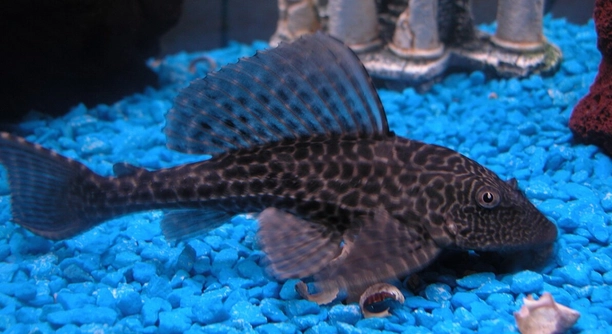
Plecos are popular aquarium fish, but have you ever wondered what they eat in the wild compared to in a tank? Understanding their natural diet versus what they consume in captivity can help ensure they stay healthy.
In the wild, plecos consume a varied diet consisting of algae, plant matter, small invertebrates, and detritus. In contrast, in tanks, they primarily rely on algae wafers, vegetables, and occasional protein-based foods to meet their nutritional needs.
Understanding the differences in their diet can help you create a better feeding routine. Proper nutrition plays a key role in your pleco’s growth and overall well-being.
Plecos in the Wild: A Natural Diet
In their natural habitat, plecos have access to a wide range of foods that support their health. They live in freshwater rivers, streams, and ponds, where algae and plant matter are abundant. These fish spend most of their time grazing on rocks and submerged surfaces, consuming algae, detritus, and fallen leaves. The variety in their diet helps keep them healthy and strong, as they get different nutrients from these natural sources. In the wild, plecos also consume small invertebrates like crustaceans, which provide extra protein. The ecosystem offers plecos a balanced diet that is rich in fiber, proteins, and essential vitamins.
Their natural diet is diverse, allowing them to stay healthy without much intervention. They don’t need to rely on any one food source for too long because the environment offers continuous options. This ensures that plecos receive all the nutrients they need from a natural and balanced variety of foods.
Being exposed to such a range of foods, plecos in the wild are naturally strong and well-nourished. They also engage in more physical activity, which helps them maintain their health over time.
Plecos in the Tank: Adjusting to a Captive Diet
In captivity, plecos often face a more limited range of food options.
In the aquarium, plecos primarily eat algae wafers, vegetables like zucchini or cucumber, and sometimes protein-based foods like shrimp or fish flakes. These foods mimic some of what they would find in the wild, but are usually not as varied. It’s important to provide a mix of plant-based and protein-based foods to replicate their natural diet as closely as possible. Some plecos may also need extra vitamins or minerals, depending on the tank setup.
Unlike in the wild, where they can freely graze on natural resources, plecos in captivity need their owners to provide their meals. This makes it crucial to feed them a well-rounded diet, ensuring they receive all the nutrients they would naturally get. Regularly cleaning the tank is also necessary, as algae growth can vary based on tank conditions. Without proper care, plecos might miss out on the variety they need, leading to deficiencies.
Differences in Nutrient Intake
In the wild, plecos get a natural balance of nutrients from algae, plants, and small invertebrates. These provide them with fiber, protein, and essential minerals. In an aquarium, this variety is harder to replicate.
When kept in a tank, plecos rely on algae wafers, vegetables, and occasional protein supplements like shrimp or pellets. However, this diet might not provide the same variety of essential nutrients found in the wild. Without a diverse food supply, plecos in captivity may be at risk for deficiencies, such as lack of vitamin C or calcium, which can affect their health over time.
To counter this, aquarium owners need to provide a variety of foods. Adding fresh vegetables like spinach, zucchini, or cucumber, and offering protein-rich treats, ensures that plecos get the full range of nutrients they would naturally consume. This approach helps prevent nutritional imbalances that might arise from feeding only one type of food, like algae wafers.
Feeding Habits and Behavior
In their natural environment, plecos spend a lot of time foraging for food.
In the wild, plecos are constantly on the move, grazing on algae and other organic material. They are bottom dwellers, often hiding in crevices or under rocks, seeking food that has attached to surfaces. Their feeding habits are linked to their need to consume large amounts of algae to maintain a healthy diet. In the tank, however, plecos may not need to forage as actively, as food is often provided in specific areas.
However, feeding plecos in a tank requires some thought. If you place food in a single spot, they may not get as much exercise and could become less active. It’s helpful to scatter food around the tank or use feeding devices that encourage movement, helping them engage with their environment. Keeping plecos physically active ensures they stay in good shape and prevents them from becoming lazy, which could affect their health.
Tank Environment and Feeding Needs
The tank environment affects what plecos eat. In the wild, they graze on surfaces rich with algae, but a tank may lack this natural food source.
In an aquarium, plecos need algae growth to stay healthy. Without enough algae, you’ll need to supplement their diet with algae wafers or other plant-based foods. Regular tank maintenance can help encourage algae growth. If not enough algae is available, plecos may not get all the nutrients they need.
Pleco Diet and Tank Maintenance
Keeping plecos well-fed in a tank requires more than just providing food.
Proper tank maintenance ensures that algae can grow, creating a natural food source for plecos. It’s also important to maintain good water quality, as poor conditions can affect their appetite and health. Regular cleaning prevents harmful waste build-up and ensures they have access to fresh food. A clean, well-maintained tank mimics their natural habitat and supports their feeding habits.
Supplementing with Fresh Vegetables
Providing fresh vegetables is key to their diet.
Plecos enjoy fresh veggies like zucchini, cucumber, and spinach. Offering these regularly ensures they get essential vitamins and fiber that are missing from algae wafers alone. Keep the veggies fresh and clean, and consider rotating different types to offer variety.
FAQ
What do plecos eat in the wild?
In the wild, plecos have a varied diet. They primarily eat algae that grow on rocks, wood, and submerged surfaces. They also consume decaying plant material, fallen leaves, and small invertebrates like crustaceans. This natural diet helps provide plecos with fiber, protein, and essential vitamins. Wild plecos are often seen scraping surfaces in rivers or streams, constantly foraging for food. They also eat detritus, which is organic matter from decaying plants and animals. This variety ensures they get the right balance of nutrients for their health.
Do plecos eat meat in the wild?
Yes, plecos do eat small amounts of meat in the wild. While they are primarily herbivores, plecos are opportunistic feeders. They will consume small invertebrates such as crustaceans, worms, and even fish eggs if available. However, meat makes up a small portion of their diet, and the bulk of their food is plant-based. In captivity, it’s not necessary to provide them with meat regularly, but occasional protein-rich treats can help maintain their health, especially if the pleco isn’t getting enough nutrients from other sources.
Can plecos live on algae alone in a tank?
Algae is an important part of a pleco’s diet, but it is not enough to sustain them on its own in a tank. In captivity, algae may not grow in sufficient amounts, so you must supplement their diet with algae wafers, fresh vegetables, and sometimes protein-rich foods like shrimp or fish food. Algae alone will not provide plecos with the full range of nutrients they need, including vitamins, minerals, and proteins. A variety of foods will help keep plecos healthy and ensure they get all the nutrients they would naturally consume in the wild.
How often should I feed my pleco?
Plecos should be fed once or twice a day, depending on their size and the type of food you’re offering. Young plecos may need to be fed more frequently, while adult plecos can usually thrive on one meal a day. It’s important not to overfeed, as plecos can become overweight and may suffer from poor water quality due to uneaten food. A good rule of thumb is to offer as much food as your pleco can eat in about 5-10 minutes. Remove any uneaten food to prevent it from polluting the tank.
What vegetables can I feed my pleco?
Plecos enjoy a variety of fresh vegetables. Common choices include zucchini, cucumber, spinach, and lettuce. You can also offer them peas, sweet potato, or carrots, but always make sure to blanch the vegetables first to soften them. Make sure the veggies are clean and free of pesticides. It’s also important to rotate the vegetables you offer to ensure they get a broad range of nutrients. Cutting vegetables into small pieces or using a veggie clip to attach them to the tank can make feeding easier for both you and the pleco.
Can plecos eat fish food?
Plecos can eat certain types of fish food, but it shouldn’t be their main diet. Fish flakes or pellets meant for carnivorous or omnivorous fish can be given to plecos in moderation, especially if they are made from natural ingredients. However, fish food alone is not suitable for plecos long-term. Plecos require a diet rich in fiber and plant matter, which is why algae wafers, fresh vegetables, and specific pleco pellets are better options. Some plecos may also enjoy eating protein-rich foods like brine shrimp or bloodworms on occasion.
Why is my pleco not eating?
If your pleco isn’t eating, there could be several reasons. Poor water quality is a common cause, so check the tank’s water parameters, such as pH, ammonia, nitrite, and nitrate levels. Stress from an overcrowded tank, new tank mates, or sudden changes in the environment can also make plecos lose their appetite. Another possibility is that they are simply not getting the right type of food or the food you’re offering isn’t appealing to them. Try offering a variety of vegetables or algae wafers to see if that helps. If the issue persists, it may be worth consulting an aquarium specialist.
Can plecos eat algae wafers every day?
Yes, algae wafers are a good staple food for plecos and can be fed daily. However, it’s important to offer a variety of foods to ensure they get all the nutrients they need. If you feed algae wafers every day, make sure to supplement their diet with fresh vegetables like zucchini or cucumber. Algae wafers alone may not provide enough fiber, vitamins, or protein. Offering a mix of foods will help keep your pleco healthy and active, mimicking their natural feeding habits more closely.
How can I encourage algae growth in my tank for my pleco?
To encourage algae growth in your tank, make sure the lighting is appropriate. Algae thrive under certain lighting conditions, so a light cycle of about 10-12 hours a day can help encourage growth. You should also avoid over-cleaning your tank, as a little algae is necessary for plecos. Additionally, make sure the water is nutrient-rich, as algae feed on excess nutrients. Some aquarium owners add algae-promoting products or ensure there is enough surface area, such as rocks or driftwood, for algae to grow. Just be careful not to let algae growth become excessive or problematic for the rest of the tank inhabitants.
What is the best way to feed my pleco vegetables?
To feed your pleco vegetables, you can either blanch them by boiling the vegetables briefly and then cooling them down, or use a veggie clip to attach them to the side of the tank. Zucchini, cucumber, and spinach are popular choices. It’s important to remove any uneaten vegetables after 24 hours to avoid water contamination. Some plecos may prefer soft vegetables, while others might enjoy tougher options. Offering different types of vegetables will keep your pleco interested and ensure they get a balanced diet.
Final Thoughts
Taking care of a pleco involves understanding their diet and how it changes when kept in a tank. In the wild, plecos eat a wide variety of foods, from algae and plants to small invertebrates, which ensures they get a balanced mix of nutrients. In a tank, it’s harder to provide this natural variety, so it’s important to offer them a diverse diet to keep them healthy. While algae wafers are a good base, adding fresh vegetables and occasional protein will help mimic their wild diet and provide essential nutrients.
Feeding plecos isn’t just about offering the right food; it’s also about creating the right environment for them. In their natural habitat, plecos spend a lot of time grazing on rocks and other surfaces. In a tank, it’s crucial to encourage similar behavior by placing food in different spots or using feeding devices to keep them active. A clean tank with some natural algae growth will also help ensure they get the nutrition they need. If algae isn’t growing on its own, supplementing with algae wafers or adding live plants can be helpful.
Overall, feeding plecos may require more attention and effort than you’d expect, but it’s important for their well-being. Providing a mix of foods, ensuring a clean tank, and encouraging natural feeding habits will help them thrive. With the right care and understanding of their diet, plecos can live long, healthy lives in captivity. Just remember that their needs are unique, and what works for one pleco might not work for another. Keeping an eye on their health and adjusting their diet as needed will keep them happy and strong.

Hello,
If you enjoy the content that we create, please consider saying a "Thank You!" by leaving a tip.
Every little bit helps us continue crafting quality advice that supports the health, happiness, and well-being of pets around the world, for pets of all shapes, sizes, and species.
We really appreciate the kindness and support that you show us!