
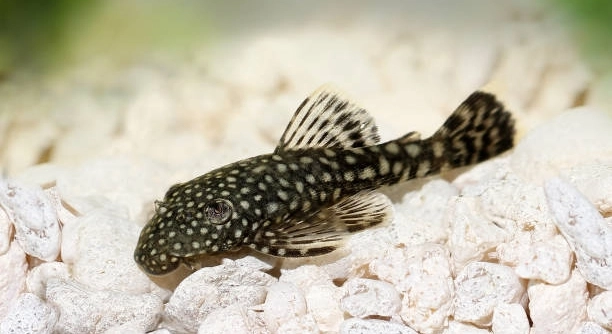
Plecos are popular fish in aquariums, known for their peaceful nature and algae-eating habits. If you’re considering adding one to your tank, understanding its lifespan is key to providing the best care possible.
The average lifespan of a pleco ranges from 10 to 15 years, depending on the species and care provided. Proper tank conditions, a balanced diet, and regular maintenance contribute to their longevity, ensuring they live a healthy life.
Knowing how to care for your pleco will help them thrive and reach their full lifespan potential. It’s essential to keep them in an environment that supports their needs.
Factors Affecting Pleco Lifespan
Plecos can live long lives if cared for properly. Several factors influence their lifespan, including tank size, water quality, and diet. A larger tank allows them to swim and grow comfortably, reducing stress and promoting better health. Water conditions such as pH, temperature, and cleanliness are also important. Frequent water changes help maintain good quality. Additionally, the type of pleco plays a role, as some species naturally have shorter lifespans than others. A varied diet, with both plant-based and protein-rich foods, contributes to their overall well-being. By focusing on these factors, you can ensure your pleco lives a long, healthy life.
When it comes to tank size, bigger is better for plecos. A small tank can quickly lead to water quality problems, which may shorten their life.
Plecos are naturally bottom dwellers and enjoy having plenty of space to explore. A tank that provides ample hiding spots and clean, filtered water reduces the chances of stress and improves the pleco’s chances of living a full life.
Diet and Pleco Health
The diet of your pleco is crucial for its health. Plecos are omnivores, meaning they need both plant-based foods and animal proteins. Common food options include algae wafers, blanched vegetables like zucchini or spinach, and occasional protein like bloodworms or shrimp. These foods provide necessary nutrients, ensuring your pleco remains healthy throughout its life. Avoid feeding them too much processed food, as it may lead to obesity and shorter lifespans. You should also monitor how much they eat. Overfeeding can lead to water pollution, which may negatively impact their health.
Feeding your pleco a balanced diet is the most important part of their care. Make sure the food is fresh, varied, and suitable for their dietary needs.
While plecos are often associated with algae-eating, their diet should be more diverse. Incorporating both plant and animal-based foods ensures they receive the right mix of vitamins and minerals. This can significantly impact their longevity, supporting everything from growth to immune system strength.
Water Quality and Temperature
Water quality is one of the most important factors in pleco care. Regular water changes and proper filtration are essential. Maintain a temperature between 75°F and 80°F to keep them comfortable. Sudden temperature fluctuations or poor water quality can weaken their immune system and lead to health problems.
The pleco’s environment should have stable water parameters. Regular testing for ammonia, nitrites, and nitrates helps prevent harmful conditions. Proper filtration ensures that water stays clean, providing a healthy environment for your fish. If the water gets dirty, plecos may develop skin diseases or other health issues.
Keep the tank’s water temperature within the recommended range. Too cold or too hot water can stress plecos, affecting their lifespan. Stable conditions are the key to preventing illnesses and ensuring your pleco thrives. Regular maintenance, including changing 20% of the water every few weeks, will keep your pleco’s environment safe.
Tank Size and Space
A larger tank provides plecos with ample space to swim, which reduces stress and promotes healthy growth. A small tank will limit their movement and may lead to stunted growth. A 30-gallon tank is usually the minimum for one pleco.
Plecos can grow quite large, depending on the species. For example, common plecos can reach up to 24 inches, while smaller varieties stay around 6-8 inches. Having enough space to grow naturally helps plecos live longer and remain healthy. Additionally, more space gives them room to explore, which is important for their mental and physical well-being.
The tank should include plenty of hiding spots, such as caves and driftwood. These offer your pleco a place to rest and feel secure. A stress-free pleco is more likely to live a long, happy life. Make sure the tank size fits the species you own, and provide enough space to support their needs.
Pleco Tank Mates
Plecos are peaceful fish but should be housed with compatible tank mates. Avoid aggressive species that may harm your pleco. Small, fast fish or large, territorial species may cause stress. Non-aggressive fish like tetras, guppies, or mollies make good companions.
When selecting tank mates, make sure they don’t compete with the pleco for food or space. Plecos are bottom dwellers, so adding fish that stay near the surface or middle of the tank is ideal. Also, avoid overly active or fin-nipping fish that could disturb the pleco.
Tank mates should be peaceful to ensure a stress-free environment for your pleco. Choosing the right companions ensures your pleco thrives and lives its longest life. Keep in mind that too much activity can lead to stress, which can negatively affect health.
Pleco Health Issues
Common health issues in plecos include parasites, fin rot, and skin infections. These can often be avoided with proper water conditions and diet. Regularly monitor your pleco’s behavior and appearance for signs of illness. If noticed early, most issues can be treated effectively.
Many plecos can develop fungal or bacterial infections if kept in poor water conditions. Ensuring that the tank is clean and free from waste helps prevent these issues. Plecos are also prone to internal parasites if they eat contaminated food. To avoid this, offer a variety of fresh foods and avoid overfeeding.
FAQ
How long do plecos typically live in captivity?
In captivity, plecos generally live between 10 and 15 years, with some species living even longer. Proper care, including good water quality, a varied diet, and a suitable tank size, can help them reach the upper end of their lifespan. The longevity of your pleco depends on maintaining a stable environment and addressing their basic needs.
Can plecos live with other fish?
Yes, plecos can live with other fish, but it’s important to choose compatible tank mates. They are peaceful bottom dwellers and typically get along with non-aggressive species. Avoid placing them with fin-nippers or overly aggressive fish, as this can cause stress or injury to the pleco.
What should I feed my pleco?
Plecos are omnivores and need a balanced diet. Provide algae wafers, fresh vegetables like zucchini or spinach, and occasional protein-rich foods like bloodworms or shrimp. Ensure that the food is fresh and free from preservatives. Overfeeding should be avoided, as it can lead to water pollution and health issues.
How often should I change the water in my pleco’s tank?
Water changes are crucial for maintaining good water quality. A general guideline is to change 20-25% of the tank water every two weeks. However, you may need to do more frequent changes depending on the tank size, the number of fish, and the filtration system. Regular water testing will help determine the optimal schedule.
What size tank is ideal for a pleco?
The minimum tank size for a pleco is usually around 30 gallons. However, if you have a larger species like the common pleco, you may need a tank that’s 50 gallons or more. Larger tanks provide more space for swimming, which reduces stress and promotes better health. The bigger the tank, the better.
Why is my pleco staying at the top of the tank?
If your pleco is spending a lot of time at the top of the tank, it could be a sign of water quality issues or low oxygen levels. Check the filtration system and consider adding an air stone to increase oxygen levels. It could also be stressed due to poor tank mates or lack of hiding spots.
Do plecos need a filter?
Yes, plecos require a filter to keep the water clean. Plecos produce waste, and a good filtration system helps maintain water quality. Without proper filtration, harmful toxins like ammonia and nitrites can build up, putting your pleco’s health at risk. Make sure the filter is suitable for your tank size.
Can plecos live with other bottom dwellers?
While plecos are bottom dwellers, they can live with other species that occupy the same space as long as they aren’t aggressive. Some bottom-dwelling fish, such as certain species of catfish, can coexist peacefully with plecos, but it’s important to monitor the tank for any signs of territorial disputes.
What water temperature do plecos prefer?
Plecos prefer a water temperature range between 75°F and 80°F (24°C – 27°C). Keeping the water temperature within this range helps them stay comfortable and healthy. Sudden temperature fluctuations can cause stress and may even lead to illness. Always use a reliable aquarium heater to maintain a stable temperature.
Why is my pleco turning black?
If your pleco is turning black, it could be due to stress, environmental changes, or a medical condition. Some plecos, especially species like the Bristlenose pleco, may naturally darken as they age. However, if the change is sudden or accompanied by other symptoms, it may indicate poor water quality or illness. Regular tank maintenance and monitoring are essential.
Can plecos eat algae wafers every day?
Yes, algae wafers can be fed to plecos every day, but they should not be the sole part of their diet. A varied diet is important for their health. Include fresh vegetables, such as zucchini, and protein-rich foods like shrimp or bloodworms to provide all the nutrients they need.
How big do plecos get?
Plecos can vary greatly in size depending on the species. Common plecos can grow up to 24 inches, while smaller species like the Bristlenose pleco typically reach around 6 to 8 inches. It’s important to choose the right pleco species for your tank size to prevent overcrowding.
Why does my pleco have white spots?
White spots on a pleco can indicate an infection, such as ich, a common parasite. If left untreated, ich can be fatal. The best way to treat it is by raising the water temperature and using an anti-ich treatment. Early detection is important for successful treatment.
Are plecos easy to care for?
Plecos are generally low-maintenance fish, but they do require attention to water quality, diet, and tank conditions. They are not the best choice for beginners who are not familiar with aquarium upkeep. With proper care, plecos can thrive and live for many years.
How can I tell if my pleco is healthy?
A healthy pleco will have smooth, unblemished skin and clear eyes. It should actively swim around the tank, especially at night, when plecos are most active. If your pleco is lethargic, has faded colors, or shows signs of fin rot, these could be signs of stress or illness.
Do plecos need a special type of tank?
Plecos don’t require a special tank, but they do need a suitable environment. A well-filtered tank with stable water conditions, appropriate temperature, and space for the pleco to swim is essential. Provide hiding spots and avoid overcrowding to ensure your pleco remains healthy.
Can plecos live in brackish water?
Some species of plecos can tolerate brackish water, but the majority of them do better in freshwater tanks. Always check the specific needs of your pleco species to ensure you are providing the correct environment. Brackish water should only be used if the species is known to thrive in it.
Final Thoughts
Plecos are fascinating fish that can bring unique beauty and function to an aquarium. They are known for their ability to help keep tanks clean by eating algae, making them a popular choice for many fishkeepers. With proper care, they can live for many years, growing to impressive sizes depending on the species. However, to ensure that your pleco thrives, it is important to meet its needs in terms of tank size, water quality, diet, and compatible tank mates. Regular maintenance, like water changes and monitoring tank conditions, is essential for a long and healthy life for your pleco.
Understanding the specific needs of your pleco species is crucial for providing the best environment. Some species are smaller and less demanding, while others require more space and attention. Providing a variety of foods, including vegetables, algae wafers, and occasional protein, helps meet the nutritional needs of these omnivores. In addition to their diet, maintaining stable water parameters, such as temperature, pH, and oxygen levels, ensures your pleco stays healthy and comfortable. With the right setup, your pleco will not only thrive but also be a valuable member of your aquarium ecosystem.
In conclusion, plecos can be a rewarding addition to any tank, as long as their care requirements are met. By selecting the right species for your tank size, offering a balanced diet, and keeping water quality high, you can ensure that your pleco lives a long and healthy life. Be sure to observe any changes in behavior or appearance, as this can indicate health issues that need to be addressed. With careful attention, a pleco can be a wonderful and low-maintenance fish that contributes to a healthy aquarium.

Hello,
If you enjoy the content that we create, please consider saying a "Thank You!" by leaving a tip.
Every little bit helps us continue crafting quality advice that supports the health, happiness, and well-being of pets around the world, for pets of all shapes, sizes, and species.
We really appreciate the kindness and support that you show us!