
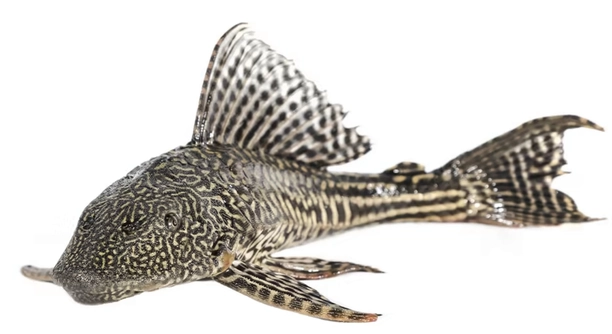
Many aquarium enthusiasts keep plecostomus fish, known for their algae-eating habits. However, some myths about these creatures can lead to confusion and misunderstandings regarding their care and behavior. It’s time to set the record straight.
The most common myths about plecostomus include misconceptions regarding their size, diet, and compatibility with other fish. It’s important to clarify these misconceptions, as improper care based on myths can lead to health issues for the fish and tank problems.
Understanding the truth behind these myths can make caring for your plecostomus easier. By clearing up these misconceptions, you will be better equipped to provide the proper care and environment for your fish.
Myth 1: Plecostomus Grow to Giant Sizes
Plecostomus are often thought to grow much larger than they actually do. Many people believe these fish can reach sizes of up to 24 inches, which is far from the truth. In reality, plecos typically grow to around 12 inches, depending on the species and environment. While they do grow steadily over time, their size can be managed with proper tank conditions and care. Having an appropriately sized tank will prevent them from becoming too large for their environment.
Plecos need space to grow but do not reach the extreme sizes that some people think. Understanding the realistic size expectations can help prevent tank overcrowding and potential issues with water quality.
By providing enough space, food, and proper care, your plecostomus can thrive without growing too large. Keeping them in an adequate tank size will also prevent stress, which can lead to health problems. It’s important to plan your tank setup around their actual size needs rather than misconceptions.
Myth 2: Plecostomus Eat Only Algae
It’s common to think that plecos can survive solely on algae. While they are known for their algae-eating habits, plecostomus are not exclusively herbivores. They are omnivores and require a balanced diet that includes both plant matter and protein sources. A diet of just algae is insufficient for their long-term health.
In addition to algae, plecos enjoy eating sinking pellets, vegetables like zucchini, and even occasional protein-based foods such as shrimp. Providing variety in their diet ensures they get the nutrients they need to stay healthy and active. Feeding only algae can lead to malnutrition, causing them to lose vitality and energy.
It’s essential to diversify their diet to support overall health. Plecostomus require more than just algae to stay well-fed and energized. By offering a balanced diet that includes both plant and protein sources, you ensure they maintain optimal health and energy levels.
Myth 3: Plecostomus Clean Tanks Without Help
It’s a common belief that plecostomus will automatically keep your tank clean by eating algae. While they help control algae growth, they don’t remove all the debris or waste in your tank. They can’t replace regular tank maintenance, such as water changes and substrate cleaning.
While plecos are efficient at consuming algae, they won’t clean everything. Their primary focus is on algae on surfaces, not waste at the bottom or decaying food. Keeping your tank clean requires active maintenance, including vacuuming the substrate and changing the water regularly.
By relying solely on your plecostomus to clean the tank, you may miss areas that require attention. Cleaning your tank regularly ensures that your pleco’s environment stays healthy, promoting better water quality and overall fish health. Don’t rely only on your plecostomus for tank upkeep; they should complement, not replace, other cleaning efforts.
Myth 4: Plecostomus Are Aggressive Fish
Some believe that plecostomus are aggressive towards other fish due to their size and territorial nature. In reality, plecos are generally peaceful and prefer to keep to themselves. They tend to be shy and will usually avoid conflict with other fish.
However, plecos can become territorial when kept in overcrowded tanks or with overly aggressive tank mates. Providing plenty of hiding spaces can help reduce stress and prevent territorial behavior. If a pleco feels threatened or confined, it may display defensive behavior, but this is not the norm in most healthy tank setups.
To keep your plecostomus calm, ensure your tank has enough room and hiding spots. Avoid housing them with overly aggressive or competitive fish that might stress them out. A peaceful environment leads to a healthier and happier pleco that thrives without the need for conflict.
Myth 5: Plecostomus Can Live in Any Type of Water
Many people think plecostomus are adaptable to any type of water condition. In reality, they require specific water parameters to thrive. They prefer a stable, warm environment with a pH between 6.5 and 7.5. Poor water conditions can lead to health issues.
Keeping the water temperature consistent between 75°F and 80°F and maintaining appropriate hardness is important. Without the right water conditions, plecostomus can become stressed, which weakens their immune system. Testing water regularly helps ensure that their environment is safe and conducive to good health.
Providing a stable water environment is essential for your plecostomus. It ensures they remain healthy and active, avoiding stress-related illnesses. Regular water testing and adjustments based on species-specific needs will go a long way in supporting their well-being.
Myth 6: Plecostomus Don’t Need Much Space
Some people believe plecostomus are fine in small tanks due to their small size. While they are not huge fish, plecos require adequate space to swim and grow. A cramped tank can lead to poor health and stress.
Plecos should ideally be kept in tanks no smaller than 30 gallons. Providing enough space allows them to move freely, reducing stress and promoting a healthy environment. A larger tank also accommodates their natural behaviors, such as grazing and exploring.
A larger tank is essential for their well-being. It promotes healthy growth and allows the plecostomus to display natural behaviors. With enough space, they will thrive and stay more active, contributing to a healthier, happier aquarium environment.
Myth 7: Plecostomus Are Low-Maintenance
It’s easy to assume plecostomus are low-maintenance because of their algae-eating abilities. However, they still require regular care. Routine water changes, feeding, and tank monitoring are essential for keeping them healthy.
Although plecos can help with algae control, their diet needs to be supplemented with other food. They also require proper tank filtration and consistent water quality. Without regular maintenance, their health can decline quickly, leading to potential issues in your aquarium.
Taking proper care of your plecostomus ensures they remain healthy and active. Regular tank maintenance, feeding, and monitoring water parameters are vital to keeping them in good condition.
FAQ
How often should I feed my plecostomus?
Plecostomus should be fed 2-3 times a week. They are scavengers and will graze on algae, but it’s important to supplement their diet with sinking pellets, vegetables like zucchini, and occasional protein sources. Overfeeding can lead to water quality issues, so it’s important to avoid excess food.
Can plecostomus live with other fish?
Yes, plecostomus can live with other fish, as long as they are housed with peaceful tank mates. Avoid aggressive or territorial species, as this could stress the pleco. Also, ensure the tank is large enough for all fish to have enough space to thrive.
What size tank does a plecostomus need?
Plecostomus need at least a 30-gallon tank, with larger tanks being better for their well-being. While they aren’t huge fish, they still need space to swim and explore. A cramped environment can cause stress, which can negatively impact their health.
Do plecostomus need a filter?
Yes, plecostomus need a good filtration system. They produce waste, so having a filter helps maintain water quality. A strong filter is also necessary for removing debris and ensuring the water stays clean. However, make sure the filter’s current isn’t too strong, as plecos prefer calm water.
Can plecostomus survive in cold water?
No, plecostomus are tropical fish and require warm water temperatures to survive. They thrive in water between 75°F and 80°F. Cold water can lead to stress and weakened immune systems, making them more susceptible to illness. Keep the temperature stable for the best health.
How do I know if my plecostomus is healthy?
A healthy plecostomus is active, has smooth skin, and isn’t showing signs of stress, like erratic swimming or discoloration. They should have clear eyes, no visible lesions or lesions, and an even appetite. If the pleco is hiding too much or not eating, it could indicate a health problem.
Can plecostomus live in brackish water?
Plecostomus are freshwater fish, and they should not be kept in brackish or saltwater. They are adapted to live in freshwater tanks, and placing them in brackish water could cause them to suffer from stress and possible disease. Keep your pleco in a freshwater setup for the best results.
What is the best way to introduce a plecostomus to a new tank?
When introducing a plecostomus to a new tank, acclimate it slowly to the water conditions. Use a drip acclimation method or float the pleco in a bag for 15-20 minutes before releasing it. Make sure the new tank is fully cycled and stable to reduce stress.
How long do plecostomus live?
Plecostomus can live up to 10-15 years, depending on the species and the conditions in the tank. Proper care, including good water quality, regular feeding, and the right tank size, will help ensure your pleco lives a long and healthy life.
What do plecostomus do during the day?
Plecostomus are mostly nocturnal, meaning they are most active at night. During the day, they may hide in caves or under decorations to rest. If you notice your pleco hiding a lot, it’s likely just following its natural behavior and not a cause for concern.
How do I know if my plecostomus is stressed?
Signs of stress in plecostomus include erratic swimming, loss of appetite, hiding more than usual, or discoloration. Stress can be caused by poor water quality, incompatible tank mates, overcrowding, or rapid changes in tank conditions. It’s essential to monitor their environment closely.
Can plecostomus survive without a heater?
Plecostomus are tropical fish, so they need a heater to maintain the appropriate water temperature. Without a heater, the water can get too cold, which can stress them out and weaken their immune system. A stable temperature is crucial for their overall health.
Why is my plecostomus not eating?
If your plecostomus is not eating, it could be due to stress, poor water quality, or a sudden change in its environment. Check the water parameters, ensure the tank is properly cycled, and offer a variety of foods. If it persists, consider consulting a veterinarian or aquarium expert.
What do plecostomus need in their tank?
In addition to a stable water temperature and clean water, plecostomus need hiding spots such as caves or driftwood. These fish are nocturnal and require places to retreat during the day. Having enough space and hiding spots reduces stress and promotes a healthy environment.
Can I keep multiple plecostomus together?
It’s generally not recommended to keep multiple plecostomus in the same tank unless the tank is large enough to accommodate them. Plecos can become territorial, especially in smaller spaces. If you do choose to keep more than one, make sure there’s enough room for them to each have their own territory.
What is the best substrate for plecostomus?
Plecostomus prefer a soft, sandy substrate in their tank, as it is gentle on their delicate undersides. Avoid sharp gravel, which can damage their skin. A soft substrate allows them to graze more naturally and reduces the risk of injury.
Do plecostomus need a lot of light?
Plecostomus don’t require a lot of light. In fact, they prefer a dimly lit environment where they can hide and feel secure. Overly bright lights can cause stress, so it’s best to provide indirect lighting or use a low-intensity aquarium light.
How do I prevent my plecostomus from becoming aggressive?
Plecostomus are generally peaceful, but they can become territorial if stressed or overcrowded. Provide plenty of hiding spaces, maintain a proper tank size, and avoid housing them with overly aggressive fish. Reducing stress will help prevent aggression and encourage natural, calm behavior.
Can plecostomus eat live food?
Yes, plecostomus can eat live food, such as small shrimp or worms, but it should only be an occasional treat. They are primarily herbivores and should be fed mainly plant-based foods. Live food can provide variety, but it’s important not to rely on it as their main diet.
Final Thoughts
Plecostomus are fascinating fish, and they can make a great addition to a properly maintained aquarium. They are beneficial to their environment, as they help keep algae under control, making them a popular choice among aquarists. However, like all pets, they come with specific needs and considerations. Understanding their behavior, dietary requirements, and tank conditions is essential for ensuring they thrive in your aquarium. Regular maintenance, including water changes and checking the tank’s temperature, is crucial to keeping them healthy.
While plecos are generally hardy, their well-being is closely linked to the environment they live in. They need a stable temperature, appropriate tank mates, and plenty of hiding spaces to feel secure. Their nocturnal nature means that they may not always be visible during the day, but this does not indicate health issues. It is important to recognize their natural behavior and avoid unnecessary stress by providing them with a peaceful environment. Overfeeding can also be a common problem, so ensuring you offer the right amount of food, along with supplemental vegetable matter and algae, can help prevent any related issues.
Taking care of plecostomus requires more than just basic feeding. They thrive in well-established aquariums that have good filtration and regular water testing. By keeping the tank clean and providing proper nutrition, you can ensure your pleco lives a long, healthy life. As with any fish, observe them regularly for any signs of stress or illness, and make adjustments as necessary. With the right care and attention, your plecostomus will continue to thrive and contribute to the beauty and balance of your aquarium.

Hello,
If you enjoy the content that we create, please consider saying a "Thank You!" by leaving a tip.
Every little bit helps us continue crafting quality advice that supports the health, happiness, and well-being of pets around the world, for pets of all shapes, sizes, and species.
We really appreciate the kindness and support that you show us!