
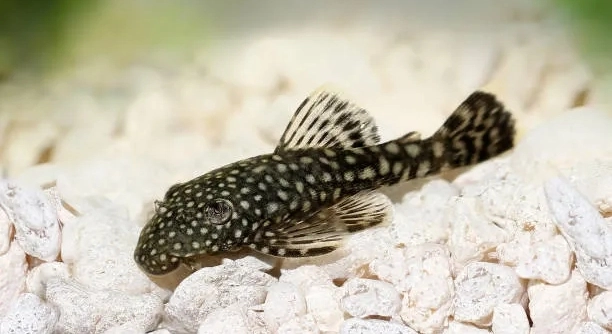
Plecos and shrimp are common aquarium companions, but their compatibility is often debated. Understanding how these species interact can help you make the right choice for your tank setup.
Plecos can live with shrimp, but it depends on the specific species of both. Generally, peaceful plecos like the Bristlenose are compatible, while larger plecos may pose a threat to shrimp due to their territorial behavior.
Proper research on both species will ensure a peaceful coexistence in your tank.
Understanding Pleco Behavior in an Aquarium
Plecos are bottom-dwelling fish known for their algae-eating habits. While most plecos are peaceful, their size and feeding behaviors can impact tankmates. Larger plecos may uproot plants or disturb smaller fish and shrimp, especially if they are territorial. It’s important to consider the species and size of your pleco when deciding if it will live peacefully with shrimp. Smaller plecos, like the Bristlenose, are often a better fit for shrimp tanks, as they are less aggressive and more adaptable to smaller spaces. A peaceful pleco will allow shrimp to thrive, but territorial behavior may lead to issues.
The type of shrimp in the tank also plays a role in compatibility. Shrimp species like cherry shrimp are more likely to coexist with plecos than larger shrimp varieties, which could be seen as food.
Plecos typically prefer calm environments with plenty of hiding spots. A well-decorated tank can provide shrimp with areas to escape if they feel threatened. These hiding spaces are crucial for the well-being of both plecos and shrimp. Regular water changes and maintaining proper water parameters can help keep both species comfortable.
Factors to Consider Before Adding Plecos and Shrimp Together
Shrimp require stable environments with adequate hiding spaces to feel safe. Plecos, especially larger ones, may disrupt this peace due to their behavior.
Compatibility also depends on tank size. A larger tank allows for more separation between the species, reducing stress. Proper maintenance of water quality, including temperature and filtration, ensures a healthier environment for both. Keeping the tank clean and clutter-free will also minimize the chances of territorial disputes.
Tank Size and Setup
A larger tank provides more room for both plecos and shrimp to coexist. The bigger the tank, the less likely they will encounter each other.
For a peaceful environment, aim for at least a 30-gallon tank when keeping plecos with shrimp. This allows enough space for the pleco to graze on algae without disturbing the shrimp. It’s important to provide hiding spots for shrimp, like plants and rocks, where they can retreat if needed. The pleco will also appreciate these areas to avoid feeling cornered or stressed.
Adequate filtration is crucial in a mixed-species tank. Plecos produce a lot of waste, and shrimp are sensitive to poor water conditions. Ensure your filter is strong enough to handle the tank’s bioload without creating too much current for the shrimp. Keep the tank’s water temperature stable, as both plecos and shrimp prefer consistent conditions.
Water Quality and Parameters
Water quality is essential for keeping plecos and shrimp healthy. Shrimp are sensitive to fluctuations in water parameters, making regular monitoring necessary.
Plecos prefer slightly acidic to neutral water with a temperature range of 72-80°F. Shrimp, depending on the species, can also thrive in similar conditions. It’s crucial to avoid high levels of ammonia, nitrites, or nitrates, as these can harm both plecos and shrimp. Regular water changes help maintain the ideal conditions for both species. Keeping the water clean also reduces the likelihood of disease or stress.
Testing your water regularly, especially for pH and hardness, ensures that both plecos and shrimp are thriving. Some shrimp species may prefer slightly harder water, while others do better in softer water.
Pleco and Shrimp Diets
Both plecos and shrimp have different dietary needs, which can affect their interactions. Plecos are primarily herbivores, while shrimp are omnivores.
Plecos feed mostly on algae and plant matter, but they also appreciate sinking wafers or vegetables like zucchini. Shrimp, on the other hand, scavenge for algae and detritus but also enjoy protein-based foods like shrimp pellets. If both species are provided enough food, they are less likely to compete.
Having a balanced diet ensures both plecos and shrimp remain healthy. Offer a variety of foods to meet their nutritional requirements. Overfeeding can cause water quality issues, so it’s important to avoid excess food and remove uneaten portions.
Compatible Pleco Species
Certain pleco species are more compatible with shrimp due to their temperament. Bristlenose plecos are the most commonly recommended for shrimp tanks.
Bristlenose plecos are smaller and less aggressive than other plecos, making them suitable tankmates for shrimp. They focus on algae and are unlikely to bother shrimp, provided they are not competing for food. Other pleco species, like the common pleco, can grow much larger and may see shrimp as food or disturb them.
Monitoring Behavior
Always observe the interactions between plecos and shrimp to ensure peaceful coexistence. Keeping an eye on any aggressive behavior can prevent issues.
If a pleco becomes overly territorial or aggressive toward shrimp, it may need to be removed or placed in a separate tank. Regular monitoring helps catch potential problems before they escalate.
FAQ
Can shrimp and plecos live together peacefully?
Yes, shrimp and plecos can live together, but it depends on the species. Smaller plecos, such as the Bristlenose, are often compatible with shrimp because they are less likely to disturb them. Larger plecos, like the common pleco, can pose a threat due to their size and territorial behavior. It’s important to consider both the pleco’s and shrimp’s temperament before placing them in the same tank.
What pleco species are best for shrimp tanks?
The Bristlenose pleco is the most recommended species for shrimp tanks. They are small, peaceful, and focus on algae rather than preying on shrimp. Other suitable plecos include the Rubber Lip and the Clown pleco, though their size and behavior should still be monitored. Avoid larger, more aggressive plecos, like the common pleco, which can harm shrimp.
Will plecos eat shrimp?
Generally, plecos do not eat shrimp, especially if they are well-fed. However, larger plecos or those with territorial behaviors might see smaller shrimp as potential food. Most plecos prefer algae and plant matter. To minimize the risk, ensure shrimp are large enough not to be seen as prey and provide ample hiding spaces.
How can I ensure shrimp and plecos coexist in the same tank?
To ensure shrimp and plecos coexist peacefully, provide plenty of hiding spots for the shrimp, such as plants, caves, and rocks. Keep the tank size large enough to allow each species to establish its space. Monitor feeding to prevent competition for food, and regularly check water parameters to maintain a healthy environment.
Do plecos disturb shrimp?
Plecos can disturb shrimp, particularly larger species. Plecos are bottom dwellers, and their grazing or movements may upset the shrimp, causing stress. This can be avoided by choosing a peaceful pleco species, providing enough food for both, and ensuring the tank setup allows shrimp to retreat when needed.
Are there any risks when keeping plecos and shrimp together?
Yes, there are risks when keeping plecos and shrimp together. Larger plecos may accidentally crush or harm shrimp, especially during feeding time. Some plecos are also known to be territorial, which could lead to aggression. Shrimp may get caught in pleco fins, and smaller shrimp are at risk of being eaten by larger plecos.
How do I feed plecos and shrimp in the same tank?
Feed plecos and shrimp separately to avoid competition. Plecos will eat sinking algae wafers, vegetables, and detritus, while shrimp can be fed protein-based foods like shrimp pellets, algae, and detritus. Offering food at different times or in separate areas helps prevent food rivalry.
What is the best tank size for plecos and shrimp?
A minimum of 30 gallons is recommended for keeping plecos and shrimp together. This provides enough space for both species to coexist without stress. Larger tanks, such as 40 or 50 gallons, are even better, as they allow for more hiding spots and ensure that the pleco has enough room to roam without disturbing the shrimp.
Can shrimp help with tank cleaning when plecos are around?
Yes, shrimp can help clean the tank by eating leftover food, detritus, and algae. However, they rely on a clean environment to thrive, and having a pleco will not be enough to maintain the cleanliness of the tank. Shrimp are excellent at cleaning the substrate, while plecos will focus on algae.
Should I add plecos or shrimp first in a new tank?
It’s generally a good idea to add shrimp first. This allows them to establish themselves without the stress of larger fish competing for space or food. Plecos can be added afterward, but it’s important to make sure the shrimp are settled and not at risk of being disturbed by the new pleco.
How do I deal with pleco waste in a shrimp tank?
Plecos can produce significant waste, which can lead to poor water quality if not managed. A good filtration system is crucial for maintaining clean water. Regular water changes, especially in tanks with plecos, are necessary. Use a high-quality filter designed to handle the increased bioload, and make sure to monitor ammonia, nitrate, and nitrite levels regularly.
Do plecos need special care when kept with shrimp?
Plecos do not require special care when kept with shrimp, but their needs should still be monitored. Like all fish, they require a stable environment with appropriate water conditions, such as pH, temperature, and hardness. Ensure the pleco has enough algae to graze on, and that shrimp are well-fed to avoid competition.
Can plecos and shrimp both live in a planted tank?
Yes, both plecos and shrimp can thrive in a planted tank. In fact, a planted tank benefits both species, as it provides hiding spaces for the shrimp and food for the pleco. Plants also help maintain water quality, reducing the overall load in the tank. Just ensure that the plants are hardy enough to withstand the pleco’s grazing.
Do plecos need to be quarantined before introducing them to a shrimp tank?
It’s a good practice to quarantine any new pleco before introducing it to a shrimp tank. This helps ensure that the pleco is free from diseases that could harm your shrimp. Quarantining also allows you to monitor the pleco’s behavior, making sure it’s a good fit for your tank.
How do plecos and shrimp help each other in the tank?
While plecos help by eating algae and keeping the tank clean, shrimp assist in scavenging leftover food and cleaning debris from the substrate. Both species play vital roles in maintaining a healthy tank environment. When kept together, they help keep each other’s habitat free from excess waste.
Final Thoughts
When deciding whether plecos can live with shrimp, it’s important to consider the specific species involved. Not all plecos are suitable tank mates for shrimp, particularly larger, more aggressive types. Species like the Bristlenose pleco are often recommended due to their smaller size and peaceful nature. They focus mainly on algae, reducing the likelihood of them harming shrimp. On the other hand, larger plecos, such as the common pleco, may inadvertently harm or consume shrimp, especially if they view them as food or cause disruptions in the tank. Therefore, selecting the right pleco species is essential to ensuring both the shrimp and pleco can coexist peacefully.
Tank conditions also play a critical role in making sure plecos and shrimp thrive together. The aquarium should be spacious enough to give both species plenty of room. A 30-gallon tank is a good starting point for a small group of plecos and shrimp, while larger tanks are preferable for multiple tank mates. Providing hiding spots for shrimp, such as plants, caves, or rocks, helps them feel secure and gives them space to escape if the pleco becomes too active or territorial. A well-maintained environment with proper filtration, regular water changes, and a balanced diet for both species is essential for their health.
In conclusion, with the right species selection, tank size, and care, plecos and shrimp can live harmoniously in the same aquarium. However, monitoring their behavior and ensuring they are properly fed and housed is key to preventing any issues. As long as the pleco is a peaceful species, like the Bristlenose, and there are ample resources for both the shrimp and plecos, they can share the same tank successfully. Proper attention to tank conditions and regular observation of their interactions will ensure a healthy and thriving aquarium environment for both species.

Hello,
If you enjoy the content that we create, please consider saying a "Thank You!" by leaving a tip.
Every little bit helps us continue crafting quality advice that supports the health, happiness, and well-being of pets around the world, for pets of all shapes, sizes, and species.
We really appreciate the kindness and support that you show us!