
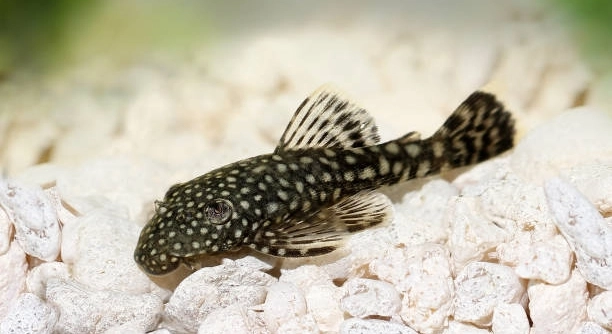
Many plecos, known for their hardiness, may experience fin damage despite proper care. Understanding the potential causes is essential for their health and well-being.
Fin damage in plecos can be caused by poor water quality, aggression from tank mates, improper tank conditions, physical injury, nutritional deficiencies, stress, or parasites. Identifying these factors is crucial to preventing further damage and promoting recovery.
Proper care and prevention can help minimize fin damage, ensuring your pleco stays healthy and thriving in its environment.
Poor Water Quality
Water quality plays a significant role in maintaining your pleco’s health. High levels of ammonia, nitrites, or nitrates can irritate their fins and cause damage over time. Regular water changes and proper filtration are crucial to keeping the water clean and safe. Additionally, water temperature and pH levels need to be stable. Stress from fluctuating conditions can weaken your pleco’s immune system, making them more susceptible to fin damage. Testing water regularly ensures you can correct any issues before they affect your fish. A clean, stable environment is vital for preventing unnecessary stress and health problems.
Proper filtration is key to maintaining water quality. Without it, waste can accumulate, leading to harmful toxins that affect plecos. A good filter helps remove debris, excess food, and harmful substances. Make sure the filter is appropriately sized for your tank to maintain optimal water conditions.
To maintain a healthy environment, use a high-quality water conditioner to remove harmful chemicals like chlorine. Always monitor water parameters and make adjustments as needed. Consistency in water quality reduces stress and improves overall fish health. A proper routine is essential to preventing issues like fin damage.
Aggressive Tank Mates
Aggressive tank mates can harm your pleco’s fins. Some species are territorial and may nip at or chase your pleco. This behavior leads to stress and physical injuries. Avoid keeping plecos with overly aggressive or larger fish that might view them as competition for food or space.
Research tank mates thoroughly before introducing them to ensure compatibility. Plecos are generally peaceful, so it’s important to choose tank mates that won’t stress or harm them. Large, aggressive fish may not only harm their fins but also cause long-term stress that weakens their immune system. Make sure your tank is appropriately sized for all inhabitants, with plenty of hiding spots and space.
If aggression becomes a problem, consider separating the fish or adjusting the tank environment. Tank dividers or rearranging decorations can help reduce territorial disputes. With careful attention to the dynamics of your aquarium, you can keep your pleco’s fins safe and healthy.
Improper Tank Conditions
Plecos need a specific environment to thrive. Tanks that are too small, have inadequate filtration, or lack proper hiding spots can lead to stress and fin damage. Ensure your tank provides ample space and the right conditions for your pleco’s needs.
Overcrowding is a common issue in many tanks, causing stress among fish. Plecos need room to swim and explore. A cramped environment increases the likelihood of aggression and fin damage. Additionally, poor water circulation can cause areas of stagnation, leading to reduced oxygen levels and unhealthy water conditions.
Proper tank setup includes appropriate water parameters and the right substrate. Plecos prefer tanks with smooth surfaces, as rough decorations can tear their delicate fins. Regular maintenance of your tank is vital. Clean the substrate, check water flow, and ensure the decorations are smooth to avoid injuries.
Physical Injury
Physical injuries are a common cause of fin damage. Plecos can easily scrape their fins against sharp objects or be harmed by poorly placed decorations. Ensure that all decorations and tank equipment are smooth, with no jagged edges that could harm your pleco.
Injuries can also occur during tank maintenance, such as moving decorations or cleaning. Be careful when working inside the tank to avoid accidentally hurting your pleco. Plecos are naturally curious and may explore tight spaces, increasing their chances of getting injured.
If your pleco suffers an injury, isolate it in a separate tank to avoid further harm from other fish. Monitor the injury and treat it with aquarium-safe medication if needed. Providing a calm and stable environment speeds up the recovery process, ensuring that the injury does not worsen.
Nutritional Deficiencies
Plecos require a well-rounded diet to stay healthy. A lack of essential nutrients can lead to weakened fins and poor overall health. Ensure your pleco’s diet includes high-quality pellets, vegetables, and occasional protein sources.
Deficiencies in vitamins, such as A and D, can contribute to fin damage. Adding variety to their diet, including algae wafers and fresh veggies, helps provide necessary nutrients. A lack of fiber can also impact digestion, making it harder for your pleco to absorb essential nutrients.
If you notice your pleco’s fins deteriorating, consider adding supplements or adjusting their diet to improve nutrition. Proper feeding habits are essential for maintaining their overall health and preventing issues like fin damage.
Stress
Stress can have a severe impact on your pleco’s health, leading to fin damage. Factors like poor water quality, aggressive tank mates, and lack of hiding spots all contribute to stress.
Reducing stress involves ensuring a stable tank environment with consistent water parameters and peaceful tank mates. Plecos need a calm space to thrive. Overcrowding can cause tension among fish, so make sure the tank is appropriately sized and well-maintained to avoid triggering stress.
Stressed plecos may show signs of fin damage or other health issues. Providing a quiet, stable environment is key to reducing stress and promoting the health of your pleco. Keeping a stress-free tank will help your pleco recover and maintain its fins.
FAQ
What are the most common causes of fin damage in plecos?
The main causes of fin damage in plecos include poor water quality, aggressive tank mates, improper tank conditions, physical injury, nutritional deficiencies, stress, and parasites. Each of these factors can weaken your pleco’s fins, leading to tears, fraying, or other forms of damage. Regular tank maintenance, proper feeding, and careful tank mate selection are essential for preventing these issues.
How can I improve the water quality for my pleco?
Maintaining clean water is crucial. Regular water changes, proper filtration, and testing water parameters are the first steps. Make sure to monitor ammonia, nitrites, and nitrates levels, as these can harm your pleco. Water changes should be done weekly or bi-weekly depending on tank size and filtration efficiency. Using a quality water conditioner can also help eliminate harmful chemicals like chlorine and chloramine.
How do I choose the right tank mates for my pleco?
Plecos generally do well with peaceful fish. Avoid aggressive species that might harass or nip at your pleco’s fins. It’s also essential to ensure that the other tank mates aren’t overly large, as they might intimidate or outcompete your pleco for food. Research tank mates carefully and choose species with similar water requirements and temperaments.
Can plecos recover from fin damage?
Yes, plecos can recover from fin damage if the cause is addressed. If the damage is minor, and the environment is stabilized, plecos can regenerate their fins. However, serious damage or prolonged exposure to harmful conditions can lead to permanent scarring or infection. Isolation from stressors and appropriate treatment will help speed up recovery.
How do I treat fin rot in plecos?
Fin rot is a bacterial infection that often results from poor water conditions or injury. To treat it, perform a large water change, ensure your tank is well-filtered, and consider using an aquarium-safe antibiotic or antifungal treatment. Isolating the pleco in a quarantine tank can help prevent other fish from getting infected. Keep the tank clean and monitor the pleco closely during treatment.
Is it necessary to have a filter for my pleco tank?
Yes, a filter is necessary for maintaining a healthy environment for your pleco. A good filter removes debris, excess food, and toxins from the water, which helps keep the water clean and safe for your fish. Ensure the filter is appropriately sized for your tank and is maintained regularly to keep it functioning properly.
What are the signs of stress in plecos?
Signs of stress in plecos include hiding more than usual, loss of appetite, faded color, rapid swimming, or excessive hiding. Stress can lead to weakened immune systems, making them more vulnerable to disease and fin damage. Reducing stress by maintaining a stable environment, improving water quality, and avoiding aggressive tank mates can help.
How can I ensure my pleco gets the right nutrition?
Offer a variety of foods to ensure your pleco receives a balanced diet. Include high-quality pellets designed for bottom feeders, fresh vegetables like zucchini and spinach, and occasional protein sources like bloodworms. Avoid overfeeding and remove uneaten food to prevent water contamination. A varied diet helps keep your pleco healthy and supports fin regeneration.
Can I use aquarium salt for plecos?
Aquarium salt can be used in moderation to treat some fish diseases, but it should be used with caution. Plecos are generally sensitive to salt, and overuse can harm them. It’s best to consult with a vet or aquarium specialist before adding salt to your tank to ensure it’s safe for your pleco and other tank mates.
What is the best tank size for a pleco?
The ideal tank size depends on the species of pleco. Most plecos require at least a 75-gallon tank, as they can grow quite large. A larger tank provides more space for swimming, which helps reduce stress and promotes overall health. It also makes it easier to maintain stable water quality.
How often should I feed my pleco?
Feed your pleco once a day with a variety of foods. Plecos are bottom feeders and will often scavenge throughout the day, so it’s important not to overfeed. Remove any uneaten food to prevent water contamination. Adjust feeding frequency based on the type of food offered and your pleco’s appetite.
Can fin damage be a sign of a parasite infection?
Yes, parasites can cause damage to plecos’ fins. External parasites like flukes or ich can cause irritation, leading to damaged fins or abnormal swimming behavior. If you suspect a parasite infection, treat the tank with an appropriate antiparasitic treatment and isolate any infected fish to prevent the spread to others.
What are the best hiding spots for plecos?
Plecos are shy fish and need places to hide for security. Use smooth, non-abrasive decorations like caves, driftwood, and plants to create hiding spaces. Ensure the hiding spots are large enough for the pleco to comfortably fit. Plecos will often seek refuge in these areas, especially if they feel threatened or stressed.
How can I prevent fin damage in plecos?
To prevent fin damage, maintain high water quality, avoid aggressive tank mates, and ensure the tank is large enough to accommodate your pleco. Use smooth decorations and regular water changes to create a stable environment. Proper nutrition and reducing stress through a calm atmosphere also help keep your pleco’s fins in good condition.
How do I know if my pleco is healthy?
Healthy plecos have vibrant colors, active behavior, and well-formed fins. They swim with ease, and their appetite is consistent. If your pleco is hiding frequently, has torn or frayed fins, or shows signs of lethargy, these may be signs of illness or stress. Regularly monitor your pleco’s behavior and appearance to ensure its well-being.
Can plecos live with other species?
Yes, plecos can live with other species as long as the tank mates are peaceful and share similar water requirements. Avoid keeping plecos with aggressive or territorial fish, as this can cause stress and lead to fin damage. It’s also important to ensure there is enough space and hiding spots for all tank inhabitants.
Should I isolate a pleco with fin damage?
Isolating a pleco with fin damage can help reduce stress and prevent further injury from tank mates. A quarantine tank allows you to treat the pleco without the risk of cross-contamination from other fish. Ensure the quarantine tank has proper filtration, water conditions, and minimal distractions to help the pleco recover.
What should I do if my pleco’s fins are frayed?
Frayed fins are usually caused by physical injury, poor water quality, or aggression. First, check the water quality and ensure there are no sharp objects in the tank. Remove any aggressive tank mates and consider using a water conditioner or antibiotic if the fins appear infected. Proper nutrition and stress management are essential for recovery.
Final Thoughts
Plecos are hardy fish, but they still require proper care to thrive. Ensuring a stable environment, including clean water, appropriate tank mates, and a balanced diet, is essential for preventing fin damage. Regular maintenance, such as water changes and monitoring water parameters, helps keep your pleco healthy and stress-free. Being proactive about tank conditions and keeping a close eye on your fish can prevent many common issues that affect plecos, including fin damage.
If you notice signs of fin damage, it’s important to address the underlying causes quickly. Poor water quality, lack of nutrients, and stress from aggressive tank mates can all contribute to fin damage. By improving the environment and adjusting feeding habits, most plecos can recover from minor fin injuries. Regularly checking water quality and maintaining a peaceful tank environment will help your pleco heal and prevent further harm.
Overall, keeping a pleco healthy requires a combination of the right tank setup, proper care, and attention to their specific needs. By following the guidelines mentioned, you can help your pleco maintain its fins and overall health. With proper maintenance and monitoring, your pleco will have the best chance for a long and healthy life. Keeping a close eye on the tank conditions and adjusting when necessary ensures that your pleco remains in good health, reducing the risk of fin damage or other health problems.

Hello,
If you enjoy the content that we create, please consider saying a "Thank You!" by leaving a tip.
Every little bit helps us continue crafting quality advice that supports the health, happiness, and well-being of pets around the world, for pets of all shapes, sizes, and species.
We really appreciate the kindness and support that you show us!