
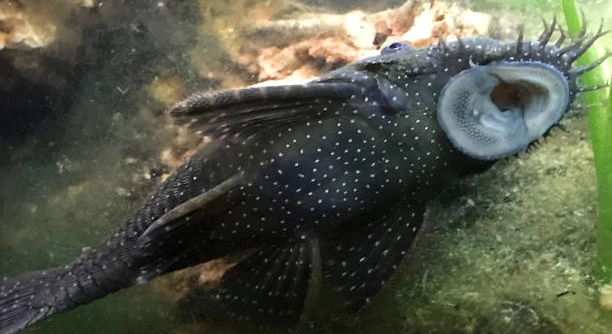
Choosing the right tank size for a Plecostomus is an important decision. Their size, behavior, and care needs require thoughtful planning to provide a suitable environment for growth and comfort. It is essential to make the right choice.
The recommended tank size for a Plecostomus is 75 gallons or larger, depending on the species. A larger tank helps accommodate their size and provides space for swimming, hiding, and proper filtration, which is crucial for their well-being.
Ensuring your Plecostomus has enough space will lead to a healthier, more active fish. Proper tank size is key to a thriving aquatic environment for them.
Why Tank Size Matters for Your Plecostomus
The tank size directly affects the health and well-being of your Plecostomus. If kept in a tank that is too small, they may experience stress, stunted growth, or health problems. Plecos are known to grow quite large, with some species reaching up to 24 inches. They require a spacious environment to swim freely, explore, and find adequate hiding spots. The larger the tank, the better the filtration system and water quality, which play a significant role in their overall health.
A larger tank also reduces the chances of territorial disputes. Plecos can be quite solitary and territorial, especially when they are confined in small spaces. By providing more room, you reduce the risk of aggressive behavior toward other fish or plants in the tank.
While a 75-gallon tank is the standard recommendation, some species may require more space as they grow. Understanding the specific needs of the Plecostomus you own is essential to ensuring a healthy and long life.
The Importance of Proper Filtration
A properly sized tank allows for better filtration, which is vital for maintaining a healthy environment.
Without adequate filtration, water quality can quickly deteriorate, leading to the accumulation of harmful substances. This can cause stress for your Plecostomus and other tank inhabitants. A high-quality filtration system helps remove debris, waste, and toxins, ensuring the tank stays clean. It also supports the balance of beneficial bacteria that break down waste. With a larger tank, filtration can operate more effectively, reducing the need for frequent water changes and maintaining a stable ecosystem.
Providing Hiding Spots and Exploration Areas
Plecostomus are nocturnal and often seek hiding places during the day.
To keep them happy and healthy, adding caves or driftwood to the tank can provide necessary hiding spots. These additions mimic their natural environment, offering them a sense of security. In addition, incorporating plants or rocks encourages natural behaviors like foraging and exploration. This not only makes the tank visually appealing but also enriches your Plecostomus’ habitat. It’s important to remember that a tank with sufficient hiding spots will allow your Plecostomus to feel secure and avoid stress from constant exposure.
Tank Setup for a Healthy Plecostomus
Setting up the tank correctly is essential for a Plecostomus’ health. In addition to size, the right substrate is important. Smooth gravel or sand will allow them to move freely without injuring their delicate underside. Avoid sharp objects that can cause damage.
You should also consider the water temperature and pH level. Plecos prefer water temperatures between 72 and 78°F. The pH should be slightly acidic to neutral, between 6.5 and 7.5. Installing a thermometer and pH monitor can help you maintain these conditions. Regular water changes are also crucial for keeping the water clean and free of toxins.
Adding plants or driftwood will also help to mimic their natural habitat. These additions provide surfaces for algae growth and offer your Plecostomus places to explore. Just be sure that any plants used are safe for fish. Driftwood also helps soften the water, making the environment more comfortable for your fish.
Proper Tank Maintenance
Regular maintenance ensures a healthy environment for your Plecostomus.
Changing 20-30% of the water weekly will keep it clean and help maintain water chemistry. Over time, fish waste, uneaten food, and other debris can build up. A siphon is the best tool to remove waste from the substrate. Make sure the filter is cleaned regularly as well. The filter is the key to preventing toxins from building up, so it’s important to check it often.
Check the temperature and pH levels regularly to ensure they remain within safe ranges. In addition, keep an eye out for any changes in your Plecostomus’ behavior, as this can be a sign of environmental stress. Regular monitoring can prevent potential problems.
Tank Mates for Your Plecostomus
Plecostomus are generally peaceful but can be territorial, especially in smaller tanks. Choose tank mates that are peaceful and not overly aggressive. Avoid small fish that might be intimidated or become targets.
Larger, peaceful fish like tetras, cichlids, or gouramis can coexist well with a Plecostomus. However, it’s important to monitor the tank to ensure all fish are comfortable and there are no signs of aggression.
Feeding Your Plecostomus
Feeding a Plecostomus requires a balanced diet. They are omnivores and enjoy a mix of algae, vegetables, and occasional protein. Algae wafers, blanched zucchini, or cucumber slices make great options.
You can also offer high-quality pellets or frozen food. Keep in mind that overfeeding can lead to poor water quality, so only feed what they can consume in a few hours.
Lighting Considerations
Plecostomus do best in low to moderate lighting. They are nocturnal, so they prefer a dimly lit tank. Bright lighting can cause stress and affect their natural behavior.
It’s helpful to provide natural light during the day but avoid direct sunlight, which can lead to algae overgrowth. A dim aquarium light will allow your Plecostomus to feel more secure and exhibit normal behaviors.
FAQ
What size tank does a Plecostomus need?
A Plecostomus needs a tank of at least 75 gallons. They grow large, with some species reaching up to 24 inches. A larger tank provides them with enough space to swim and explore. Smaller tanks lead to stress and health issues. A bigger tank also helps maintain better water quality and proper filtration. It’s important to give them the room they need to live comfortably. The size of the tank also minimizes territorial disputes and ensures your Plecostomus has adequate hiding spots.
Can a Plecostomus live in a 20-gallon tank?
A 20-gallon tank is too small for a full-grown Plecostomus. Although juvenile Plecos can temporarily live in a smaller tank, they will outgrow it quickly. Keeping a Plecostomus in a tank smaller than the recommended 75 gallons can lead to stress, poor water quality, and stunted growth. It’s better to start with a larger tank to avoid needing to upgrade as they grow.
How long do Plecostomus live?
The average lifespan of a Plecostomus is around 10 to 15 years, though some can live even longer with proper care. Providing a spacious tank, stable water conditions, and a balanced diet all contribute to a long, healthy life for your Plecostomus. Maintaining good water quality, minimizing stress, and offering appropriate tank mates are essential for extending their lifespan.
Do Plecostomus need a filter?
Yes, Plecostomus need a filter to maintain water quality. Plecos are known for their messy eating habits, and a filter helps remove excess waste, uneaten food, and debris. Good filtration is essential for keeping the water clean and preventing harmful toxins from building up. Without a filter, the water can quickly become polluted, leading to stress and health problems for your fish.
Can Plecostomus live with other fish?
Plecostomus are peaceful but can be territorial, especially in smaller tanks. They can live with most other peaceful species, such as tetras, cichlids, and gouramis. Avoid housing them with smaller or aggressive fish. Plecos may become territorial, especially when they don’t have enough space. It’s best to monitor tank mates and ensure there’s enough room for everyone to coexist peacefully.
How often should I feed my Plecostomus?
Plecostomus should be fed once or twice a day. They are omnivores, so a varied diet is important. Provide algae wafers, vegetables like zucchini or cucumber, and occasionally some protein-based food like shrimp or bloodworms. Only feed them what they can consume within a few hours to avoid water contamination. Overfeeding can lead to poor water quality, which can harm your Plecostomus.
What is the best food for a Plecostomus?
The best food for a Plecostomus includes algae wafers, vegetables like zucchini, cucumber, and spinach, and occasional protein sources like frozen bloodworms, shrimp, or snails. They also graze on natural algae in the tank, but supplemental feeding is necessary. A balanced diet ensures they receive all the essential nutrients for proper growth and health. Offering a mix of plant-based and protein-rich foods mimics their natural diet and promotes a strong immune system.
Do Plecostomus need hiding spots?
Yes, Plecostomus need hiding spots. They are nocturnal fish that prefer to stay hidden during the day. Adding caves, driftwood, or rocks provides them with places to retreat to and feel safe. These hiding spots are especially important in larger tanks where they may feel overwhelmed by the other fish. Plecos are shy, and providing them with a secure environment will reduce stress and promote natural behavior.
What temperature should a Plecostomus tank be?
Plecostomus prefer a water temperature between 72°F and 78°F. Temperatures outside this range can cause stress and health issues. It’s essential to monitor the water temperature with an aquarium thermometer to ensure it stays within the ideal range. Sudden temperature fluctuations should be avoided, as they can weaken the fish’s immune system and increase the risk of disease.
Do Plecostomus require strong water flow?
Plecostomus do not require a strong water flow, but they do need adequate filtration. A strong water current can cause stress, especially for species that prefer calmer waters. Use a filter that provides gentle water circulation without creating a strong current. This ensures the water remains clean while keeping your Plecostomus comfortable.
Can Plecostomus live in cold water?
No, Plecostomus cannot live in cold water. They are tropical fish and require warm water to thrive. Water temperatures below 70°F can cause them to become sluggish and stressed. Cold temperatures can also weaken their immune system, making them more vulnerable to diseases. Always ensure the water temperature stays within the recommended range of 72°F to 78°F.
Do Plecostomus need a heater?
Yes, a heater is necessary to maintain the appropriate water temperature for a Plecostomus. As tropical fish, they require warm water to remain healthy. A heater helps regulate the temperature and prevents fluctuations that could stress your fish. Make sure to use a reliable heater and monitor the water temperature regularly.
Why is my Plecostomus staying at the surface of the tank?
If your Plecostomus is staying at the surface, it could be a sign of stress, poor water quality, or oxygen deficiency. Check the water parameters, such as pH, ammonia, and nitrate levels, to ensure they are within the safe range. Low oxygen levels can be improved by increasing water surface agitation or adding an air pump. Regular water changes can also help maintain good water quality, reducing the likelihood of surface behavior.
How do I know if my Plecostomus is healthy?
A healthy Plecostomus will be active, have a clear and smooth body, and show normal behavior. Look for signs of stress, such as rapid breathing, lethargy, or excessive hiding. Healthy Plecos also have a firm, robust appearance. If you notice unusual behavior or physical changes, check the water quality and temperature immediately.
Final Thoughts
Taking care of a Plecostomus requires understanding their specific needs, especially when it comes to tank size and water quality. These fish can grow quite large, so it’s essential to provide them with a spacious tank. A 75-gallon tank is the minimum recommended size for full-grown Plecos. A larger tank not only gives them the space they need to thrive but also helps maintain better water conditions, which is vital for their overall health. By choosing the right tank size, you’re setting up a better environment for your Plecostomus and any tank mates.
Plecostomus are relatively low-maintenance when it comes to feeding. They are omnivores and can be fed a variety of foods, including algae wafers, vegetables, and occasional protein. However, it’s important to avoid overfeeding, as excess food can lead to poor water quality and health issues. A balanced diet, combined with regular water changes, is key to keeping your Plecostomus healthy. Make sure to clean the tank regularly to prevent waste buildup and provide a proper filtration system to keep the water clean.
Lastly, when choosing tank mates for your Plecostomus, consider their peaceful nature but also their tendency to be territorial. They can coexist with other peaceful fish, but overcrowding or aggressive tank mates can lead to stress. Ensure there are enough hiding spots in the tank to provide security for your Plecos. Overall, with the right care, proper feeding, and suitable tank conditions, your Plecostomus can live a long, healthy life. By paying attention to these factors, you can enjoy having this interesting and peaceful fish in your aquarium for years to come.

Hello,
If you enjoy the content that we create, please consider saying a "Thank You!" by leaving a tip.
Every little bit helps us continue crafting quality advice that supports the health, happiness, and well-being of pets around the world, for pets of all shapes, sizes, and species.
We really appreciate the kindness and support that you show us!