
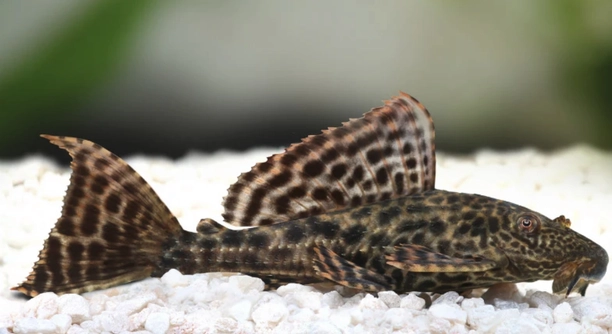
Is your plecostomus spending most of its time idle or hiding instead of exploring its tank and staying active each day?
Plecostomus can show signs of boredom through lethargy, glass surfing, loss of appetite, and repetitive behaviors. These behaviors often arise in tanks lacking stimulation, environmental variety, or proper care, and can be improved through targeted enrichment.
Recognizing these signs early can support your pleco’s well-being and help create a more engaging aquatic space.
Sign 1: Glass Surfing and Repetitive Swimming
Glass surfing is a common sign your plecostomus might be bored. This behavior looks like frantic swimming along the tank walls. It’s not always about stress—it often means they’re trying to find stimulation or explore beyond their environment. While it might seem harmless, consistent glass surfing is mentally draining and can lead to physical exhaustion. A tank with little variation or limited hiding spots gives plecos few ways to stay engaged. Adding driftwood, caves, or varying the layout can help. These changes not only create hiding areas but also offer natural obstacles to interact with and explore.
Providing enrichment doesn’t require expensive additions. Rotate decorations every few weeks to create new interest.
Bored plecos often swim the same patterns out of habit. These repeated movements are usually signs that their environment needs improvement or added complexity.
Sign 2: Excessive Hiding
If your pleco hides all the time, it could be a sign of boredom or lack of stimulation.
Plecostomus are naturally shy, especially during the day. However, constant hiding can mean their tank environment isn’t meeting their behavioral needs. Without enough mental or physical engagement, they may retreat instead of exploring. A heavily planted tank with mixed lighting and structure encourages natural activity while still offering comfort. You can also try offering food in different spots to encourage movement. Rearranging tank decor occasionally gives them new paths to discover. When they have variety, plecos tend to balance hiding and swimming. Watching how your pleco reacts to these changes can tell you a lot about what they need. Each adjustment, even small ones, helps keep their space mentally stimulating and physically active.
Sign 3: Loss of Appetite
A bored plecostomus may lose interest in food. If your pleco is skipping meals or showing less enthusiasm during feeding times, boredom might be the cause rather than illness.
When plecos lack stimulation, they become less responsive to food, especially if they’re offered the same thing repeatedly. While dietary issues or water quality should be checked, repetitive feeding routines and a dull environment can lead to disinterest. Try offering a mix of algae wafers, blanched vegetables, and occasional protein sources like shrimp pellets. Feeding them in new spots around the tank also encourages foraging. Keeping the tank enriched helps keep feeding time more engaging, prompting more natural behaviors. Monitor any changes, as even small shifts in behavior around feeding can indicate whether your adjustments are working.
Loss of appetite may not always be a medical issue. When paired with other signs of boredom, it’s often environmental. Change the feeding schedule, type of food, or feeding location to add variety. Make sure your pleco has a calm space to eat, especially if kept with other fish that compete for food. This helps reduce stress and makes the tank feel more secure. Providing different food textures or flavors can bring back their feeding interest while supporting their overall health.
Sign 4: Clamped Fins and Lack of Movement
Plecos showing clamped fins and staying still for long periods may be under-stimulated. Boredom can make them seem sluggish or uninterested in their surroundings. These signs can sometimes be confused with illness, so observing context is important.
If your water parameters are stable and no visible health issues are present, clamped fins can point to environmental stress or lack of stimulation. Make sure there’s enough current in the tank, as plecos enjoy mild water flow to swim through. Add driftwood, smooth stones, and tunnel-like spaces to offer interactive features. Varying the lighting slightly or adjusting day-night schedules can also help spark movement. Some plecos also react positively to live plants and floating objects. Introduce tank-mates cautiously if compatible, as activity from others may encourage more exploration. Always monitor for any aggressive behavior or signs of stress during these changes. Environmental variety can improve both mood and activity levels in bored plecos.
Sign 5: Disinterest in Cleaning Surfaces
Plecos are known for grazing on algae and keeping surfaces clean. If your pleco stops cleaning glass, rocks, or decorations, it may be showing signs of boredom or low stimulation in its environment.
Lack of surface grazing could also mean your pleco doesn’t find enough natural growth to explore. Introducing new textures like driftwood or rough stones encourages natural scraping behaviors.
Sign 6: Aggressive or Odd Behavior
Unusual aggression or odd interactions with tank mates can be a sign of boredom. While plecos are usually peaceful, a lack of stimulation may cause them to chase others, guard objects, or behave unpredictably. Keep an eye out for sudden changes and consider rearranging the tank or increasing environmental variety.
Sign 7: Staying Active Only at Feeding Time
If your pleco is only active during feeding, boredom might be the reason. This pattern often signals that the rest of the tank setup lacks interest or challenge outside of food time.
FAQ
What causes plecostomus to get bored?
Plecostomus can get bored due to a lack of stimulation in their environment. If their tank has minimal hiding spots, no new objects to interact with, or a repetitive setup, they may lose interest. Boredom can also stem from a lack of variety in their diet or inadequate space to explore. A stagnant environment without changes may leave them disengaged. Providing a dynamic tank with varied decorations, plants, and different types of food will keep them more active and engaged.
How can I make my pleco more active?
To make your pleco more active, add natural elements to their tank, such as driftwood, caves, and plants. These provide hiding spots and surfaces to explore. You can also introduce gentle water flow to encourage swimming and movement. Changing the layout of the tank every few weeks keeps it fresh and interesting. Additionally, offer a variety of foods like algae wafers, vegetables, and occasional protein sources. These changes create a more stimulating environment for your pleco and help encourage natural behavior.
How often should I change my pleco’s tank setup to prevent boredom?
It’s recommended to rearrange or add new elements to your pleco’s tank every 4-6 weeks. Regular changes keep the environment stimulating and prevent it from becoming too familiar. When adjusting the tank setup, consider adding different textures, plants, or even changing the lighting slightly. This variety encourages exploration and can keep your pleco mentally engaged.
Can I keep plecostomus with other fish to prevent boredom?
Yes, you can keep plecostomus with other fish, but it’s important to choose compatible species. While plecos are generally peaceful, they may become more active when tankmates are present. Avoid aggressive or overly territorial fish, as they can stress your pleco out, leading to further boredom or lethargy. Peaceful fish like tetras or gouramis tend to work well with plecos. Be sure there’s enough space for each fish to establish its own territory.
Is it normal for a pleco to hide all day?
While plecos are naturally nocturnal and may prefer to hide during the day, excessive hiding can signal boredom or stress. If your pleco hides constantly and doesn’t show interest in exploring the tank, it could be a sign that its environment lacks stimulation. Adding plants, hiding spots, or rearranging tank decor might help. Some plecos also respond well to varying the light cycle in the tank, encouraging them to explore more during the day.
Can plecos suffer from stress due to boredom?
Yes, plecos can become stressed if they’re bored. Stress from a lack of stimulation can lead to behavioral changes, such as hiding, loss of appetite, or even aggression toward tankmates. Inadequate tank conditions, such as poor water quality or insufficient space, can also exacerbate the problem. Stress affects their overall health, so it’s crucial to keep their environment enriching. Regularly monitor water parameters, provide hiding spots, and vary their diet to help reduce stress and encourage healthy behaviors.
How do I know if my pleco is stressed or just bored?
While both stress and boredom can result in similar behaviors, such as hiding or lethargy, stress is often accompanied by physical signs like clamped fins, rapid gill movement, or a change in skin color. If the water quality is poor or tank conditions have changed, it’s more likely stress. Boredom, on the other hand, is usually linked to a lack of stimulation in the environment, which can be addressed by adding variety to the tank. Observing their behavior in relation to tank conditions can help you determine the cause.
Can a pleco’s tank size impact boredom levels?
Yes, the size of the tank can influence boredom levels in plecostomus. While plecos don’t require a huge tank, a cramped environment can limit their ability to explore and become active. A larger tank with more space for swimming and hiding will encourage natural behaviors. It also allows you to add more decorations and plants, which can create an enriching environment. Plecos need enough room to move and interact with their surroundings to stay healthy and mentally stimulated.
How does the water quality affect pleco behavior?
Poor water quality can cause stress, which may lead to behaviors that resemble boredom, such as hiding or lack of appetite. Plecos are sensitive to changes in water conditions, so keeping water parameters stable is essential for their well-being. Regular water changes and proper filtration are important for maintaining a clean environment. If you notice unusual behavior in your pleco, always check the water quality to ensure it’s not contributing to their boredom or stress.
Can adding live plants help prevent pleco boredom?
Yes, adding live plants to your pleco’s tank can help prevent boredom. Plecos love to graze on plant matter and explore plants for hiding spots. Plants also add complexity to the tank, providing new textures and surfaces for your pleco to interact with. A well-planted tank can make your pleco feel more at ease, and it also offers a more natural environment. Some plant species, such as Anubias and Java Fern, are particularly suitable for plecos since they don’t get easily damaged by their grazing.
Final Thoughts
Boredom in plecostomus is a common issue that can impact their overall health and well-being. When plecos are not provided with enough stimulation, they may show signs like loss of appetite, lethargy, or aggression. It’s important to observe their behavior closely and identify any changes that might indicate boredom. Regular adjustments to their tank environment, such as adding new decorations, changing the layout, and offering a variety of foods, can make a significant difference in keeping your pleco happy and engaged. Even small changes, like introducing new plants or offering different types of food, can spark their curiosity and reduce boredom.
It’s also essential to understand that plecos are naturally inclined to explore and interact with their environment. Providing plenty of hiding spots, rough surfaces for grazing, and space for swimming can encourage these natural behaviors. A well-maintained tank that mimics their natural habitat helps in keeping them active and healthy. When plecos are constantly stimulated with new elements in their environment, they are more likely to stay active and maintain a healthy appetite. Keeping the tank clean and ensuring that the water quality is optimal are key factors in promoting their overall health.
Incorporating a variety of activities, such as introducing compatible tank mates and changing feeding routines, can also contribute to preventing boredom. With the right care, plecos can live long, healthy lives. Regularly monitoring their behavior and adjusting the tank setup as needed is crucial for their well-being. By staying attentive to your pleco’s needs and offering an enriching environment, you can ensure that they remain happy and active, preventing boredom from taking a toll on their health.

Hello,
If you enjoy the content that we create, please consider saying a "Thank You!" by leaving a tip.
Every little bit helps us continue crafting quality advice that supports the health, happiness, and well-being of pets around the world, for pets of all shapes, sizes, and species.
We really appreciate the kindness and support that you show us!