
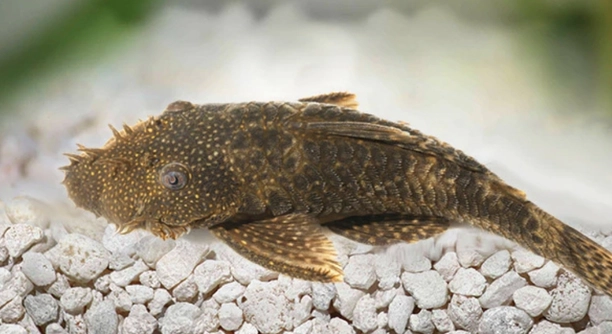
Plecos are fascinating aquarium fish that can sometimes seem a bit too laid-back. If you’ve noticed that your pleco isn’t as active as you’d like, you’re not alone. It’s a common concern among fish enthusiasts.
The simplest way to encourage plecos to become more active is by ensuring they have a clean, well-maintained tank, with plenty of hiding spots and varied surfaces to explore. Proper diet, temperature, and water quality also play crucial roles.
Understanding these factors can help you create a more stimulating environment for your pleco. By following a few simple steps, you can make sure your fish stays healthy and engaged in its habitat.
Keep Your Pleco’s Tank Clean
A clean tank is essential for your pleco’s health and activity. When the water quality is poor, fish may become sluggish, and even a minor buildup of waste can affect their behavior. Regular water changes help maintain a healthy environment, reducing the chances of harmful toxins affecting your fish. Plecos are bottom dwellers and naturally look for food and shelter on the tank’s surface. If the tank is dirty, they may avoid exploring as much. Make sure to clean the decorations and plants too, as they can trap debris.
Keeping the tank clean doesn’t just help with water quality; it also promotes natural behaviors. Plecos are nocturnal and enjoy swimming around at night. If the tank is too dirty, they may become stressed, which can lead to reduced activity. A good cleaning routine, along with proper filtration, ensures that your pleco has a comfortable space to explore and thrive.
Provide Hiding Spots
Plecos like to have places to hide, especially during the day. Offering caves or plants for shelter helps reduce stress and gives your fish a sense of security.
Plecos feel more comfortable when they have a place to rest and retreat when needed. This reduces their anxiety, which might otherwise make them more sedentary. By mimicking natural habitats, you encourage them to move around more. When plecos are active, they explore their environment and swim to different hiding spots, adding movement to the tank.
Maintain the Right Temperature
Plecos thrive in warm water, typically between 74°F and 80°F (23°C to 27°C). If the water is too cold, they’ll become sluggish and may avoid eating or exploring. A consistent water temperature keeps them active and healthy.
Investing in a good heater ensures that the water stays within the ideal range. You can also use a thermometer to monitor the temperature regularly. When the water is warm enough, your pleco will feel more comfortable and energized, leading to more activity. Avoid sudden temperature fluctuations, as this can stress the fish and make them inactive.
Consistent warmth also helps in digestion. Plecos are herbivores, and a warm environment aids in the breakdown of their food. When digestion is functioning well, they’re more likely to be active, searching for food and moving around. Keeping the water at a steady temperature will lead to a more content, energetic pleco.
Offer a Balanced Diet
A varied and balanced diet is essential to keep your pleco healthy and active. Offering a mix of algae wafers, vegetables, and occasional protein ensures they receive all the nutrients they need.
Plecos are natural scavengers and love to graze on different types of food. If they are fed the same food every day, they may lose interest and become inactive. Providing fresh vegetables, such as zucchini, cucumber, and spinach, helps promote natural feeding behaviors. It also encourages them to explore their environment, seeking out their meals.
If you want your pleco to stay engaged, consider introducing new foods regularly. This variety not only supports their health but also keeps them from getting bored in their tank. Plecos enjoy having different textures and flavors, which will help keep them moving and active.
Add Tank Decorations
Decorating your tank with rocks, driftwood, and plants provides your pleco with places to explore. These items mimic natural habitats, which encourages movement. Be sure to use decorations that don’t have sharp edges to avoid injury.
Tank decorations also give your pleco areas to graze. This not only stimulates them but also creates a more engaging environment. The more they have to explore, the more active they’ll become. Make sure the decorations are spread throughout the tank to provide variety and stimulate curiosity.
Limit Stressful Conditions
Stress can lead to inactivity in plecos. Poor water conditions, aggressive tankmates, or sudden changes in the environment can make them retreat. Identifying and resolving sources of stress will help keep them active.
Plecos are more likely to swim around and be engaged if they feel safe. Make sure the water quality is good, and avoid keeping overly aggressive fish with them. Keeping the environment stable and calm will help your pleco stay comfortable and active.
FAQ
How can I tell if my pleco is stressed?
Signs of stress in plecos include hiding more than usual, reduced eating, rapid breathing, or a lack of movement. Stress can also cause your pleco’s color to dull. Poor water quality, aggressive tankmates, or a sudden change in the environment can all lead to stress. Monitor their behavior and surroundings closely. If your pleco is acting differently, check the water temperature, quality, and tank conditions.
What’s the best way to feed my pleco?
To keep your pleco active and healthy, offer a variety of foods. Plecos are herbivores, so feed them vegetables like zucchini, cucumber, and spinach. You can also give algae wafers and occasional protein, like bloodworms, to provide a balanced diet. Make sure to remove uneaten food to maintain water quality.
How often should I clean my pleco’s tank?
You should clean your pleco’s tank at least once a week. This includes doing a partial water change of around 25-30% and cleaning the substrate. Clean the decorations and filter as well. Regular tank maintenance helps keep the water clean and ensures that your pleco has a healthy environment to thrive in.
Can plecos live with other fish?
Yes, plecos can live with other fish, but it’s important to choose peaceful tankmates. Avoid aggressive species or fish that may compete for food. Plecos do well in community tanks with other calm fish, but they can sometimes become territorial, especially when young. Make sure to monitor the tank dynamics.
How much space does a pleco need?
Plecos can grow quite large, especially species like the common pleco. It’s important to provide at least 50 gallons of tank space for one pleco. As they grow, they need more space to move around and explore. Make sure to have plenty of hiding spots and open areas for swimming.
How can I keep my pleco active at night?
Plecos are nocturnal, meaning they are naturally more active during the night. Ensure your tank has enough hiding spots and surfaces to explore. The best way to encourage nighttime activity is by turning off the tank lights and letting the pleco feel secure in its environment. You can also feed them in the evening to stimulate activity.
Is it okay to feed plecos only algae wafers?
While algae wafers are an important part of a pleco’s diet, feeding only them isn’t ideal. A balanced diet with fresh vegetables, such as zucchini and cucumber, will provide more variety and nutrients. Plecos also enjoy the occasional protein, like brine shrimp or bloodworms, for a well-rounded meal.
Can I use a filter in the tank with my pleco?
Yes, plecos actually benefit from a good filter system. Plecos produce waste, and a strong filter will help keep the water clean. However, make sure the filter’s current isn’t too strong, as plecos prefer calm water. You can adjust the flow to avoid stressing your pleco out.
Why is my pleco hiding all the time?
Plecos are naturally nocturnal and may hide during the day, especially if they feel insecure. However, constant hiding could also be a sign of stress or poor water quality. Check the tank’s temperature, cleanliness, and check if other tankmates are being too aggressive. If everything seems fine, adding more hiding spots can help.
How long do plecos live?
Plecos can live anywhere from 10 to 15 years, depending on the species and the care they receive. Providing a stable environment with the right water conditions, a balanced diet, and regular tank maintenance will ensure your pleco lives a long, healthy life.
Can plecos eat driftwood?
Yes, plecos enjoy grazing on driftwood. It provides both food and a surface for plecos to scrape algae from. Driftwood also helps with digestion as it contains natural fibers. Make sure the driftwood is safe for aquarium use and not treated with harmful chemicals.
Do plecos need a lot of oxygen?
Plecos, like most fish, need oxygen-rich water to thrive. A well-maintained filter and water movement will help ensure proper oxygen levels. If your pleco seems sluggish or is constantly at the surface gasping for air, it could be a sign of low oxygen levels or poor water quality.
How can I make sure my pleco stays healthy?
To keep your pleco healthy, provide a clean, stable environment. Regularly check water quality, maintain the right temperature, and make sure the tank has enough space. Feed your pleco a varied, balanced diet and ensure they have plenty of places to hide and explore. Regular water changes and tank maintenance will help prevent health problems.
Do plecos need a specific kind of tank substrate?
Plecos prefer a soft substrate, like fine gravel or sand, to avoid damaging their delicate barbels. Hard, sharp substrates can cause injury. The substrate should also allow for proper water circulation and cleaning. Avoid using large rocks or rough materials that might cause harm.
What do I do if my pleco isn’t eating?
If your pleco isn’t eating, check the water quality, temperature, and tankmates. Stress or poor water conditions can lead to a loss of appetite. Also, ensure you’re offering a variety of foods to stimulate your pleco’s interest. If the problem persists, consult an aquarium professional to rule out health issues.
How do I know if my pleco is happy?
A happy pleco will exhibit natural behaviors, such as swimming, grazing on surfaces, and exploring the tank. It will also be active, especially at night, and will interact with the environment. If your pleco is eating well, moving around, and showing normal behavior, it’s likely content with its conditions.
Final Thoughts
Ensuring that your pleco remains active involves a few simple yet important steps. By maintaining a clean tank, providing proper hiding spots, and offering a balanced diet, you can create an environment that encourages natural behavior and activity. Plecos thrive in stable conditions, so keeping the water temperature steady, as well as checking water quality regularly, will help keep your fish comfortable. When your pleco feels secure and well-fed, it is more likely to stay active, swim around, and interact with its surroundings. This not only keeps your pleco healthy but also helps you enjoy watching your fish engage with its environment.
It’s essential to remember that plecos are nocturnal creatures, so they may not be very active during the day. If you want to see them in action, it’s a good idea to adjust your lighting and observe them at night. Plecos also tend to be more active when they have space to swim, areas to explore, and food to search for. This can be encouraged by adding some decorations like driftwood, plants, or rocks. A larger tank with multiple hiding places provides your pleco with opportunities to move around and stay engaged.
Finally, every pleco is different, so it may take time to figure out exactly what works best for your fish. Keeping an eye on their behavior and adjusting tank conditions accordingly will help you provide the best care. With the right setup, your pleco will likely remain active and healthy for years. Regular tank maintenance, feeding variety, and ensuring a stress-free environment will all contribute to your pleco’s well-being. With patience and attention, you can create an environment that not only benefits your pleco’s activity but also enhances your overall aquarium experience.

Hello,
If you enjoy the content that we create, please consider saying a "Thank You!" by leaving a tip.
Every little bit helps us continue crafting quality advice that supports the health, happiness, and well-being of pets around the world, for pets of all shapes, sizes, and species.
We really appreciate the kindness and support that you show us!