
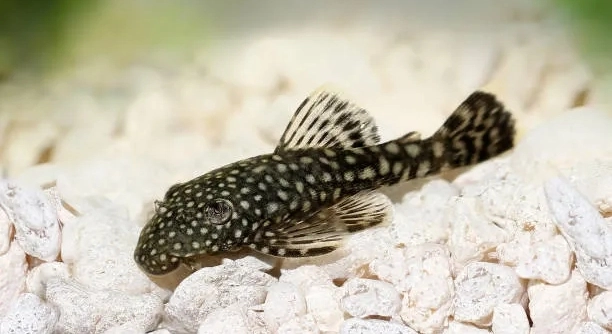
Do you ever wonder what happens to your Plecostomus when the lights go out? Many aquarium owners have noticed their fish acting differently at night. This article will help uncover the truth behind their nighttime habits.
Plecostomus do, in fact, sleep. They rest during the night or in darker, quieter areas of the tank, often hiding in crevices or under decorations. Unlike some fish, they don’t sleep in the traditional sense, but they do enter a restful state.
Understanding how Plecostomus rest is essential for aquarium care. This knowledge can help create a suitable environment for them to thrive while you learn more about their unique behavior patterns.
Plecostomus and Their Sleep Patterns
Plecostomus, often called “suckerfish,” are known for their nocturnal habits. They are mainly active during the night when the lights in the tank are off. Their natural instinct is to seek out darker places to rest, which is why you might see them hide in rocks, caves, or even under decorations. During this time, they reduce activity but don’t completely “sleep” like mammals. Instead, they enter a restful state to conserve energy. The behavior can look like sleep, but it’s more about them avoiding being exposed to predators in the wild.
In your tank, these fish do not need specific sleep patterns like humans. Their rest helps them recharge and maintain a healthy balance of energy. Plecostomus will often return to their active feeding and exploring once the lights come back on, especially if there’s food available. This helps them maintain their nocturnal lifestyle.
You might notice that your Plecostomus hides during the day and is more active when the room is dark. In their natural habitat, they rely on the night to feel secure, avoiding predators that might be around during the day. This behavior helps them thrive, even in an aquarium setting.
Factors That Affect Plecostomus Sleep
Lighting is an essential factor for your Plecostomus to rest properly. The light in your tank directly impacts their behavior. If the lights stay on for long periods, they may stay active longer than they should, potentially affecting their rest. Providing a natural light cycle helps your fish understand when it’s time to rest and when it’s time to move around.
A proper environment that mimics their natural conditions is key. Without it, your Plecostomus may become stressed and show signs of unnatural behavior. Plecostomus thrive in tanks with hiding spots such as caves or plants. These areas give them peace, allowing them to rest undisturbed. The more secure and safe they feel, the better their sleeping pattern will be. Avoid over-stimulating your fish with too much light or movement during the day.
By maintaining a stable environment with proper lighting and enough hiding spots, you’ll help your Plecostomus maintain healthy sleep and activity cycles. Make sure to turn off the tank lights for 10–12 hours every night. It’s not just about sleep; it’s about creating a natural rhythm that keeps your fish happy and healthy.
How to Ensure Plecostomus Rest Properly
Proper tank conditions help Plecostomus sleep better. Make sure there are enough hiding places, like caves or plants. This allows them to find safe spots to rest, especially when they feel exposed or stressed. Keep the tank lights off at night to signal to them that it’s time to relax.
Plecostomus are naturally nocturnal, so they need a dark environment to rest. You can create this by using a timer for the aquarium light, ensuring it’s on for about 12 hours during the day and off at night. These adjustments will help them feel secure and maintain a healthy sleep pattern.
Adding decorations, like rocks or driftwood, also provides spots where they can rest comfortably. By mimicking their natural habitat, you’re giving them the opportunity to feel safe and sleep without interruption. Avoid moving these decorations often as it can disturb their sense of security and their ability to rest.
Common Mistakes That Disrupt Plecostomus Sleep
One common mistake is leaving the tank light on too long, especially at night. This can confuse the Plecostomus, disrupting their natural sleep cycle. Overexposure to light might cause stress and reduce their ability to rest effectively. Always follow a consistent light schedule for your fish.
Another mistake is not providing enough hiding spots. If there are no quiet, dark places in the tank, your Plecostomus may struggle to sleep. This could lead to stress or unhealthy behavior. Make sure there are plenty of hiding spots where they can feel secure during rest periods.
It’s also important to keep the tank free from too much activity during the night. If you are frequently moving things around or making noise near the tank, it can disturb their rest. Keeping things calm and quiet allows your Plecostomus to sleep peacefully.
Effects of Stress on Plecostomus Sleep
Stress can severely impact a Plecostomus’s ability to rest. If they feel threatened, their sleep cycles become irregular. Common stressors include overcrowded tanks, aggressive tank mates, or sudden changes in water conditions. Stress can cause them to stay awake, reducing their overall health.
Ensuring a peaceful, stable environment is essential. If your Plecostomus feels constantly stressed, it may hide more than usual or even stop feeding. These signs indicate that they are not able to rest properly, which can harm their well-being. Keep the tank conditions stable and avoid sudden changes to reduce stress.
Plecostomus and Feeding Patterns
Feeding time is crucial for the overall well-being of Plecostomus. These fish are nocturnal feeders, meaning they’re most active after dark. Ensure that food is available when they are awake, typically during the evening. Feeding them at night allows them to eat comfortably while maintaining their sleep cycle.
Overfeeding can also affect their sleep patterns. Too much food can lead to waste buildup, raising ammonia levels in the tank, which could create an uncomfortable environment for them. Stick to a feeding schedule that aligns with their natural habits, usually after the lights go out.
The Importance of Water Conditions
Water quality plays a big role in the health of your Plecostomus, especially regarding their ability to rest. Poor water conditions can make them uncomfortable, disrupt their sleep cycle, and cause stress. Always monitor pH levels, temperature, and ammonia content to create a balanced, safe environment.
FAQ
Do Plecostomus need complete darkness to sleep?
Plecostomus don’t require complete darkness, but they do need a dim or dark environment to feel safe and rest properly. They are nocturnal and prefer the lights to be off during their sleep period. In an aquarium, it’s best to keep the lights off for at least 10 to 12 hours a night. If you have ambient light around the tank, it shouldn’t be too bright or constant. The more natural the light cycle, the better for your fish’s sleep.
Can Plecostomus sleep during the day?
Yes, Plecostomus can rest during the day, though they are typically more active at night. During the daytime, they often find hiding spots in rocks or plants, where they can feel safe. However, they are less likely to enter a deep sleep during the day. Instead, they enter a state of rest, where they conserve energy but remain alert to potential threats.
Why is my Plecostomus hiding all the time?
If your Plecostomus is hiding more than usual, it could be a sign of stress. This could be caused by changes in water parameters, aggressive tank mates, or inadequate hiding spots. Plecostomus are naturally shy and like to stay out of sight when they don’t feel secure. Make sure the tank has enough decorations like caves, plants, or driftwood for them to hide in. It could also be an issue with water quality, so regularly check the water’s pH, temperature, and ammonia levels.
Is it normal for Plecostomus to stop eating at night?
Plecostomus may occasionally stop eating during the night for various reasons. If they’re not eating, the water quality might be off, or there could be a problem with the food offered. Ensure that the tank is in a peaceful state, and the food is suitable for their diet. Sometimes they will eat in the dark but might avoid food if the environment is too noisy or disturbed. Also, make sure the food you provide is appropriate for nocturnal feeders.
How can I help my Plecostomus sleep better?
To help your Plecostomus rest better, ensure the tank environment mimics their natural habitat. Provide dark spots in the tank where they can hide during the night. Keep the lights off for 10 to 12 hours each day and avoid disturbances during their sleep time. Regularly monitor water parameters, as poor water quality can make them uncomfortable and disrupt their sleep. A well-maintained tank with good filtration will also ensure that they can sleep without interruptions.
Do Plecostomus have a specific sleep schedule?
Plecostomus are primarily nocturnal, so they sleep during the night and become active once the lights are off. However, they don’t have a strict sleep schedule like humans. Their sleep is more related to light cycles and environmental cues. They usually sleep when it’s dark and feel safe, so it’s important to provide a stable, dark environment at night for them to rest.
Can Plecostomus sleep while swimming?
Although Plecostomus may look like they are swimming even when resting, they actually have periods of reduced activity where they stay still, often in sheltered spots. They may remain motionless but still be “awake” in a state of rest. Plecostomus don’t sleep while actively swimming; they prefer to find secure areas to rest where they won’t be disturbed. You may see them resting on the tank floor, attached to surfaces, or in hiding spots.
How do I know if my Plecostomus is sick or just sleeping?
A sleeping Plecostomus is typically still, sometimes lying flat or resting in a hidden spot. If your Plecostomus is not moving, not eating, and hiding for extended periods without returning to its normal active state, it could be a sign of illness. If their behavior seems off, it’s important to check the water parameters and observe their physical condition. Signs of illness could include abnormal swimming, fading color, or labored breathing. If you notice these signs, it’s best to act quickly and consult a vet or aquatic specialist.
Can too much light affect a Plecostomus’s sleep?
Yes, too much light can disrupt a Plecostomus’s natural sleep cycle. These fish prefer low light or complete darkness during their rest periods. Constant light exposure or bright aquarium lights can prevent them from entering a restful state. Using a timer for your aquarium lights is a great way to ensure a consistent light cycle and promote healthy sleep patterns for your Plecostomus.
Why is my Plecostomus becoming more active at night?
Plecostomus are naturally nocturnal, so increased activity at night is normal. They are more likely to feed, explore, and interact with the tank after dark. However, if they seem excessively active or restless, it might indicate something is wrong with the water quality or their environment. Check the tank’s pH, temperature, and ammonia levels, and ensure they have enough food and hiding spaces. This will help your Plecostomus feel secure and reduce unnecessary activity.
What are the signs that my Plecostomus is not sleeping well?
If your Plecostomus is not sleeping well, you may notice changes in their behavior. They could be more active during the day than usual, hiding frequently, or displaying signs of stress like rapid breathing. Poor water quality is a common cause of disrupted sleep, so make sure the tank is clean and well-maintained. Stress from aggressive tank mates or a lack of hiding spots can also prevent them from resting properly.
Final Thoughts
Plecostomus are fascinating fish with unique sleeping habits. While they don’t sleep in the same way humans do, they do enter a restful state, typically at night. They are nocturnal creatures, meaning they are most active when the lights are off. Their sleep, or rather their rest, is important for their health, allowing them to recharge and conserve energy. Understanding these patterns is crucial for providing a suitable environment that supports their well-being. With the right lighting, hiding spots, and stable water conditions, your Plecostomus will be able to rest properly.
Creating a peaceful and stable environment for your Plecostomus will help them feel secure and allow them to follow their natural sleep cycle. Providing enough places to hide, such as caves or plants, gives them the safety they need to rest undisturbed. The proper light schedule is also essential. Make sure to turn the aquarium lights off at night for about 10–12 hours. This mimics their natural habitat and signals to them that it’s time to relax. Regular water checks are also important, as poor water quality can disturb their sleep and lead to stress.
By ensuring that your Plecostomus has a suitable environment, you are helping them thrive. Stress from poor water quality, bright lights, or a lack of hiding spots can prevent them from resting properly. If your fish is struggling to sleep or seems unusually active during the day, it’s a sign that something may be off in their tank setup. Take the time to observe their behavior and adjust their environment as needed. With proper care, your Plecostomus will be able to rest well and enjoy a healthy, happy life in your aquarium.

Hello,
If you enjoy the content that we create, please consider saying a "Thank You!" by leaving a tip.
Every little bit helps us continue crafting quality advice that supports the health, happiness, and well-being of pets around the world, for pets of all shapes, sizes, and species.
We really appreciate the kindness and support that you show us!