
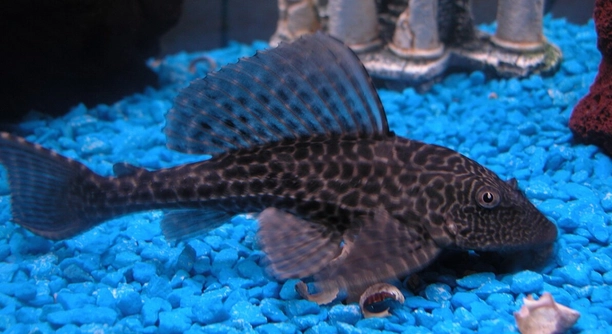
Plecos are popular fish in home aquariums, known for their algae-eating habits and unique appearance. However, despite their resilience, certain actions can cause them unnecessary stress, affecting their health. Let’s explore these issues.
Plecos are sensitive to various environmental factors, and simple mistakes can lead to stress. These include poor water conditions, improper tank mates, incorrect feeding, and improper handling. By recognizing and addressing these mistakes, you can help your pleco thrive.
Understanding these common mistakes and how they affect your pleco’s well-being is key to providing the best care. With a little attention to detail, you can keep your pleco healthy and stress-free.
Poor Water Quality
One of the biggest stressors for plecos is poor water quality. These fish are particularly sensitive to water parameters like pH, ammonia, nitrites, and nitrates. When the water is not properly filtered or maintained, plecos can experience stress, leading to health issues like lethargy or reduced appetite. Regular water changes and proper filtration are essential for keeping water quality in check. It’s important to monitor your aquarium’s water regularly using test kits to ensure all levels are balanced. If the water becomes too polluted or out of balance, plecos can become stressed, making them more susceptible to disease.
If the water has too much ammonia or nitrites, your pleco may show signs of stress like hiding or erratic behavior. Keeping the tank clean and doing water changes regularly will help avoid these issues.
The key is consistency. By establishing a routine for cleaning and monitoring water quality, you’ll create a healthy environment for your pleco. With proper maintenance, plecos will be able to thrive and feel at ease in their aquarium, reducing unnecessary stress.
Improper Tank Mates
Plecos are peaceful creatures, but they can get stressed when housed with aggressive or territorial tank mates. Some species may nip at their fins or compete for food, making the pleco feel threatened. It’s important to choose compatible species that won’t provoke your pleco. Avoid pairing them with aggressive fish like cichlids or fast-moving species that could intimidate your pleco.
Choosing peaceful tank mates will ensure a harmonious environment and reduce stress.
Plecos do best with other calm, non-aggressive fish. Consider species such as tetras, rasboras, or other bottom-dwellers that won’t compete for the same food or space. Keeping plecos with tank mates that respect their space will allow them to thrive without unnecessary stress.
Overfeeding
Overfeeding is a common mistake that can cause stress for plecos. When you give them too much food, it leads to waste buildup in the tank, which impacts water quality. This, in turn, increases stress for your pleco. It’s important to feed them only what they can consume in a few minutes.
Plecos are bottom dwellers and tend to eat slower, so it’s easy to overfeed them by not paying attention to how much they eat. Overfeeding can also lead to obesity, which affects their health and ability to move around comfortably. By sticking to a proper feeding schedule, you can avoid these issues.
To prevent overfeeding, measure the amount of food carefully and remove any uneaten food after a short time. This will help maintain a clean tank environment and prevent excess waste. Additionally, consider feeding your pleco a variety of foods like algae wafers, vegetables, and occasional protein to ensure balanced nutrition.
Improper Handling
Plecos are delicate creatures, and improper handling can cause them significant stress. Handling your pleco too frequently or roughly can harm their protective slime coat and cause skin damage. This makes them more vulnerable to infections and other health issues.
It’s best to leave your pleco alone as much as possible. If you must move them, use a gentle net, and avoid touching their body. Always handle them with care, and minimize their exposure to stressors. Over time, excessive handling will reduce their confidence and overall well-being.
When cleaning the tank or rearranging decor, try to limit the disruption in their environment. Constant movement or changes can be stressful for plecos, and it’s essential to allow them time to adjust to any changes. Their comfort is directly linked to how well you handle and respect their space.
High Water Temperature
Plecos thrive in stable, moderate water temperatures. When the temperature rises too high, they can become stressed. They are particularly sensitive to sudden changes in water temperature, which can weaken their immune system and make them more vulnerable to diseases.
Maintain the water temperature between 74°F and 80°F (23°C – 27°C) to ensure their comfort. Using a reliable aquarium heater with a thermometer can help you keep it consistent. Avoid placing the tank in areas that experience temperature fluctuations, like near windows or heating vents.
When the water temperature gets too high, plecos will often become lethargic and may hide more often. It’s essential to monitor the water temperature regularly to ensure it remains within the optimal range. Sudden temperature spikes can also lead to oxygen depletion, which can add to the stress.
Poor Lighting
Plecos prefer low to moderate lighting conditions, as they are naturally nocturnal. Too much light can cause stress by making them feel exposed or uncomfortable.
Keep aquarium lights on for about 8-10 hours per day, and avoid leaving them on too long. Use dim lighting or provide shaded areas for your pleco to retreat to when they need rest.
Proper lighting also helps maintain a healthy environment for your pleco, as it promotes algae growth, which plecos feed on. Be mindful of the light intensity to ensure your pleco has a balance of light and dark periods for optimal well-being.
FAQ
How can I tell if my pleco is stressed?
A stressed pleco may show several signs, including hiding more than usual, a loss of appetite, or abnormal swimming behavior. They may also become more lethargic and spend time near the tank’s bottom or in corners. If your pleco’s fins appear clamped or their body seems pale, these are clear indicators that something is wrong. In severe cases, stress can cause physical damage, like torn fins or skin lesions. Monitoring their behavior closely can help you address stress early.
What is the ideal tank size for a pleco?
The size of the tank plays a significant role in keeping your pleco stress-free. A minimum tank size of 30 gallons is recommended for smaller species, while larger plecos need tanks that are 75 gallons or more. Plecos grow fairly large, and giving them enough space to swim around freely is crucial for their health. Crowding in the tank can lead to aggression, territorial behavior, and overall stress.
Can plecos live with other fish?
Yes, plecos can live with other fish, but it’s important to choose tank mates carefully. They do best with peaceful species that won’t compete for the same space or food. Avoid pairing plecos with aggressive fish or fast swimmers that might stress them out. Bottom-dwelling species, like other peaceful catfish or tetras, are typically good choices. Always monitor the tank dynamics to ensure all fish are getting along.
How often should I clean my pleco’s tank?
Cleaning your pleco’s tank is essential for maintaining water quality. You should perform partial water changes at least once a week, removing 20-25% of the water. At the same time, clean the substrate and filter to remove debris and waste. Ensure that the filter is functioning properly to help remove excess nutrients. Regular cleaning helps avoid water quality issues, which can contribute to stress for your pleco.
What should I feed my pleco?
Plecos are primarily herbivores, so their diet should consist mostly of vegetables. Algae wafers, blanched zucchini, cucumber, or spinach are great choices. You can also provide occasional protein in the form of sinking pellets, bloodworms, or brine shrimp. Avoid feeding them exclusively high-protein foods, as this can lead to health problems. Ensure they always have a variety of foods to keep them well-nourished.
Is it normal for my pleco to stay hidden most of the time?
Yes, plecos are naturally nocturnal and tend to be more active at night. It’s normal for them to spend much of the day hiding, especially in darker areas of the tank. They may retreat to caves or behind decorations to rest or sleep. As long as they are eating well and don’t show signs of illness, their behavior is typically not a cause for concern. However, if they are hiding excessively or showing other signs of stress, it’s worth checking water quality and tank conditions.
How can I make sure my pleco stays healthy?
To keep your pleco healthy, focus on maintaining a stable tank environment. Keep the water temperature, pH, and other parameters within the appropriate ranges. Regular water changes, proper filtration, and avoiding overfeeding will help prevent stress. Also, provide plenty of hiding spots and plants to mimic their natural environment. Lastly, monitor their behavior for any signs of illness or stress, and make necessary adjustments if needed.
What should I do if my pleco is not eating?
If your pleco stops eating, it’s often a sign of stress or poor water quality. Check the water parameters first and ensure everything is in balance. If the tank is overcrowded, consider rehoming some fish to reduce stress. If the pleco continues to refuse food, it could indicate an underlying health issue, and you may need to consult an aquarium professional or veterinarian for advice.
Can plecos live in cold water?
Plecos prefer warmer water, usually between 74°F and 80°F (23°C – 27°C). While some species can tolerate slightly cooler temperatures, they will be at risk of stress and illness if the water is too cold. If your tank is in a location with fluctuating temperatures, consider using a heater to maintain a stable and comfortable environment for your pleco.
Are plecos prone to any diseases?
Plecos, like many aquarium fish, can be susceptible to a variety of diseases, especially when stressed. Common issues include skin infections, parasitic diseases, or swim bladder disorders. Poor water quality, improper diet, or overcrowding can make them more vulnerable to illness. Maintaining a clean tank, providing a balanced diet, and keeping an eye on their health can help prevent disease.
Final Thoughts
Taking care of a pleco involves more than just feeding and cleaning. They are sensitive creatures that need specific conditions to thrive. By maintaining proper water quality, providing a balanced diet, and ensuring they have enough space, you can help your pleco avoid stress and stay healthy. Small mistakes, like overfeeding or having aggressive tank mates, can quickly lead to problems, so it’s important to pay attention to these factors. Keeping the tank environment as stable and peaceful as possible is key to keeping your pleco content.
It’s also important to remember that plecos are not just bottom dwellers who clean the tank. They have their own needs and personalities that require attention. If they’re hiding often, not eating, or showing other signs of stress, it’s worth investigating the tank conditions. A pleco’s well-being is closely linked to the environment it’s in, and even small changes, like lighting or temperature fluctuations, can cause unnecessary stress. Regular monitoring and routine maintenance are essential to creating an environment where your pleco can live comfortably.
In the end, a little care and observation can go a long way in making sure your pleco thrives. By understanding their needs, recognizing signs of stress, and avoiding common mistakes, you can help your pleco live a long, healthy life in your aquarium. Every fish is different, so it’s important to stay attentive to any changes in behavior or appearance. With the right care, your pleco will be a peaceful and valuable part of your aquarium for years to come.

Hello,
If you enjoy the content that we create, please consider saying a "Thank You!" by leaving a tip.
Every little bit helps us continue crafting quality advice that supports the health, happiness, and well-being of pets around the world, for pets of all shapes, sizes, and species.
We really appreciate the kindness and support that you show us!