
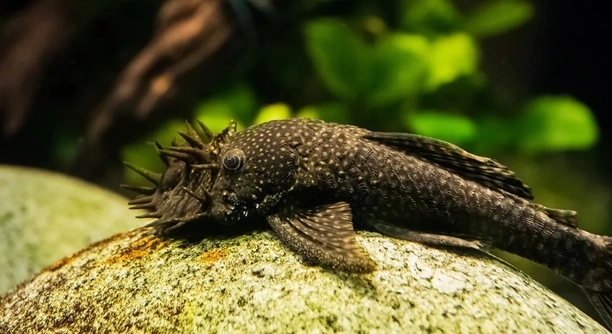
Have you ever spent time watching your pleco and wondered if it’s doing more than just clinging to the glass or wood?
Plecos are not known to play in the traditional sense, but they do display a range of interesting behaviors that may appear playful. These include exploring new areas, interacting with tank decor, and responding to environmental changes.
Understanding these behaviors helps you create a more enriching tank environment and strengthens your connection with your pleco’s unique personality.
What “Play” Looks Like for a Pleco
Plecos don’t play like dogs or cats, but they do have behaviors that can seem playful. They enjoy exploring their space, swimming through tunnels, or resting in odd positions. These movements are often slow and careful. Sometimes they suck onto rocks or wood for long periods. They also show interest in new tank decorations or food sources. Some plecos may swim in loops or poke around when something in the tank changes. These small actions might look like play, but they’re usually driven by natural instincts like feeding or hiding. While they’re not seeking fun in the way people do, their behavior is far from boring. Watching them interact with their environment can reveal how active and curious they truly are. They may not need toys, but giving them hiding spots, driftwood, and plants helps keep them engaged and healthy in their tank.
Many plecos become more active at night, using that time to roam, search for food, or explore new areas of the tank.
Adding variety to their tank can support these natural behaviors. Try rearranging decor every few weeks, or introducing new textures like smooth stones or fresh driftwood. This change keeps their environment interesting and encourages more movement and activity.
Understanding Pleco Behavior
Plecos are generally solitary and calm, and their movements are slow and deliberate. You’ll rarely see them dart or chase unless startled or disturbed.
A pleco’s behavior often depends on its environment. A clean, spacious tank with stable water conditions allows them to act naturally. When stressed, they may hide excessively or stop eating. In a well-maintained setup, you might notice them gliding along the glass, munching on algae, or quietly wedging themselves into caves. Juveniles can be more active and explorative, while older plecos usually stay in one spot longer. They aren’t social in the way some fish are, but they can live peacefully with tank mates if given enough space. Feeding time might bring them out of hiding, especially when offered vegetables or algae wafers. Each pleco is a little different, so regular observation helps you learn their habits. Recognizing what’s normal will make it easier to spot any signs of stress or illness.
Encouraging Natural Behaviors in the Tank
A well-designed tank helps plecos stay active and healthy. They don’t need toys, but they do benefit from variety, hiding places, and objects to explore and graze on throughout the day and night.
Use driftwood, caves, and broad-leaf plants to create an environment that feels natural. Plecos often rest during the day, so shaded areas are important. Driftwood not only gives them shelter but also supports digestion, especially for wood-eating species. Rearranging decorations every few weeks keeps things new and interesting without causing stress. Avoid bright lighting, as plecos prefer dim spaces. Soft sand or smooth gravel lets them move freely without injury. Giving them multiple hiding spots also helps reduce aggression, especially in tanks with more than one pleco. It’s not about entertainment—it’s about comfort and natural behavior.
Plecos need a diet that reflects their nature. Many graze on algae, but that’s not enough to keep them satisfied. Algae wafers, blanched vegetables like zucchini and cucumber, and sinking pellets provide variety. Some species also need protein in the form of shrimp pellets or bloodworms. Providing a balanced diet encourages movement and keeps them looking for food, which mimics their wild habits. Change their food types every few days to promote activity and prevent boredom.
Signs Your Pleco is Content
A healthy pleco will have clear eyes, a strong appetite, and show movement throughout the day or night. They may spend hours resting, but they should still explore and feed regularly.
If your pleco is hiding all the time or stops eating, it might be stressed. Check your water conditions, tank size, and decor placement. They need stable temperatures, low light, and a sense of safety. When they’re comfortable, they will suction onto objects, graze calmly, and occasionally shift from spot to spot. Some even develop a pattern of movement. Watching your pleco’s regular behaviors helps you notice when something is off. You don’t need to entertain them constantly, but providing the right setup helps them thrive. A calm, steady tank leads to a more active and visible pleco. They won’t play fetch, but they do “come to life” in the right environment.
Do Plecos Get Bored?
Plecos can show signs of boredom if their environment lacks variety. A plain tank with no hiding spots or texture may lead to less activity and a stressed fish. Small changes help keep them mentally and physically stimulated.
Rotate tank decorations or offer new types of food every week. This encourages exploration and keeps them engaged. Even slight changes in layout can give them something fresh to investigate and interact with.
Plecos and Tank Mates
Plecos usually prefer to be left alone, but they can live peacefully with other calm fish. Avoid pairing them with aggressive species or fish that nip fins. Crowded tanks may cause stress or hiding.
Final Thoughts on Pleco Behavior
Observing your pleco regularly helps you understand what’s normal and what’s not. A healthy pleco is calm, curious, and steady in its movements.
FAQ
Do plecos like to be touched?
Plecos are not fond of being touched. They’re sensitive creatures and may find physical contact stressful. Touching them can disrupt their natural behavior and may even cause injury due to their fragile skin. It’s best to admire them from a distance and allow them to explore their tank freely. They’re more likely to interact with their environment or food than with you directly. Giving them the space to move naturally is key to keeping them comfortable and healthy.
How do I know if my pleco is stressed?
Stress in plecos often shows in several ways. If they’re hiding constantly, not eating, or swimming erratically, something might be wrong. Poor water conditions are a common cause of stress, so always check temperature, pH levels, and ammonia levels. Plecos can also become stressed if their tank mates are too aggressive or if there’s not enough space. If you notice your pleco spending too much time near the surface or staying in one spot without moving, these could be signs that something is off. If stress persists, it’s important to adjust their environment.
Can plecos live with other fish?
Yes, plecos can live with other fish, but their tank mates should be peaceful and not overly aggressive. Plecos tend to be shy and may not thrive in a tank with overly active or territorial fish. Species like tetras, guppies, and peaceful cichlids can make good companions. Avoid small or fin-nipping species, as plecos can be sensitive to harassment. Also, make sure the tank is large enough to accommodate everyone comfortably, as plecos can grow quite large. The key is creating a balanced community where all fish can thrive together.
How long do plecos live?
Plecos can live for a long time, often 10 to 15 years in a well-maintained tank. Some species of plecos, like the common pleco, may even live up to 20 years with the right care. Their lifespan depends on water quality, tank size, diet, and overall living conditions. It’s important to provide a stable environment to ensure they live a long, healthy life.
What should I feed my pleco?
Plecos are omnivores, and their diet should be varied to keep them healthy. They primarily feed on algae, but you should supplement their diet with vegetables like zucchini, cucumber, and spinach. Algae wafers, sinking pellets, and occasionally protein-rich foods like shrimp pellets or bloodworms can also be added. Giving them a balanced diet encourages natural behavior and supports their overall health. Ensure you provide food that sinks to the bottom, as plecos tend to feed there. You can also provide live or frozen food once or twice a week for variety.
Do plecos need light?
Plecos don’t need much light in their tank. They prefer dim lighting or periods of low light, mimicking their natural habitat. Bright lighting can stress them out or disrupt their natural behaviors. If you keep a light on for plant growth, make sure to provide areas in the tank where the pleco can hide or rest away from the light. It’s important to offer them both dark and shaded areas where they can feel safe and secure.
What size tank do plecos need?
The size of the tank needed for a pleco depends on the species. A standard rule is to provide at least 50 gallons for a single pleco, especially if you’re keeping a common pleco. Some plecos can grow large, reaching lengths of over a foot. If you plan to house more than one, you’ll need a larger tank to ensure enough space for each one. It’s also important to have a good filtration system, as plecos can produce a lot of waste. A larger tank with stable water parameters is crucial for their health.
Can plecos live in cold water?
Most plecos prefer warmer water temperatures, typically between 72°F and 82°F (22°C to 28°C). While some species can tolerate slightly cooler water, it’s not ideal for their health in the long term. Cold water can slow their metabolism and make them more susceptible to diseases. If you’re keeping plecos in a cold-water tank, make sure the temperature stays within the species’ comfort range to avoid stress and potential health issues.
Why is my pleco staying at the surface?
If your pleco is spending time at the surface of the tank, it could indicate a few issues. It may be seeking oxygen if the water quality is poor or the tank is overcrowded. A decrease in oxygen levels often leads to plecos surfacing more frequently. Another possible cause is stress due to high light levels or aggressive tank mates. If the water quality is fine and the pleco is still at the surface, it could be a sign of illness, so observe their behavior and make necessary adjustments.
Why does my pleco suck on everything?
Plecos suck onto surfaces because of their specialized mouth, which is designed for scraping algae from rocks, glass, and wood in their natural habitat. It’s a natural behavior and not a sign of distress. They may also suck on decorations, plants, or glass in your tank while looking for food. This is usually normal, but if the pleco is sucking excessively or on non-food surfaces, it could indicate they are hungry or the tank is lacking enough algae. Offering more food or algae wafers can help.
Final Thoughts
Plecos may not play in the way we often think about play, but they do engage in behaviors that are interesting and enjoyable to watch. Their natural instincts drive them to explore, interact with their environment, and search for food. These actions might seem like play, but they are essential to their well-being and help them feel comfortable in their tank. Plecos are curious creatures, and when given a suitable environment with the right decor, food, and tank mates, they will thrive and remain active.
It’s important to understand that while plecos might not need toys or constant stimulation, they still require a stimulating environment. Adding hiding spots, different textures, and natural materials like driftwood allows them to act according to their instincts. Making small changes to the tank setup, such as rearranging decor or introducing new foods, can encourage them to stay active and engaged. Providing a stable environment with the right water parameters, temperature, and space is key to their health and comfort. This simple approach will allow your pleco to feel secure and explore without stress.
Watching your pleco can be a calming and rewarding experience. Their slow, deliberate movements and quiet exploration are a reminder of how much care these creatures need to feel at ease. By respecting their space and needs, you can ensure they live a long, happy life in your aquarium. While they won’t demand constant attention or toys, their behavior can still show you how much they enjoy their environment. Giving them the right care and conditions will allow your pleco to thrive without the need for constant interaction.

Hello,
If you enjoy the content that we create, please consider saying a "Thank You!" by leaving a tip.
Every little bit helps us continue crafting quality advice that supports the health, happiness, and well-being of pets around the world, for pets of all shapes, sizes, and species.
We really appreciate the kindness and support that you show us!