
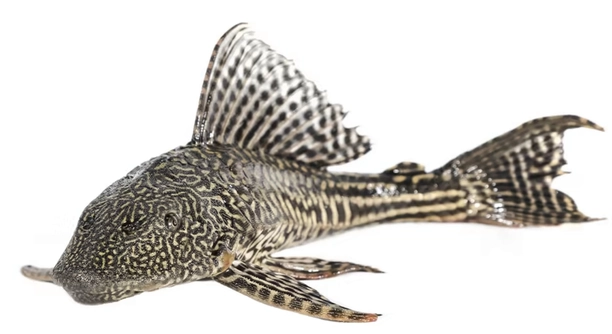
Have you ever watched your plecostomus swim along the glass and wondered if it could actually care about you or its tankmates?
Plecostomus fish show affection through subtle behaviors such as following other fish, staying close to their preferred human’s hand during feeding, and resting near familiar companions. These social cues reflect comfort, trust, and a form of bonding.
From understanding their quiet behaviors to spotting their favorite hiding spots, this guide explains the gentle ways your pleco expresses companionship.
Common Signs Your Plecostomus Is Comfortable With You
Plecostomus fish are known for being quiet and shy, especially in new environments. Over time, though, they begin to show signs that they are comfortable and recognize familiar patterns. One clear behavior is when they start to swim out in the open more often, even when people are nearby. If your pleco comes close to the glass when you approach, or lingers near your hand during tank cleaning or feeding, it’s a small sign of trust. Another sign is when they settle in specific spots where they can observe what’s happening around them without hiding. Staying near the same tankmates, especially during resting periods, can also indicate a preference and bond. Though they are not expressive like dogs or cats, their habits can still show signs of calmness and ease. Once they feel safe, plecos often develop a quiet pattern of interaction with their space and tank companions.
These behaviors build gradually and often reflect consistency and trust in their environment.
It’s important to observe your pleco’s actions over time to better understand what makes it feel secure. While they may not respond with quick gestures, their comfort grows with steady routines, clean water, and a peaceful tank setup. Watching for small changes can help you spot affection-like behavior.
How Plecostomus Fish Bond With Their Environment
Plecostomus fish bond through routine and familiarity, not through physical closeness like mammals do.
Plecos tend to pick favorite hiding spots, decorations, or tankmates. These preferences are not random. If a pleco rests in the same spot every day or stays near a certain object, it’s showing a sense of comfort and trust in that part of the tank. Many plecos also react positively to regular feeding times and may come closer to the surface or your hand during this moment. Some even attach themselves to the glass right where you stand, recognizing your presence through vibration and movement. Another bonding behavior includes resting next to calm fish or returning to the same areas after disturbances like water changes. Their world revolves around consistency, and when they sense predictable patterns, it creates a feeling of security. That security often translates into behaviors that appear affectionate, even if subtle. It’s not dramatic, but for a pleco, small changes in behavior can speak volumes.
Behaviors That May Look Like Affection
Plecostomus fish sometimes follow other fish around the tank, especially if they’re calm and non-aggressive. This can look like companionship. They may also return to the same spots or tankmates, showing a preference that feels like a quiet connection.
Resting beside certain fish repeatedly is one of the most noticeable signs. If your pleco chooses to sit close to another fish instead of hiding, it might mean they feel safe around them. You might also see them share space near driftwood or rocks with the same tankmate each day. These repeated behaviors suggest comfort and acceptance. Plecos also tend to relax near the front of the tank when they recognize a consistent presence. Though they may not display emotion in a traditional way, these actions can show familiarity and ease, which often get interpreted as a soft form of affection by attentive fish keepers.
Following your hand during feeding time is another behavior that feels affectionate. Some plecos will swim up as you place food into the tank and stay close, even if they don’t eat immediately. This small moment shows they’ve made a connection between you and positive experiences. Over time, they may seem to look for your presence during these routines. They learn patterns, including the way you move around the tank. Though it’s more about trust and comfort than strong emotional bonding, these signs still matter. For fish that normally stay hidden, choosing to be near you or staying visible more often can be seen as a gentle way of acknowledging your role in their life.
What You Can Do to Encourage These Behaviors
Keep a calm, quiet environment around the tank. Plecos are sensitive to sudden movement, so try to approach slowly. They tend to respond better to soft routines and predictable interactions rather than loud sounds or tapping.
Feeding at the same time each day is helpful. Plecos learn patterns, and when they connect your presence with food, it builds trust. Clean water and low-stress lighting also encourage them to feel safe. Try not to rearrange their tank often, as they become attached to certain hiding spots. Over time, they may start appearing more during the day and staying out when you’re nearby. Offer treats like blanched zucchini or algae wafers by hand or in the same spot to build association. Avoid fast, jerky movements, especially near the tank. Being consistent and patient helps your pleco feel secure. In turn, they begin to recognize you as a safe and familiar part of their daily life.
Why Plecos Might Not Show Affection
Plecos are mostly nocturnal, so they tend to hide during the day. This makes it easy to miss their quiet interactions or misread their behavior as disinterest, even when they feel calm and secure.
Stress from tankmates, sudden changes in water conditions, or loud environments can cause them to stay hidden.
Tips for Reading Pleco Body Language
Watch for slow, relaxed swimming and time spent out in the open. If your pleco rests near other fish or hangs on the front glass more often, it usually means they feel safe. Quick darting movements, staying hidden for long periods, or changes in eating habits might point to discomfort. Plecos don’t show affection the way dogs or cats might, but their calm presence and routines can still reflect trust. They express themselves through small, repeat behaviors rather than strong reactions. Learning what’s normal for your fish helps you spot signs of comfort or stress early on.
When to Worry About Behavior Changes
If your pleco suddenly stops eating or hides more than usual, it could mean something is wrong in the tank.
FAQ
Can plecostomus fish recognize their owners?
Plecostomus fish are not known for strong visual recognition like some other animals, but they do respond to patterns. They can become familiar with your presence, especially during feeding times or cleaning routines. If they regularly see you and associate you with calm movements and food, they may come closer or stay visible more often. While it’s not emotional recognition, it’s a form of learned comfort. They are more likely to be visible when you’re around if they’ve linked your presence with something positive and safe. Over time, this can feel like a quiet form of recognition.
Do plecos bond with other fish in the tank?
Yes, plecos can show preference for certain tankmates. They may choose to rest near peaceful fish and avoid aggressive ones. These choices are based more on comfort than emotional bonding, but consistent proximity can still suggest a kind of familiarity. They also learn to tolerate and trust fish that don’t disturb their space. If your pleco often rests in the same spot as another fish without chasing or hiding, it’s a good sign they feel relaxed and content. Avoid pairing them with overly active or aggressive fish to help support these calm associations.
Is hiding all day a bad sign?
Not always. Plecos are mostly active at night and naturally prefer to stay hidden during the day. It’s part of their usual behavior. However, if your pleco starts hiding more than usual or refuses to come out even at feeding time, it could be a sign of stress. Check your tank conditions—temperature, water quality, lighting, and tankmates all play a role. Also, make sure they have proper places to hide so they don’t feel overly exposed. When they feel safe, they will usually find a balance between hiding and moving around in open spaces.
What does it mean if my pleco is stuck to the glass near me?
When your pleco sticks to the glass where you’re standing, it might seem like affection. In reality, it’s likely a learned behavior. If your presence usually means food or tank activity, they may come close out of curiosity or anticipation. Plecos use their mouths to explore surfaces, and the glass gives them a clear view of movement outside the tank. If they do this often around you, it means they feel safe enough to stay visible in your presence. That behavior can be one of the clearest signs of comfort and routine-based trust.
Do plecos like being touched or petted?
No, plecos generally do not enjoy being touched. Their skin is sensitive, and handling them can cause stress or even damage their protective slime coat. It’s best to admire them from a distance. If your pleco swims near your hand during feeding or cleaning, it’s not an invitation for contact—it’s more about curiosity or familiarity. Consistent routines make them less skittish, but they still prefer to be left alone physically. Always avoid trying to touch or grab them, as that could lead to injury or fear responses in the future.
Why is my pleco swimming frantically?
Frantic swimming is usually a sign of stress. This could be caused by poor water quality, sudden changes in lighting, or aggressive tankmates. It might also happen after a water change or if they feel threatened. Check the water parameters and make sure the tank is calm and balanced. Plecos need stable conditions to thrive. Fast or erratic swimming should not be a daily occurrence. If it keeps happening, it’s worth taking a closer look at their environment. Sometimes even strong filters or currents can create stress if the flow is too powerful for them.
Can plecos show happiness or affection in any way?
While plecos don’t show emotion in a human sense, they do display signs of being content. A happy pleco will eat regularly, explore the tank, and stick to routines. They’ll also rest in the open or remain close to calm tankmates. These behaviors reflect comfort and health, which can be seen as their version of happiness. Staying active at night, reacting calmly to your presence, and remaining visible during quiet moments all show they’re relaxed. It’s subtle, but paying attention to these actions can help you connect more with your pleco’s needs and habits.
Final Thoughts
Plecostomus fish are quiet, peaceful creatures that don’t express affection in ways people might expect. They aren’t playful or interactive like some pets, but that doesn’t mean they don’t show signs of trust and comfort. Their behaviors are subtle and often easy to miss unless you’re paying close attention. Over time, they learn to feel safe around familiar patterns and people. When your pleco swims closer to the glass, stays out in the open more often, or rests near calm tankmates, these are all signs that it feels comfortable. While it may not be showing affection in a strong or emotional way, those small actions matter.
Building trust with a pleco takes time and consistency. Simple things like feeding at the same time each day, avoiding loud noises near the tank, and keeping their space stable can help your pleco feel secure. It’s also helpful to avoid sudden changes in their environment, such as moving decorations or adding aggressive tankmates. When a pleco feels safe, it will begin to form a steady routine. It may recognize your movements, stay visible longer, and even follow your hand during feeding. These actions reflect a calm state, which is the closest thing to affection they can show. For many fish keepers, this quiet connection is enough to feel a bond with their pleco.
Understanding a pleco’s behavior requires patience. It’s important to respect their natural habits, especially their preference for hiding and nighttime activity. They are not animals that enjoy direct interaction, and that’s okay. What matters most is providing a clean, peaceful space where they can thrive. When you take time to observe their patterns, you’ll start to notice the little ways they respond to you and their environment. These responses—no matter how small—can help you feel more connected to your fish. In the end, it’s less about affection in a traditional sense, and more about learning how they express comfort and trust in their own quiet way.

Hello,
If you enjoy the content that we create, please consider saying a "Thank You!" by leaving a tip.
Every little bit helps us continue crafting quality advice that supports the health, happiness, and well-being of pets around the world, for pets of all shapes, sizes, and species.
We really appreciate the kindness and support that you show us!