
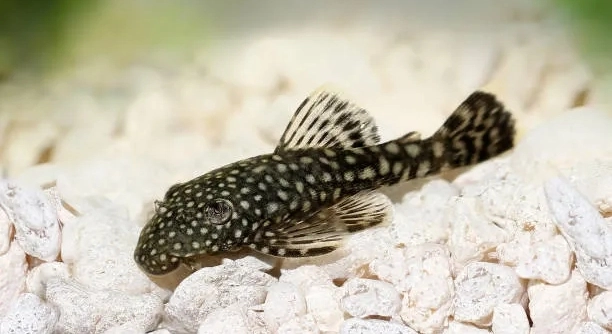
Stress in fish, especially in plecostomus, can be difficult to spot. They are generally calm and low-maintenance, making stress signs hard to detect. However, recognizing the signs early can make a big difference in their well-being.
Stress in a plecostomus may manifest through changes in behavior, physical appearance, or feeding habits. Common signs include hiding more than usual, loss of appetite, faded coloration, rapid gill movement, or abnormal swimming patterns.
Understanding how to identify and manage stress can prevent long-term health issues in your plecostomus. By following a few simple steps, you can help restore your fish’s health and reduce their stress.
Stress Sign #1: Loss of Appetite
One of the first signs of stress in a plecostomus is a loss of appetite. When stressed, these fish often stop eating, which can lead to weight loss and a weakened immune system. A healthy plecostomus will eagerly nibble on algae, sinking pellets, or other food sources in its tank. If your fish is refusing to eat for several days, it may be stressed due to poor water quality, sudden temperature changes, or tankmates that are too aggressive.
A decrease in feeding should be addressed quickly to prevent further health complications. Stress-related loss of appetite is often temporary if the stressor is removed. If the fish continues to avoid food, further investigation into the water conditions or tank environment may be necessary.
To help restore their appetite, try adjusting the water temperature or improving the tank’s filtration. Offering a variety of foods and ensuring the environment is calm may also encourage your plecostomus to begin eating again.
Stress Sign #2: Hiding More Than Usual
If your plecostomus is spending more time hiding in caves or behind decorations, stress may be to blame. Plecostomus are naturally shy fish, but stress can make them retreat more often than usual. Excessive hiding could signal discomfort, either from the tank environment or from tankmates that are overly aggressive.
Hiding is a natural behavior for plecostomus, but if it becomes excessive, it may be due to poor water quality, overcrowding, or territorial disputes with other fish. It’s important to monitor their hiding behavior and check for any changes in their surroundings.
To help alleviate stress, ensure the tank is properly maintained with clean water and appropriate tankmates. If your plecostomus is hiding frequently, it may feel threatened or overwhelmed. Try providing additional hiding spots, such as plants or decorations, to give your fish a sense of security.
Stress Sign #3: Faded Coloration
A plecostomus in a stressed state will often show faded or dull coloration. Under normal circumstances, these fish display vibrant colors that reflect their health and environment. However, stress can cause their pigmentation to become lighter or less pronounced.
There are several reasons for color changes, including water quality issues, improper temperature, or physical injury. Stress can affect the fish’s ability to produce pigments, leading to a noticeable shift in color. In some cases, a plecostomus may also lose its characteristic markings or spots.
The best way to address fading coloration is by addressing the underlying stressor. Ensure the tank’s water parameters, including pH, hardness, and temperature, are within the appropriate range. Reducing stress by providing a calm environment will often restore the fish’s color over time.
Stress Sign #4: Abnormal Swimming Patterns
Plecostomus typically swim in a calm and slow manner, but stress can cause changes in their swimming patterns. Stressed fish may swim erratically, in circles, or near the surface of the water. These behaviors indicate discomfort and could be a response to poor water quality, overcrowding, or aggression from tankmates.
An abnormal swimming pattern is often a sign that something in the tank environment is not right. The plecostomus may be trying to escape stressful conditions, such as high levels of ammonia or nitrites in the water. Additionally, physical injury from other fish can cause distress and affect swimming patterns.
To alleviate this issue, test the water for any imbalances and make sure the tank is not overcrowded. A consistent, peaceful environment will help reduce the chances of abnormal swimming and encourage natural behavior.
Stress Sign #5: Increased Gill Movement
Increased gill movement is a sign that your plecostomus may be struggling to get enough oxygen, often due to poor water quality or high toxin levels. If you notice your plecostomus rapidly moving its gills, it could be a response to high ammonia, nitrite, or nitrate levels in the tank.
Stressed plecostomus may have difficulty breathing, causing them to overcompensate by increasing their gill movement. This can be a sign of oxygen deprivation, often caused by poor water circulation or insufficient filtration.
To improve your plecostomus’s oxygen intake, ensure the tank has proper aeration and a functioning filter. Perform regular water changes to maintain healthy water conditions and provide your fish with the best chance to recover from stress.
Stress Sign #6: Physical Signs of Injury or Damage
When stressed, plecostomus can become more susceptible to injury or damage. If the tank environment is not ideal, they may injure themselves while trying to escape stressors, such as sharp decorations or aggressive tankmates. You may notice physical signs of damage, such as scraped fins, wounds, or missing scales.
Injuries caused by stress can lead to infections if not addressed. It is important to check your plecostomus for any signs of physical harm, as untreated injuries can worsen and negatively impact the fish’s overall health.
To minimize the risk of injury, ensure the tank is free from sharp objects and that all tankmates are compatible. Provide your plecostomus with plenty of hiding spots and reduce stress levels to prevent further harm.
Stress Sign #7: Changes in Behavior and Activity Levels
A significant change in behavior, such as reduced activity or unusual behavior patterns, can indicate stress in a plecostomus. These fish are naturally active and engage in behaviors like swimming, cleaning, and foraging. However, stress can cause them to become lethargic or inactive.
Stressed plecostomus may also exhibit more unusual behaviors, such as staying in one location for long periods, swimming at odd angles, or avoiding other fish. These changes in behavior often occur when the fish is dealing with unfavorable water conditions, tankmates, or environmental stressors.
To improve the situation, check the water parameters and observe the tank’s overall environment. Reducing stressors and providing a stable and safe environment will encourage your plecostomus to return to its normal behavior patterns.
How to Help a Stressed Plecostomus: Improve Water Quality
Improving water quality is the most effective way to reduce stress in plecostomus. These fish are sensitive to water changes, so maintaining clean, stable water conditions is crucial for their well-being. Regular water tests will help you keep track of important parameters like pH, ammonia, and nitrate levels.
Start by performing frequent water changes to ensure that harmful toxins like ammonia and nitrites are kept in check. Install a high-quality filter that suits the size of your tank to maintain clear water. Use a water conditioner to remove chlorine or chloramine, which can harm your fish. Ensuring a stable water temperature, typically between 74-80°F (23-27°C), is also important. Monitor the water parameters regularly, as fluctuations in temperature and water chemistry can cause stress.
If you notice signs of stress, test the water and make adjustments as needed. A well-maintained tank will help restore your plecostomus to a healthier state.
Creating a Peaceful Environment for Your Plecostomus
A peaceful and calm environment is essential for reducing stress in plecostomus. If your plecostomus shares the tank with other fish, ensure the tankmates are compatible. Aggressive or overly active fish may stress out your plecostomus, so choose peaceful species to avoid conflict. Overcrowding can also lead to stress, so make sure the tank has enough space for each fish to thrive.
Add plants, rocks, and caves to the tank to give your plecostomus hiding spots. This will make your fish feel safer and help reduce stress. Plecostomus are nocturnal and prefer a dimly lit environment, so consider adding plants or decorations that create areas of shade. Avoid loud noises or sudden movements around the tank, as these can startle your fish and contribute to stress.
Keeping the environment stable and peaceful will promote relaxation for your plecostomus, encouraging them to become more active and regain their natural behavior.
Adjusting Feeding Practices for Less Stress
Stress can be caused by hunger or dissatisfaction with food. Offering your plecostomus a varied diet can help keep them healthy and reduce stress. Sinking algae pellets, vegetables, and other plant-based food are great options. Plecostomus are primarily herbivores, so ensuring a balanced diet with sufficient fiber is important for their digestion.
Avoid overfeeding, as this can lead to water quality issues and contribute to stress. Instead, feed your plecostomus small amounts several times a day. Ensure the food is appropriately sized to prevent waste from accumulating in the tank. If your plecostomus is stressed, try offering different foods to tempt it into eating, such as blanched zucchini or cucumber. Providing a routine feeding schedule can also help your fish feel more secure.
Proper feeding practices will encourage your plecostomus to eat more regularly, preventing malnutrition and stress from impacting their health.
Monitoring Tank Temperature and Humidity
Temperature fluctuations are a common source of stress in plecostomus. These fish thrive in water temperatures between 74-80°F (23-27°C). Consistent temperature control will help prevent any unwanted stress caused by overheating or sudden cooling. Investing in an aquarium heater and thermometer is essential to ensure that the tank remains at the ideal temperature.
If the water temperature is too high or low, your plecostomus may experience stress, which can lead to changes in behavior and a weakened immune system. Sudden changes in temperature can shock your fish, making them more vulnerable to illness. To avoid this, adjust the heater gradually and monitor the water temperature frequently.
Maintaining a steady tank temperature will help your plecostomus stay healthy and comfortable, allowing it to focus on foraging and swimming rather than dealing with environmental stress.
Avoid Overcrowding the Tank
Overcrowding can stress your plecostomus, as it limits space for movement and increases waste buildup in the tank. Ensure that there’s enough room for all fish to have their own territory. A cramped environment leads to higher aggression, affecting your fish’s well-being.
To avoid overcrowding, calculate the appropriate tank size for your plecostomus based on its adult size. A general guideline is 20 gallons for one plecostomus, with additional space for each tankmate. Overcrowded tanks can result in poor water quality, as more fish produce more waste, stressing your plecostomus and other tank inhabitants.
Keep an Eye on Tank Filtration
Proper filtration is essential to maintaining a healthy environment for your plecostomus. An efficient filter will remove harmful toxins and debris from the water, reducing stress caused by dirty or polluted conditions. Choose a filter that suits your tank size and maintenance needs.
Plecostomus are bottom dwellers, so they benefit from a filter that provides strong water circulation without creating strong currents. Regular maintenance of the filter will prevent clogging, ensuring that the tank remains clean and safe for your fish.
Minimize Sudden Changes
Plecostomus are sensitive to sudden changes in their environment, such as water temperature, lighting, or tank decorations. Avoid making drastic alterations in your tank setup that could disturb the stability of the environment. Sudden changes can stress your plecostomus, leading to a weakened immune system and unhealthy behavior.
FAQ
What causes stress in plecostomus?
Stress in plecostomus can be caused by various factors, such as poor water quality, improper tank mates, overcrowding, and sudden changes in their environment. Maintaining a stable and clean tank environment is crucial to prevent stress. Frequent water changes, proper filtration, and a suitable tank size can help avoid these stressors. Aggressive fish, tankmates that compete for space, and fluctuating water parameters can also contribute to stress in plecostomus.
How can I tell if my plecostomus is stressed?
Stressed plecostomus may exhibit several signs, including excessive hiding, a decrease in appetite, or erratic swimming behavior. If your fish seems to be avoiding food or is spending most of its time at the bottom of the tank, these could be indicators of stress. Changes in color or unusual behavior, such as swimming frantically or rubbing against objects, can also signal stress. Monitoring your fish closely will help you identify any concerning changes.
What is the ideal water temperature for plecostomus?
Plecostomus thrive in water temperatures between 74-80°F (23-27°C). Consistency in temperature is key. Sudden drops or increases in water temperature can cause stress, so it’s important to monitor the tank regularly. An aquarium heater can help maintain a stable temperature. Additionally, keeping the water at the recommended temperature range will help prevent illnesses and ensure your plecostomus stays healthy and active.
How often should I clean my plecostomus’ tank?
It’s important to clean your plecostomus’ tank regularly, but not too often. Perform partial water changes of about 20-30% every week or two, depending on the size of the tank and number of fish. Regular cleaning of the tank and filter ensures that ammonia, nitrites, and nitrates don’t build up, preventing water quality issues that can stress your fish. Always test the water quality after each cleaning to ensure optimal conditions.
Can plecostomus live with other fish?
Yes, plecostomus can live with other fish, but they should be housed with peaceful species. They are generally non-aggressive, but they can get stressed in tanks with overly active or territorial fish. Suitable tankmates include other peaceful bottom dwellers, livebearers, and schooling species. Avoid keeping them with fish that might outcompete them for food or space.
What should I feed my plecostomus?
Plecostomus are primarily herbivores, so their diet should mainly consist of plant matter. You can feed them algae wafers, spinach, zucchini, and cucumber. It’s also important to occasionally offer them protein-rich foods, such as sinking shrimp pellets or bloodworms. Ensure that the food is in a form that they can easily consume and avoid overfeeding, as uneaten food can quickly degrade water quality.
How can I improve the water quality for my plecostomus?
To improve water quality, you should focus on regular water changes, proper filtration, and maintaining stable parameters. Install a filter that is appropriate for your tank size and clean it regularly. Test your water for ammonia, nitrite, nitrate, and pH levels to ensure they are within ideal ranges. Keeping the tank clean and free from debris also helps maintain good water quality, which will reduce stress for your plecostomus.
Is it normal for my plecostomus to hide?
Yes, it is normal for plecostomus to hide, especially during the daytime. Plecostomus are nocturnal creatures, so they tend to be more active during the night and prefer hiding during the day. Providing plenty of caves, rocks, and plants will give them the hiding spots they need to feel secure. However, if they are hiding excessively or not eating, it may indicate stress or illness.
How do I know if my plecostomus is sick?
Signs of illness in plecostomus include loss of appetite, abnormal swimming behavior, changes in color, or visible lesions or sores on the body. If your plecostomus is not eating or appears lethargic, it could be a sign of stress or illness. It’s important to monitor the tank conditions regularly and seek advice from an aquarium expert or veterinarian if you suspect illness.
Can stress affect the health of my plecostomus?
Yes, stress can significantly affect the health of your plecostomus. Prolonged stress weakens their immune system, making them more susceptible to diseases and infections. Stress can also lead to poor feeding habits, weight loss, and reduced activity levels. By maintaining a stable environment and addressing stress triggers, you can help ensure the long-term health and well-being of your plecostomus.
Final Thoughts
Caring for a plecostomus requires attention to their environment and well-being. These fish are relatively low-maintenance but still need a proper tank setup to thrive. Stress can easily affect their health, so it’s important to avoid overcrowding, maintain good water quality, and provide a stable temperature. Plecostomus are peaceful creatures that can live harmoniously with other fish if the environment is suitable. Creating a space where they feel secure and have enough food will keep them healthy and happy.
Ensuring that your plecostomus has a balanced diet and enough room to swim is key to reducing stress. Their bottom-dwelling nature means they prefer hiding spots and a tank with plenty of plants or decorations. Algae wafers and fresh vegetables like zucchini are great food options to keep them well-nourished. Regular water changes and monitoring the filter will help maintain the tank’s water quality. With the right care, your plecostomus will remain active and stress-free.
Overall, being mindful of your plecostomus’ needs, from water parameters to tank mates, can go a long way in keeping them healthy. A happy plecostomus is one that feels safe in its environment and is able to feed and interact without feeling overwhelmed. Taking small, consistent steps in managing their habitat will prevent stress and contribute to a thriving aquarium.

Hello,
If you enjoy the content that we create, please consider saying a "Thank You!" by leaving a tip.
Every little bit helps us continue crafting quality advice that supports the health, happiness, and well-being of pets around the world, for pets of all shapes, sizes, and species.
We really appreciate the kindness and support that you show us!