
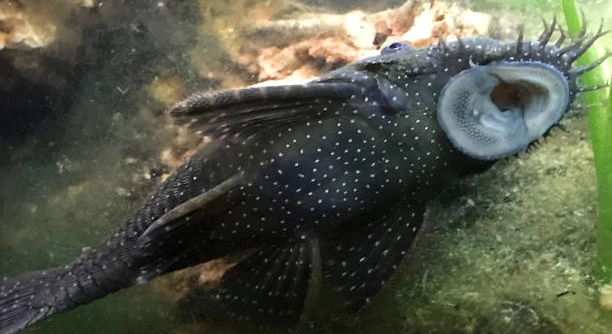
A happy plecostomus can be a great sign of a thriving aquarium. Recognizing when your fish is content can help ensure its well-being. Watching for certain behaviors can guide you in maintaining the best care for your pet.
Plecostomus exhibit several behaviors that indicate contentment, such as active swimming, feeding well, and displaying natural coloring. A clean, well-maintained tank with appropriate temperature and water quality also supports a plecostomus’ happiness and overall health.
Recognizing these signs helps ensure your plecostomus remains healthy and content. Continue reading to discover the key indicators of a happy fish and how to maintain its well-being.
Active Swimming Behavior
When your plecostomus is swimming around the tank, it shows signs of happiness. Healthy plecos tend to move around more, especially in larger tanks where they can explore their environment. If you notice your pleco gliding along the substrate or sticking to surfaces, it’s a good sign they are comfortable in their space.
Plecos often rest on surfaces, such as tank decorations or glass, but they should move freely. A pleco that is overly lethargic or stays hidden for long periods might be dealing with stress or an issue in the tank environment.
Active swimming also indicates your plecostomus is getting enough oxygen and isn’t suffering from water quality problems. Make sure your aquarium’s filtration system is working properly to keep the water clean. High water quality promotes a more active and visible pleco. By maintaining an ideal tank environment, you’ll encourage your pleco to swim more and remain healthy, keeping their happiness levels up.
Feeding Habits
Feeding is another sign of a content plecostomus. A pleco that eagerly accepts food during feeding time is a healthy and happy one. These fish enjoy algae wafers, sinking pellets, and even vegetables like zucchini and cucumber. It’s essential to offer a variety of foods to keep them well-fed.
When a pleco shows interest in different food options, it’s often a good sign that they are in good health. If they aren’t eating or seem uninterested in food, it may indicate an underlying issue, like poor water conditions or stress. Keep an eye on their appetite and feeding behavior.
Plecos are also known to graze on algae, so if they are actively cleaning surfaces in the tank, it shows they are satisfied and performing their natural behavior. Make sure your pleco has enough food variety and clean surfaces to keep their diet balanced and their spirits high.
Healthy Coloration
When your plecostomus displays vibrant, clear coloring, it’s a strong indication of happiness and good health. A dull or faded appearance, on the other hand, may signal stress or poor water conditions. Keep an eye on their coloration to gauge their well-being.
Healthy plecos should have consistent, bright colors depending on their species. If you notice pale spots or faded patches, it may suggest that the tank conditions aren’t optimal, like an imbalanced pH or water temperature. Regular water changes and proper tank maintenance help maintain their vibrant colors.
Additionally, if your pleco’s skin looks glossy and smooth, it’s another positive sign. A healthy, well-fed pleco will show more vivid coloring and remain active. Consider adding natural tank elements like plants or hiding spots to help them feel safe, which can also enhance their coloration.
Clear Eyes and Active Behavior
Plecostomus with clear eyes and an alert posture are happy. If your pleco’s eyes appear cloudy or swollen, it’s often a sign of an underlying health issue. Keeping a watchful eye on their eye health helps in preventing problems early.
Plecos are naturally shy, so they may retreat into hiding spots during the day, especially when they’re not feeling well. However, an active pleco will peek out during feeding times and explore their environment. If your pleco seems consistently lethargic or their eyes appear clouded, it’s a sign they might be stressed or dealing with health problems.
Regular monitoring of water parameters and proper tank care is essential. Plecos that live in clean, stable environments are more likely to exhibit bright, clear eyes and behave normally. By ensuring your tank remains stress-free, you’ll encourage healthy eye function and overall active behavior.
Consistent Cleaning of Surfaces
A happy plecostomus will spend time cleaning tank surfaces. They naturally graze on algae, which keeps them busy and helps maintain tank cleanliness. If your pleco is consistently active in cleaning, it shows they’re content with their environment.
Plecos will graze on tank decorations, rocks, and walls. This behavior indicates they’re in a comfortable space where they can fulfill natural needs. If you notice that your pleco is no longer cleaning surfaces or seems uninterested in algae, it could signal water quality issues. Providing an environment where algae can grow naturally encourages this beneficial cleaning behavior.
Maintaining a clean tank also promotes your pleco’s overall health, ensuring they stay active and comfortable. Regular water changes and avoiding overfeeding help ensure that algae remains a healthy, accessible food source for them. A clean tank means a happier pleco.
Responsive to Tank Conditions
Plecostomus are sensitive to changes in their environment. When they are healthy, they respond well to the conditions around them, adjusting to the water temperature and flow. A happy pleco will exhibit behaviors that show comfort in their surroundings.
These fish thrive in stable conditions. When water parameters like pH, hardness, and temperature are balanced, plecos become more active and less stressed. Regular monitoring of the water conditions is necessary to maintain these levels. If your pleco remains in one spot or hides constantly, it could indicate that something is wrong with the environment.
By ensuring the water is the correct temperature and clean, your pleco will thrive and exhibit more natural, relaxed behaviors. Keeping the water parameters stable and within optimal ranges is key to a healthy, happy plecostomus.
Social Interaction
Plecostomus are solitary by nature, but they can still show signs of comfort and happiness through occasional interactions with other tank mates. If your pleco is sharing the space with other fish, observe their reactions to their surroundings.
While plecos are not overly social, they tend to coexist peacefully with other fish, especially if the tank is large enough to accommodate everyone. If your pleco is getting along with other fish and not hiding excessively, it suggests they feel secure. Aggressive behavior or constant hiding could indicate stress, perhaps caused by territorial disputes or unsuitable tank mates.
Providing a peaceful environment with plenty of space will help your pleco remain calm and content, allowing them to exhibit natural behaviors without feeling threatened by others.
FAQ
What should I do if my plecostomus is hiding all the time?
If your plecostomus is hiding frequently, it could be due to stress or poor water conditions. Ensure that the water parameters, such as temperature, pH, and hardness, are stable and within the ideal range. Stress can also arise from overcrowding, aggressive tank mates, or inadequate hiding spots. Providing more decorations, caves, or plants may help your pleco feel secure. If the behavior persists, check your filtration system and perform a water change to improve water quality. A pleco that hides too often may not be happy, so it’s crucial to address these potential stressors.
How do I know if my plecostomus is sick?
A sick plecostomus may exhibit a variety of symptoms, including lethargy, abnormal swimming behavior, loss of appetite, faded coloring, or lesions on their skin. If your pleco’s eyes are cloudy, swollen, or their gills appear inflamed, it could signal an infection. To confirm any illness, check the water quality, as poor water conditions can lead to diseases. Isolate the sick fish if needed and treat with the appropriate medication. Regularly monitor their behavior and appearance, as early detection is crucial for treating health issues effectively.
Can I keep multiple plecos in the same tank?
You can keep multiple plecos in the same tank, but it’s important to consider the species and tank size. Plecos are generally territorial, and too many can lead to stress and aggression, especially in smaller tanks. It’s recommended to have a spacious tank with enough hiding spots for each pleco. If you’re housing more than one, ensure they have their own space to avoid conflict. Different species may also have varying levels of compatibility, so it’s wise to research the specific needs of the plecos you plan to keep together.
How often should I feed my plecostomus?
Plecos are typically fed once a day, though some prefer every other day. Offer food in the evening when they are most active. Plecos primarily feed on algae and plant matter, so supplement their diet with algae wafers, sinking pellets, or fresh vegetables like zucchini and cucumber. Avoid overfeeding, as uneaten food can pollute the water. Monitor your pleco’s eating habits to ensure they are eating well. If you notice your pleco isn’t eating regularly, it may be a sign of stress or poor water quality.
Why is my plecostomus not eating?
If your plecostomus isn’t eating, it may be due to stress, poor water quality, or an unsuitable tank environment. Check the water parameters to ensure they are within the correct range. Other factors include incompatible tank mates, temperature fluctuations, or illness. A pleco might also stop eating if they are uncomfortable or not getting enough hiding spots. Ensure there’s enough food variety, and try offering fresh vegetables or sinking pellets to tempt them. If the behavior continues, monitor their health for signs of illness and consult a vet if needed.
Do plecos need to be quarantined?
It’s a good practice to quarantine any new plecos before introducing them to your main tank. Quarantining helps prevent the spread of diseases or parasites to your existing fish. Place the new pleco in a separate tank with proper filtration and water parameters for about two weeks. This gives you time to monitor for any health issues. If the pleco appears healthy, you can then add it to the main tank. Always quarantine new fish to protect the health of your entire aquarium.
How do I keep my plecostomus healthy?
To keep your plecostomus healthy, focus on maintaining stable water conditions, a proper diet, and a clean tank environment. Regularly test water parameters, such as pH, ammonia, nitrites, and nitrates, to ensure they stay within acceptable levels. A well-maintained filtration system is essential for water quality. Offer a varied diet, including algae wafers, sinking pellets, and fresh vegetables. Regular water changes and tank cleaning will prevent harmful toxins from building up. Ensuring your pleco has adequate space, hiding spots, and compatible tank mates will also contribute to their well-being.
Why does my plecostomus stay near the filter?
Plecos are attracted to the current and water movement created by the filter. The filter’s strong water flow can mimic the pleco’s natural habitat, where they might encounter similar currents in the wild. If your pleco spends a lot of time near the filter, it’s likely enjoying the water movement. However, if the current is too strong, it may be stressful, so consider adjusting the filter flow or providing areas in the tank where the pleco can rest in calmer waters.
Can I feed my plecostomus fruit?
Yes, plecos can occasionally enjoy fruit as part of a varied diet. Offer small amounts of fruits like apples, pears, or bananas, but remember that fruits are high in sugars and should be fed in moderation. Peel and slice the fruit into small, manageable pieces. Remove any uneaten fruit after a few hours to prevent it from rotting in the tank. Fresh vegetables and algae-based food should make up the majority of their diet to maintain optimal health. Fruit can be a nice treat but shouldn’t be the main food source.
How can I encourage my plecostomus to eat algae?
To encourage your plecostomus to eat algae, make sure your tank has an adequate supply of algae growth. Ensure that your aquarium receives proper lighting, as light promotes algae growth. If algae is sparse, supplement their diet with algae wafers or other plant-based foods. Adding rocks, driftwood, or decorations that promote algae growth can help your pleco graze more naturally. Be patient as it may take time for your pleco to adjust and begin eating the algae. Keep the tank clean and free of excess nutrients, as too many nutrients can lead to harmful algae blooms.
Final Thoughts
Taking care of a plecostomus requires attention to their specific needs, such as water quality, diet, and proper tank conditions. While they are hardy fish, ensuring a stable environment is essential for their health and happiness. By monitoring the water parameters and maintaining a clean tank, you can create a setting where your pleco can thrive. Their natural behaviors, like grazing on algae and cleaning surfaces, are good indicators of well-being, so it’s important to observe these signs closely.
In addition to providing the right conditions, it’s important to offer a varied diet. Plecos are primarily herbivores, but they also require other types of food to stay healthy. Algae wafers, sinking pellets, and fresh vegetables like zucchini or cucumber can help meet their nutritional needs. Overfeeding should be avoided to prevent water quality issues, as uneaten food can decay and pollute the tank. By offering a balanced diet and feeding them in the evening when they are most active, you can ensure they stay happy and well-fed.
Finally, the key to a successful plecostomus tank is creating a peaceful and comfortable environment. Providing enough hiding spots, ensuring compatible tank mates, and keeping the tank spacious can help reduce stress. Regular water changes, checking the filtration system, and avoiding overcrowding are also important steps in keeping your pleco healthy. A well-maintained tank with the right care and attention can ensure that your plecostomus remains a happy and active member of your aquarium.

Hello,
If you enjoy the content that we create, please consider saying a "Thank You!" by leaving a tip.
Every little bit helps us continue crafting quality advice that supports the health, happiness, and well-being of pets around the world, for pets of all shapes, sizes, and species.
We really appreciate the kindness and support that you show us!