
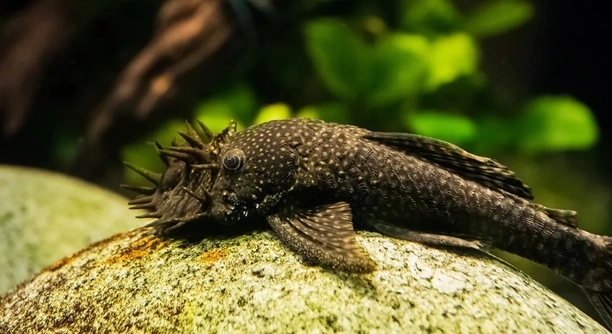
When setting up an aquarium, there are many considerations to make, especially when it comes to the needs of the fish. One such consideration is tank shape. Plecos, a popular aquarium fish, often require specific environments to thrive.
Plecos generally prefer long tanks over tall ones. A long tank provides ample swimming space, allowing plecos to move freely and explore their environment, which is vital for their well-being. Tall tanks may limit movement and can create stressful conditions.
Understanding the right tank setup for plecos is essential for their growth and comfort. This article will guide you through the factors that influence their preference for tank shape and how to provide the best environment for your pleco.
Why Tank Shape Matters for Plecos
The tank shape plays a significant role in the health of your pleco. Plecos are naturally bottom-dwelling fish and are often found in rivers with plenty of space to swim. Long tanks mimic these conditions better than tall tanks, which may feel cramped. A long tank offers more room for them to swim horizontally, a feature that plecos highly value. Their natural instinct is to explore wide spaces, so a narrow, vertical space can cause stress.
Tall tanks may lead to challenges in maintaining water flow and filtration as well. A long tank allows for better surface area for the filter to work effectively. In tall tanks, water circulation can be uneven, affecting the pleco’s environment. This is why a tank with a longer horizontal layout supports both the pleco’s physical and environmental needs.
Ensuring the tank is long enough can prevent these stressors. It’s important to give your pleco room to swim freely, as this contributes to its overall happiness and health. Keeping a pleco in a cramped tank can lead to sluggishness, poor feeding habits, and even stunted growth.
Ideal Tank Dimensions
When choosing a tank for your pleco, the size matters just as much as the shape. A long tank should be at least 48 inches (4 feet) long for a single adult pleco. This size allows for sufficient swimming space while providing ample areas for hiding spots, which plecos love.
In addition to the shape, proper filtration is crucial for maintaining a healthy environment. Plecos are known to produce a lot of waste, so a long tank with a strong filtration system will keep the water clean and oxygenated. The filter will distribute the water flow evenly, ensuring your pleco gets the space it needs. Make sure to maintain a proper water temperature and pH level, as plecos thrive in stable conditions.
The extra space a long tank provides will also reduce stress by creating different zones for your pleco to explore. Whether it’s resting in caves or swimming near the surface, your pleco will feel more at home in an environment that mirrors its natural habitat.
Tank Size and Pleco Growth
The size of the tank significantly impacts pleco growth. Larger tanks give plecos the space they need to grow and move freely. Smaller tanks, on the other hand, may limit growth and cause stress. As plecos grow larger, they need more space to swim and find hiding spots.
A 75-gallon tank is often recommended for adult plecos, as it provides adequate room for them to thrive. It’s important to note that plecos can grow up to 24 inches or more, so choosing a tank size that accommodates their full growth potential is crucial. Having enough space also reduces territorial disputes with other fish.
In addition to tank size, proper care and maintenance are necessary to support your pleco’s growth. Regular water changes, proper filtration, and monitoring the tank environment will contribute to the pleco’s overall health. When a pleco has sufficient room and a stable environment, it will grow to its full size, ensuring a healthier, more comfortable life.
Water Quality and Tank Shape
Water quality plays a large role in how comfortable and healthy your pleco feels in its tank. In a long tank, water circulation is generally better, which helps maintain consistent water quality. Plecos are sensitive to water conditions, so a stable environment is necessary.
Keeping the water clean is essential, especially since plecos produce a lot of waste. In a long tank, filtration systems are more effective at distributing water and preventing the buildup of harmful toxins. Regular water changes, testing for ammonia and nitrate levels, and proper filtration ensure the water quality remains optimal for your pleco.
The larger surface area of a long tank also contributes to better oxygenation. This can help the pleco breathe easily and stay active. Poor oxygenation in a tall tank can lead to health issues like lethargy or difficulty breathing. Ensuring that your pleco has good water quality and oxygen levels will prevent stress and health problems.
Tank Decor and Pleco Comfort
Plecos thrive in tanks with plenty of hiding spots. Rocks, caves, and driftwood are ideal, and they help create a more natural environment. Long tanks can accommodate more decor, offering your pleco various spaces to explore and hide.
Tank decorations not only offer your pleco security but also encourage natural behavior, like grazing on algae. Long tanks provide more room for plecos to navigate around these objects without feeling confined. Be sure to add decorations that mimic the pleco’s natural habitat, creating a comfortable space for them to feel safe and active.
Lighting and Plecos
Plecos prefer dim lighting, as it mirrors their natural environment. In a long tank, lighting can be controlled more effectively, offering your pleco the proper light conditions. A consistent light cycle helps maintain the pleco’s circadian rhythm, promoting a healthier environment.
While plecos aren’t highly sensitive to lighting, the tank’s lighting should simulate natural day and night patterns. Keep the lighting on a timer, mimicking natural light cycles. Long tanks allow for more flexibility in arranging the lights to avoid overly bright spots that could stress your pleco.
Tank Placement
Plecos appreciate stable conditions, and where you place the tank matters. Avoid placing the tank in areas with heavy traffic or fluctuating temperatures. A long tank should be placed in a quiet, temperature-stable area to ensure a comfortable environment for your pleco.
FAQ
Do plecos prefer long or tall tanks?
Plecos generally prefer long tanks over tall ones. Long tanks provide more horizontal swimming space, which is important for their well-being. They are bottom-dwelling fish, so having space to explore and rest along the bottom of the tank mimics their natural environment. Tall tanks, while they offer vertical space, often don’t provide enough room for plecos to swim comfortably, leading to stress and poor health.
What size tank is best for a pleco?
A 75-gallon tank is the minimum size recommended for most adult plecos. However, some plecos can grow to over 24 inches, so larger tanks may be necessary as they mature. It’s important to ensure that your pleco has enough space to swim freely and explore. As a general rule, a larger tank provides a more stable environment for plecos, helping to maintain water quality and reduce stress.
How many plecos can live in a tank?
The number of plecos you can keep in a tank depends on the tank size and the species. As a general guideline, one pleco per 75 gallons of water is ideal. Adding more than one pleco can lead to territorial issues, especially if the tank is too small. If you plan to keep multiple plecos, ensure the tank is large enough to accommodate them, and provide plenty of hiding spots to reduce aggression.
Can plecos live with other fish?
Yes, plecos can live with other fish, but it’s important to choose compatible tank mates. They are peaceful bottom-dwelling fish, so they do well with other fish that occupy the middle or top parts of the tank. Avoid keeping plecos with aggressive fish that may harass them. It’s also helpful to consider the size of the other fish in the tank, as large, aggressive species could intimidate the pleco.
Do plecos need hiding spots in their tank?
Yes, plecos need plenty of hiding spots to feel secure in their environment. Plecos are nocturnal and tend to hide during the day, so providing caves, rocks, and driftwood gives them a sense of safety. It also allows them to retreat if they feel stressed or threatened. These hiding spots are essential for promoting natural behavior and overall well-being.
What do plecos eat?
Plecos are omnivores and require a varied diet. Their diet consists primarily of algae, but they will also eat other plant matter and some animal proteins. You can supplement their diet with algae wafers, vegetables like zucchini or cucumber, and occasional protein sources like shrimp or bloodworms. A balanced diet is important for their growth and health.
How often should I feed my pleco?
Plecos should be fed once a day, although some owners opt for feeding them every other day depending on the tank’s algae growth. Overfeeding can lead to poor water quality and health problems. It’s essential to remove any uneaten food after a few hours to avoid water contamination.
How do I clean a pleco tank?
Maintaining a clean tank for your pleco is essential for its health. Regular water changes, approximately 25-30% every two weeks, are necessary to maintain water quality. Clean the filter every month, and make sure the substrate is vacuumed to remove debris. Also, clean decorations and any algae buildup on tank surfaces. Keeping the tank clean will reduce the risk of disease and ensure your pleco remains healthy.
Why is my pleco not eating?
If your pleco isn’t eating, it could be due to several reasons. Poor water quality, stress, or illness may cause a loss of appetite. Check the water parameters, ensure the tank is not overcrowded, and make sure there are enough hiding spots. If your pleco still refuses to eat, it may be ill, and you should consult an aquarium specialist.
Can plecos live in a 20-gallon tank?
A 20-gallon tank is too small for most adult plecos, as they require ample space to swim and grow. While baby plecos can be kept in smaller tanks, it’s important to upgrade to a larger tank as they grow. A 75-gallon tank is ideal for most pleco species, providing plenty of space for them to thrive.
How do I know if my pleco is stressed?
Stressed plecos often exhibit certain behaviors, such as hiding excessively, reduced activity, or loss of appetite. They may also display rapid gill movement or erratic swimming. Stress can be caused by poor water quality, tank mates, or environmental factors. If you notice any of these signs, check the water parameters and ensure the tank setup is appropriate for your pleco.
Do plecos need a heater?
Plecos are tropical fish and thrive in warm water temperatures between 72°F and 78°F. Depending on your room temperature, you may need a heater to maintain the water temperature. A stable temperature is crucial for their health, as fluctuations can stress them and make them more susceptible to diseases.
Are plecos good for beginners?
Plecos can be good for beginners, but it’s important to understand their care requirements. While they are hardy fish, plecos grow large and require significant space. They also produce a lot of waste, meaning proper filtration and regular water changes are necessary. For beginners, it’s essential to research pleco care thoroughly before introducing them into an aquarium.
Do plecos need to be in a group?
No, plecos do not need to be kept in groups. They are generally solitary fish and can be territorial. Keeping multiple plecos in a small tank may lead to stress or fighting. However, in a larger tank, plecos can coexist with others, provided there are plenty of hiding spaces and the tank is large enough to accommodate their needs.
Can plecos live with goldfish?
Plecos can live with goldfish, but the tank needs to be large enough for both species to thrive. Goldfish and plecos have similar water temperature needs, but goldfish tend to produce a lot of waste, which can affect water quality. Plecos are also bottom feeders and can help clean up excess food in the tank, but it’s important to monitor both species for signs of stress or territorial disputes.
Final Thoughts
Choosing the right tank for your pleco is essential for its well-being. While plecos may seem adaptable, their specific needs require attention. Long tanks offer more horizontal space, allowing plecos to swim freely and explore their surroundings. They are bottom-dwelling fish, so a long tank allows them to move around more naturally compared to a tall tank. When selecting a tank, it is important to prioritize the pleco’s need for space and comfort, as this will contribute to its health and longevity.
In addition to tank size, plecos need a well-maintained environment. This includes providing the right lighting, temperature, and water quality. Regular water changes, proper filtration, and a stable temperature are key to ensuring your pleco thrives. Decorations, such as rocks, caves, and driftwood, provide necessary hiding spots and create a more natural environment for them. Keeping a clean tank will help prevent stress and disease, allowing your pleco to feel secure and comfortable in its habitat. Understanding these basic care requirements will go a long way in keeping your pleco healthy.
Lastly, while plecos are relatively low-maintenance fish, they still require attention. Feeding them a balanced diet, checking water conditions regularly, and observing their behavior are essential parts of their care. Avoid overstocking the tank and make sure other fish are compatible with the pleco. Taking time to meet these needs will lead to a more enjoyable experience for both you and your pleco. With the right tank setup and care, your pleco can live a long, healthy life in its aquarium.

Hello,
If you enjoy the content that we create, please consider saying a "Thank You!" by leaving a tip.
Every little bit helps us continue crafting quality advice that supports the health, happiness, and well-being of pets around the world, for pets of all shapes, sizes, and species.
We really appreciate the kindness and support that you show us!