
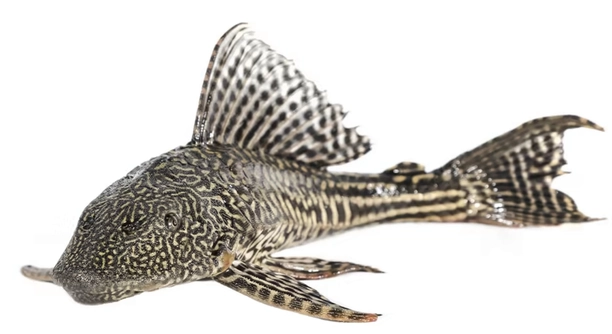
When it comes to caring for your Plecostomus, understanding its growth stages can be important. Knowing when they reach full size helps you create the ideal environment for them to thrive.
A Plecostomus typically reaches full growth at about 4-5 years of age, with males growing up to 12 inches and females sometimes reaching 15 inches. Growth rates depend on diet, tank size, and overall water quality.
The growth of a Plecostomus is influenced by various factors. Learning how to care for your fish will ensure it grows healthy and strong.
Plecostomus Growth Stages
Plecostomus fish grow in stages, and understanding these phases can help you provide the best care possible. At first, they start small, typically measuring only a few inches as juveniles. As they age, they experience a significant growth spurt, often doubling or tripling in size within the first year. It’s essential to monitor their growth closely, as their tank environment plays a crucial role in how quickly they mature.
The early stages of their growth usually require less attention, but as they grow, it’s vital to ensure that they have enough space to move around. A small tank can stunt their growth and lead to other health issues.
Maintaining the right water conditions, temperature, and diet are essential for their development. The type of food you provide also impacts their growth rate. Plecostomus thrive on a varied diet, including algae wafers and fresh vegetables. Ensure that their tank is adequately filtered to keep the water clean, as they are sensitive to poor water quality.
Factors Affecting Growth
Several factors influence how quickly a Plecostomus reaches full size. Tank size, water temperature, and diet all play important roles. The larger the tank, the more room they have to grow and the better their overall health.
Proper water conditions also contribute to a healthy growth rate. Regular water changes are essential to ensure that harmful toxins do not accumulate in the tank. As their environment improves, so does their growth potential. Be sure to provide them with a balanced diet that includes both plant matter and protein sources.
Ideal Tank Size for Growth
To help your Plecostomus grow to its full size, a spacious tank is essential. A tank that is too small can hinder their development. For optimal growth, a tank size of at least 75 gallons is recommended, especially for larger species.
A larger tank allows more room for swimming, which encourages healthy development. It also makes it easier to maintain water quality, as the larger volume dilutes waste and toxins. You can create an ideal environment by adding hiding spots like caves or plants, which will reduce stress. A comfortable fish is more likely to grow to its full size.
In addition to tank size, you should be mindful of the tank’s filtration system. Plecostomus are known for their algae-eating habits, but they also produce waste. A strong filter keeps the water clean and ensures your fish remains healthy. Regular maintenance, including cleaning the filter and changing water, is vital for maintaining a suitable environment.
Temperature and Water Conditions
Water conditions, including temperature and pH, significantly affect the growth of your Plecostomus. Aim to maintain a water temperature between 75°F and 80°F, as this range promotes healthy metabolic functions. The pH should be kept between 6.5 and 7.5.
Consistency in water temperature is key. Sudden fluctuations can stress the fish, leading to stunted growth or health problems. A stable environment allows the Plecostomus to grow at a steady pace and reach its full size.
Additionally, regular water testing is necessary to check for harmful substances. Plecostomus are sensitive to ammonia and nitrites, so you should always ensure these are kept at safe levels. A proper filtration system will help reduce toxins and maintain the balance of beneficial bacteria in the tank. Regular water changes will keep your Plecostomus in optimal condition, promoting steady growth.
Proper Diet for Growth
A proper diet is crucial to your Plecostomus’ growth. They require a variety of food sources, including algae wafers, vegetables, and occasional protein-rich options like bloodworms or brine shrimp. Providing this balance ensures they get the nutrients they need.
Feeding them vegetables such as zucchini, cucumber, or spinach can help promote healthy digestion and growth. These foods mimic the Plecostomus’ natural diet in the wild. Avoid overfeeding, as excess food can cause water quality issues and lead to obesity. Aim to feed small portions once or twice a day to keep them in optimal health.
A balanced diet provides the energy and nutrients needed for development. Algae wafers should make up a significant portion of their diet, but supplementing with fresh veggies ensures variety. A well-fed Plecostomus will grow steadily, staying healthy and active.
Monitoring Growth
As your Plecostomus matures, regular monitoring is important to ensure they are growing properly. Measure their size every few months to track their development. Growth rates can vary depending on care, but generally, they should grow about an inch per year.
Keep an eye on their behavior and health, too. A healthy fish will swim actively and eat consistently. If you notice a lack of growth or signs of illness, there may be an issue with their environment, diet, or water quality.
Regular Tank Maintenance
Regular tank maintenance is vital for promoting growth. Clean the tank and replace water as needed. Consistent care ensures a healthy environment for your Plecostomus to thrive in.
FAQ
How long does it take for a Plecostomus to reach full size?
A Plecostomus typically reaches full size in about 4 to 5 years. During this time, they gradually grow from a few inches to their full length, which can range from 12 to 15 inches, depending on gender and species. Growth may vary based on water quality, diet, and tank conditions.
Do Plecostomus grow faster in larger tanks?
Yes, Plecostomus tend to grow faster in larger tanks. A spacious environment gives them more room to swim, which encourages natural growth. Smaller tanks can stunt their growth, and the water quality tends to degrade faster, negatively impacting their health. A larger tank with proper filtration and maintenance supports steady growth.
What is the best diet for a Plecostomus?
Plecostomus thrive on a varied diet that includes algae wafers, vegetables, and protein-rich foods. They enjoy eating zucchini, spinach, and cucumber, and occasional protein like bloodworms or brine shrimp helps boost their growth. It’s important not to overfeed, as this can lead to water quality problems.
Can a Plecostomus be kept with other fish?
Yes, Plecostomus are generally peaceful and can be kept with other fish. However, they may be territorial, especially when they are young or during feeding time. It’s best to pair them with other peaceful species, and provide enough hiding spots to avoid stress.
How do I know if my Plecostomus is healthy?
A healthy Plecostomus is active, swims regularly, and shows a good appetite. They should have smooth, shiny skin without visible lesions or parasites. If you notice lethargy, lack of appetite, or unusual behavior, it could be a sign of stress or illness, and it’s time to check water quality and diet.
What temperature should the water be for a Plecostomus?
The water temperature should be maintained between 75°F and 80°F for optimal growth and health. Stable water temperature is important to prevent stress, which can affect their growth rate. Avoid sudden fluctuations, as this can lead to health problems.
Can I keep a Plecostomus in a tank smaller than 75 gallons?
While it’s possible, it’s not recommended for Plecostomus to be kept in tanks smaller than 75 gallons. These fish need ample space to grow and swim. A smaller tank can stunt their growth and result in poor water quality, affecting their overall health.
How often should I change the water in my Plecostomus tank?
Water changes should be done regularly to maintain a healthy environment. Aim for a 25-30% water change every 1-2 weeks. Regular water changes prevent the build-up of harmful toxins like ammonia and nitrites, which can stunt growth and harm your Plecostomus.
Do Plecostomus need a filter?
Yes, a filter is essential for maintaining water quality in a Plecostomus tank. These fish produce a significant amount of waste, and a strong filtration system helps keep the water clean by removing excess debris and toxins. Proper filtration supports the overall health and growth of your Plecostomus.
What size should a Plecostomus be when I buy it?
When you buy a Plecostomus, they are usually around 2 to 4 inches long. At this size, they are still growing and will require proper care to reach their full size. Be aware that these fish can grow significantly over the years, so plan for a larger tank as they mature.
Can Plecostomus live with shrimp or snails?
Plecostomus are often not ideal tankmates for shrimp, as they may eat small shrimp. Snails, however, are usually safe with Plecostomus, as they don’t tend to go after them. It’s essential to monitor interactions, as Plecostomus may occasionally nibble on smaller tankmates.
What kind of plants can I keep with a Plecostomus?
Plecostomus are known to be herbivores and may graze on plants, so choose sturdy plants that can tolerate some nibbling. Hardy plants like Anubias, Java fern, and Amazon sword are good choices. Avoid delicate plants, as they may not survive the occasional snacking.
Can a Plecostomus survive in freshwater?
Yes, Plecostomus are freshwater fish and should be kept in freshwater tanks. They thrive in slightly acidic to neutral pH levels, with a temperature range of 75°F to 80°F. Make sure to adjust water conditions accordingly to keep them healthy and growing.
How do I encourage faster growth in my Plecostomus?
To encourage faster growth, ensure that your Plecostomus has a large enough tank, a stable water environment, and a balanced diet. Regular water changes, a strong filtration system, and providing plenty of hiding spots will also reduce stress, which can help promote growth.
How can I tell if my Plecostomus is stressed?
Signs of stress in Plecostomus include hiding more than usual, rubbing against objects, loss of appetite, and erratic swimming. Stress can result from poor water quality, overcrowding, or incompatible tankmates. Check water conditions and make any necessary adjustments to reduce stress and encourage growth.
Do Plecostomus grow faster in warm water?
Warm water, within the recommended temperature range of 75°F to 80°F, can promote faster metabolism and growth in Plecostomus. However, temperatures that are too high can stress the fish, so it’s important to maintain stable and consistent water conditions for optimal growth.
How long do Plecostomus live?
In the right conditions, Plecostomus can live up to 10-15 years. Proper care, including appropriate tank size, water quality, and diet, is essential for ensuring they live a long, healthy life. They typically grow to their full size by the time they are 4-5 years old.
Final Thoughts
Understanding the growth of a Plecostomus is essential for their well-being. These fish require proper care and an appropriate environment to reach their full potential. By providing them with a suitable tank size, proper diet, and regular maintenance, you can ensure they grow steadily and stay healthy. Plecostomus are not particularly demanding, but they do need a consistent and clean environment to thrive.
When you choose to keep a Plecostomus, it’s important to remember that they will grow over time. They are not small fish, and they need enough space to move and develop. A tank of at least 75 gallons is ideal, as it allows them to swim freely and prevents overcrowding. In addition, maintaining good water quality with regular changes and appropriate filtration is crucial to their growth and health. These measures will help keep your Plecostomus in the best possible condition, contributing to its overall growth.
The key to helping your Plecostomus grow properly is maintaining balance in all aspects of their care. Providing a nutritious diet, ensuring they have enough space, and keeping their environment clean are the most important factors. With time and attention, you will see your Plecostomus grow into a healthy and active fish. By following these simple guidelines, you can ensure that your Plecostomus has a long and happy life in your aquarium.

Hello,
If you enjoy the content that we create, please consider saying a "Thank You!" by leaving a tip.
Every little bit helps us continue crafting quality advice that supports the health, happiness, and well-being of pets around the world, for pets of all shapes, sizes, and species.
We really appreciate the kindness and support that you show us!