
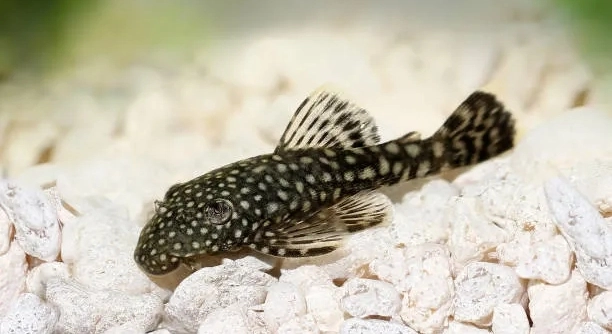
Do your plecostomus seem to be growing at a rapid pace, leaving you wondering how big they might eventually get? Understanding their growth patterns can help you manage their care and environment accordingly.
Plecostomus growth is influenced by factors such as genetics, diet, and tank conditions. If provided with proper nutrition, space, and a clean environment, plecostomus can grow significantly over time, with some species reaching up to 24 inches.
By paying attention to their care, you can support your plecostomus as they continue to thrive and grow. Understanding the signs will help you prepare for their growth stages.
1. Proper Diet Plays a Key Role in Growth
The type and amount of food you provide to your plecostomus directly affect how quickly they grow. Plecostomus are omnivores, which means they need a varied diet that includes both plant-based and protein-rich foods. Regularly offering them algae wafers, vegetables, and high-quality pellets will help ensure they are getting the nutrients they need. Supplementing with occasional live or frozen foods, such as brine shrimp or bloodworms, can also promote growth. However, overfeeding can lead to health problems, so it’s important to balance their meals.
A well-rounded diet should be tailored to the size and species of your plecostomus. Make sure to remove any uneaten food from the tank to maintain water quality. This will help keep the environment clean, which in turn supports better growth.
Maintaining a good feeding schedule ensures that your plecostomus receive the nutrients they need to grow properly. Healthy eating habits lead to more substantial growth, keeping them active and thriving in the tank.
2. Tank Size and Environment Matter
The size of your plecostomus’ tank plays a major role in its ability to grow. A cramped tank can stunt their growth and make them unhealthy. A larger tank provides more space for swimming, which is essential for their physical development. Additionally, a tank with plenty of hiding spots and smooth surfaces will keep them feeling secure.
The water temperature and quality are also crucial for optimal growth. Plecostomus prefer warm water with a stable temperature between 74°F and 80°F. Regular water changes and proper filtration will help keep the environment clean, ensuring the fish grow to their full potential.
3. Genetics and Species Determine Growth Potential
Each plecostomus species has its own growth rate and maximum size. While some species remain small, others can grow quite large, depending on their genetic makeup. For example, the common plecostomus can reach up to 24 inches, while the bristlenose pleco typically stays smaller, around 5 to 6 inches.
Understanding the specific type of plecostomus you own will help set expectations for their size. Some plecos may grow slowly, while others may experience rapid growth during certain stages of their life. Be mindful of these differences when planning their care and tank setup.
Genetics, combined with their environment, will determine how large they grow. Even within a species, there can be slight variations in growth rates, so don’t be alarmed if your plecostomus grows faster or slower than expected.
4. Consistent Water Quality is Essential
Water quality directly impacts the growth and overall health of your plecostomus. Plecos are sensitive to changes in water conditions, so maintaining consistent parameters is crucial. Regularly test your tank’s water for ammonia, nitrites, and nitrates, and make adjustments as needed.
A sudden spike in toxins like ammonia or nitrite can stress your plecostomus, stunting their growth or leading to illness. On top of that, plecostomus produce a lot of waste, so strong filtration is necessary to keep the water clean and oxygenated. This will create a healthier, more comfortable environment for them to grow.
By ensuring clean water, you reduce stress and give your plecostomus the best chance to grow to their full potential. Keep an eye on your water quality and take action as needed to maintain the right conditions.
5. Regular Tank Maintenance Supports Growth
Keeping your plecostomus’ tank clean is vital for its growth. Regular water changes and filter maintenance help maintain water quality, ensuring your pleco has a healthy environment. Dirty water can lead to stress and slow growth.
By ensuring your plecostomus has a clean tank, you create a stable environment. This makes it easier for them to thrive, leading to better overall growth. Regularly remove debris and vacuum the substrate to keep your pleco’s habitat as clean as possible.
6. Tankmates and Stress Levels Affect Growth
Plecostomus are peaceful but sensitive to stress, especially when housed with aggressive tankmates. Stress can hinder growth and overall health, so it’s important to choose tankmates carefully. Avoid keeping them with overly territorial fish that may nip at their fins or compete for space.
Stress can manifest as decreased appetite, hiding behavior, or sluggish movements. These signs can be indicators that your plecostomus is feeling overwhelmed, which could slow its growth. Provide plenty of hiding spots, plants, and territories within the tank to help reduce stress and create a calm atmosphere.
7. Temperature Fluctuations Can Impact Growth
Plecostomus prefer stable, warm water temperatures between 74°F and 80°F. If the water temperature fluctuates too much, it can affect their health and slow their growth. Consistent warmth ensures that their metabolism is running smoothly, which supports healthy development.
Sudden temperature changes, especially if they drop below the ideal range, can stress your plecostomus, leading to stunted growth and potential health issues. Using a reliable heater and a thermometer to monitor the water temperature will help maintain the right conditions for your plecostomus to grow.
FAQ
How fast do plecostomus grow?
Plecostomus growth varies by species, but on average, they grow at a rate of about 1 to 2 inches per year. Some plecos, such as the common plecostomus, can grow rapidly in their early years, especially when provided with optimal conditions. However, growth slows down as they reach maturity. Factors like diet, tank size, and water quality all play a role in how quickly they grow. Regular maintenance and proper care can ensure that they grow as expected.
Can plecostomus grow too big for my tank?
Yes, plecostomus can outgrow their tank. While some species of plecos remain small, others like the common pleco can grow up to 24 inches in length. It’s important to research the specific species of pleco you have and plan for the tank size accordingly. If you have a smaller tank, you might want to consider a smaller species of plecostomus. If your pleco grows too large for its tank, it can cause stress, which could affect its health and growth rate.
What type of food is best for plecostomus growth?
Plecostomus thrive on a varied diet, including algae wafers, fresh vegetables like zucchini and cucumber, and high-quality sinking pellets. Supplementing their diet with live or frozen foods such as brine shrimp or bloodworms can provide extra nutrients. A healthy, balanced diet is essential for their growth. However, be cautious not to overfeed, as this can lead to poor water quality and health issues. The right balance of foods will keep them healthy and help them grow to their full size.
How do I know if my plecostomus is stressed?
Stressed plecostomus may exhibit certain behaviors, such as hiding more frequently, a lack of appetite, or erratic swimming patterns. They might also develop a faded or dull color, which can be a sign that something is wrong in their environment. Stress can be caused by poor water quality, aggressive tankmates, or fluctuating water temperature. If you notice these signs, it’s essential to investigate and resolve the source of the stress. Reducing stress is key to promoting healthy growth.
Do plecostomus need a lot of space to grow?
Yes, plecostomus need a decent amount of space to grow properly. The minimum recommended tank size for a pleco is around 75 gallons, though this can vary depending on the species. Providing more space allows the plecostomus to swim freely, reducing stress and supporting growth. Crowding in a small tank can limit their growth potential and may lead to health problems. If you want your plecostomus to reach its full size, ensure the tank is large enough to accommodate it comfortably.
Can plecostomus live with other fish?
Plecostomus are generally peaceful fish, but their tankmates should be chosen carefully. They do well with other peaceful species but can be stressed if housed with aggressive or territorial fish. Plecos are bottom dwellers, so it’s important to ensure other fish don’t compete for space on the tank floor. Also, avoid fish that might nip at their fins, as this can cause stress. When kept with compatible tankmates, plecostomus can thrive and grow properly.
What temperature is best for plecostomus growth?
The ideal water temperature for plecostomus is between 74°F and 80°F (23°C and 27°C). Maintaining this temperature range supports proper metabolism and growth. If the water is too cold, their growth may slow down, and their immune system may weaken, making them more susceptible to diseases. Conversely, temperatures that are too high can cause stress and increase the risk of oxygen depletion in the water. A stable, warm temperature is crucial for ensuring healthy growth and development.
What is the best way to prevent plecostomus from getting too big?
To prevent your plecostomus from growing too large, consider choosing a species that stays small, such as the bristlenose pleco. Regular maintenance of water quality and monitoring the fish’s diet can also help regulate growth. Additionally, smaller tanks can limit the available space, which may naturally slow growth. However, it’s important to note that even in small tanks, limiting the tank size is not an ideal solution. It’s better to provide adequate space and focus on proper care to avoid stunting their growth.
Do plecostomus need special care to grow big?
Yes, plecostomus require specific care to grow to their full potential. Proper diet, clean water, stable temperature, and a sufficiently large tank are essential factors that contribute to their growth. It’s important to avoid overcrowding in the tank and regularly check water parameters to ensure optimal conditions. With the right environment and care, plecostomus can grow quickly and healthily.
How long do plecostomus live?
Plecostomus can live anywhere from 10 to 15 years, depending on the species and the quality of their care. Proper tank maintenance, a balanced diet, and stable water conditions can help your plecostomus reach its full lifespan. It’s essential to monitor their health throughout their life to ensure they live a long, healthy life.
Final Thoughts
When it comes to growing a healthy plecostomus, several factors play a crucial role. From providing the right tank size and water conditions to maintaining a balanced diet, each element contributes to your pleco’s overall well-being. By understanding their needs and creating an environment that meets those requirements, you can encourage steady growth and a long, healthy life for your plecostomus. The most important thing is to be consistent with your care routine, as this helps ensure that your pleco thrives in your aquarium.
It’s also essential to keep in mind that growth rates can vary depending on the species of plecostomus you have. Some species are naturally larger and grow faster, while others may remain smaller. Researching your specific pleco’s species will help you set realistic expectations for its growth. Additionally, making adjustments to their environment as they grow, like upgrading the tank size or adding more hiding spots, can help keep them comfortable. A happy pleco will be a growing pleco, so keeping stress levels low and providing the right space is just as important as their diet.
Finally, monitoring the health and behavior of your plecostomus is key to ensuring they are growing at a healthy rate. Signs of stress or poor health should not be ignored, as these can slow their growth and lead to other complications. Regular water changes, temperature checks, and keeping an eye on their eating habits will go a long way in preventing issues. By being attentive to their needs and adjusting when necessary, your plecostomus can grow to their full potential, providing beauty and balance to your aquarium for many years.

Hello,
If you enjoy the content that we create, please consider saying a "Thank You!" by leaving a tip.
Every little bit helps us continue crafting quality advice that supports the health, happiness, and well-being of pets around the world, for pets of all shapes, sizes, and species.
We really appreciate the kindness and support that you show us!