
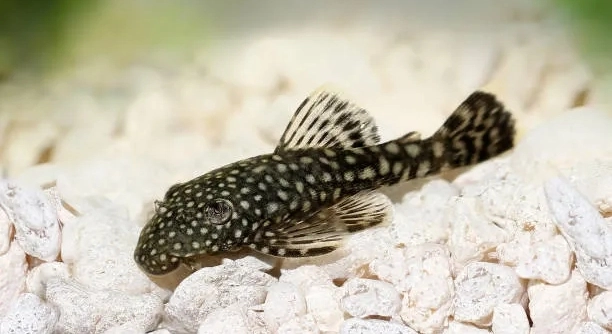
Is your plecostomus displaying unusual behavior or reacting differently to you? Understanding how your pleco shows affection can help deepen your bond. Plecostomus, like many pets, have their unique ways of expressing their feelings.
A plecostomus may show affection through behaviors such as swimming near you, following your hand, or accepting food directly from your fingers. These actions can be a sign that your fish recognizes and feels comfortable around you.
Knowing how to interpret your pleco’s actions will help you understand their behavior better. Pay attention to their habits and reactions for a stronger connection.
Understanding Plecostomus Behavior
Plecostomus, like many aquarium fish, have subtle ways of showing affection. If your pleco regularly comes to the glass when you approach, it might be curious about you. They may swim to the surface when you’re near, or even follow your hand along the tank. These actions can indicate comfort, trust, and a bond. Keep in mind that plecos are naturally independent, so they might not seek constant attention like other pets. It’s important to note that some plecos, depending on their species, have different behaviors that could also be influenced by their environment.
Understanding these behaviors takes time, as plecos often have varying activity patterns. Watch for signs that your pleco is more active when you’re present. For example, a pleco may actively search for food when you are around, or it may swim near you for extended periods.
When a pleco is in a healthy environment, its behavior becomes more predictable and relaxed. This makes it easier to notice small changes that may reflect its comfort level. The more familiar your pleco becomes with you, the more likely it is to show subtle signs of affection.
Recognizing Affection Through Feeding Habits
Plecostomus often show trust through their feeding habits. If your pleco allows you to hand-feed it, this can be a clear indication of its comfort. These fish may initially shy away from your hand but will eventually associate it with food. This gradual trust-building process can be a way to gauge your pleco’s feelings toward you.
A pleco that eagerly takes food from your fingers demonstrates its growing comfort and recognition. Additionally, they may start to actively search for food when you approach, showing they trust you to provide nourishment.
Plecostomus Body Language
Plecostomus can communicate affection through body language. If your pleco swims in circles or stays near the front of the tank when you’re around, it may be a sign of attachment. This behavior shows curiosity and comfort.
When a pleco feels at ease, it might even stretch its fins or remain motionless in the same spot for longer periods. If it interacts with the tank decorations or moves freely around the tank, it likely feels secure. A relaxed pleco will also show less aggression and more peaceful swimming patterns.
In addition, a pleco that shows interest in its surroundings when you approach can also be demonstrating trust. Pay attention to the frequency and consistency of these actions. The more consistent the behavior, the more likely it is that your pleco feels comfortable and connected with you.
Environmental Factors
The environment plays a significant role in how your plecostomus interacts with you. A well-maintained tank with proper lighting, water quality, and space is essential for comfort. Without these, your pleco may be more distant.
Your pleco will be more likely to express affection if it feels safe and stress-free. Factors like water temperature and filtration affect behavior; a calm environment encourages interaction. If your pleco constantly hides or remains at the bottom of the tank, it might be a sign that something in the environment is off. Make sure the conditions support its well-being.
Plecostomus Interaction with Other Tankmates
Plecostomus often exhibit affection by maintaining peaceful interactions with other fish in the tank. A pleco that isn’t territorial or aggressive is more likely to feel comfortable and secure in its environment.
If your pleco seems relaxed and non-confrontational around other fish, this can indicate a sense of safety and contentment. It shows that the pleco is not feeling stressed or threatened, allowing it to focus on building a bond with you.
Plecos generally prefer solitude, so their calm behavior around other tankmates reflects a comfortable environment. If they are peaceful with others, it can be a sign that they are not overwhelmed by their surroundings and can feel connected with you.
The Role of Tank Size
The size of your tank can directly impact how much affection your pleco shows. A spacious tank allows your pleco to move freely, which can result in more active behavior when you’re near.
A tank that’s too small will restrict your pleco’s movement and could lead to stress. This may cause the pleco to become more reclusive and less interactive. Ensuring your pleco has enough space to swim comfortably will promote a sense of security and increase the likelihood of affectionate behavior.
Tank Maintenance and Affection
Keeping your tank clean and well-maintained can significantly affect how your plecostomus interacts with you. If your pleco is in an optimal environment, it will be more likely to show signs of affection. Clean water and the right substrate make for a healthy, stress-free pleco.
Regular water changes, proper filtration, and monitoring water parameters help maintain a comfortable space for your pleco. If the environment is ideal, the pleco will feel secure enough to express itself and be more engaged with its surroundings.
FAQ
How can I tell if my plecostomus likes me?
Plecostomus often show affection by swimming near you, following your hand, or becoming more active when you’re around. If your pleco willingly accepts food from your hand or swims to the glass when you approach, these are good signs that it is comfortable and recognizes you.
Why does my plecostomus hide all the time?
Hiding can be a sign of stress or discomfort. If your pleco hides for long periods, check its environment. Poor water quality, an overcrowded tank, or an unbalanced tank setup can all cause stress. Make sure the water parameters are optimal and the tank has enough hiding spots, but not too many.
Is it normal for a plecostomus to ignore me?
Yes, plecos are naturally independent fish and may not always seek attention. If your pleco doesn’t interact with you regularly, it’s likely just its personality. As long as it’s eating well and behaving normally, there’s no need to worry.
How do I build trust with my plecostomus?
Building trust takes patience. Start by maintaining a stable environment with proper water conditions. Gradually offer food from your hand, allowing your pleco to get used to your presence. Avoid sudden movements, as this could scare your pleco. Over time, it may become more interactive.
Do plecostomus recognize their owners?
Yes, plecos can recognize their owners, especially if they consistently see the same person caring for them. They may come to the front of the tank or swim toward you when you approach, a sign that they associate you with food and care.
How can I tell if my plecostomus is stressed?
Stress in plecostomus is often marked by behavior changes like hiding, not eating, or becoming lethargic. If your pleco is constantly hiding or exhibiting erratic movements, it could be stressed due to poor water quality, overcrowding, or incompatible tankmates.
What is the ideal tank setup for a plecostomus?
A plecostomus thrives in a tank with plenty of swimming space, hiding spots, and clean water. The tank should be at least 75 gallons, depending on the species, with a strong filtration system to keep the water clear. Smooth rocks, driftwood, and plants are ideal for creating a comfortable habitat.
Why is my plecostomus not eating?
If your pleco stops eating, it could be a sign of stress or poor water conditions. Make sure the tank is clean, the water temperature is stable, and the pleco’s diet is appropriate. If the problem persists, check for potential health issues or consult an aquarium expert.
How often should I feed my plecostomus?
Plecostomus are primarily nocturnal feeders, meaning they will eat best at night. They need a varied diet that includes algae wafers, vegetables like zucchini, and occasional protein. Feed them 2-3 times a week, but make sure to adjust based on their activity levels and the tank environment.
Can plecostomus live with other fish?
Plecostomus can live with many other peaceful fish, but it’s important to avoid aggressive species. They are bottom-dwellers and prefer to have their own space, so choose tankmates that won’t compete for food or territory. It’s also crucial to monitor tank size and water conditions to ensure everyone is comfortable.
How do I know if my plecostomus is healthy?
A healthy plecostomus should be active, have a smooth body with no visible injuries or signs of disease, and eat regularly. Its colors should be vibrant, and it should swim freely. If your pleco seems lethargic, has abnormal spots, or isn’t eating, it might be ill and need attention.
Why does my plecostomus suck on the glass?
Plecostomus use their sucker mouths to feed on algae and biofilm that grows on the tank glass. It’s a natural behavior and indicates that your pleco is foraging. If your pleco is constantly on the glass, it’s likely looking for food. Make sure to provide a varied diet, so it doesn’t rely solely on the tank surface.
Do plecostomus need a heater?
Yes, plecostomus require a stable water temperature to thrive, typically between 72°F and 82°F (22°C – 28°C). A heater ensures the water stays within this range. Sudden temperature fluctuations can stress your pleco, so using a reliable aquarium heater is essential.
How long do plecostomus live?
On average, plecostomus can live for 10 to 15 years with proper care. Their lifespan can vary depending on water conditions, tank size, and diet. Providing a stable and healthy environment helps ensure a long life for your pleco.
What are the signs of a sick plecostomus?
Signs of illness in a plecostomus include abnormal swimming behavior, loss of appetite, white spots on the body, or unusual markings. If you notice any of these symptoms, it’s important to check the water quality and consider consulting an aquarium veterinarian if the condition persists.
Do plecostomus need a lot of care?
Plecostomus are relatively low-maintenance but require consistent care. They need a properly filtered tank, regular water changes, and a varied diet. Although they are hardy fish, maintaining a stable environment is key to their well-being and long-term health.
Can I breed plecostomus in my aquarium?
Breeding plecostomus in captivity can be challenging. It requires a large, well-maintained tank with specific water conditions. Additionally, plecos are egg layers and prefer to breed in caves or other hiding spaces. If breeding is your goal, research the specific species you have and ensure optimal tank conditions.
Final Thoughts
Caring for a plecostomus requires patience and attention to their specific needs. These fish may not always show immediate signs of affection, but with a proper environment and regular care, they can develop a bond with their owners. Plecos are known for their independent nature, so it’s essential to understand that they may not seek interaction as much as other types of fish. Nonetheless, when they do engage, it’s often a sign of trust and comfort.
Establishing a healthy and stable environment is key to encouraging positive behaviors from your plecostomus. Ensure that the tank is properly maintained, with clean water, appropriate filtration, and plenty of space for the pleco to swim. A large tank with smooth surfaces and hiding spots will provide your pleco with the freedom it needs to feel secure. Regular water testing and maintenance can help you avoid many common issues that could lead to stress or health problems for your pleco.
Ultimately, understanding your plecostomus and respecting its natural tendencies is essential for fostering a relationship. It’s important to give them space and time to adjust to their surroundings and offer them a varied diet to keep them healthy. While they may not display constant affection, a pleco that feels safe and well cared for will show its own signs of appreciation, from coming to the front of the tank to following your hand. With time, your plecostomus can thrive in its environment, and you can enjoy observing its unique behaviors and growth.

Hello,
If you enjoy the content that we create, please consider saying a "Thank You!" by leaving a tip.
Every little bit helps us continue crafting quality advice that supports the health, happiness, and well-being of pets around the world, for pets of all shapes, sizes, and species.
We really appreciate the kindness and support that you show us!