
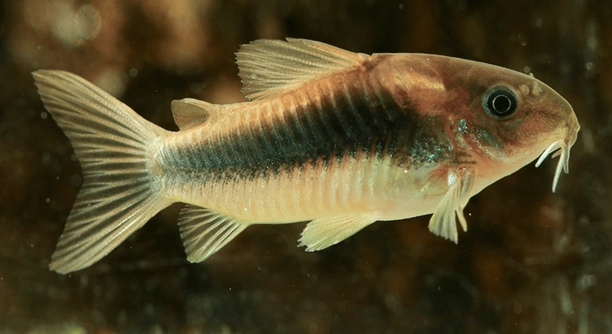
Corydoras catfish are small, peaceful creatures that can bring joy to any aquarium. However, they are sensitive to water quality, temperature, and tank conditions. Ensuring their well-being is crucial for a thriving aquarium.
To keep Corydoras catfish safe, it is important to maintain optimal water parameters, provide a balanced diet, and prevent sudden changes in their environment. Regular water changes and proper tank filtration are also key to their health and safety.
By focusing on these factors, you can improve the conditions of your tank. Keeping an eye on water quality and making adjustments as needed will help your Corydoras live a long, happy life.
Maintain Proper Water Quality
Corydoras catfish are highly sensitive to poor water quality. Ammonia, nitrite, and nitrate levels must be kept under control. Excessive waste buildup can create toxic conditions that harm your fish. To maintain good water quality, test the water regularly using an aquarium kit. Make sure the pH, hardness, and temperature are ideal for Corydoras, typically ranging between 72-79°F. Keep the tank clean by removing uneaten food and debris, which can decompose and contaminate the water.
A good filtration system is essential for removing impurities. Regular water changes are necessary, ideally 25-30% of the tank’s water every week. This helps keep the water fresh and balanced, preventing harmful toxins from accumulating.
Investing in a reliable filter and a water testing kit can help you spot potential issues early. With these tools, you can adjust the water conditions accordingly, ensuring a safe environment for your Corydoras catfish to thrive. Regular monitoring of water parameters will help prevent long-term health problems for your fish.
Temperature and Tank Setup
The temperature of the tank plays a big role in the health of your Corydoras catfish.
A consistent temperature range between 72-79°F is best. Temperature fluctuations can stress your fish, leading to weakened immune systems. Avoid placing the tank near heaters, windows, or air conditioners, as these can cause temperature changes. Using a reliable aquarium heater can help maintain a stable environment.
Proper Tank Size
Corydoras catfish need ample space to move around comfortably. A tank that is too small can lead to stress, which affects their health. For a small group of Corydoras, a tank of at least 20 gallons is ideal.
Larger tanks offer more stability in terms of water quality and temperature, making it easier to maintain a healthy environment. Corydoras are social creatures and do best in schools, so provide enough room for at least six fish. When the tank is cramped, your fish may display signs of stress, such as hiding or reduced activity.
A well-sized tank also allows for proper filtration and the ability to add plants, caves, and other decorations. These additions help mimic the natural environment and provide hiding spots that keep your fish comfortable and secure. Make sure the tank’s dimensions allow for plenty of swimming space.
Avoid Strong Water Currents
Corydoras prefer calm waters and do not thrive in tanks with strong water currents.
Too much water movement can tire them out and cause stress. Use a filter with adjustable flow settings or install a sponge filter to keep the current mild. Make sure the water flow isn’t too strong for your catfish, especially if they are hiding in the substrate.
Avoid placing the filter too close to the substrate, as this can disrupt their natural digging behavior. Keep in mind that Corydoras are bottom dwellers, so they like to sift through the sand for food. Strong currents can make this challenging, affecting their feeding habits.
Avoid Sudden Water Changes
Corydoras catfish are sensitive to sudden shifts in water conditions. Large or frequent water changes can shock their systems, leading to stress or illness.
Instead of making drastic changes, replace about 20-30% of the water every week. This helps to maintain stable water quality while avoiding harmful fluctuations. Always ensure that the replacement water matches the tank’s temperature and pH levels.
Slow, consistent changes are easier for your Corydoras to adapt to, reducing the risk of health issues. This method will also prevent any sudden disruptions to their environment, helping them feel safe and comfortable.
Monitor Diet
A balanced diet is essential for the health of Corydoras. They are opportunistic feeders, which means they will eat a variety of foods, including sinking pellets, frozen or live foods like bloodworms, and some vegetables.
Offer them small portions multiple times a day to mimic their natural feeding behavior. Avoid overfeeding, as excess food can pollute the water and cause health problems. A varied diet ensures they receive the right nutrients to stay healthy and active.
FAQ
How often should I change the water in my Corydoras tank?
Water changes are essential for keeping your Corydoras healthy. Aim to replace 25-30% of the water every week. This helps to remove waste, excess nutrients, and toxins that may build up in the tank. Regular changes also keep the water quality stable, reducing the risk of harmful bacteria or parasites. Ensure the new water is conditioned and matches the tank’s temperature and pH levels to avoid shocking your fish.
Can Corydoras live with other fish?
Yes, Corydoras catfish are peaceful and social, making them great tank mates for most other non-aggressive species. They do well in community tanks, especially with other peaceful bottom dwellers. Avoid keeping them with aggressive fish or species that may nip at their fins. Corydoras tend to stay at the bottom of the tank, while many other fish swim in the middle or top layers, reducing the chance of conflict.
What temperature is best for Corydoras catfish?
Corydoras catfish thrive in temperatures between 72°F and 79°F (22°C – 26°C). Keeping the tank at a consistent temperature within this range is important to avoid stress. Rapid temperature fluctuations can weaken their immune system and lead to disease. A reliable aquarium heater can help maintain a stable environment, especially in colder areas where room temperature can fluctuate.
How many Corydoras should I keep together?
Corydoras are schooling fish and do best when kept in groups. It’s recommended to have at least 6 Corydoras in a tank to help them feel secure. A small group allows them to engage in their natural behaviors, such as foraging and socializing. Larger groups will also encourage them to swim more actively, helping to reduce stress.
Can Corydoras eat flake food?
While Corydoras will accept flake food, it’s not the best option for them. Flake food floats on the surface, and since Corydoras are bottom dwellers, they may not get enough to eat. Sinking pellets or tablets designed for bottom feeders are a better choice. You can also supplement their diet with live or frozen food such as bloodworms, brine shrimp, or daphnia for added nutrition.
Are Corydoras catfish hard to care for?
Corydoras catfish are relatively easy to care for, making them perfect for beginners. They require stable water conditions, a gentle filter, and a balanced diet. As long as you maintain proper water quality, keep the tank free from sharp decorations that could damage their sensitive barbels, and offer them food they enjoy, they will thrive.
Why do Corydoras catfish bury themselves in the substrate?
Corydoras catfish are natural burrowers. They often bury themselves in the substrate to search for food or to hide. This behavior is normal and indicates that they are comfortable in their environment. Make sure the substrate is soft, such as fine sand, to prevent damage to their barbels, which are sensitive and used for digging.
Can Corydoras live without a filter?
While it’s technically possible for Corydoras to survive in a tank without a filter, it’s not ideal. A filter helps to remove waste and maintain water quality. Without proper filtration, harmful toxins like ammonia and nitrites can build up quickly, which can stress or even harm your fish. If you must keep them in a tank without a filter, make sure to change the water frequently and keep the tank clean.
What is the best substrate for Corydoras catfish?
Corydoras prefer soft, fine sand or smooth gravel as substrate. They use their barbels to sift through the substrate in search of food, and rough or sharp surfaces can damage these delicate sensory organs. Sand is the best option as it allows them to dig and search for food without risk of injury. Avoid using large rocks or sharp gravel.
Do Corydoras need a heater?
If your home’s temperature falls below the ideal range for Corydoras (72°F to 79°F), you will need a heater. Cold water can stress your fish and affect their immune system. A reliable heater will keep the tank at a stable temperature, ensuring that your Corydoras remain comfortable and healthy. Make sure to use a heater with an adjustable thermostat to control the temperature accurately.
Final Thoughts
Caring for Corydoras catfish can be a rewarding experience if you maintain a stable and healthy environment for them. These small, peaceful fish thrive in well-maintained tanks with good water quality, proper temperature, and plenty of space to swim. They are relatively low-maintenance compared to other aquarium species, but they do have specific needs that should be met to keep them happy and healthy. Regular water changes, monitoring water parameters, and providing a balanced diet will go a long way in ensuring your Corydoras live a long, active life.
By paying attention to their preferences, like having soft substrate and avoiding strong water currents, you help reduce stress and allow them to engage in their natural behaviors. Keeping Corydoras in groups of at least six fish will also help them feel more comfortable and secure. Their social nature means they benefit from the company of other Corydoras, making them less likely to hide and more likely to swim around, contributing to a healthier and more active tank environment. Just remember to avoid overcrowding the tank and always ensure that your fish have enough space.
Overall, maintaining the right tank conditions is key to preventing health issues and ensuring the well-being of your Corydoras catfish. These fish are sensitive to changes in their environment, so consistency is important. With the right care, your Corydoras will not only survive but thrive, adding beauty and personality to your aquarium. Keeping these simple tips in mind will help you create the best possible home for your catfish, ensuring that they remain happy, healthy, and stress-free for years to come.

Hello,
If you enjoy the content that we create, please consider saying a "Thank You!" by leaving a tip.
Every little bit helps us continue crafting quality advice that supports the health, happiness, and well-being of pets around the world, for pets of all shapes, sizes, and species.
We really appreciate the kindness and support that you show us!