
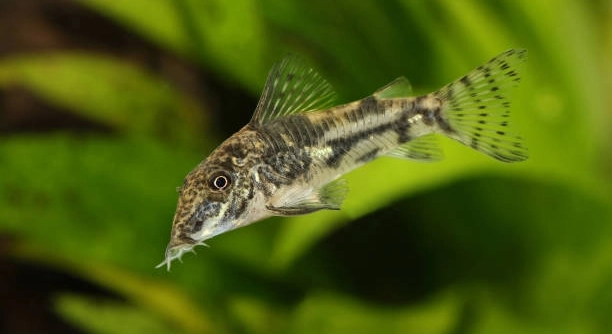
Corydoras catfish are peaceful creatures often kept in aquariums, but their well-being can be affected by various factors. One of these is the presence of plants in their environment, which can make a big difference to their comfort.
Corydoras catfish may need more plants if they exhibit signs of stress, lack of hiding spots, or are struggling to thrive. Plants provide natural cover, help improve water quality, and offer enrichment, which is essential for their well-being.
By understanding the signs that your Corydoras catfish needs more plants, you can help improve their environment. These indicators will guide you in making necessary adjustments for their health and happiness.
Lack of Hiding Spots and Shelter
Corydoras catfish are shy creatures that thrive in environments where they feel safe. When their tank lacks sufficient hiding spots or plants, they may become stressed. This stress can affect their eating habits, and they may spend more time hiding at the bottom of the tank, avoiding interaction with other fish. In the wild, Corydoras often seek refuge under rocks and plants, so providing these elements in their aquarium is essential for their overall well-being. Without the cover, they are likely to feel exposed, which can lead to poor health.
Sometimes, it’s easy to overlook the importance of hiding spots. You might think they’ll be fine without them, but for these sensitive fish, it can make a big difference.
To improve their comfort, consider adding more plants or aquarium decorations that create small caves or shaded areas. These features will encourage natural behaviors, such as foraging and resting, which are crucial for a healthy, happy Corydoras catfish. You’ll see them venture out more often, showing signs of a more relaxed and healthy fish.
Water Quality Issues
Good water quality is key to keeping any aquarium healthy, and Corydoras catfish are no exception. If their water isn’t clean enough, they may become lethargic or spend more time at the bottom of the tank. Plants help absorb excess nutrients, making the water cleaner and more oxygenated. In a tank with insufficient plants, harmful toxins can build up quickly, leading to poor water conditions. Adding plants can significantly improve water quality, benefiting the catfish’s health.
Plants serve as a natural filter by absorbing nitrates and phosphates, reducing the risk of algae blooms and making the environment more stable. Without this help, your Corydoras may start showing signs of stress such as unusual swimming patterns or reduced activity. They might also seem to avoid certain areas of the tank, especially where water quality is poorer. As they need clean water to thrive, it’s important to maintain proper filtration along with adequate plants.
Adding plants like java ferns or anubias can provide natural filtration, helping to balance the water’s chemical levels. This not only helps your Corydoras but benefits all your tank inhabitants by improving overall water conditions.
Reduced Activity and Movement
If your Corydoras catfish starts spending most of their time hiding or remains stationary in the same spot, it might be a sign that something is wrong with their environment. They are naturally active and curious, often scavenging for food and exploring the tank. When they feel unsafe or uncomfortable, they tend to move less, hiding in places without plants or decorations. A lack of plants can make them feel exposed, leading to more time spent motionless.
This reduced activity may also be a sign that they are stressed or not getting enough stimulation. Corydoras are bottom dwellers, and they usually enjoy digging through the substrate or searching for food among plants. If they aren’t doing this, it could indicate that their habitat lacks the enrichment they need. Without enough hiding spots or plants, they may also feel insecure, which leads to inactivity.
To encourage movement, adding plants like java moss or water sprites can provide them with both cover and stimulation. The plants create a more natural environment, allowing them to exhibit their usual curious behavior and feel less threatened. You may notice your catfish becoming more active as they explore their surroundings.
Struggling to Find Food
Corydoras catfish are bottom feeders, so they rely on scavenging in the substrate or plant matter for food. If your catfish is struggling to find food, it could be because the tank lacks sufficient plant cover or hiding spots that help them forage effectively. Plants can act as both hiding spots and areas where food particles settle, making it easier for your Corydoras to find their meals. Without this, they may miss out on food or feel too stressed to eat properly.
In tanks without enough plants, food might not settle in places where Corydoras can easily reach it. They might struggle to find scraps of food on the substrate, or the lack of plant life can cause food to be quickly swept away or consumed by other fish. This issue often results in malnutrition or weight loss. Adding plants will give them better opportunities to forage naturally.
Ensuring your Corydoras have easy access to food is crucial to their health. The addition of plants such as hornwort or water lettuce can help keep food within their reach and prevent it from floating away. You’ll likely see your catfish becoming healthier and more active once they have access to proper nutrition.
Poor Water Flow and Circulation
If your Corydoras catfish is spending too much time in one area or seems lethargic, poor water flow could be the issue. They prefer gentle currents to help them move easily, and a tank with no plants or proper water movement might not provide this.
In tanks with limited plants, water flow can become stagnant, leading to poor oxygenation and an uncomfortable environment for your Corydoras. Plants help to break up water flow, providing them with areas of calm water and improving circulation. Without plants, the water may feel still and lifeless to your fish.
Adding more plants will not only enhance water movement but also give your Corydoras places to rest or hide while still allowing them to swim comfortably. A well-planted tank provides a balance between areas of gentle flow and more active spots, keeping your fish healthy and happy.
Overcrowded Tank Conditions
An overcrowded tank can lead to stress for Corydoras catfish. When there are too many fish, especially in a tank lacking enough plants, they may feel crowded and unable to escape aggressive behaviors from other fish. Overcrowding leads to competition for space, food, and hiding spots.
Corydoras need space to move around freely and enough plants to feel comfortable. When tanks are overcrowded, their health can quickly decline. Plants provide natural hiding spots, so when the fish need a break, they can retreat to these areas. Additionally, plants help improve water quality by filtering excess waste, which is crucial in a tank with many fish.
It’s important to monitor the population in your tank and ensure there’s enough space for each fish. Adding plants like floating ones or large-leaf varieties can create more space for your Corydoras to retreat to, which will reduce stress and improve their overall health.
Inadequate Tank Maintenance
If your tank isn’t well-maintained, it can lead to issues for your Corydoras. The absence of enough plants could result in poor water quality, which negatively impacts your fish. Plants help filter the water, so when there’s not enough plant life, the water can quickly become toxic.
Regular tank maintenance is essential for keeping your Corydoras healthy, but plants are a natural way to assist with this process. Without them, you might struggle to keep your tank in balance. Plants help absorb waste and maintain water chemistry, so an aquarium with more plants may require less frequent water changes, and your fish will benefit from cleaner water.
Consider adding live plants like anubias, which are hardy and easy to care for. Not only will they improve water quality, but they’ll also provide a healthier environment for your Corydoras catfish, promoting better behavior and overall well-being.
FAQ
How many plants do Corydoras catfish need in their tank?
There’s no exact number of plants, but having a good amount of them is crucial. It’s best to include a mix of plants that provide hiding spots, cover, and help with water filtration. A tank with a few larger plants, like anubias or java fern, and smaller plants like moss or floating plants can work well. The more natural elements your Corydoras have, the better. Too few plants can cause them stress, while overcrowding with plants may limit swimming space, so aim for a balance that gives them enough areas to explore and hide.
What type of plants are best for Corydoras catfish?
Low-maintenance, hardy plants are best for Corydoras. Some great choices include java fern, anubias, hornwort, and crypts. These plants can thrive in the conditions Corydoras enjoy, like low light and cooler water temperatures. Floating plants like duckweed or water lettuce can also be helpful for creating shaded areas and adding more cover. It’s important to choose plants that won’t outgrow the tank quickly or block water flow, as Corydoras need to have access to clean, moving water.
Can I add artificial plants for Corydoras catfish?
While artificial plants can add decoration, they do not provide the same benefits as live plants. Live plants help filter the water, create natural hiding spaces, and improve water quality, all of which are important for Corydoras. Artificial plants can’t do this and might even cause problems like poor water circulation or difficulty cleaning. If you must use artificial plants, make sure they have no sharp edges that could harm your fish.
How do I know if my Corydoras are stressed due to lack of plants?
When Corydoras are stressed from an environment without enough plants, they often become more inactive, hiding in one spot for long periods. They may also stop foraging or show signs of poor health, such as faded colors or erratic swimming. A stressed Corydoras catfish may also have a reduced appetite, avoiding food or struggling to find it. If you notice these signs, adding more plants or improving the environment can make a big difference in their comfort.
Is it necessary to have live plants to keep Corydoras happy?
While live plants are ideal, Corydoras can still survive without them as long as other conditions are met. However, live plants provide many benefits, such as natural cover, water filtration, and enrichment for your catfish. Without plants, it might be harder to keep the water clean, and your Corydoras may become stressed. If you can’t have live plants, make sure to provide other forms of shelter, like rocks, caves, or decorations, to help mimic a more natural environment.
How do plants help improve water quality for Corydoras catfish?
Plants play a key role in keeping water clean by absorbing excess nutrients like nitrates and phosphates. In a tank with Corydoras, plants act as a natural filter, preventing these nutrients from building up and causing harmful algae blooms. They also help oxygenate the water, making it healthier for your fish. Plants also help break down waste, keeping the water quality stable, which is essential for maintaining the overall health of your Corydoras catfish.
How can I maintain plants in my Corydoras tank?
Maintaining plants in a Corydoras tank is relatively simple, as long as you provide the right environment. Regular trimming is important to prevent overgrowth, which can block water flow. Keep the lighting on a consistent schedule, as most plants thrive in low to moderate lighting. Regularly check the water parameters, like pH and temperature, to ensure they stay within the range that both your plants and Corydoras prefer. Additionally, adding a nutrient-rich substrate can help plants grow stronger and healthier.
Can Corydoras catfish live with other types of plants?
Yes, Corydoras can live with many types of plants, as long as the plants don’t disrupt the tank environment. Fast-growing plants like elodea or cabomba can be good choices since they help with water filtration. However, you’ll want to avoid plants that grow too large or have sharp edges that could harm your fish. Make sure to provide plants that offer hiding spots, but also allow your Corydoras to swim freely.
Do Corydoras catfish benefit from floating plants?
Yes, Corydoras catfish can benefit from floating plants. These plants provide natural cover and shade, which can make the fish feel more secure. Floating plants like duckweed or water lettuce also help improve water quality by absorbing excess nutrients. While they shouldn’t cover the entire surface, having some floating plants can mimic the natural environment of Corydoras, where they would encounter shaded areas and sheltered spots.
Are there any specific care tips for Corydoras catfish in a heavily planted tank?
In a heavily planted tank, the main care tip is to maintain proper water quality and avoid overfeeding. Plants help filter the water, but they won’t keep the tank entirely clean if there’s too much waste. Be sure to clean the substrate regularly to prevent leftover food and debris from accumulating. Also, make sure that the plants don’t overcrowd the tank, which could reduce swimming space for your Corydoras. Keep an eye on water parameters, especially if you have a lot of plants, as they can affect levels of CO2, oxygen, and nutrients.
What happens if there are too many plants in a Corydoras tank?
Too many plants can cause problems for Corydoras catfish. While plants are beneficial, overcrowding can block water flow, reduce swimming space, and make the tank harder to clean. It can also lead to oxygen depletion at night when plants consume oxygen without producing it. To avoid this, trim plants regularly and create open spaces in the tank for your Corydoras to swim freely. The goal is to have enough plants for shelter and water filtration without overwhelming the tank environment.
Final Thoughts
Corydoras catfish are peaceful and low-maintenance fish, but their well-being depends on a few key factors, one of which is the environment they live in. Plants play a significant role in creating a comfortable and healthy habitat for your Corydoras. They help provide hiding spots, improve water quality, and offer stimulation, all of which are important for the catfish’s overall health. Without enough plants, your Corydoras may become stressed, less active, or even start to show signs of illness. Understanding the importance of plants can help you create an environment where your fish can thrive.
Adding plants to your tank doesn’t have to be difficult or expensive. Simple, hardy plants like anubias, java fern, and hornwort can make a big difference. These plants help filter the water, making it cleaner and safer for your Corydoras. They also provide a sense of security, which is crucial for these bottom-dwelling fish. In addition to live plants, providing other forms of shelter, such as caves or rocks, can also help your Corydoras feel safe. This will reduce stress and encourage more natural behaviors like foraging and exploring.
It’s important to keep in mind that while plants are essential, balance is key. Too many plants can overcrowd the tank, reducing space for your Corydoras to swim. Regular maintenance, such as trimming plants and cleaning the tank, will ensure a healthy environment for both your fish and plants. By adding the right amount of plants and paying attention to your Corydoras’ needs, you can create a thriving aquarium where your fish are happy and healthy.

Hello,
If you enjoy the content that we create, please consider saying a "Thank You!" by leaving a tip.
Every little bit helps us continue crafting quality advice that supports the health, happiness, and well-being of pets around the world, for pets of all shapes, sizes, and species.
We really appreciate the kindness and support that you show us!