
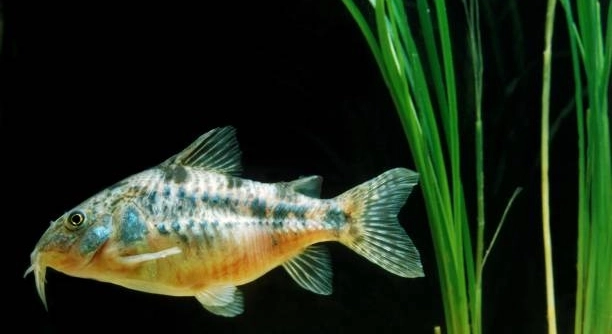
Corydoras catfish are fascinating aquarium pets, often displaying unique swimming behaviors. One such behavior is their tendency to swim quickly in short bursts. Understanding why they do this can help you maintain a healthy environment for them.
Corydoras catfish may swim quickly in short bursts due to various reasons such as hunting, avoiding stress, or reacting to environmental changes. These bursts may also be triggered by social interactions or the search for food, and can reflect their natural instincts.
Recognizing the factors behind your catfish’s behavior can be helpful in maintaining a calm tank environment. In this article, we will explore some common reasons for this energetic swimming pattern and how to address any potential concerns.
Natural Instincts of Corydoras Catfish
Corydoras catfish are known for their playful and active nature. In the wild, they often use quick bursts of swimming to escape predators or to explore their environment. These quick movements mimic survival instincts that have been ingrained in them over time. Even in a home aquarium, these behaviors can surface as the catfish may feel the need to act on these instincts. The bursts of energy are not typically a cause for concern as long as they are not occurring too frequently or with signs of distress. It’s simply a part of their natural behavior, allowing them to stay alert and active.
Quick bursts of swimming can be part of a larger instinctual pattern for Corydoras catfish. When they feel threatened or excited, they react with a quick dash through the water. This type of swimming pattern is often more noticeable when they are in groups, as the movement becomes part of their communication and social structure.
Their behavior also indicates their need for stimulation and interaction, even in captivity. It’s important to provide them with a healthy and enriched environment that encourages their natural instincts and allows them to express themselves.
Tank Conditions and Stress
Stress can trigger erratic behavior in Corydoras catfish. In some cases, poor water quality or unfavorable tank conditions may lead to rapid swimming in short bursts.
Poor water quality can lead to stress for Corydoras catfish. If the water is too warm, too cold, or contains toxins, the catfish may try to escape their discomfort by swimming frantically. Regular water testing and maintenance are key to reducing this stress. Keeping the water at the right temperature and performing frequent water changes helps maintain a stable and healthy environment. Additionally, water with too much ammonia or nitrite can irritate fish, prompting them to swim quickly in search of cleaner areas.
Besides water quality, overcrowding can also cause stress. Corydoras catfish do best in schools of five or more, but too many fish in a small space can make them feel cramped and anxious. Overcrowding leads to competition for resources, which can stress the fish and make them swim more vigorously. Ensuring a spacious tank with adequate filtration, hiding places, and a stable environment can greatly reduce the likelihood of this behavior being linked to stress.
Hunger and Feeding Behavior
Corydoras catfish often swim quickly in bursts when they are hungry or searching for food. They may dash around the tank to find a snack, especially if there’s food being offered nearby.
These catfish are bottom dwellers, and they’re always on the lookout for food near the substrate. When they see food, they may swim quickly to grab it, often moving in short bursts to compete with other fish. This behavior is also linked to their instinct to forage, even in an aquarium setting.
If they are not receiving enough food, they will become more active in their search, which could lead to faster swimming movements. Ensuring they are fed regularly with a varied diet will help to reduce these sudden bursts of swimming. A consistent feeding routine helps them feel secure and reduces any unnecessary energy expenditure.
Social Behavior and Interaction
Corydoras catfish are social animals and often feel the need to interact with each other. Quick swimming bursts can be a sign of social interaction, especially in a tank with several catfish.
In the wild, these catfish are usually found in groups. This social structure continues in captivity. When kept with other Corydoras, they will often swim quickly to communicate or engage in playful behavior. If they are feeling particularly social or excited, they might dart around the tank, mimicking the movements of their tank mates. These bursts are part of their normal interaction with one another.
It’s important to keep at least a few Corydoras together in your tank. This ensures they feel comfortable and secure, which can reduce the frequency of quick swimming. A single Corydoras catfish will feel more vulnerable and anxious, leading to more erratic behavior. Therefore, the social aspect plays a big role in how they behave in an aquarium.
Water Temperature and Swimming Speed
Water temperature plays a significant role in how Corydoras catfish swim. If the water is too warm or too cold, they may become more active, leading to faster swimming bursts.
These catfish are best suited for temperatures between 72°F and 78°F (22°C – 26°C). Any significant fluctuation outside of this range can cause stress, making them swim quickly or erratically. It’s essential to maintain a stable temperature in the tank to avoid triggering this behavior.
Consistent monitoring and adjusting the heater if necessary will help ensure the fish are comfortable, reducing the chances of erratic swimming caused by temperature stress.
Tank Setup and Environment
The way the tank is set up can impact Corydoras catfish swimming behavior. For instance, if there are areas where they feel trapped or stressed, they may dart around quickly to escape.
Providing plenty of hiding spaces, such as plants and decorations, will help Corydoras feel secure and calm. A well-planted tank with open swimming areas encourages natural behavior. Also, using fine sand or smooth gravel on the bottom will prevent injuries while they forage, as they often dig through the substrate in search of food.
Setting up a tank that mimics their natural habitat can significantly reduce stress and prevent sudden bursts of swimming.
Illness or Injury
Sometimes, rapid swimming in Corydoras catfish can be a sign of illness or injury. If they are swimming erratically and appear to be in distress, it’s important to check for signs of health issues.
Look for signs like lesions, loss of color, or abnormal swimming patterns. Illness can cause discomfort, and the fish may move in quick bursts as a reaction to pain or stress. If any symptoms appear, separating the affected fish and performing a water change can help.
Consulting an aquatic veterinarian can provide guidance if you suspect an injury or illness, ensuring proper treatment for the fish.
FAQ
Why do Corydoras catfish swim in short bursts?
Corydoras catfish swim in short bursts for several reasons, most of which are related to natural instincts. In the wild, they use quick movements to escape predators or to forage. Even in an aquarium, they may exhibit similar behaviors, especially when searching for food or interacting with tank mates. These bursts of swimming allow them to stay alert and active, as this is how they behave naturally.
Can Corydoras catfish swim too much?
While Corydoras catfish are typically active, excessive swimming can sometimes indicate stress or discomfort. If your catfish is swimming constantly in short bursts, especially if they seem disoriented or stressed, it could be a sign of poor water conditions, temperature fluctuations, or overcrowding. If this happens, it’s best to check the water parameters and ensure your catfish is not facing environmental stressors. However, in general, occasional bursts of swimming are normal and not usually a cause for concern.
What should I do if my Corydoras catfish keeps swimming quickly?
If your Corydoras is swimming more quickly than usual, try to first check the water quality. Poor water conditions are one of the main reasons for erratic swimming. Ensure the temperature is stable and within the ideal range of 72°F to 78°F. Additionally, check for overcrowding in the tank and provide hiding spots where the fish can feel secure. If these aspects are correct and the behavior continues, it may be worth observing if the fish shows signs of illness.
How do I prevent my Corydoras from swimming in bursts?
To prevent your Corydoras from swimming in short bursts, maintaining a calm and stable tank environment is key. Ensure the water quality is optimal, with regular water changes, proper filtration, and stable temperatures. Overcrowding can cause stress, so keeping your fish in appropriate numbers and offering plenty of hiding spots will help reduce frantic swimming. Additionally, providing a well-planted tank with soft substrate allows them to feel more comfortable and secure, which can calm their swimming behavior.
Is it normal for Corydoras to swim quickly at night?
Corydoras catfish are generally nocturnal and may be more active at night, which can lead to bursts of swimming. This behavior is normal as they search for food or explore their surroundings. If the tank light is off, they may feel safer to swim around without fear of predators. However, if the quick swimming continues all night or seems abnormal, it’s important to check if they are feeling stressed due to environmental factors or overcrowding.
Can Corydoras swim too fast for their own good?
While Corydoras are usually capable swimmers, swimming too quickly can sometimes lead to exhaustion or injury, especially if they are darting around the tank repeatedly. Fast swimming could also indicate that the fish is stressed or uncomfortable. It’s important to monitor their behavior, and if they seem overly active, ensure the water quality and tank environment are suitable for their needs. Providing a calm, well-maintained tank with enough space and hiding spots can help mitigate excessive swimming.
Do Corydoras need other fish to feel comfortable?
Corydoras catfish are social creatures and prefer to be kept in groups of at least five or more. They feel much more secure and less stressed when they have tank mates of the same species. This reduces the likelihood of anxious or erratic behavior like swimming in bursts. If kept alone, they may feel vulnerable and exhibit signs of stress. A group environment also encourages natural behavior, reducing the likelihood of excessive swimming or discomfort.
What signs should I look for to know if my Corydoras is stressed?
Stressed Corydoras catfish may exhibit signs such as erratic swimming, excessive darting around the tank, rubbing against objects, or hiding for extended periods. If your catfish is swimming in short bursts and seems to be doing so more frequently than normal, check the water parameters and overall tank conditions. Signs of stress may also include changes in color or loss of appetite. A thorough examination of their environment can help identify and resolve the stress factors.
Can poor water quality cause Corydoras to swim quickly?
Yes, poor water quality is one of the main causes of rapid swimming in Corydoras catfish. High levels of ammonia, nitrite, or nitrate can irritate their gills and cause them to swim quickly in an attempt to escape the discomfort. Similarly, temperature fluctuations or low oxygen levels can make them more active or erratic. To avoid this, regular water testing, proper filtration, and routine water changes are essential for keeping your catfish healthy and calm.
Why do Corydoras swim quickly during feeding time?
Corydoras are bottom-feeding fish, and they often swim quickly during feeding time to grab food before other tank mates. Their rapid movements may reflect excitement or eagerness to find a meal. This behavior is natural and a sign that they are actively foraging, just like they would in the wild. If they seem overly energetic during feeding time, it’s usually just part of their feeding behavior and not a cause for concern.
How do I know if my Corydoras is injured?
If your Corydoras catfish is swimming erratically or in bursts along with visible signs of injury, it’s important to check for any physical damage. Look for cuts, scrapes, or lesions on their body. Injuries can happen when the fish comes into contact with rough surfaces or is stressed by the tank environment. Injured catfish may swim in short bursts due to discomfort. If you suspect injury, consider isolating the affected fish to prevent further harm and provide proper care or treatment.
Do Corydoras swim quickly when they’re excited?
Yes, Corydoras may swim quickly in short bursts when they are excited. This could happen during feeding time, when they see a new tank mate, or if they detect something interesting in their environment. Excitement is a natural part of their behavior, especially when they feel active or when they are in a stimulating environment. As long as the behavior isn’t constant or excessive, excitement-induced bursts of swimming are not usually a cause for concern.
Final Thoughts
Corydoras catfish are lively and active fish that often display unique swimming behaviors, such as quick bursts of speed. These short, rapid movements are usually a normal part of their behavior. Whether they are foraging for food, interacting with tank mates, or responding to their environment, these bursts can be a sign that they are simply acting on their natural instincts. In many cases, this behavior is nothing to worry about, especially if the fish is otherwise healthy and active.
However, if you notice that the swimming bursts become excessive or seem to be linked with signs of distress, it may be worth taking a closer look at your tank conditions. Factors like poor water quality, incorrect temperature, overcrowding, or stress from environmental changes can cause Corydoras to swim more frantically. Regular maintenance of your tank, including testing the water quality, adjusting the temperature, and ensuring the fish have enough space, will help keep your Corydoras comfortable and reduce any erratic swimming behavior.
In general, Corydoras are social and adaptable fish that thrive in well-maintained aquariums. Ensuring that they have plenty of hiding spots, appropriate tank mates, and a stable environment will help them feel secure and content. If you keep an eye on their behavior and environment, you’ll be able to prevent issues that could cause unnecessary stress. Ultimately, understanding their natural instincts and how they respond to changes in their surroundings will allow you to provide the best care possible for your Corydoras catfish.

Hello,
If you enjoy the content that we create, please consider saying a "Thank You!" by leaving a tip.
Every little bit helps us continue crafting quality advice that supports the health, happiness, and well-being of pets around the world, for pets of all shapes, sizes, and species.
We really appreciate the kindness and support that you show us!