
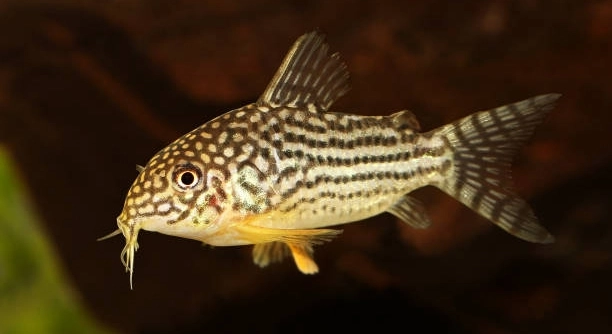
Do your Corydoras seem a bit sluggish lately or less active at feeding time compared to usual? These peaceful bottom-dwellers depend on consistent nutrition to stay lively and healthy in your aquarium.
Proper nutrition for Corydoras catfish involves offering a varied diet including high-quality sinking pellets, occasional live or frozen protein sources, and blanched vegetables. This balanced approach supports their immune systems, promotes growth, and maintains natural behavior.
Maintaining a healthy diet doesn’t have to be complicated, but knowing what to include makes all the difference for your Corydoras’ overall well-being.
Feed a Balanced Diet
A healthy Corydoras diet starts with variety. These catfish need more than just flakes to thrive. A mix of sinking pellets, algae wafers, and occasional treats like frozen bloodworms or brine shrimp works best. Their small mouths and scavenging nature mean they need food that sinks quickly and stays at the bottom. Corydoras also benefit from the occasional plant-based item such as blanched spinach or zucchini. This blend gives them the nutrients needed for energy, growth, and immune support. Feeding small amounts twice a day helps prevent overeating and keeps water quality stable. Keeping their diet consistent also helps reduce stress and maintain bright, alert behavior. Food left too long in the tank can rot and make them sick, so clean up any leftovers within a few minutes. Making small changes to what you feed them can make a big difference in their health and lifespan.
Offer food that reaches the bottom quickly to ensure your Corydoras can feed properly without competing with top swimmers.
It’s easy to assume Corydoras will eat whatever lands near them, but relying only on leftover flakes leaves them underfed. Their nutrition should be planned, not left to chance. A routine that includes both protein and plant-based foods will keep them balanced.
Avoid Overfeeding
Feeding your Corydoras too much can lead to health issues and poor water conditions in your tank.
Too much food sitting on the substrate will break down, raising ammonia and nitrate levels. This not only affects Corydoras but also the entire tank. Over time, overfeeding can cause bloating, fatty liver, and reduced movement. A good rule is to feed only what they can finish in about three minutes. Observing their eating habits helps you adjust portions. If they seem disinterested or leave food behind, try feeding less. It’s better to underfeed slightly than overdo it. Also, avoid feeding them more than twice a day. Too many feedings stress the biological filter and cause unstable water quality. A clean tank means healthier fish, and managing food plays a big role in that. Use feeding rings or dishes to contain the food in one spot, which makes cleaning easier and lets you monitor what’s eaten.
Rotate Protein Sources
Feeding the same type of protein every day can lead to gaps in nutrition. Rotating between options like frozen bloodworms, brine shrimp, daphnia, and blackworms gives your Corydoras variety and covers more of their dietary needs.
Frozen and live proteins each have their benefits. Frozen foods are convenient and safe, while live ones encourage natural hunting behaviors. By switching protein types every few days, your Corydoras stay interested in feeding time and avoid developing nutrient deficiencies. Just be sure not to rely solely on one source. For example, bloodworms are rich but should not be given daily. Including daphnia adds roughage, which helps with digestion. Rotate these items to avoid boredom and keep your fish active. Keep the portions small, even with variety. Too much protein too often can still affect water quality and cause health issues over time.
Use a mix of animal-based proteins to mimic their natural feeding habits. Corydoras in the wild don’t eat the same food every day, and offering variety supports both physical and behavioral health. Freeze-dried foods can be used as a backup, but they should be rehydrated first. This prevents swelling in the stomach and keeps feeding safer for your fish.
Include Vegetables Occasionally
Corydoras do not eat only meat. They also nibble on plant matter in the wild. Including vegetables like blanched zucchini or spinach gives extra nutrients that pellets and protein don’t fully provide. These veggies are gentle on their digestive systems and can reduce constipation.
Vegetables can be served once or twice a week as a supplement. Boil them just enough to soften, then let them cool before placing them in the tank. Remove any leftovers after a few hours to avoid water contamination. Spinach adds iron and calcium, while zucchini is a good source of fiber. If your Corydoras ignore the vegetables at first, try again later—they may need time to adjust. Over time, many will start to nibble. Don’t season or oil the veggies—just soft, clean, plain pieces work best. This simple step helps round out their diet without adding unnecessary waste or effort.
Clean Feeding Areas Regularly
Leftover food sitting in the substrate can quickly rot and affect your tank’s water quality. Cleaning the feeding area helps prevent ammonia spikes, foul smells, and harmful bacteria from building up around your Corydoras’ usual spots.
Use a gravel vacuum during water changes to clear uneaten food and debris. Keeping the substrate clean also helps prevent diseases linked to poor hygiene.
Monitor Feeding Behavior
Watch how your Corydoras eat during each feeding. If they ignore food, act sluggish, or swim less, it might be a sign of stress or illness. A healthy fish will actively forage, especially during routine feeding times.
Choose the Right Pellet Size
Small-mouthed fish like Corydoras need food they can easily bite and swallow. Using pellets that are too large can cause choking or go uneaten. Choose pellets made for bottom feeders, and crush larger pieces if needed.
FAQ
What should I feed my Corydoras catfish?
Corydoras catfish thrive on a variety of foods. A balanced diet includes sinking pellets, algae wafers, and occasional live or frozen treats like bloodworms, brine shrimp, and daphnia. Vegetables such as blanched zucchini, spinach, or peas can also be included for added nutrients. Offering a mix of protein and plant-based foods ensures your fish stay healthy and active. Avoid feeding them too much at once to prevent water contamination.
How often should I feed Corydoras catfish?
Corydoras should be fed twice a day, in small amounts they can consume in about three minutes. This routine helps prevent overfeeding and maintains water quality. If there’s leftover food after each feeding, remove it promptly to avoid spoilage. Too much food can lead to poor water conditions, which will harm your fish.
Can I feed Corydoras live food every day?
Live food like bloodworms and brine shrimp are great treats, but they shouldn’t be fed daily. These proteins are rich and can cause health issues if overfed. Instead, offer them as part of a rotating diet every few days, mixing them with pellets and vegetables.
Is it safe to feed Corydoras vegetables?
Yes, Corydoras can safely eat vegetables. Blanched spinach, zucchini, peas, and lettuce are good options. They add fiber and essential nutrients like calcium and iron, which are important for their overall health. Ensure that any vegetables are free of pesticides, and remove uneaten food after a few hours.
How do I know if I’m overfeeding my Corydoras?
Overfeeding can cause bloating, poor digestion, and water quality problems. If your Corydoras leave food behind after feeding or appear uninterested, you might be offering too much. A good rule is to feed only what they can finish in a few minutes. Watching their behavior helps you adjust portions.
What is the best type of food for Corydoras catfish?
The best food for Corydoras includes high-quality sinking pellets designed for bottom feeders. These pellets provide essential nutrients and are designed to sink, where Corydoras naturally forage. Supplement this with occasional live or frozen protein foods and plant matter for variety.
Should I feed Corydoras catfish every day?
Yes, Corydoras should be fed daily, but in controlled portions. Two small feedings per day, spaced out, is ideal. Ensure they have enough food to stay healthy, but avoid leaving food in the tank that can rot and harm water quality.
How can I prevent Corydoras from getting constipated?
Constipation in Corydoras can be avoided by offering a varied diet that includes fiber-rich vegetables like peas, zucchini, and spinach. These help with digestion. Avoid overfeeding protein-heavy foods like bloodworms, which can lead to digestive issues.
Can Corydoras eat frozen food?
Yes, Corydoras can eat frozen food like bloodworms, brine shrimp, and daphnia. These foods are safe and nutritious when offered in moderation. Be sure to thaw the food before adding it to the tank, and remove any leftovers after a few hours to keep the water clean.
What are the signs of malnutrition in Corydoras catfish?
Malnutrition in Corydoras can be shown by signs like sluggish behavior, weight loss, faded color, and lack of appetite. If your Corydoras aren’t active or aren’t eating enough, it may indicate they’re not getting the right balance of nutrients. In these cases, adjust their diet to provide better nutrition.
Can I feed Corydoras pellets made for other fish?
Pellets designed for bottom feeders are ideal for Corydoras. While some general fish food pellets might work, those made specifically for bottom dwellers have the right size, texture, and sinking quality that Corydoras need. Avoid using pellets designed for surface-feeding fish, as they may float and go uneaten.
What size pellets should I feed Corydoras?
Corydoras have small mouths, so use small pellets made for bottom feeders. Pellets that are too large can be difficult for them to eat, leading to wasted food and poor water quality. If necessary, crush larger pellets into smaller pieces to ensure they’re easy to consume.
Can Corydoras eat shrimp or snails?
Corydoras do eat small invertebrates in the wild, so they might nibble on shrimp or snails in the aquarium, but they are not a significant part of their diet. It’s important to ensure that any invertebrates you keep in the tank are not being overconsumed by the Corydoras, which could harm the balance of your tank.
How much should I feed my Corydoras to avoid water contamination?
To avoid water contamination, feed Corydoras only what they can consume in about three minutes. Overfeeding will lead to leftover food decaying in the tank, which will negatively affect water quality. Regularly clean any uneaten food from the substrate to maintain a clean and healthy environment.
Is live food better than frozen food for Corydoras?
Both live and frozen foods are beneficial, but they each have pros and cons. Live food is closer to what Corydoras would eat in the wild and encourages natural hunting behaviors. Frozen food, while convenient, can be just as nutritious when offered in moderation. A mix of both is ideal for maintaining variety in their diet.
How long can Corydoras go without food?
Corydoras can typically survive for a few days without food, but prolonged fasting can weaken their immune system and lead to health issues. If you’re going away, it’s best to have a feeding schedule in place or use an automatic feeder to ensure they’re fed regularly.
Final Thoughts
Proper nutrition is essential for the health and well-being of your Corydoras catfish. By feeding them a balanced diet with a mix of sinking pellets, live or frozen foods, and occasional vegetables, you ensure they get the nutrients they need to stay active and strong. This fish species relies on a variety of foods to mimic its natural diet in the wild, which includes both animal and plant-based sources. Offering variety keeps your Corydoras engaged and promotes better digestion and overall health. Whether you’re providing them with high-quality sinking pellets, small live foods, or nutritious vegetables, consistency is key.
Another important part of maintaining good health for your Corydoras is avoiding overfeeding. Overfeeding not only leads to poor water quality but can also cause health issues for your fish. Corydoras are small and have small stomachs, so it’s crucial to give them just enough food that they can finish in a short time. This helps maintain a clean tank environment and keeps your fish from becoming bloated or sluggish. It’s also important to clean up any uneaten food promptly, as it can quickly break down and affect the water quality, which could harm both the fish and the aquarium’s ecosystem.
By following these simple guidelines, you can provide your Corydoras catfish with a healthy, balanced diet that will support them for many years. Maintaining a routine feeding schedule, monitoring their behavior, and adjusting portions as needed can make a big difference. It’s not difficult to provide proper nutrition for these peaceful fish, but paying attention to their dietary needs and water quality will go a long way in ensuring they live a long, healthy life. The key is consistency, variety, and a little care with feeding practices. The result is happy, healthy Corydoras that will thrive in your aquarium.

Hello,
If you enjoy the content that we create, please consider saying a "Thank You!" by leaving a tip.
Every little bit helps us continue crafting quality advice that supports the health, happiness, and well-being of pets around the world, for pets of all shapes, sizes, and species.
We really appreciate the kindness and support that you show us!