
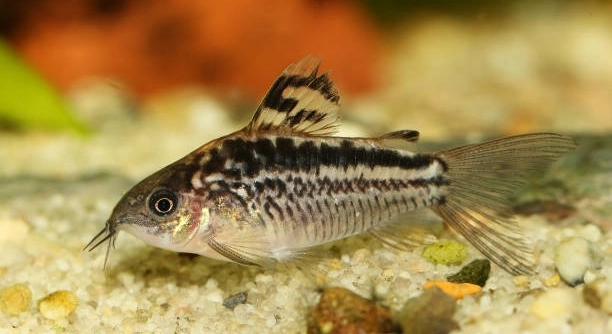
Corydoras catfish are typically peaceful, but aggression can arise for various reasons. Understanding how to prevent this behavior can help maintain a peaceful tank environment and ensure the well-being of your fish.
Aggression in Corydoras catfish is often caused by factors such as overcrowding, competition for food, or poor water quality. By ensuring proper tank conditions, providing adequate space, and monitoring feeding practices, aggression can be minimized.
With these simple steps, you can maintain a calm and healthy environment for your Corydoras catfish and other tank mates.
Proper Tank Size and Space
Corydoras catfish need adequate space to swim freely and comfortably. When placed in a cramped tank, these fish may become stressed, leading to aggressive behavior. Overcrowding can cause territorial disputes and prevent the fish from retreating to a safe area when needed. Ideally, each Corydoras catfish should have at least 10 gallons of water per fish. For a small group, a 30-gallon tank can help reduce stress. Additionally, make sure the tank has plenty of hiding spots, such as caves or plants, where the fish can find refuge when they feel threatened.
Even with plenty of space, fish need places to rest and hide from more dominant tank mates. Corydoras catfish are shy creatures, and ensuring that there are hiding spots in the tank can significantly reduce aggression.
Tank size is essential in preventing aggression. A larger tank provides more territory for each fish, reducing the chances of conflict. With a proper setup, your Corydoras can live peacefully alongside other fish, minimizing stress and aggressive interactions.
Water Quality and Maintenance
Water quality plays a significant role in fish behavior.
The water should be clean and stable. Corydoras are particularly sensitive to poor water conditions. Dirty water causes stress, which can trigger aggression. Regular water changes and proper filtration help maintain the ideal environment for your catfish.
Proper Feeding and Diet
Overfeeding can lead to competition, increasing stress and aggression among Corydoras catfish. To prevent this, feed your fish in small amounts, ensuring all food is consumed in a few minutes. Excess food left in the tank can quickly deteriorate water quality and add to the problem.
Corydoras catfish are scavengers, but they still require a balanced diet. Offering a variety of food, including sinking pellets, bloodworms, and vegetable matter, can keep them healthy. Make sure the food is suitable for bottom feeders, as they spend most of their time on the substrate. This variety ensures they are getting the nutrients they need without causing aggression over food.
A feeding schedule is also important. Establishing a routine can reduce territorial disputes over food. By feeding your Corydoras at the same time each day, they become more accustomed to the process, allowing them to focus on eating instead of competing.
Tank Mates and Compatibility
Choosing the right tank mates is essential.
Corydoras are peaceful but may become aggressive if housed with overly territorial or aggressive fish. Avoid species that are prone to bullying or that occupy the same space on the tank floor. Instead, pair them with peaceful fish that won’t disturb their calm nature.
In addition to choosing compatible tank mates, consider the activity level of other fish. Corydoras catfish prefer a peaceful, slower-paced environment. Fast-moving, active fish may cause stress, leading to more aggressive behaviors. Opt for fish that stay in the middle or upper regions of the tank.
Avoiding Territorial Disputes
Corydoras catfish are naturally territorial. When multiple males are kept together in small spaces, fights can break out over territory. To minimize this, make sure the tank has enough hiding spots and plant coverage for each fish to claim as its own.
A larger tank helps reduce territorial aggression. When fish have enough room to establish their own space, they’re less likely to become confrontational. Creating separate territories with decorations or plants can give each fish a place to retreat if it feels threatened, reducing the chance of aggression.
Maintaining Tank Temperature
Corydoras thrive in a stable water temperature range of 72-78°F (22-26°C).
A fluctuating tank temperature can stress them out and lead to aggressive behaviors. Using a reliable aquarium heater to maintain a consistent temperature will help keep your fish calm and comfortable. Regularly check the water temperature to ensure it stays within the ideal range.
FAQ
Why are my Corydoras catfish aggressive?
Aggression in Corydoras can occur due to several factors. Overcrowding, poor water quality, competition for food, and territorial disputes are common causes. Stress from environmental factors can also trigger aggressive behavior. It’s important to maintain a proper tank size, ensure regular water changes, and feed them appropriately to reduce these stresses.
Can Corydoras catfish live with other fish?
Yes, Corydoras are peaceful and can live with other fish, but the tank mates must be compatible. Avoid aggressive or overly territorial fish that may cause stress or conflict. Good companions for Corydoras include peaceful species like tetras, guppies, and peaceful gouramis. Ensure the tank has enough hiding spots for all fish to reduce tension.
How many Corydoras catfish should I keep together?
Corydoras are social fish and should be kept in groups. A minimum of three to five Corydoras is recommended for them to feel comfortable and safe. A group helps prevent loneliness and reduces stress, promoting natural behavior. More fish also makes the group less likely to engage in territorial disputes.
Can I keep Corydoras with shrimp?
Corydoras generally get along with shrimp. They are bottom-dwelling fish, so they don’t compete with shrimp for space or food. However, be cautious with small or fragile shrimp species. Larger or more aggressive shrimp may become targets for Corydoras if the fish are stressed or hungry.
How often should I feed Corydoras catfish?
Corydoras should be fed once or twice a day. Feed them small amounts of food that can be consumed in a few minutes. Overfeeding can cause water quality issues and competition among the fish, leading to aggression. Ensure they have a balanced diet consisting of sinking pellets, vegetables, and occasional live food.
What is the ideal tank size for Corydoras?
The minimum tank size for Corydoras is a 20-gallon tank for a small group. A larger tank of 30 gallons or more is ideal for reducing stress and providing ample swimming space. Corydoras require both horizontal swimming space and hiding spots, so a well-decorated tank is beneficial.
Do Corydoras catfish need a filter?
Yes, Corydoras require a filtration system to maintain clean water. These fish are sensitive to poor water quality, and a filter helps keep the water oxygenated and free of debris. A gentle filter is recommended since Corydoras prefer calm water with minimal current.
What temperature do Corydoras catfish prefer?
Corydoras prefer a water temperature between 72°F and 78°F (22°C to 26°C). A stable temperature within this range ensures they remain comfortable and reduces stress. Fluctuations in temperature can lead to health issues and aggression, so it’s crucial to maintain a consistent environment.
How do I reduce aggression between Corydoras catfish?
To reduce aggression, ensure your Corydoras have plenty of space to swim and hide. A well-planted tank with multiple hiding spots allows each fish to establish its own territory. Avoid overcrowding and monitor feeding to prevent competition. Keep the water quality high and maintain a stable temperature to minimize stress.
Can Corydoras catfish breed in a community tank?
Yes, Corydoras can breed in a community tank if the conditions are right. However, breeding success is more likely in a separate breeding tank. The water temperature and quality need to be optimal, and the fish must feel comfortable and safe. Provide plenty of hiding spots and maintain a balanced diet for the breeding pair.
Why are my Corydoras not eating?
If your Corydoras are not eating, it could be due to poor water quality, stress, or illness. Check the water parameters, including temperature, pH, and ammonia levels. Ensure the fish are comfortable in their environment and are not being bullied by tank mates. If the problem persists, consult an aquarium professional.
How can I tell if my Corydoras are stressed?
Stressed Corydoras may display unusual behavior, such as staying in one spot for extended periods, hiding more than usual, or swimming erratically. Other signs of stress include reduced appetite, abnormal breathing, or flashing (scratching against objects). It’s essential to identify the stressor, such as poor water quality or aggression from tank mates, and address it promptly.
How long do Corydoras catfish live?
Corydoras catfish typically live between 5 and 10 years, depending on the care they receive. Providing them with a stable and clean environment, proper diet, and compatible tank mates will help them reach their full lifespan. Regular maintenance and attention to their needs contribute to their overall well-being and longevity.
Are Corydoras catfish good for beginners?
Yes, Corydoras are considered beginner-friendly fish. They are hardy, easy to care for, and have a calm temperament. However, it’s important to understand their social and environmental needs, such as proper tank size, water conditions, and suitable tank mates. Providing a balanced diet and monitoring water quality are key to their care.
Can I keep Corydoras with other bottom-dwelling fish?
It’s possible to keep Corydoras with other bottom-dwelling fish, but caution is needed. Other bottom dwellers may compete for space and food, leading to aggression. Choose species that are not overly territorial or aggressive. Peaceful bottom dwellers like loaches can coexist with Corydoras, as long as the tank is large enough and offers hiding places.
Final Thoughts
Corydoras catfish are peaceful and social fish that can thrive in community tanks when given the right conditions. Their gentle nature makes them a popular choice for aquarium enthusiasts, but they do require careful attention to avoid aggression. By maintaining proper water quality, providing enough space, and selecting compatible tank mates, you can reduce stress and prevent fights among your fish. When these factors are addressed, Corydoras can live a long, healthy life, contributing to the peaceful balance of your tank.
Ensuring that your Corydoras catfish have a well-balanced diet is also crucial for their well-being. A varied diet helps keep them healthy and prevents competition for food. Overfeeding should be avoided, as it can lead to water quality issues and aggression between tank mates. It’s also important to remember that Corydoras are scavengers, so they will often search for food at the bottom of the tank. Offering them sinking pellets and occasional live food can keep them satisfied and reduce the likelihood of aggression over meals. Regular feeding schedules can help establish routine and minimize conflicts.
Ultimately, creating a peaceful environment for your Corydoras involves more than just feeding and cleaning. By providing them with sufficient space, reducing stressors, and paying attention to their social needs, you ensure that they can coexist peacefully with other fish. Corydoras are resilient and adaptable, but their best potential for harmony comes from understanding their specific needs and making adjustments as necessary. When kept under the right conditions, they will contribute to the health of your aquarium, becoming a long-lasting and enjoyable addition to your home.

Hello,
If you enjoy the content that we create, please consider saying a "Thank You!" by leaving a tip.
Every little bit helps us continue crafting quality advice that supports the health, happiness, and well-being of pets around the world, for pets of all shapes, sizes, and species.
We really appreciate the kindness and support that you show us!